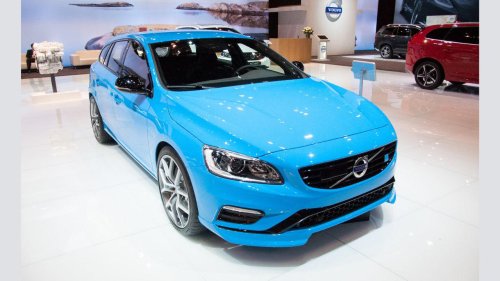


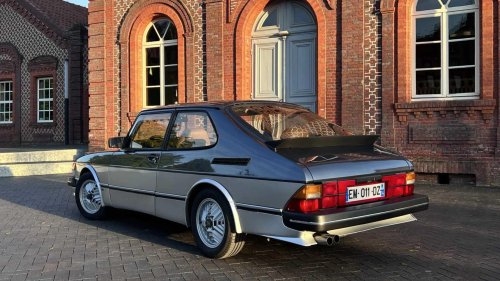
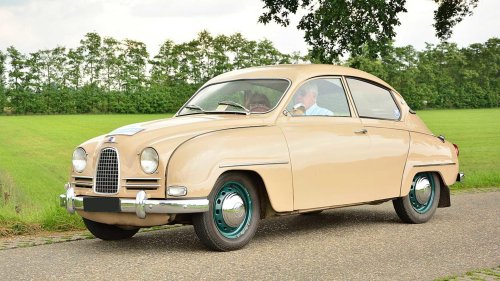
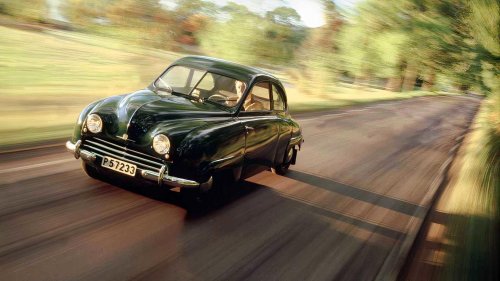
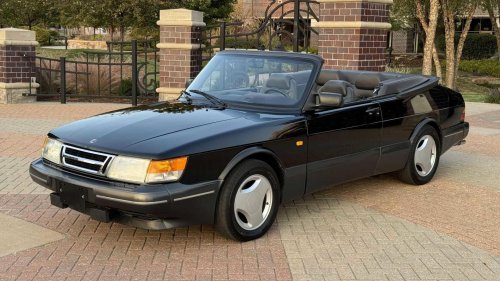
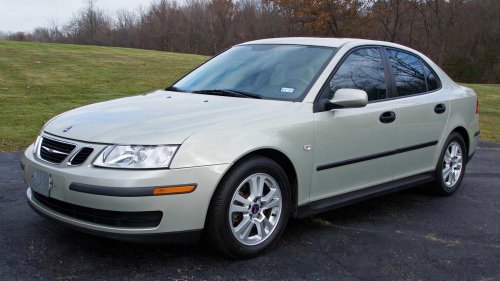
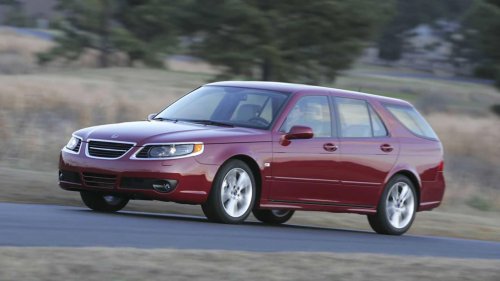




















The history of the automotive industry over the last century portrays a graveyard of once-promising ventures. The level of failure among car companies during this period illustrates just how difficult it is to sustain brand success in a market defined by brutal competition and massive capital requirements. While thousands of manufacturers have emerged since the dawn of the horseless carriage, the vast majority have failed because they were unable to navigate the prohibitive economies of scale, technological disruption, and cyclical economic volatility. Establishing a brand requires revolutionary engineering and the creation of a vast, reliable supply chain with a widespread service network.These barriers have led to the rapid consolidation of the industry into a handful of global titans. Many smaller or independent brands collapsed because they could not afford the immense research and development costs needed to keep pace with evolving safety, emissions, and manufacturing standards. Furthermore, automotive success is intrinsically linked to the ability to survive deep recessions. Brands that lacked a diversified product lineup or the financial resilience to withstand periods of stagnant consumer demand were frequently forced into bankruptcy, acquisition, or total liquidation, leaving behind a century of lost legacies. Understanding The Competitive Global Automotive Landscape General Motors For mainstream automotive brands, the necessity of mergers and acquisitions is driven by the industry's evolution into a high-stakes, capital-intensive landscape where scale is the only defense against obsolescence. Producing a vehicle goes beyond a mechanical endeavor and now requires massive, concurrent investments in software development, AI, electrification, and autonomous driving architectures. These costs are nearly impossible for a single brand to amortize effectively on its own. How The Swedes Master Automotive Design Volvo The Swedish automotive industry has long been defined by a unique synthesis of engineering perfection, uncompromising human-centric design, and an acute response to the challenges of its northern environment. Emerging from a landscape that demanded durability and reliability in the face of harsh, icy climates and vast, rugged distances, domestic manufacturers prioritized structural integrity and winter-ready functionality as foundational tenets.This approach fostered a design philosophy deeply rooted in pursuing a balance that is neither excessive nor insufficient. Swedish car brands tend to achieve this by applying clean and minimalist aesthetics that favor ergonomics, uncluttered interiors, and high-visibility cabin layouts.Bring A Trailer Beyond aesthetic restraint, the industry became a global standard-bearer for safety innovation; motivated by a profound sense of care for the occupant and the pedestrian, engineers pioneered critical life-saving technologies that fundamentally altered automotive standards worldwide.Swedish car brands have developed a reputation for intelligent luxury by blending an ethical commitment to safety with an early, progressive dedication to environmental sustainability. The region's vehicles are engineered as purposeful, resilient tools designed to protect and serve the human experience rather than merely provide status. Saab's Impactful Contribution To The Automotive World Bring A TrailerSaab carved out a singular reputation in the automotive world by applying the discipline, ergonomics, and unorthodox thinking of its aeronautical heritage to the passenger car. This direction resulted in the creation of products that brought sophistication to conventional transport methods with a driver-focused direction. Saab was also a pioneer in the use of turbocharging for mainstream performance, cabin layouts inspired by jet cockpits, and an unwavering focus on passenger safety that often preceded industry trends by decades.Wikimedia Commons/Jan Derk Remmers Iconic models like the Saab 96 dominated rally stages thanks to a unique front-wheel-drive setup. The Swedish brand is also well-known for its legendary 900 Turbo. This model line became a cult classic for its distinctive profile and robust, versatile performance, defined the brand's golden era. Today, Saab enjoys a deeply dedicated, niche following because those cars represented a refusal to follow market trends. Enthusiasts of the brand appreciate its legacy of distinctive, deliberately over-engineered character. Saab's Dynamic Introduction SaabSaab’s automotive origins began in 1945 as a strategic diversification project by the Swedish aircraft manufacturer Svenska Aeroplan Aktiebolaget. The driving force for this pivot was led by visionary engineer Gunnar Ljungström and industrial designer Sixten Sason. Seeking to pivot into the civilian market as wartime demand for aircraft waned, the company applied rigorous aeronautical principles. This focused on aerodynamic efficiency and lightweight construction, resulting in the development of the 1949 Saab 92.This inaugural model was groundbreaking. Saab applied a distinct teardrop-shaped body with a low drag coefficient of 0.30, powered by a simple, two-stroke, two-cylinder engine. While it was a modest success in terms of unit volume, selling just over 43,000 units during its production run, the car was an engineering marvel, proving that the company could successfully translate high-level aviation expertise into a functional, highly durable, and distinctively Swedish consumer product that would lay the foundation for decades of design innovation. Saab's Triumphant Rise To Fame Bring a Trailer The peak of Saab’s success spanned from the late 1970s through the 1990s, a period defined by the global rise of the 900, which became the brand’s most iconic and best-selling vehicle with more than 1.1 million units produced. While the 96 had earlier established the brand’s footprint, it was the turbocharged 900 variants that solidified the brand’s reputation as a sophisticated alternative to German luxury marques.During this era, Saab found its most fervent and commercially significant markets in Sweden, the United Kingdom, and the U.S., where it successfully positioned itself as an import that prioritized engineering integrity over traditional status symbols. The key demographic for these vehicles was notably distinct: the brand appealed to highly educated professionals, including academics, physicians, and engineers, who valued safety and idiosyncratic design. These buyers were rarely interested in flashy displays of wealth and rather gravitated toward the brand's blend of understated aesthetic, ergonomic design, and robust durability. An Unfortunate Financial Downfall Bring a TrailerBy the late 1980s, Saab found itself in an unfortunate financial position. Despite its cult following, the company remained a low-volume, high-cost producer that struggled to achieve the economies of scale necessary to compete with surging German premium rivals. Lacking the massive research and development budgets required to keep pace with rapid technological advancements and tightening safety regulations, the brand was trapped in a cycle of poor profitability. Seeking to stabilize the company and desperate to secure a premium footprint in Europe, General Motors stepped in, purchasing a 50 percent stake in Saab’s passenger car division in 1989.This initial joint venture was designed to provide Saab with access to GM’s global supply chain and modular vehicle platforms. In later years, this showed up in the use of Opel-derived components, allowing the Swedish brand to retain its unique engineering character.GM eventually assumed full ownership in 2000. This led to forcing a niche, idiosyncratic brand into a high-volume, mainstream manufacturing model compromising the engineering ethos that had made the brand famous. It ultimately left Saab unable to reconcile its artisanal roots with the corporate pressures of a global automotive conglomerate. Saab's Unfortunate Final Days Saab Saab’s demise was the result of a long-standing structural mismatch. The company functioned as a boutique, low-volume manufacturer while being forced to operate within the rigid, scale-driven requirements of a global automotive conglomerate. The brand simply lacked the critical mass to amortize the immense running costs, leaving it unable to remain profitable at the price points its customers were willing to pay.Saab's fragility was brutally exposed by the global financial crisis of 2008, which caused sales to plummet and left the brand effectively insolvent. There was a failed attempt to survive under Spyker's ownership, further hurt by GM's decision to block a potential acquisition by a Chinese consortium.Saab GM believed that selling the brand would transfer proprietary technology. Saab officially filed for bankruptcy in 2011. Its final models included the last-generation 2011 Saab 9-5 and 9-3, with a brief, sporadic restart of production under subsequent ownership that ended by 2014.The brand’s historic manufacturing heart, the Trollhättan plant, eventually ceased automotive production. The original parent aerospace and defense company, however, continues to thrive. This division currently revokes the right to use the Saab name for future passenger vehicles, permanently closing this chapter of automotive history.