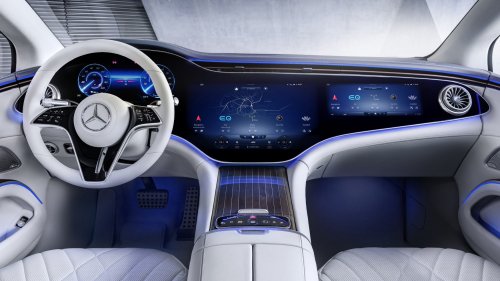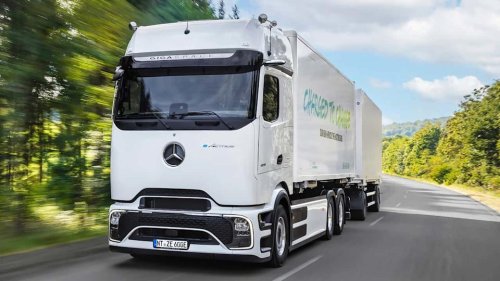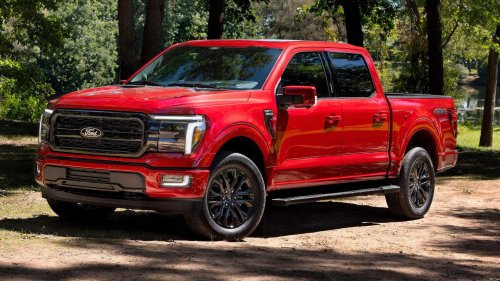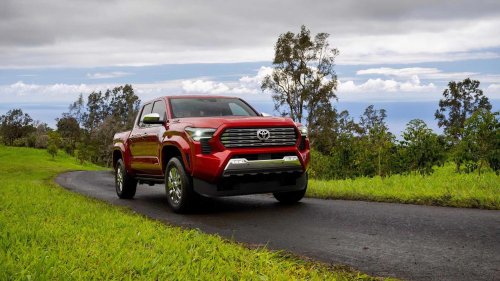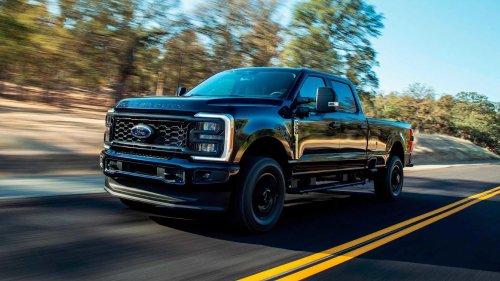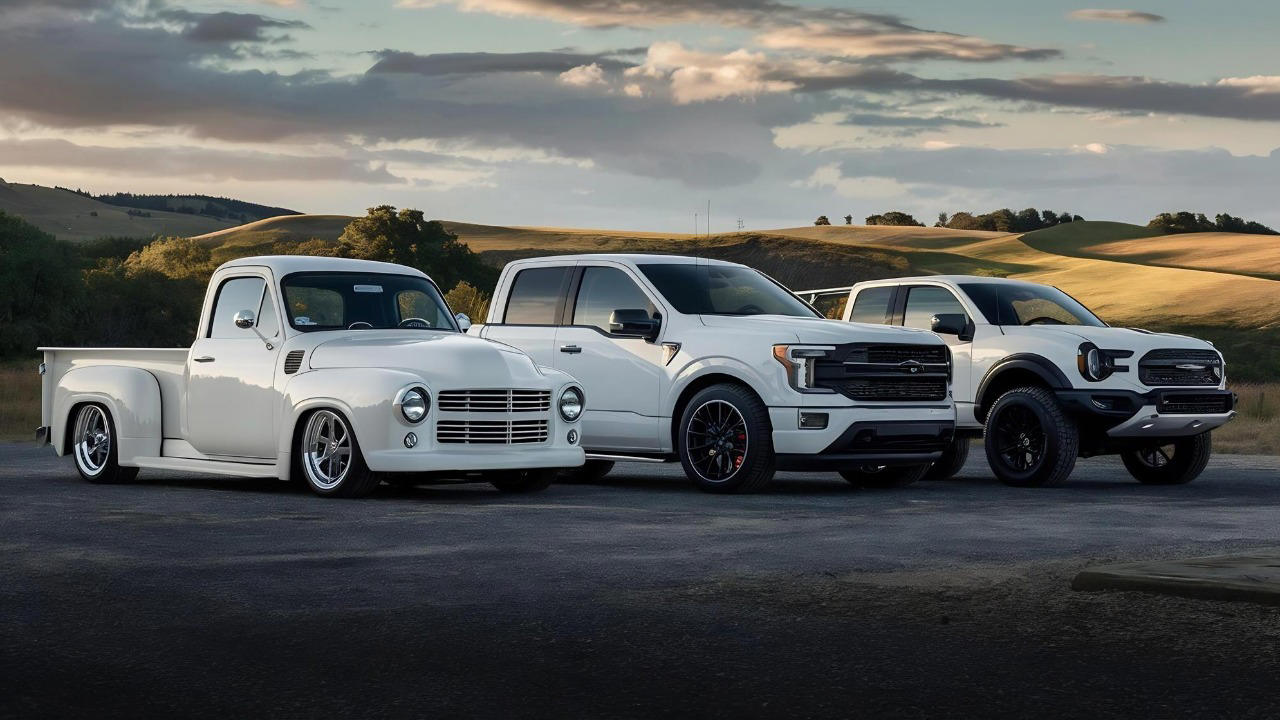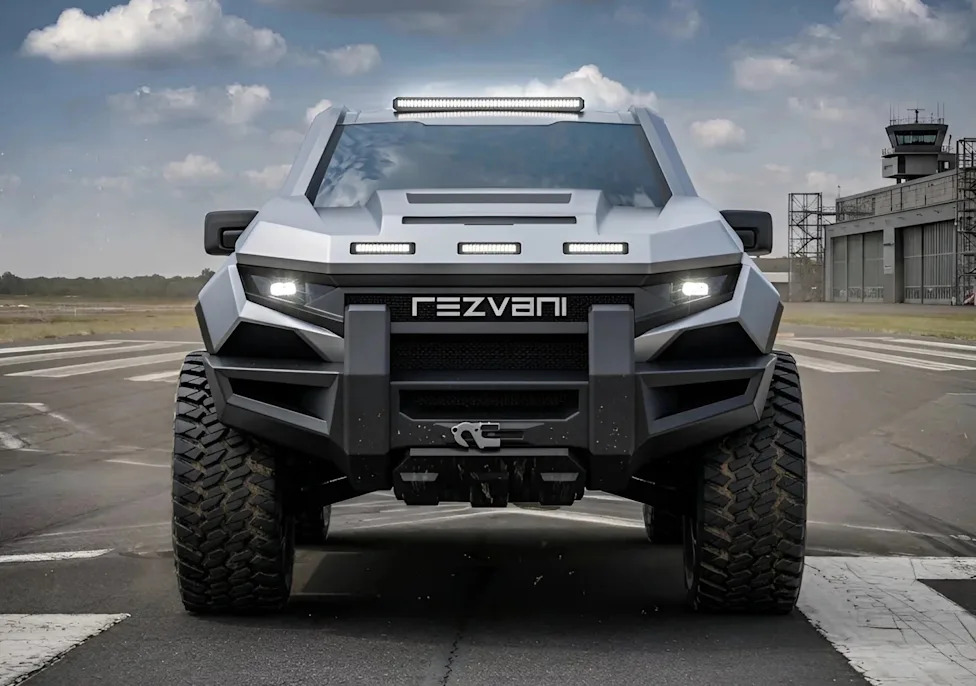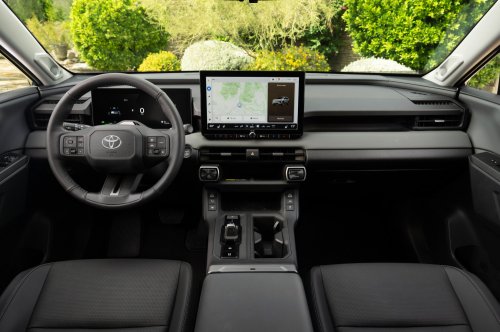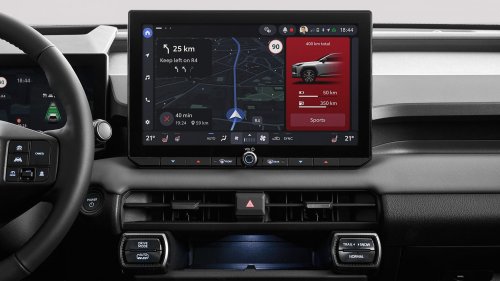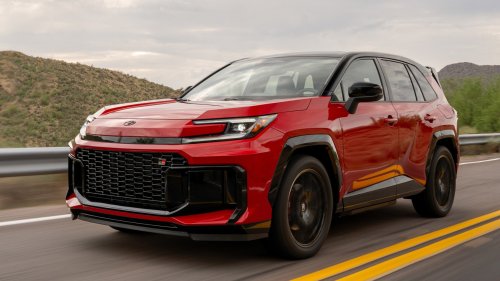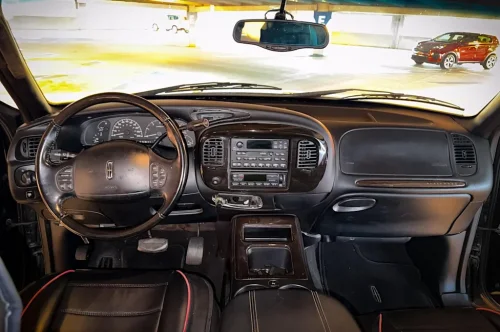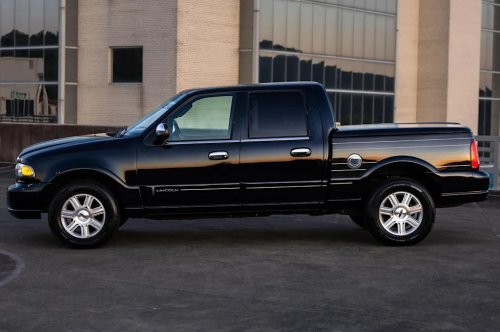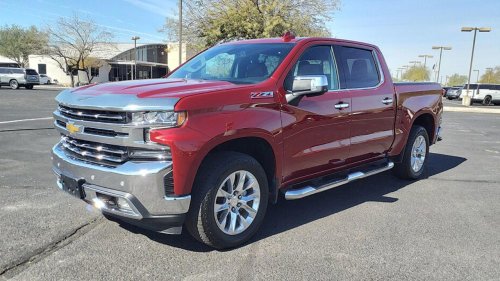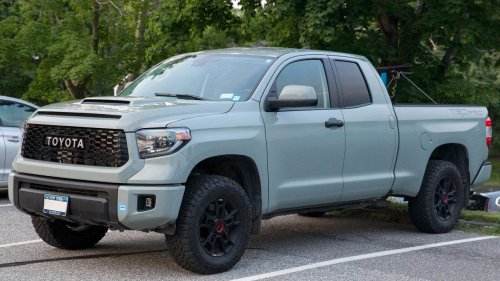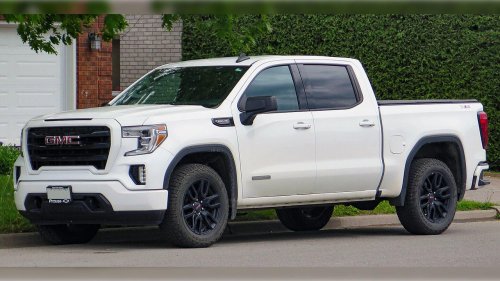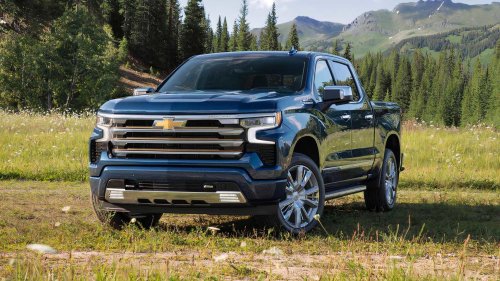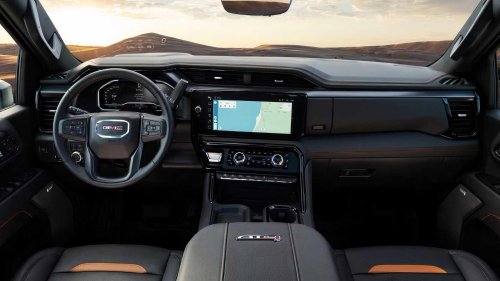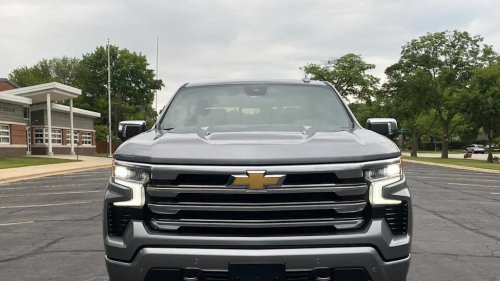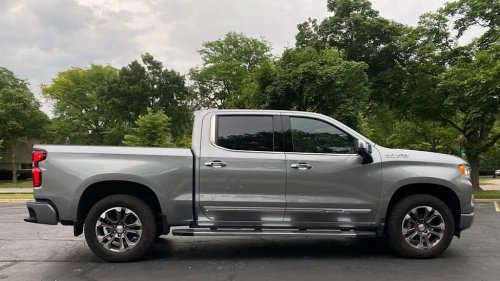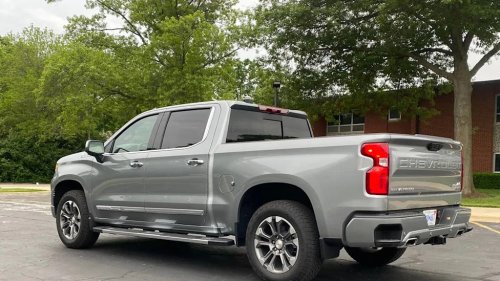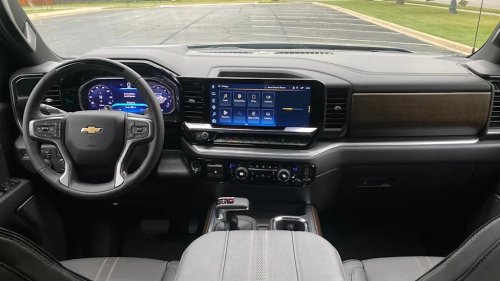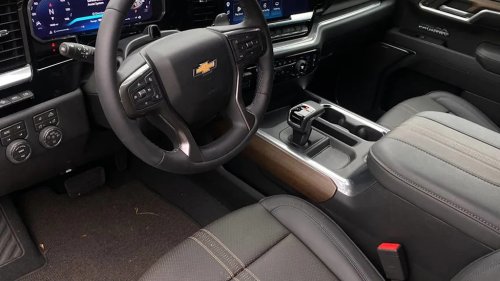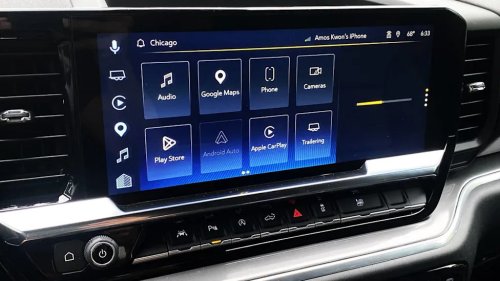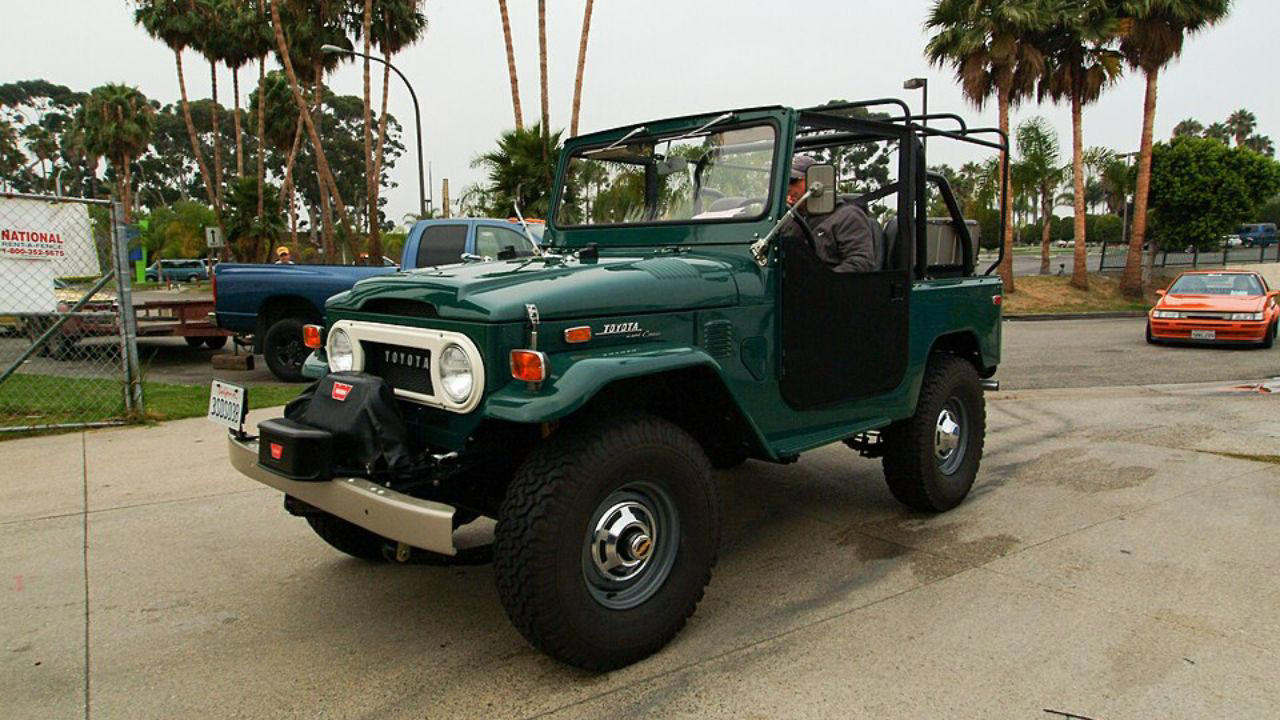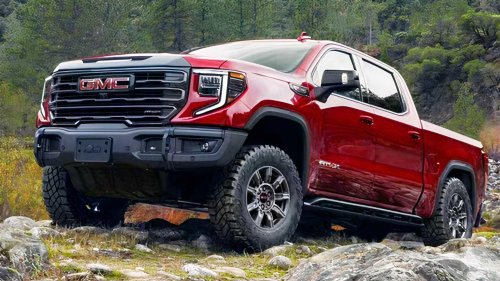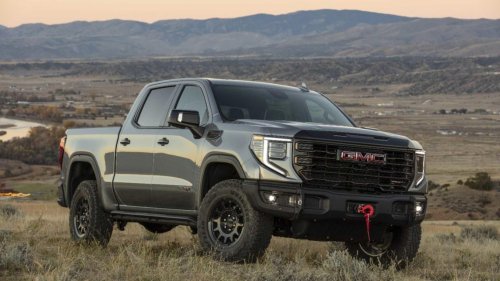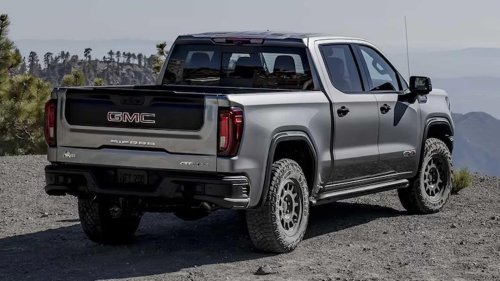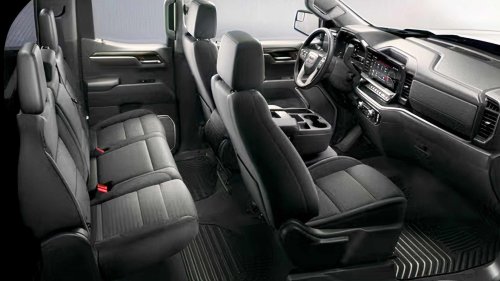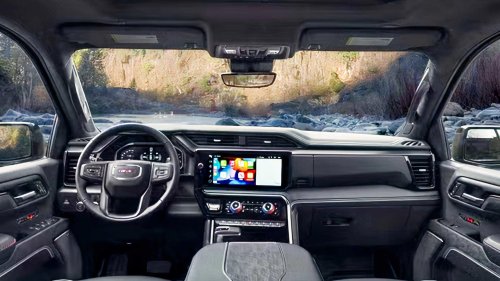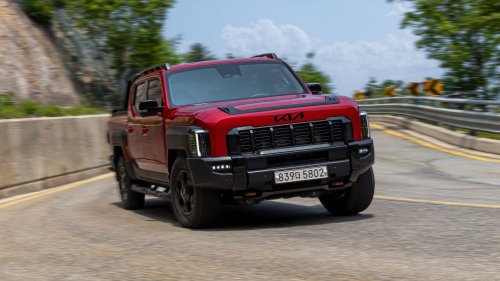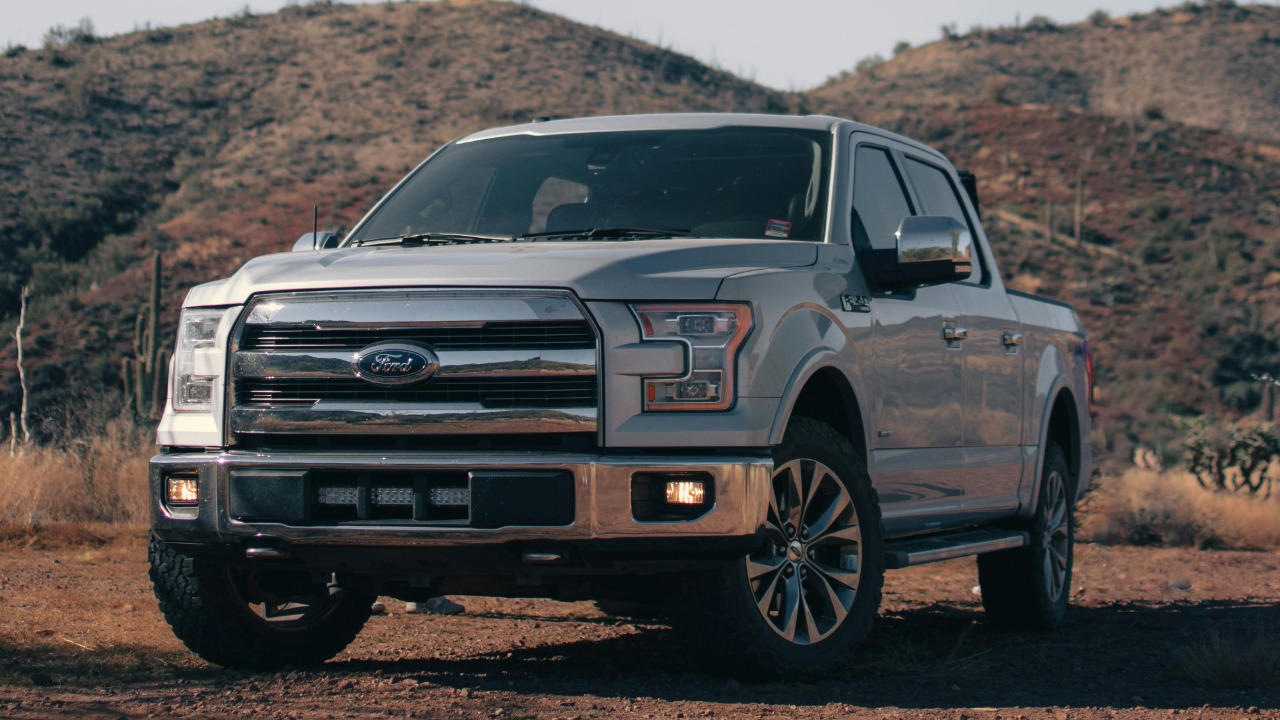



















Why some say the pickup truck luxury boom went too farPickup trucks were once defined by steel bumpers, rubber floors, and the idea that every scratch reflected real work. In recent years, however, the segment has morphed into a showcase for leather-lined cabins, giant touchscreens, and price tags that rival luxury sedans. Critics argue that the push upmarket has exceeded what buyers can afford or use, and that the luxury boom may be undermining the market it was intended to elevate. As prices climb and trucks grow larger and more ornate, a growing share of shoppers are questioning whether the promise of comfort and status justifies the cost. The debate is no longer about whether pickups can be comfortable, but whether the pursuit of premium margins has pulled the segment too far from its roots as an honest tool. The price spiral that redefined “normal” Sticker shock sits at the heart of the complaint that the luxury trend has gone too far. Commentators note that automakers, as one critic said, ‘made trucks expensive,’ leading some customers to step back from the segment, a trend highlighted in a video from April. The average new vehicle price is already over $48,000, yet the average new truck has climbed even higher to over $64,000, effectively turning what was once basic transportation into a near-luxury purchase for many households. Earlier reporting on the evolution of pickups noted that as they transformed into family vehicles, the average truck in the United States sold for almost $50 thousand, a level that was already raising eyebrows several years ago. More recent market analysis suggests that the ceiling is still moving upward, even as demand shows signs of fatigue. A widely cited industry Market Outlook Report from DCG found that Americans may be approaching “peak truck,” with affordability concerns central to that conclusion. The same analysis highlighted that the average transaction price for pickups has pushed into the mid–fifty-thousand-dollar range, narrowing the pool of buyers who can comfortably finance such a purchase without stretching household budgets. When a work tool becomes a financial stretch comparable to a luxury import, critics argue that the market has been reshaped more for quarterly earnings than for long-term customer loyalty. Luxury features that rarely see work Beyond the raw numbers, skeptics point to how these high-priced trucks are actually used. Commentators in one detailed breakdown of modern pickups asked why so many $80,000 trucks cluster in mall parking lots and suburban driveways instead of job sites, highlighting how features such as massaging seats, panoramic roofs, and complex off-road modes often go untouched. The video, posted by Apr, argues that these vehicles have become rolling status symbols, built around image rather than function, and that owners are effectively paying luxury money for capability they rarely need. In that view, the luxury boom has produced trucks that are too nice to scratch, which runs directly against the utilitarian spirit that once defined the segment. Enthusiasts counter that if manufacturers are going to charge luxury prices, buyers should expect luxury-level execution. One creator, again identifying as dec, argues that “if truck brands demand luxury prices we demand luxury,” recounting the experience of a friend who bought a high-trim truck only to encounter build-quality issues that would be unacceptable in a premium sedan. That critique does not attack the idea of a plush pickup outright, but instead questions whether the execution has matched the marketing. In this telling, the problem is not that trucks have become comfortable, but that the leap in price has not always been matched by equivalent gains in durability, refinement, or after-sales support. Design excess and a shifting public mood The luxury push has also reshaped the physical presence of modern pickups, and not everyone is pleased with the result. As designers chased bolder styling and more imposing front ends, trucks grew taller and wider, often with massive grilles and high hoods that signal power more than practicality. On a widely discussed reddit thread titled America Is Falling Out of Love With Huge Trucks, one commenter captured the unease by writing, “I completely agree with you that they do look enormous. Maybe the styling works to add some sort of aggressiveness that makes them look like they want to eat your head instead of the hips.” This sentiment reflects a broader discomfort with vehicles that dominate parking spaces and sightlines, particularly in urban and suburban areas where their size can seem more threatening than practical. Parallel reporting on consumer interest supports the idea that enthusiasm for ever-larger pickups may be softening. One analysis, discovered through a citation trail from a discussion labeled discovered in America Is Falling Out of Love With Huge Trucks Report Reddit, noted that online engagement with big pickups has started to plateau, while interest in smaller trucks and crossovers shows more resilience. The shift does not mean the full-size truck is disappearing, but it suggests that the combination of bulk, aggressive styling, and luxury pricing is no longer a guaranteed crowd-pleaser. As buyers weigh parking headaches, fuel costs, and social perception alongside leather upholstery and chrome, the prestige that once came with the biggest, flashiest truck may be losing some of its shine. Work trucks, freight realities, and what comes next One of the more pointed criticisms of the luxury boom is that it has widened the gap between lifestyle trucks and the vehicles that actually keep goods moving. In freight hauling, where uptime and cost per mile matter more than quilted leather, the focus remains on operating economics. Recent data on refrigerated trucking showed that DAT’s weekly linehaul rate average reached $2.57 per mile, a figure that underscores how professional operators think in terms of revenue and cost rather than cabin ambience. That contrast highlights a core tension: while commercial users obsess over efficiency, retail buyers are being sold an image that often has little to do with hauling or towing. Critics contend that this divergence illustrates how far the consumer pickup has moved from its utilitarian roots. More from Fast Lane Only Unboxing the WWII Jeep in a Crate 15 rare Chevys collectors are quietly buying 10 underrated V8s still worth hunting down Police notice this before you even roll window down