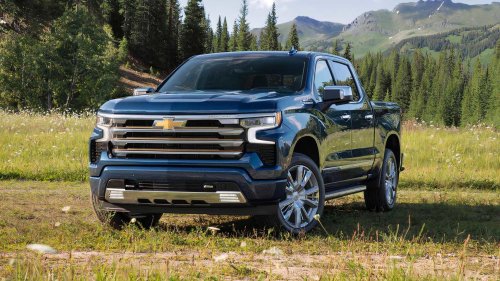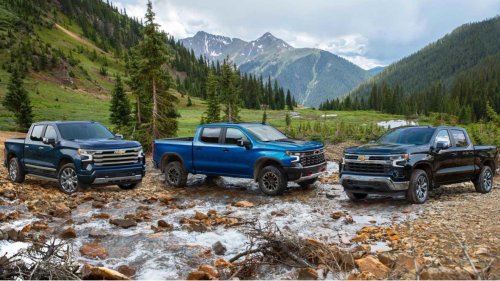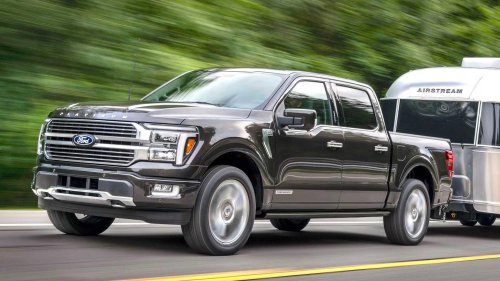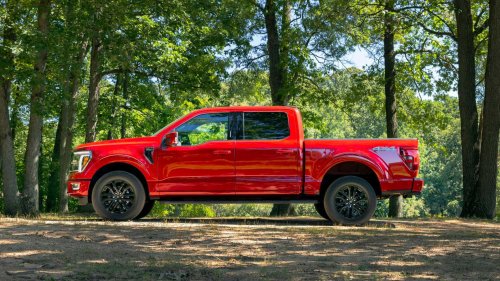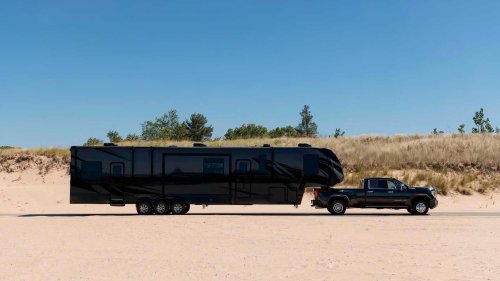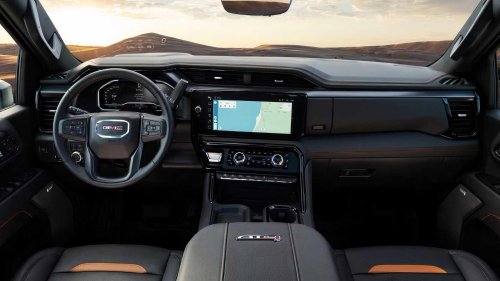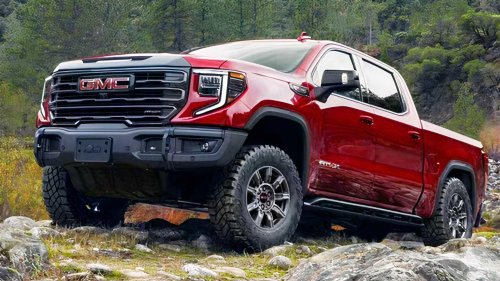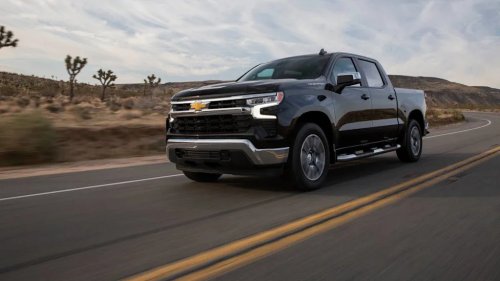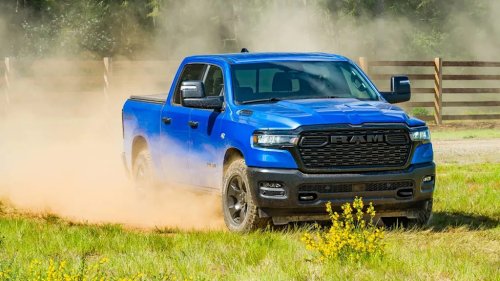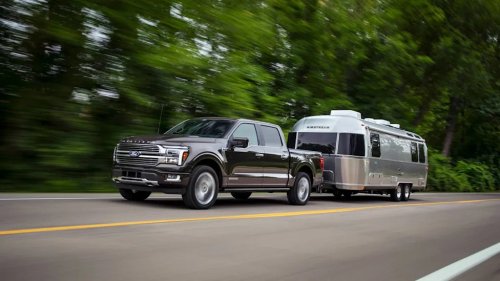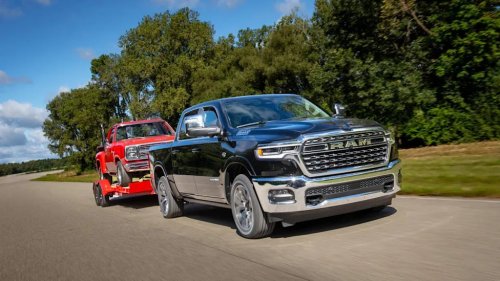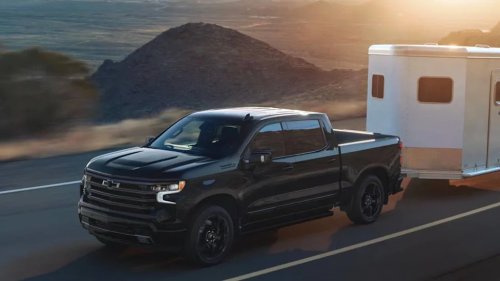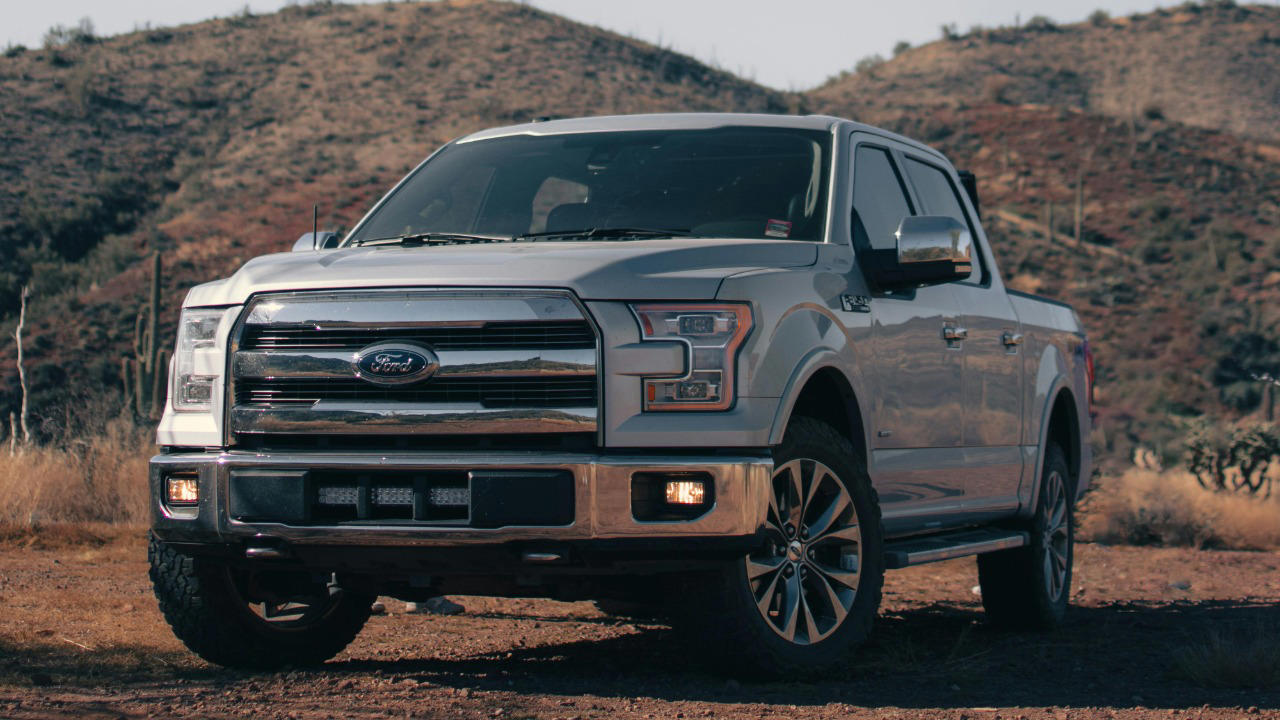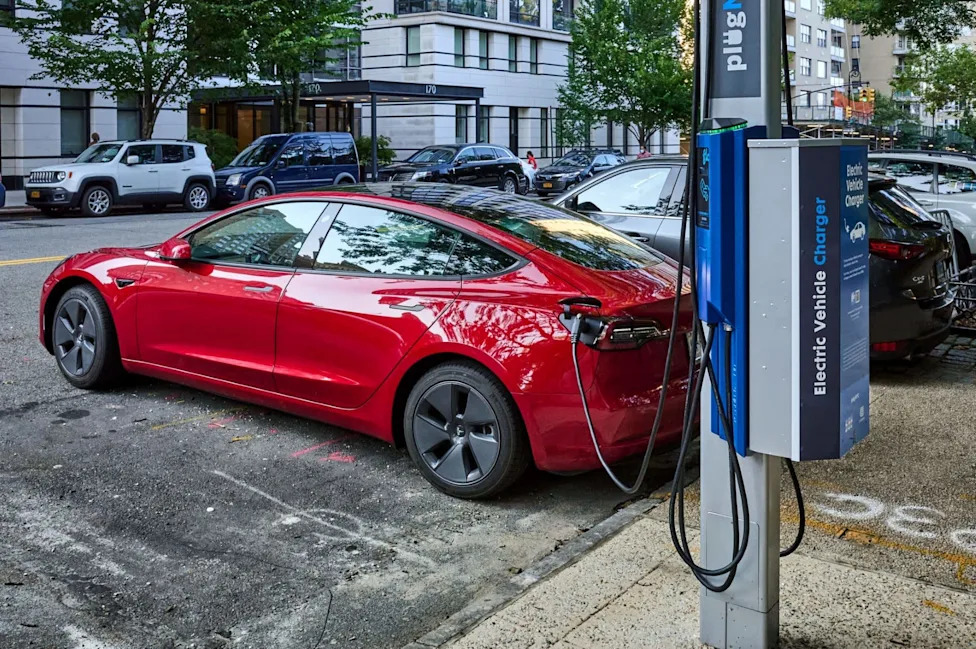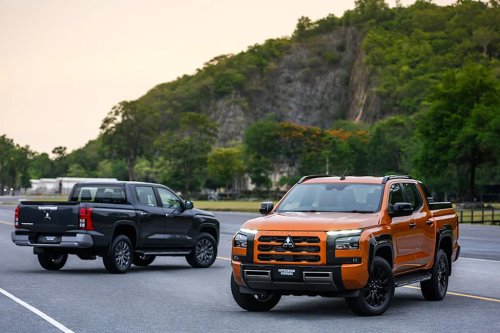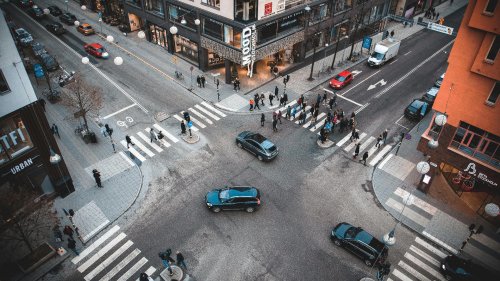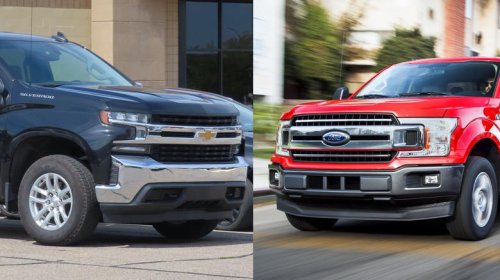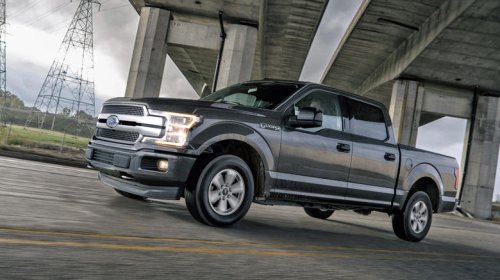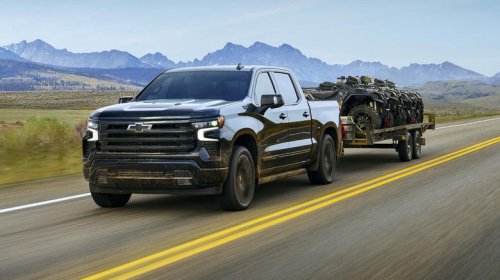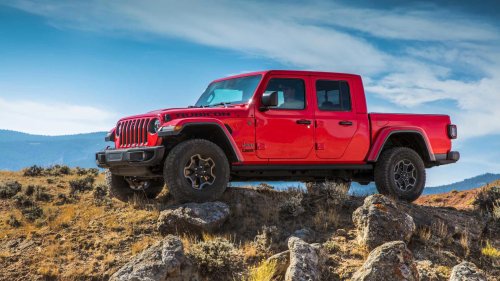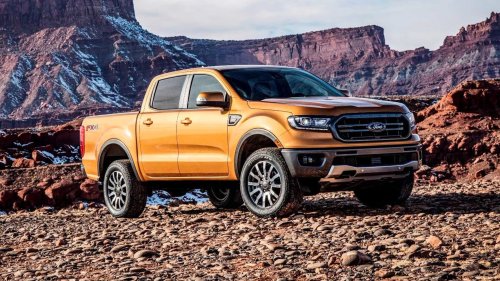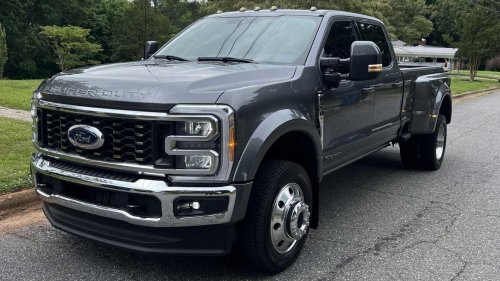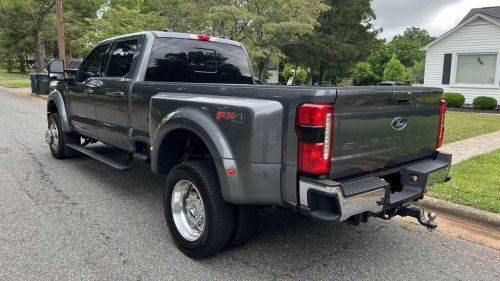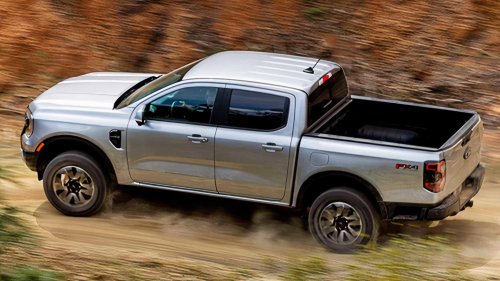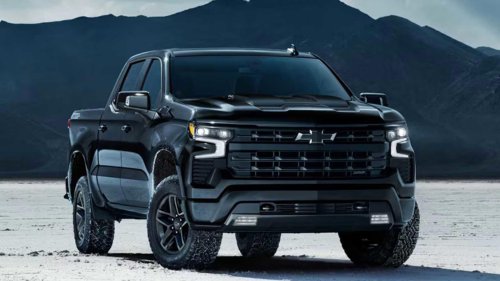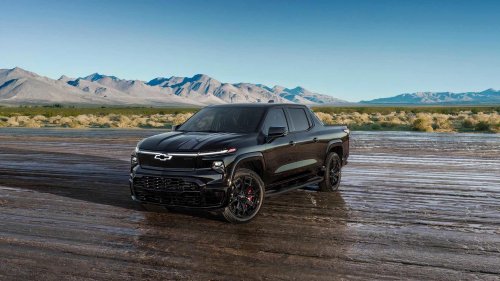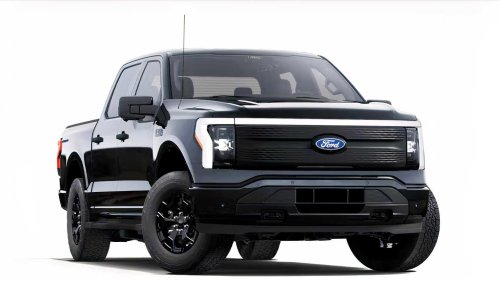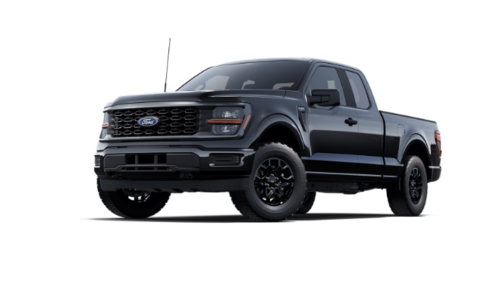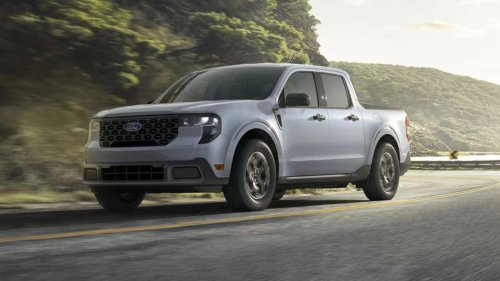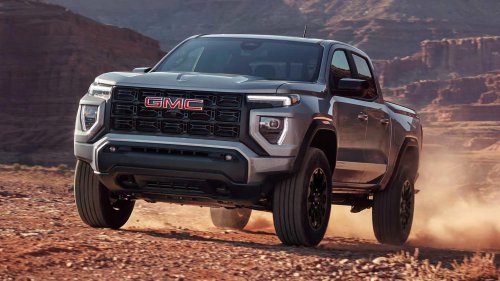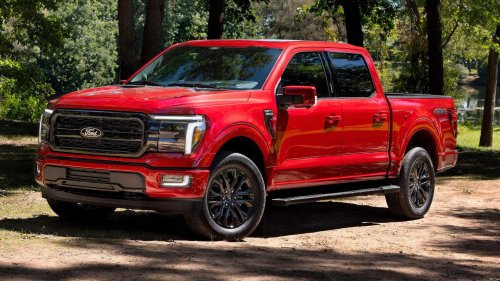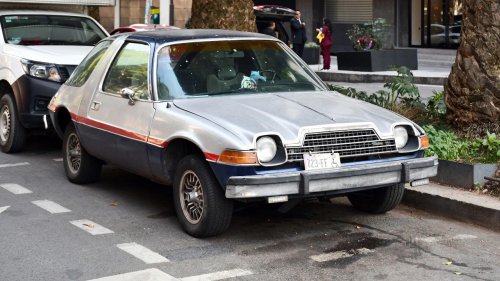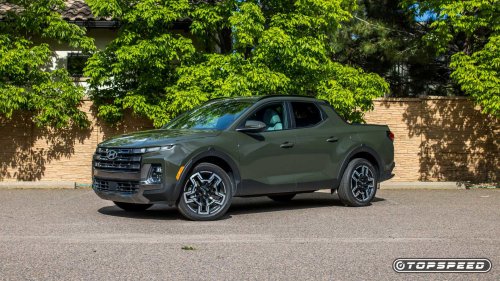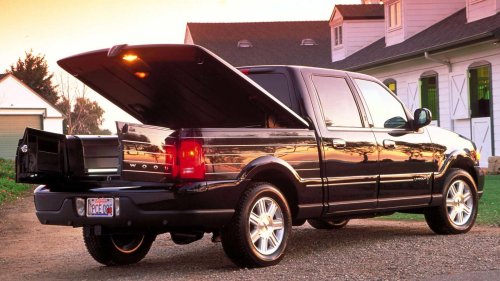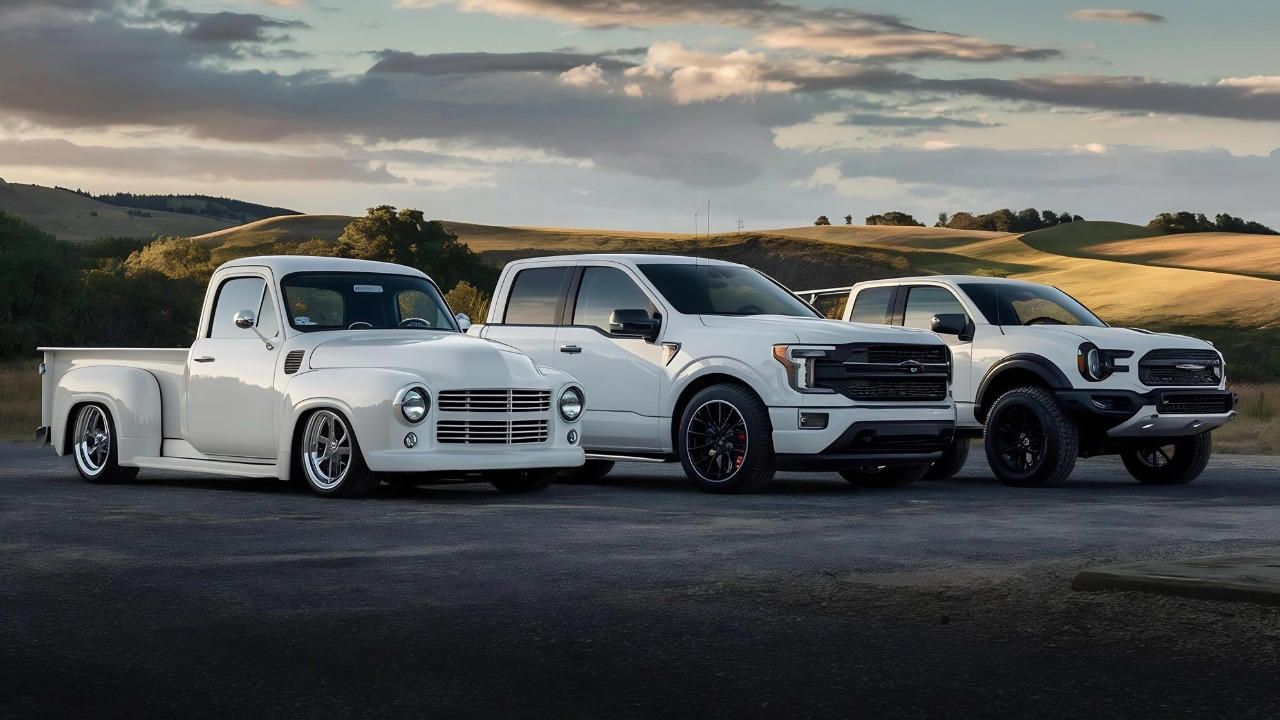



















The pickup truck size debate dividing American driversThe pickup truck has long been an emblem of American culture, evolving from a utilitarian workhorse to a symbol of personal freedom and power. However, as these vehicles grow in size and prevalence, they are sparking a heated debate among drivers about safety, environmental impact, and urban practicality. The Rise of the Gigantic Pickup The story of pickup trucks in America is one of evolution, both in their physical size and their cultural significance. Originally designed as sturdy workhorses for farms and construction sites, pickups have morphed into something of a status symbol. Over the decades, models like the Ford F-Series and the Chevrolet Silverado have not only gotten bigger, but they’ve also become more sophisticated, packed with technology and luxury features. The 2023 Ford F-150, for example, offers a massaging seat option—something unimaginable in the utilitarian trucks of yesteryears. So, why the appeal of these larger beasts on four wheels? For some, it’s about power and status. There’s an undeniable allure to having the biggest, baddest truck on the block. It’s akin to the way muscle cars were revered in the 1960s. Marketing strategies play into this mindset, with ads often showcasing pickups tackling rugged terrains or towing massive loads. For many, a bigger truck is synonymous with “better,” whether that means more room for family adventures or simply a more imposing presence on the road. Safety Concerns and Urban Challenges However, the growing size of pickup trucks hasn’t come without its challenges. Safety experts voice concerns about the visibility issues these vehicles pose. Their elevated stance might offer drivers a view over traffic, but they can also create significant blind spots. In accidents, the sheer mass of these trucks can lead to more severe outcomes for those in smaller vehicles. A study from the Insurance Institute for Highway Safety noted that larger pickups are more likely to be involved in fatal pedestrian crashes, a troubling statistic that underscores the need for more prudent design and driving practices. Navigating these behemoths through crowded urban areas presents its own set of challenges. Parking spaces, designed decades ago, often struggle to accommodate modern pickups, leading to stressful parking situations and even minor accidents. Moreover, their size can disrupt neighborhood dynamics, as smaller streets become harder to navigate and pedestrian safety becomes a pressing concern. It’s not just about inconvenience; it’s about ensuring that our urban spaces remain safe and accessible for everyone. Environmental Impact and Fuel Efficiency The environmental footprint of these larger trucks is something many are beginning to scrutinize more closely. Compared to smaller vehicles or electric alternatives, the carbon emissions from a massive pickup are significantly higher. The average fuel economy of a 2023 Chevrolet Silverado is around 17 MPG, a far cry from the efficiency offered by smaller cars or electric vehicles like the Tesla Model 3, which can reach over 130 MPGe. Government regulations have tried to keep pace with these changes, setting fuel efficiency standards that automakers must meet. However, the largest pickups often find loopholes due to their classification as “light trucks.” This regulatory oversight has sparked debates about the fairness and effectiveness of such standards. Incentives for electric and hybrid models are slowly beginning to shift the landscape, with electric trucks like the Rivian R1T and the upcoming Tesla Cybertruck promising to blend power with sustainability. Consumer Preferences and Lifestyle Understanding who buys these large pickups and why is crucial to this debate. Demographics play a big role—many pickup owners hail from rural areas where the utility of a truck is undeniable. Whether it’s hauling equipment for a farm or towing a boat to the lake, the functionality of a pickup is clear. In contrast, urban buyers might lean more towards the aesthetic and status aspects, drawn by the rugged charm and perceived power of a large vehicle. The cultural significance of trucks also varies between rural and urban settings. In rural America, a pickup is almost a rite of passage, a symbol of self-reliance and hard work. In cities, it might represent adventure, a weekend escape from the hustle and bustle. However, owning such a large vehicle comes with drawbacks, particularly for city dwellers who find parking and maneuvering through tight streets challenging. The Future of Pickup Trucks As we look to the future, it’s clear that the automotive industry is on the cusp of significant change. Innovations in design and technology are steadily addressing the challenges posed by oversized pickups. Automakers are investing in features like advanced driver-assistance systems (ADAS) to improve safety, while also exploring more compact designs that retain the utility of a pickup without the bulk. Electric and hybrid pickups are at the forefront of this transformation. The Ford F-150 Lightning, for example, is an electric version of the classic F-150, offering impressive torque and the ability to power a home during an outage. These vehicles are not just novelties; they represent a significant shift in how consumers think about trucks and sustainability. As battery technology improves and charging infrastructure expands, electric pickups might become the norm rather than the exception. Predicting the future of pickup trucks in a rapidly changing automotive industry is no easy feat. However, one thing is certain: the pickup truck will continue to be a major player on American roads, evolving alongside consumer needs and environmental demands. Whether it’s through innovations in electric technology or new design philosophies that prioritize efficiency and safety, the future of pickups is poised to be as dynamic as their storied past. More from Fast Lane Only Unboxing the WWII Jeep in a Crate 15 rare Chevys collectors are quietly buying 10 underrated V8s still worth hunting down Police notice this before you even roll window down