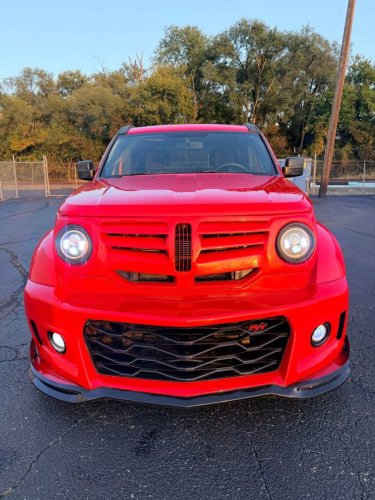
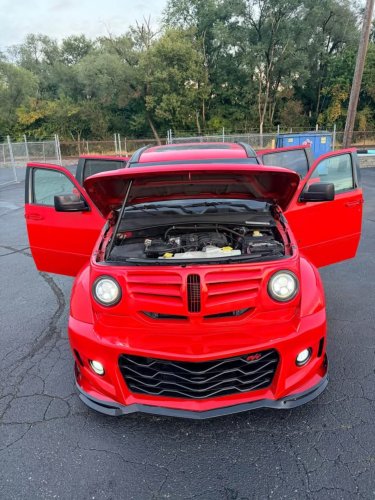
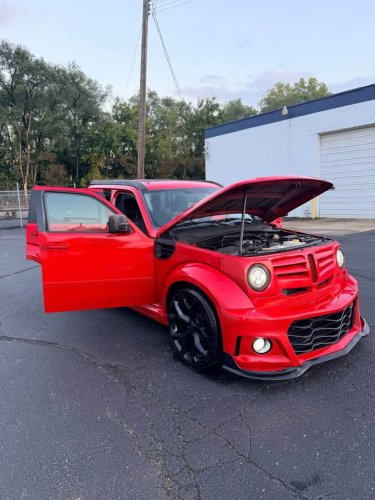
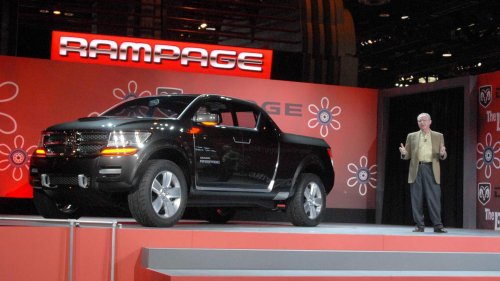
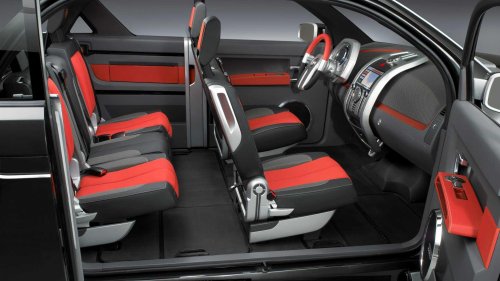
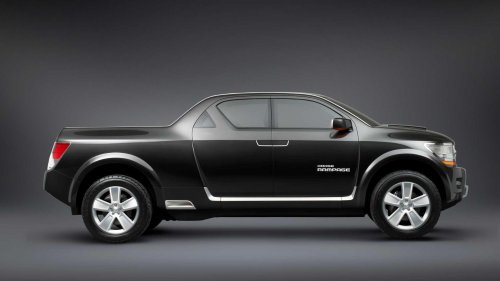
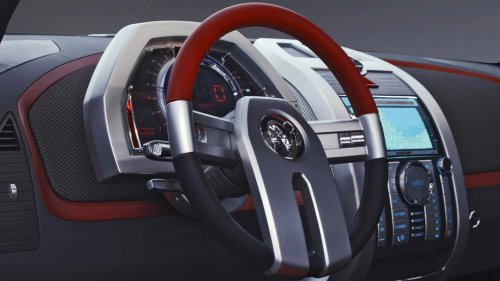
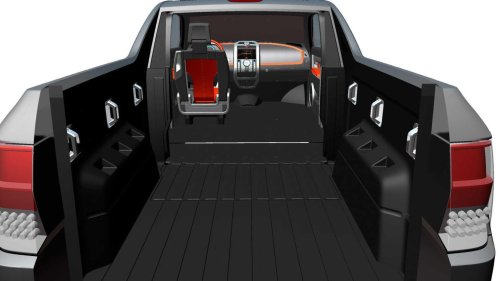
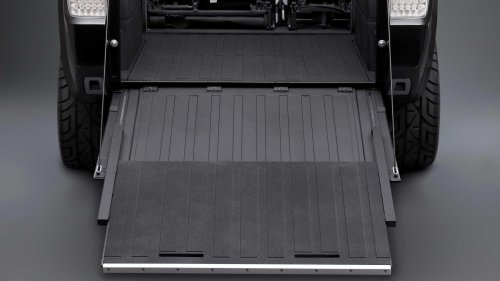
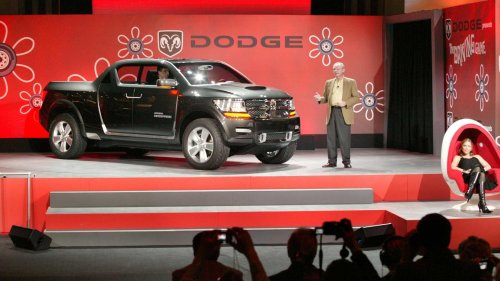
Jump LinksDodge Rampage Key PointsFeaturesWhen it comes to minivans, we have to thank Dodge, along with Chrysler as a whole, for popularizing them back in the mid 1980s. Before the introduction of the Dodge Caravan and Plymouth Voyager, most American families carted themselves around in gigantic, gas-guzzling station wagons. These metal hulks were basically full-size sedans with an extended roofline and often with an extra row built in, along with a rear hatch for easy cargo storage. A modern incarnation of the Dodge Caravan lives on in today's Chrysler Pacifica.Dodge also made the popular Ram Pickup, and while it was forced to live in the shadow of other trucks such as the Ford F-150 and the Chevrolet C/K Series, it was still a venerable truck in its own right. Today's Ram 1500 and HD trucks count among America's top sellers. Perhaps those reasons made up Dodge's mind to combine both the versatility of a minivan with the work/play abilities of a pickup truck into a unique, one-off concept called the Doge Rampage. While it never went on sale, the Rampage is an integral part of Dodge's history. The Dodge Rampage: A Pickup Truck For Families Dodge Dodge Rampage Key Points Built in 2006 Unveiled at the 2006 Chicago Auto Show Combined both a pickup truck and a minivan Utilized a front-wheel drive drivetrain When we think of vehicle segment mashups, things like a car/pickup truck come to mind, such as the ute, which is widely popular in Australia. However, combining a pickup truck and a minivan probably never crossed most vehicle designers' minds. The thing is, the designers over at Dodge in the mid-2000s were taken with the idea, and work began on the Dodge Rampage, the first minivan-pickup truck combination in modern memory.DodgeThe Rampage concept was, reportedly, aimed at buyers who wanted the utility of a pickup truck, but weren't too keen on actually owning one. According to Scott Krugger, a designer tasked with sculpting the Rampage concept's exterior: "The Rampage was designed as a truck for people who aren't into trucks. More of a nontraditional truck buyer." The sort of person who the Rampage concept was designed for sounds a lot like the ones interested in the Honda Ridgeline, a slightly non-traditional truck currently in production and enjoying modest success. How The Rampage Concept Would Have Gotten Itself About DodgeUnfortunately, because the Rampage concept was never seriously considered for production by Chrysler's top brass, we never got to see concrete powertrain specs. However, we do know that the Rampage concept's engine bay was designed to be big enough to accommodate Chrysler's 5.7-liter Hemi V8. It was also slated to feature front-wheel drive, an odd choice for a pickup truck-like vehicle that could accommodate the Hemi V8.On top of the prospective Hemi power, the Rampage concept also took advantage of a five-speed automatic transmission. Both its front and rear suspension setups were slated to be fully independent. This meant the Rampage concept would ride more comfortably than most other pickup trucks for sale on the American market at the time.DodgeThe Rampage concept's 5.7-liter Hemi option would have featured Chrysler's then-new Multi-Displacement cylinder deactivation system. The technology was the first modern variable engine-displacement feature to be designed by Chrysler, and had seen its first implementation just a year prior to the Rampage concept's Chicago Motor Show debut in 2006. Models such as the Chrysler 300 and the Dodge Charger were the first to receive it. Features DodgeThe Rampage concept was a pickup truck first, and a people-carrier second. Its cargo bed was, reportedly, five feet long, and featured multiple tie-down points in order to maximize the Rampage concept's cargo-carrying capability. The front doors opened normally, but the rear doors were mounted on sliders to create a cavernous interior with no B-pillar. This provided easy access to the inside.Inside its cabin is where the minivan aspect came into play. The concept was built to support Chrysler's Stow-N-Go seating, meaning each seat could be folded right down into the floor in order to make functional room for cargo.Dodge The Rampage concept had one more cargo-carrying trick up its sleeve. Its rear window was detachable, and its rear wall, or "midgate", was removable. If you removed that midgate, it created a complete uninterrupted pass-through, straight from the truck's tailgate to the dashboard, with only the driver's seat remaining upright. A similar system was seen on the Chevrolet Avalanche/Cadillac Escalade EXT. A loading ramp was also built right onto the Rampage concept's tailgate, making ATV or dirt bike loading a breeze. Why The Rampage Concept Never Saw Production DodgeAfter the Rampage concept's 2006 unveiling, Dodge was gearing up for a slew of excited order requests. Many times, when a new concept is unveiled, car companies are over-inundated with deposit requests and phone calls from journalists asking when the thing is going to go into production. However, in the Rampage concept's case, the excitement simply wasn't there, at least nowhere near the level Dodge was anticipating.Because of this, questions quickly began to arise regarding the Rampage's projected market viability. It seems the Rampage concept just didn't excite pickup truck buyers enough, and the families simply didn't want a pickup truck with seating for only five. Couple these downsides with a simple lack of liquid capital at the executive level at Chrysler, and it meant the Rampage concept project was shelved indefinitely.Sources: Dodge, Stellantis.



















 +15 others