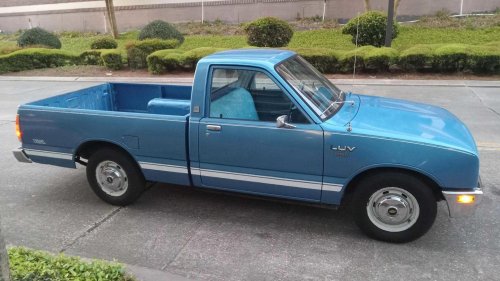
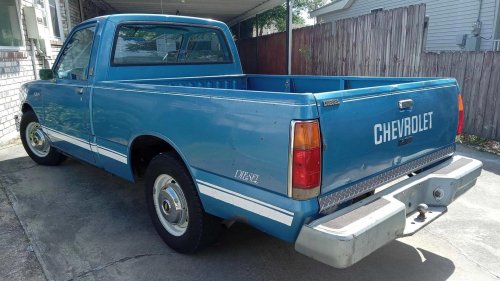
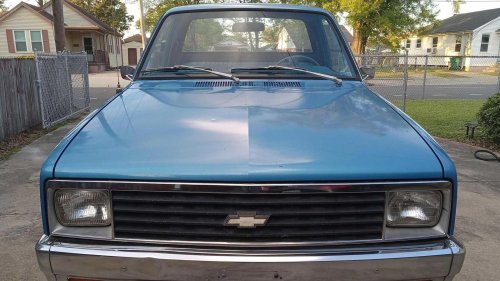
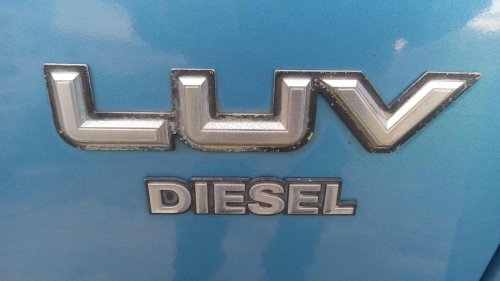
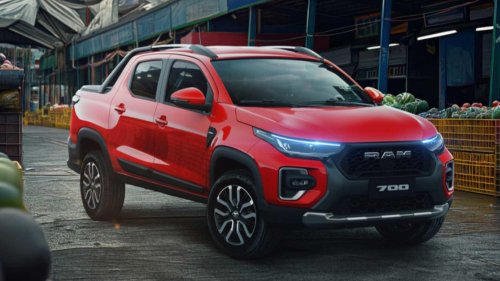
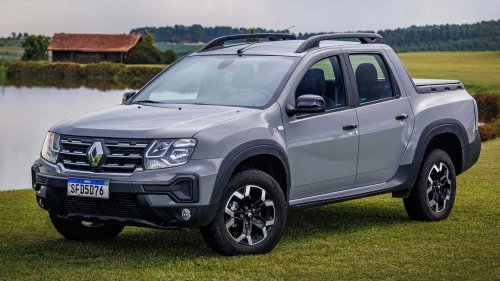
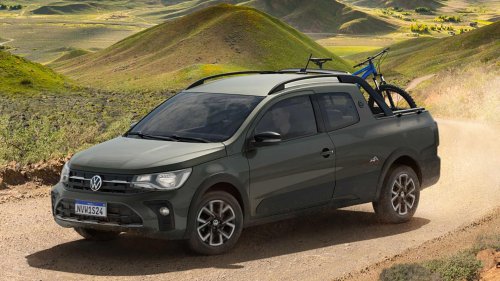
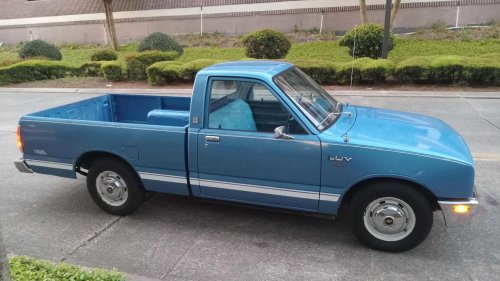
Drive next to a towering Ford F-150 or Chevrolet Colorado today, and no-one would bat an eyelid about the sheer size of these trucks. We've become accustomed to them. But back in the 1970s, there was a whole new class of mini-trucks emerging, bolstered by the Oil Crisis and their good value for money.One of these is a small little Japanese truck, originating from Isuzu but branded in America as a Chevrolet. And it had the most bonkers of names for a workhorse - the LUV. Even if the acronym had a functional meaning (Light Utility Vehicle), one can't help but think that someone in Tokyo must have had a sense of humor to bring a mini-truck to the States, going by the name of the LUV. But it happened, and the Isuzu/Chev LUV received some real love from the American car buying public.The Chevy LUV was marketed in the United States for over 30 years, spanning four generations. This article focuses on the popularity of the first two generations. From Japan, With LUV Cars and BidsYou may be right that today's trucks are more SUV-like and, heck, even family-car-like for some European brands, so luxurious and full of touchscreen gadgets and gizmos their interiors have become. They don't drive bumpy and noisy like the truck your dad used to have. These new trucks are all quiet, efficient and comfortable, compared to the workhorses of yesteryear.But it wasn't always like that. Some sixty years ago, in the 1960s, Toyota and Nissan saw a gap in the market for their small pickup trucks. When the 1970s rolled in, and the Oil Crisis started to bite, Detroit woke up and found itself unrepresented in a growing segment of the truck market they never even knew had existed. Then Chev phoned a friend in Japan Cars and Bids Chevrolet had a foot in the door thanks to its stake in Japanese automaker Isuzu. The Japanese company already has a mini-truck in its domestic market called the Faster (yes, that's what they call their not-so-very-fast mini-truck). Chev could, in theory, ship it to America and sell it here, but a hefty 25% import tax put a damper on the Faster becoming a fast-seller. This conundrum was circumvented in a nifty way by shipping the chassis and body parts separately to the States, from where Detroit would assemble them locally.The first models came on the market in 1972, and were branded the Chev LUV, for Light Utility Vehicle. The LUV was as basic as you could get when it appeared. It had a 1.8-liter engine, a four-speed manual gearbox, a compact wheelbase of 102 inches, and a 1,100-lbs cargo capacity. Basic as it was, it was affordable, fun to drive and easy to work with. It was a real lightweight workhorse, and it gave Chevrolet the gap it needed to go and design its own model in the meantime. Spreading The LUV Cars and Bids Quick facts about the LUV First appeared in the US in 1972 Rebadged Isuzu Faster LUV - Light Utility Vehicle Total sales: 462,000 Succeeded by Chevrolet S-10 From missing the initial wave of mini-pickups, Chevrolet quickly not only gained ground, but eventually took the lead in the segment with massive sales for the first two generations of the little LUV. And it did so by using its domestic market knowledge which the Japanese didn't have. Since launching the LUV in 1972, it took them only a handful of years to start developing the range, offering customers first a three-speed automatic and front disc brakes in 1976, and then four-wheel-drive and a chassis-cab version of the truck.Two bed lengths were also offered before the turn of the decade, giving buyers the choice of either a 6- or a 7.5-foot bed length. The four-pot also got upgraded with five horses, and a styling tweak in 1978 gave the LUV a more modern, cleaner look with the quad headlights trimmed down to two. Suddenly, sales started to rocket Cars and Bids Chevrolet also only started marketing the LUV in areas where it knew buyers already had an affinity for mini-size pickups. Sales took off, shooting up from just over 20,000 in its first year all the way to a peak of more than 100,000 in 1979. By 1981, when the second generation came around, Chev had shifted a mighty 462,000 units in total. Not bad for a market segment no-one saw coming a decade ago. What Other Mini-Trucks Are Out There? Fiat Strada Ram Apart from the Ford Maverick and the Hyundai Santa Cruz, there's not much else around these days if you're looking for a pint-sized pickup truck. In South America there's the similar-sized Fiat Strada, which is also branded as the Ram 700 in some markets, and doing really well on the sales front in Brazil and Argentina. The second-generation was introduced in 2020 and comes in both single and double cab versions. Renault Oroch Renault Looking towards Europe, the Renault Oroch is a great-looking lifestyle pickup based on the Dacia Duster's chassis. It features a double cab design with a modern exterior and driver-orientated cabin. A more lifestyle-focused pickup, again from South America, is the Fiat Toro. The Toro is a double cab with a nifty load bay design, where you can open the lid horizontally like two cupboard doors, plus a big lid for the top which hinges at the cabin side. Volkswagen Saveiro Volkswagen Another South American-specific model is the Volkswagen Saveiro, which is currently only available in a single cab version. The Saveiro is compact and much more of a workhorse than a lifestyle vehicle. Conclusion Cars and Bids It's not always that a manufacturer who has fallen behind a new trend, catches up quickly and eventually overtakes its opposition. But this is what Chevrolet did fifty years ago, by knowing its customers and how to give them what they wanted. Small panel vans may have killed the need for a small pickup, but decades ago they were the real workhorses of the light industry.



















 +79 others