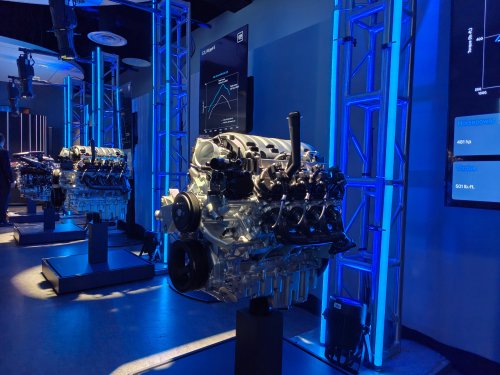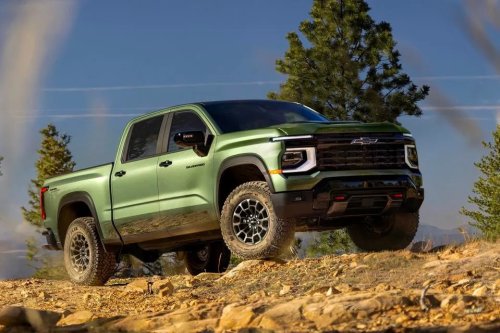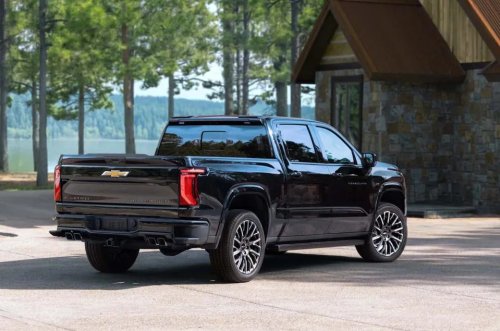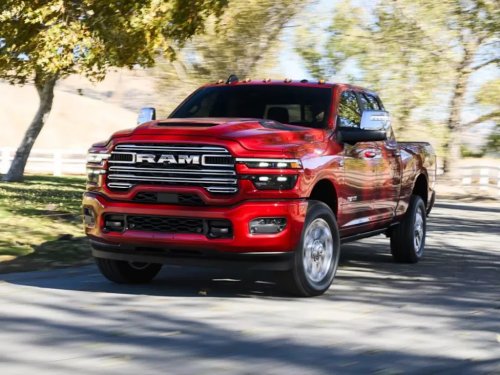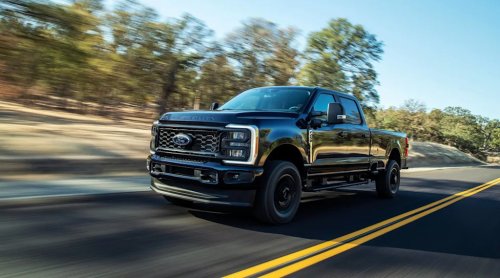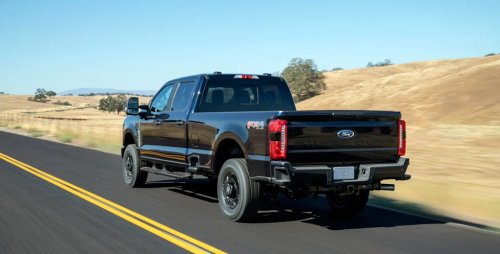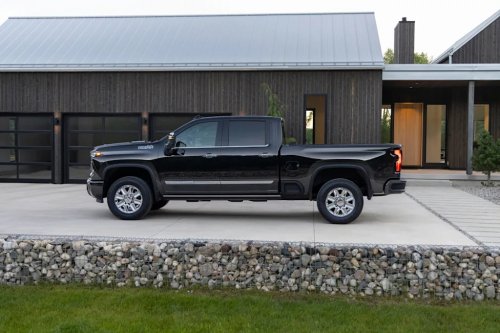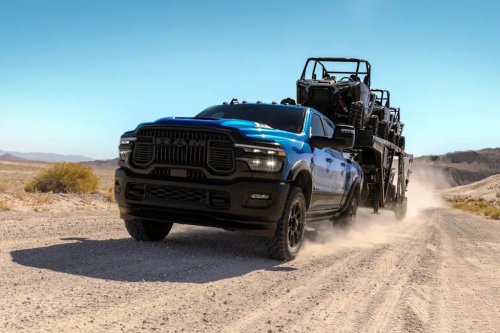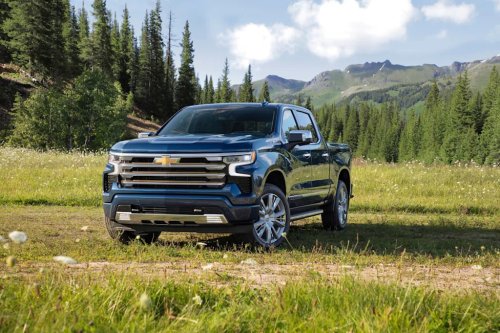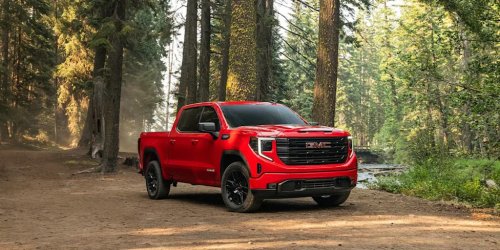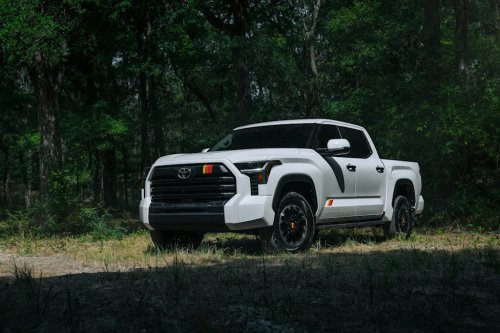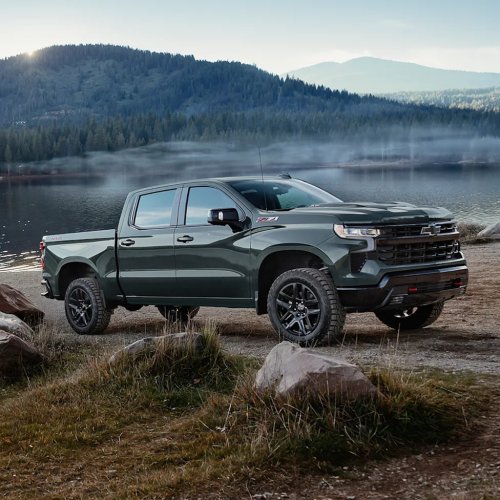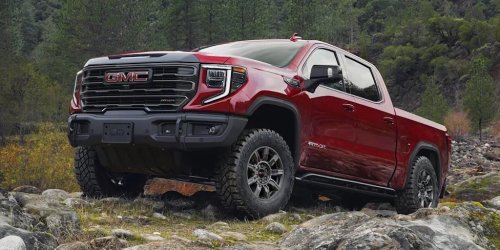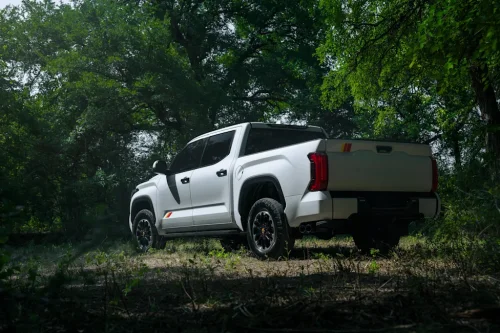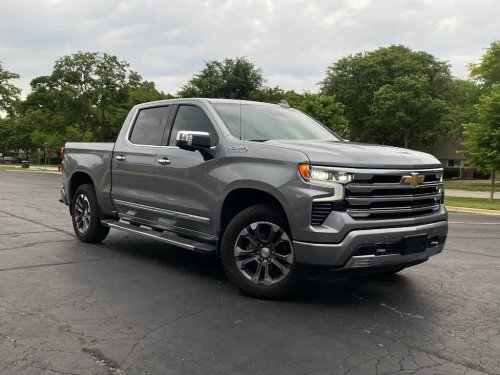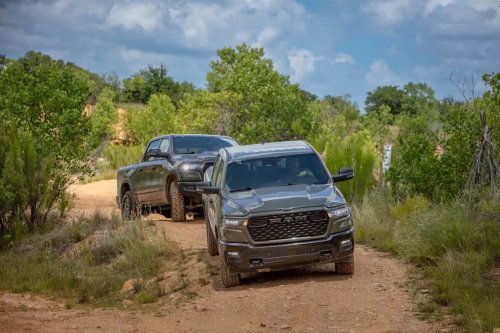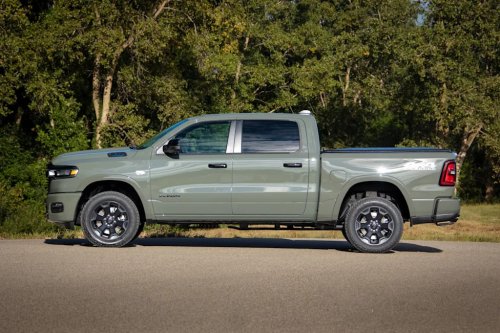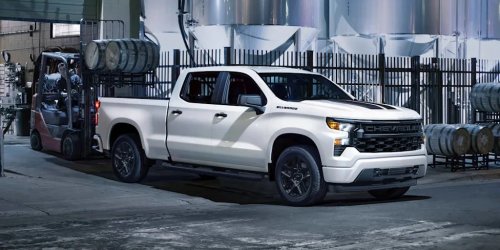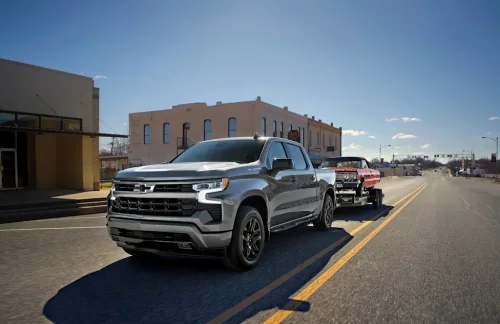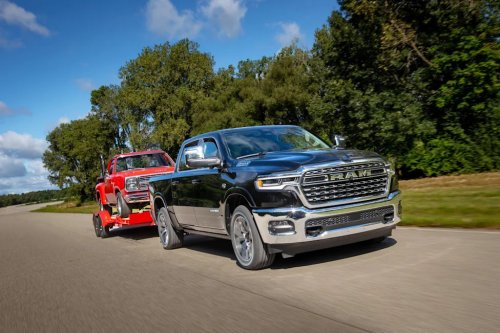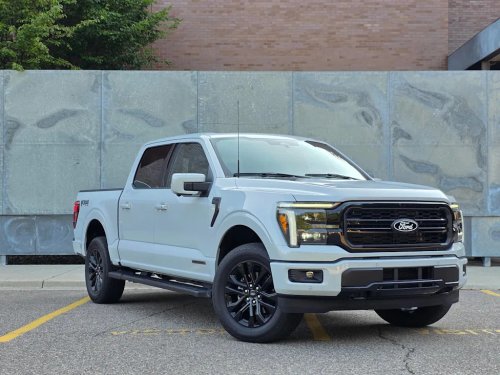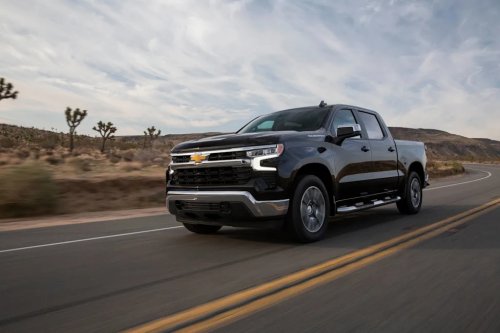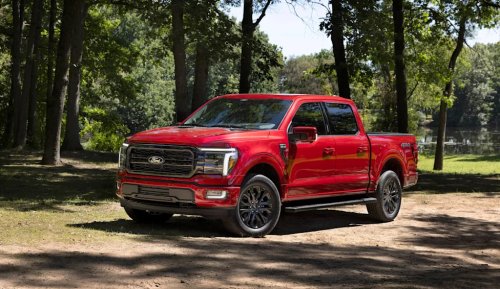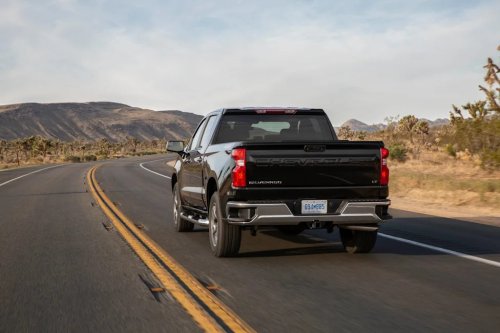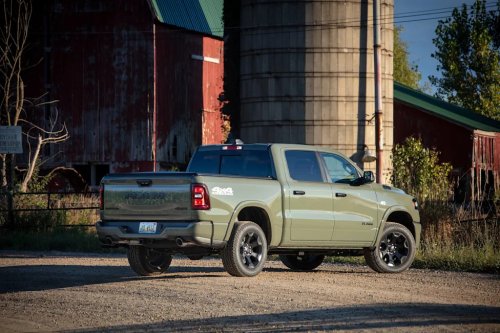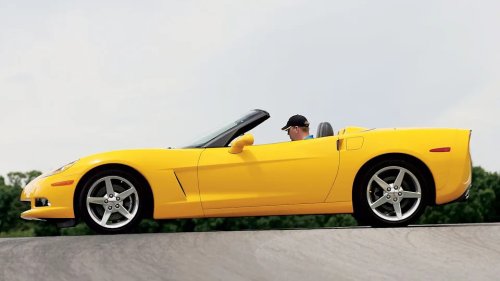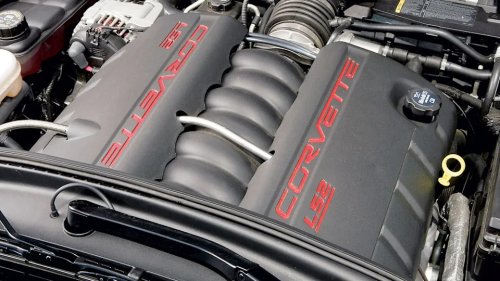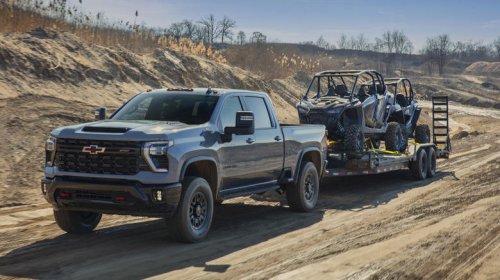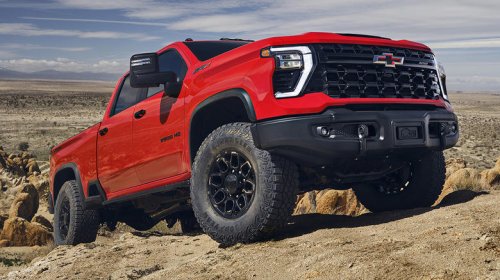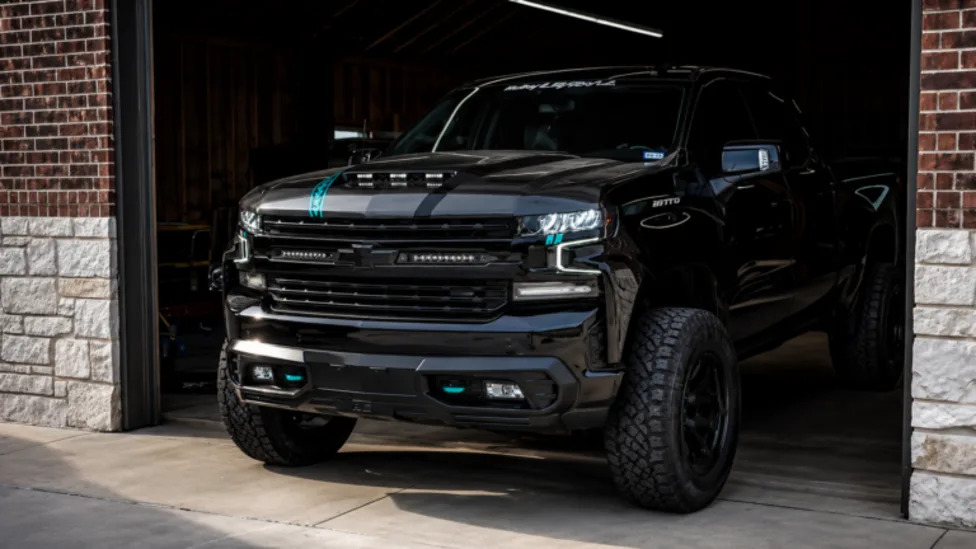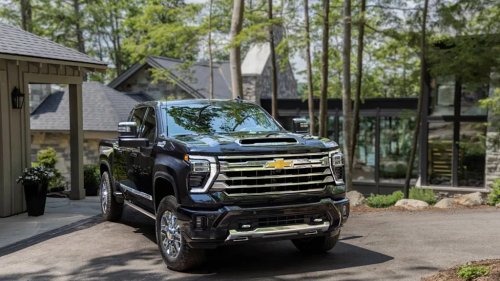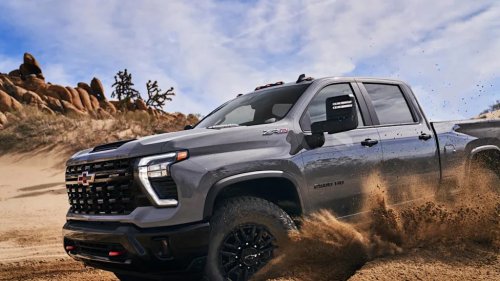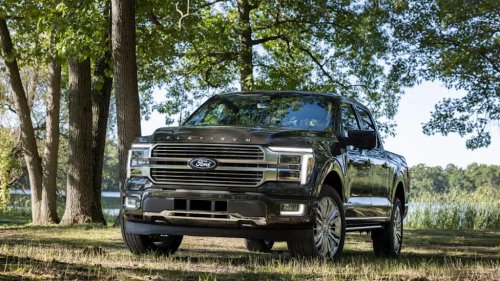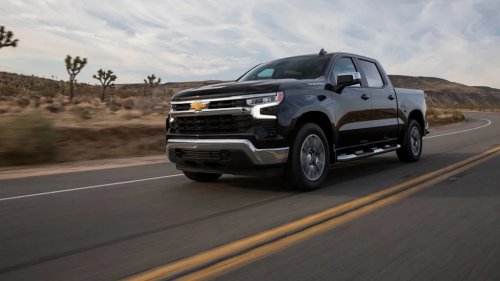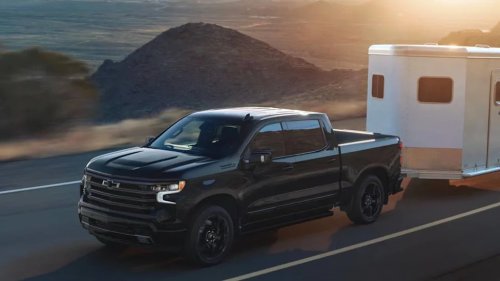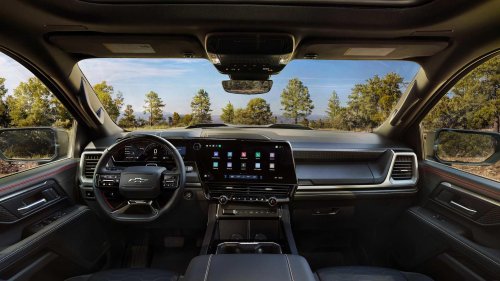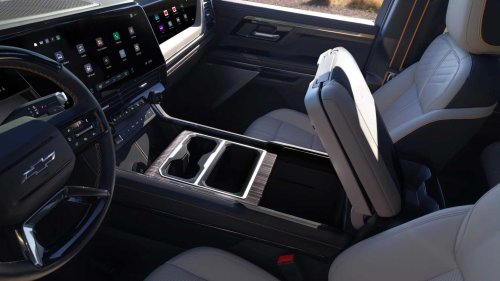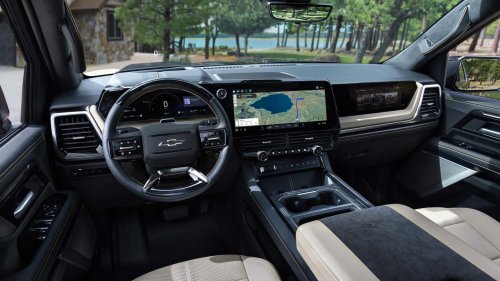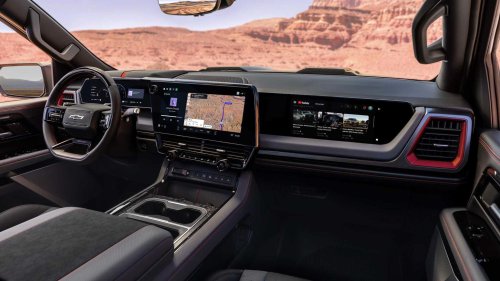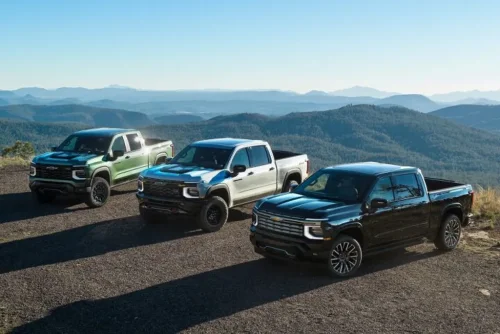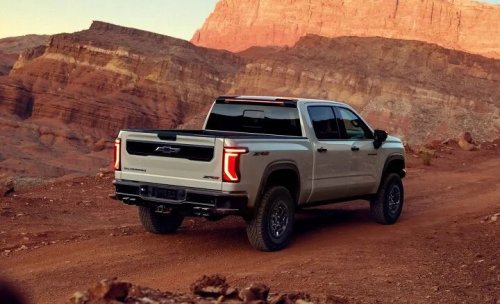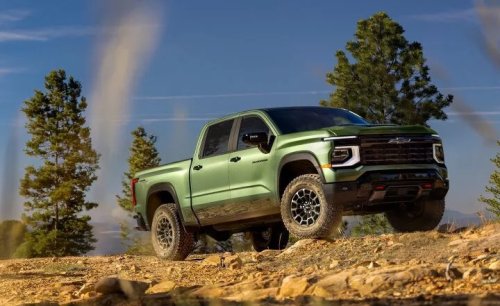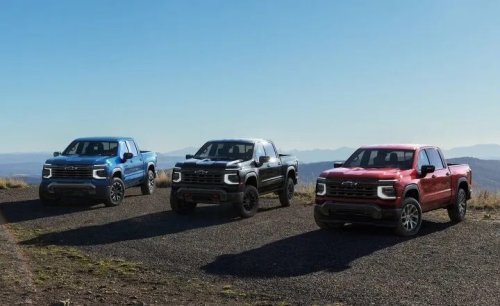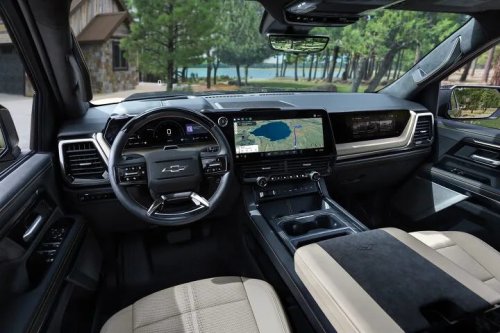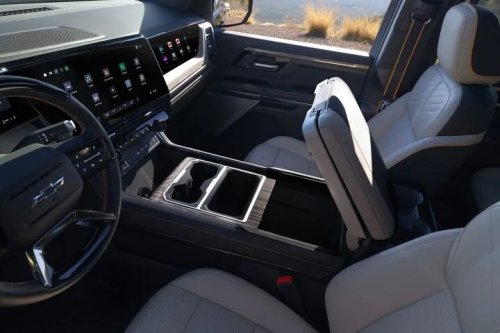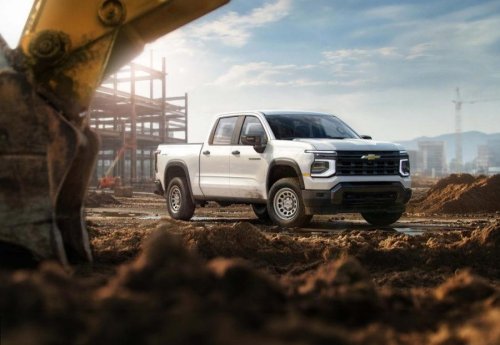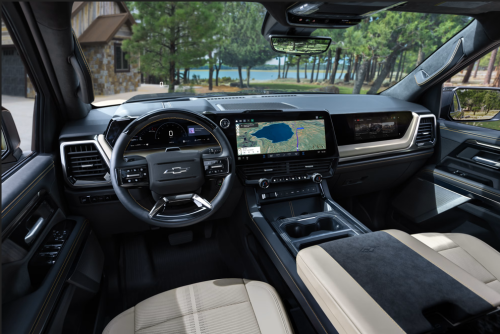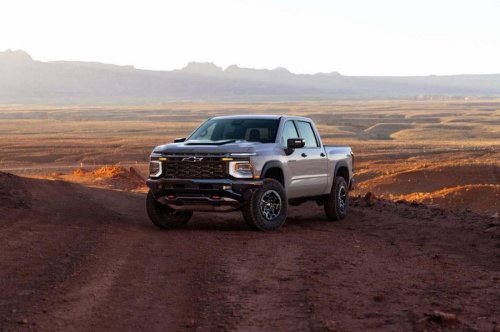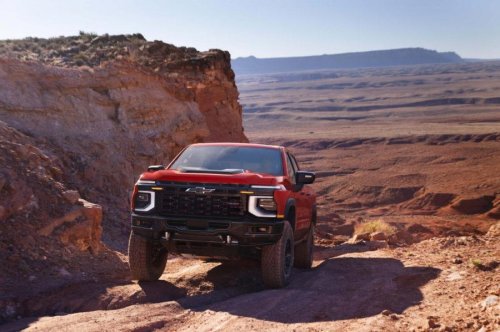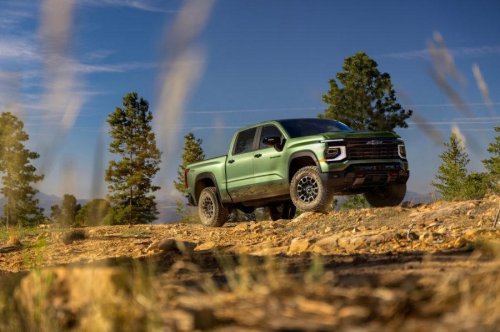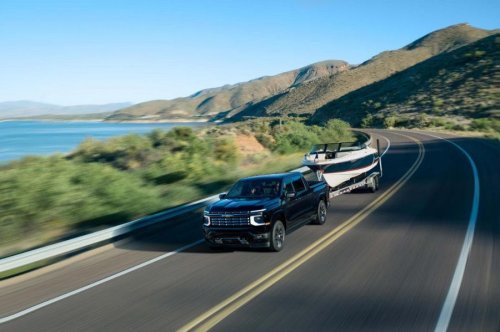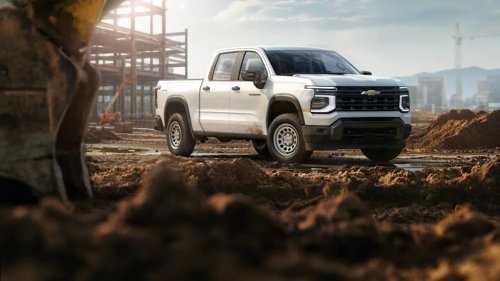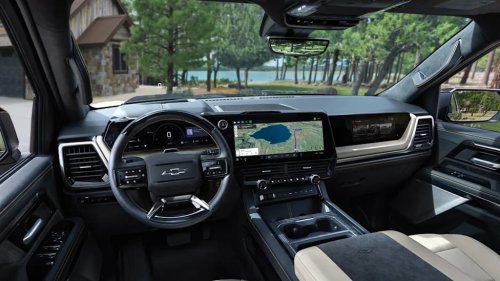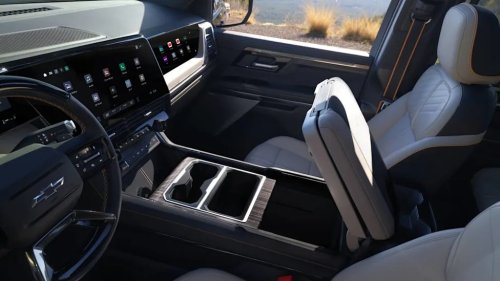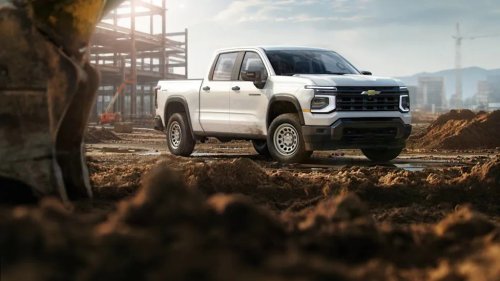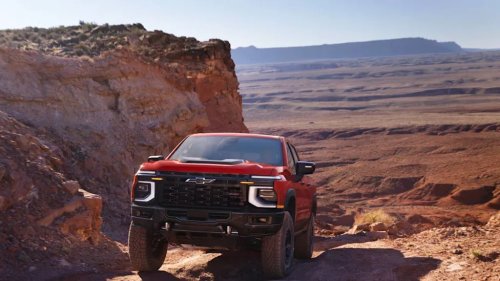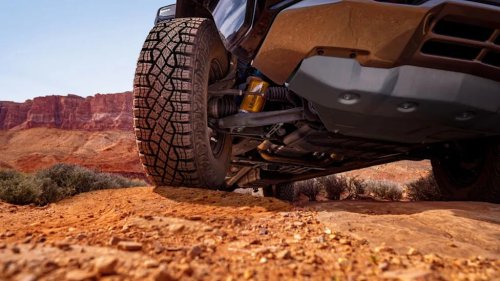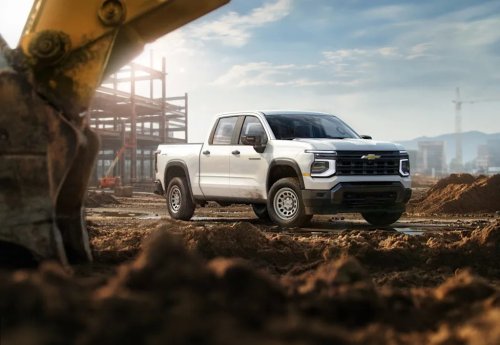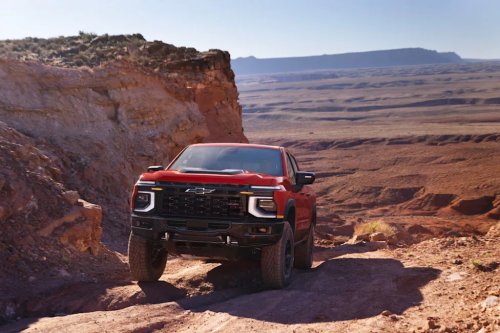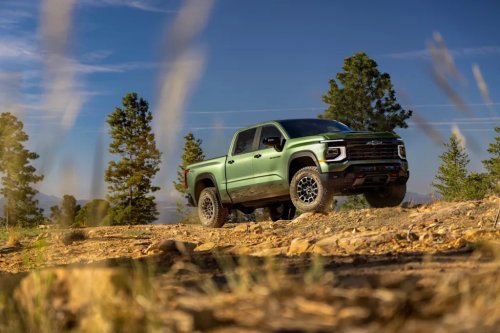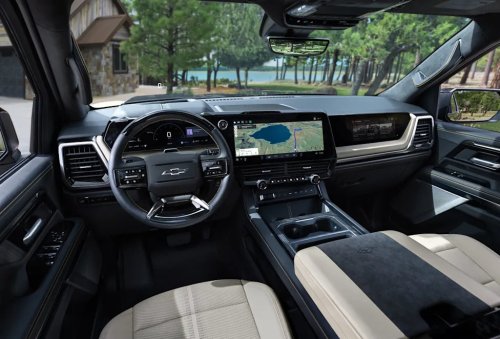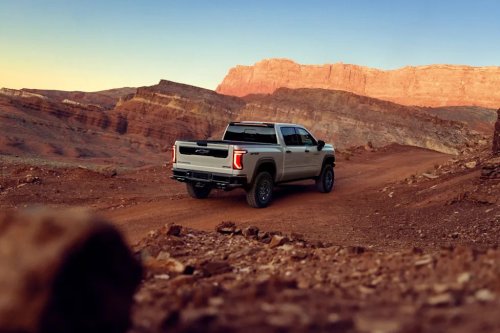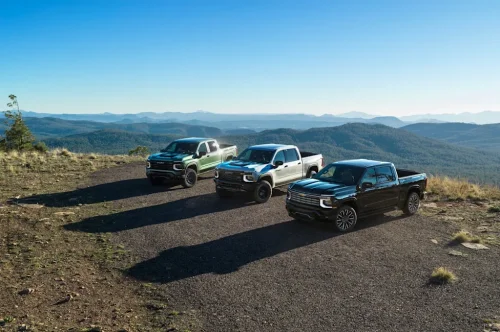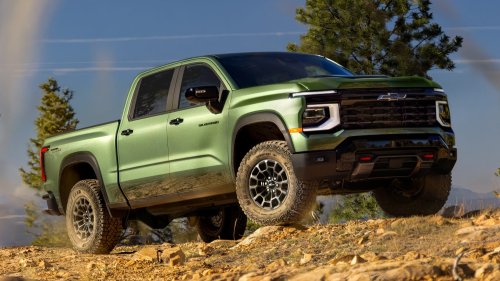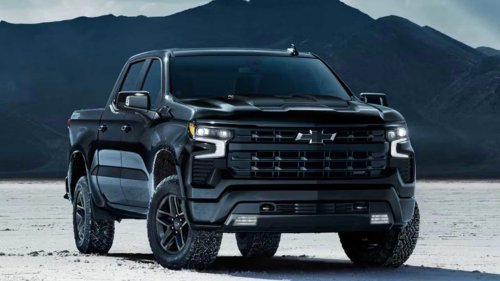
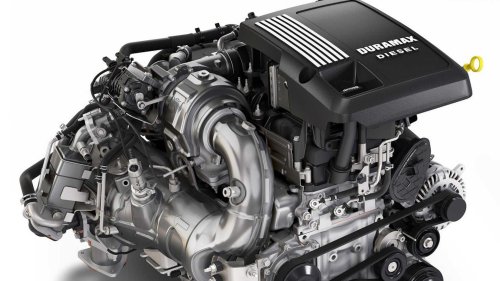
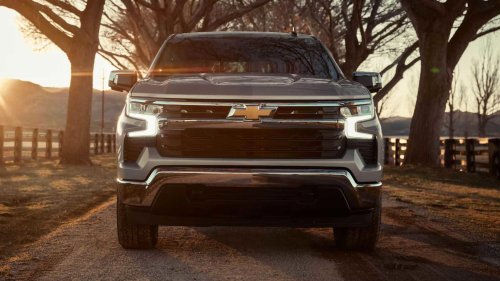
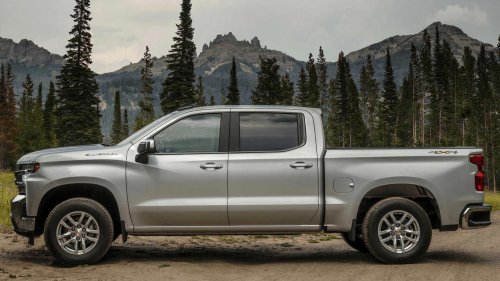
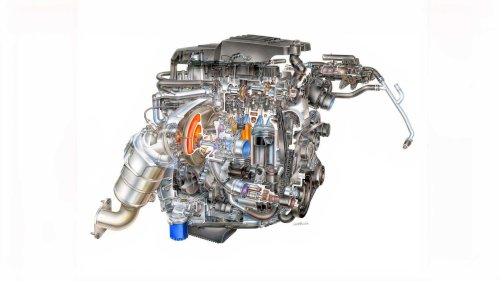
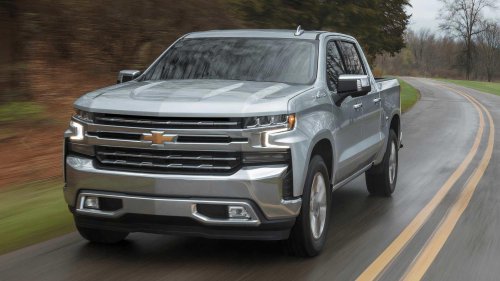
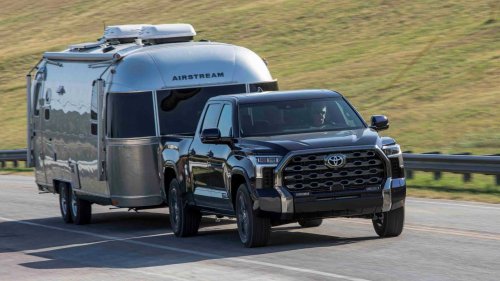
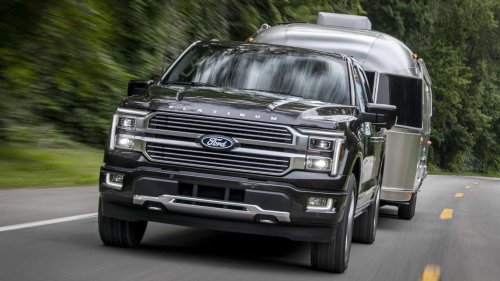
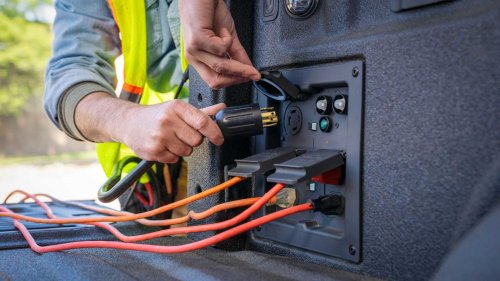



















Just what is the cheapest diesel-powered pickup truck you can buy in 2026? It's not the Jeep Gladiator, whose EcoDiesel engine was discontinued after 2023. Ram discontinued use of the 1500 EcoDiesel V6 engine that same year. Two years earlier, in 2021, Ford dropped the F-150 PowerStroke, complete with a turbodiesel V6 engine, to make way for the incoming new F-150 PowerBoost hybrid (which we'll be visiting a bit further down the page).This leaves the usual heavy-duty diesel contenders like the Ford F-Series Super Duty, Ram 2500HD, and Chevrolet Silverado 2500HD, the cheapest of which is the Chevrolet. Specifically, the big 6.6-liter Duramax V8 (one of America's largest) can be dropped into a bare-bones work truck model with rear-wheel drive from $55,890. A little cheaper still? The 2026 Chevrolet Silverado 1500 with Duramax turbodiesel straight-six engine.This is the cheapest brand-new diesel-powered pickup you can buy in the USA, and it's the very last of its kind. As of the 2026 model year, it's the only light-duty pickup truck on the scene offering a diesel engine. Below, we'll look in detail at what diesel power brings to the package, and an alternative worth considering if you're not set on diesel power, but don't want a V8, either. The Cheapest Diesel Truck In 2026 Is The MPG Leader In Its Family ChevroletThe Silverado 1500 is the only half-ton pickup in the US that still offers a diesel engine. Specifically, you'll pay $47,900 for a Silverado LT Double Cab with standard bed and rear-wheel drive, and an extra $2,390 for the diesel engine, bringing the total to $50,945 before freight. The cost of adding the Duramax engine varies slightly by configuration, but can be expected to add about $2,400 to the truck's price.DMAX Under the hood for 2026, you'll find the latest version of a 3-liter straight-six Duramax turbodiesel engine that initially launched for the 2020 model year. In 2023, the engine was updated and enhanced for more efficiency and power, giving it even broader appeal as the lone diesel-powered survivor in the half-ton space. The latest version of the engine got a revised turbocharger, a higher-performing cooling system, new pistons, a new crankshaft, and a revamped fuel delivery system, among other upgrades. The result is an unusually smooth and quiet diesel engine, with a generous cruising range, helping position it as a premium upgrade. Today, it's one of just two straight-six diesel engines left on sale.It's also, by a considerable margin, the MPG leader of the Chevrolet Silverado pack. When it launched originally, the idea was to give shoppers a high-torque alternative to a big, thirsty V8 like the Silverado's mighty 6.2-liter gas-powered unit. This added-cost engine liked extra-pricey premium gas, but gave your pickup the soul of a Corvette (as well as the Silverado 1500's highest towing ratings). ChevroletBefore long, shoppers caught on that the diesel trucks could tow as much as the 6.2-liter gas engine, while delivering more torque and using 40 percent fewer fuel dollars to do it. Before long, the Duramax quickly became the big-torque solution for shoppers who didn't want to go all-in on a high-spec model with the thirsty six-point-two, which is, incidentally, in some hot water these days because of engine failure problems. If You're Not Sold On Diesel, Chevrolet Has Another Solid Alternative ChevroletIf you're not sold on the idea of diesel power for your next pickup, and if units with the 6.2-liter V8 are too pricey for your purchase (or gas) budget, two alternatives remain.There's the long-proven 5.3-liter Ecotec3 V8, with 355 hp and 383 lb-ft of torque as the Silverado's "go-to" engine for most shoppers. This is widely considered the most dependable engine in the Silverado lineup, and no other V8 engine series has powered as many American pickups and 4x4s.With the 5.3-liter V8 engine equipped, look for a maximum towing capacity of 11,300 lbs and an annual gas bill of about $2,450. On the plus side, this engine helps deliver strong towing ratings, decent all-around performance, and comes from a good family. On the downside, the five-point-three is running a little short on torque output compared to all other engines on your page, including its compact new sibling with half the cylinder count and more than double the torque-per-liter.GMChevroletThat sibling is the 2.7-liter TurboMax inline four-cylinder. This big, boosted four-pot is a truck-specific setup. Silverados running the TurboMax engine take a hit to maximum towing capacity, though drivers get a major advantage in low-rev torque response versus the 5.3-liter V8, and save a little on gas, too. Like the Duramax turbodiesel engine, the TurboMax gas-fired turbo four-cylinder is an expert at low-RPM smoothness. This makes it an ideal pick for drivers who frequently find themselves in commuter traffic or stop-and-go driving. Should You Buy A Hybrid Instead? If you're looking for maximum fuel efficiency and maximum torque from a new pickup truck in 2026, a few other options are worth consideration. Though GM's approach to modern pickup truck powertrains has mostly seen the small block V8 take center stage, competitors like Ford and Toyota have successfully delivered cutting-edge new hybrid engines instead.Ford's twin-turbo hybrid V6 engine smokes the Chevrolet 6.2-liter V8 on torque output, and uses $1,600 less of your fuel dollars annually to do it. It also comes with a built-in generator that can power your RV, jobsite, or campsite. The Tundra's hybrid V6 engine delivers the better part of 600 lb-ft of torque, using less fuel than the TurboMax four-cylinder in the Chevrolet Silverado.Toyota Of course, the required hardware and tech to pull off those figures aren't cheap, and these hybrid trucks are pricier than the others we've mentioned so far. Remember, you're paying about $51,000 for the cheapest-possible variant of the Silverado with Duramax straight-six power. The full-hybrid F-150 PowerBoost starts in the XLT trim grade from around $57,440, and the Tundra i-Force Max Hybrid starts around $58,560. FordEach of these machines delivers a massive improvement in refinement and torque output, though their added cost might strike them from the lists of some shoppers from the get-go. It could take years for the fuel savings to cover the added cost of the hybrid engine, though drivers enjoy a major improvement to power output along the way. Down the line, hybrids will tend to have higher resale values than non-hybrid vehicles as fuel prices remain unstable.Ford Remember, neither the F-150 Hybrid nor the Tundra Hybrid have the ability to recharge their batteries via an external plug. You couldn't plug either truck in to recharge if you wanted to; all electricity required is generated automatically while you drive around. There's also no need to worry about Diesel Exhaust Fluid (DEF) or complex emissions after treatment systems in the Hybrid trucks, though they do come with battery packs and electric motors, which add their own complexity.It's always nice to have choices.