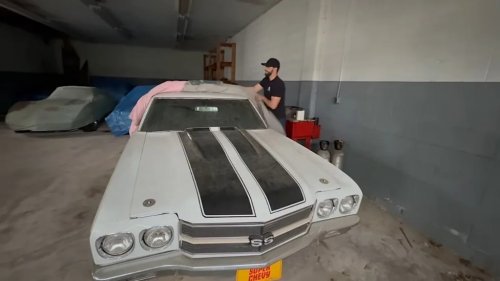
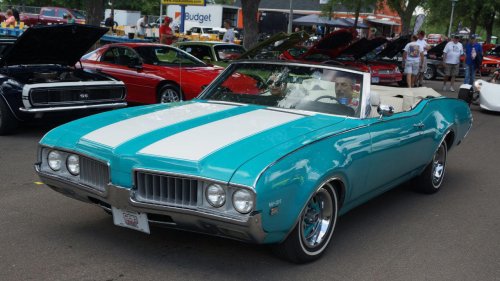
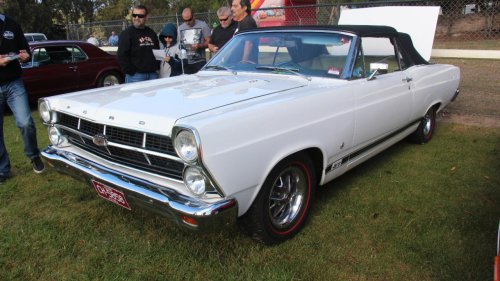
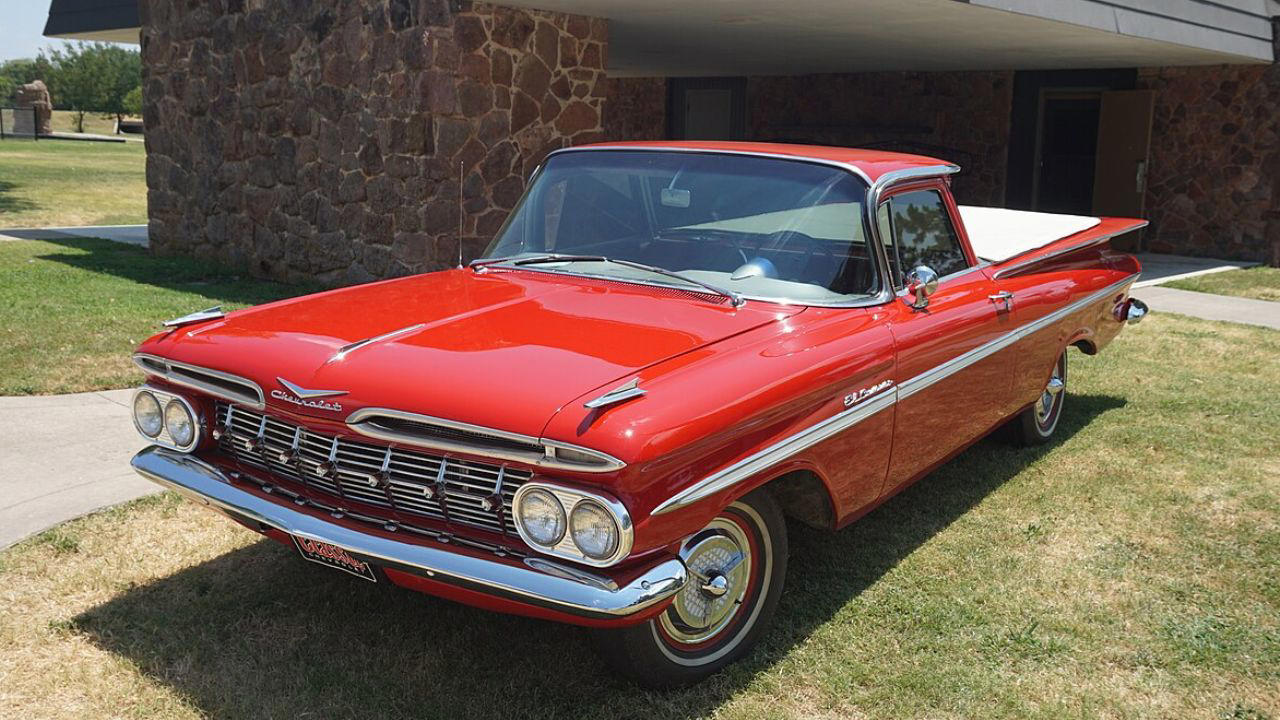
Chevy blended a pickup and a muscle car and called it the El CaminoThe Chevrolet El Camino never fit neatly into a parking-space label. It was not quite a pickup, not quite a muscle car, yet it borrowed the best parts of both and turned them into a rolling statement about American priorities: work hard, go fast, and look good doing it. That blend of utility and attitude still fascinates enthusiasts, who see in the El Camino a snapshot of a country that wanted to haul lumber on Friday and hit the drag strip on Saturday. From Australian “utes” to an American hybrid The idea behind the Chevrolet El Camino did not start in Detroit. Since the 1930s, Australian farmers had been driving what they called “utes,” short for “coupé utility,” which combined a passenger car front with an open cargo bed in back so one vehicle could handle both family duties and farm work. According to historical accounts, these Australian vehicles inspired American executives who saw a similar opportunity for drivers who needed practicality without giving up carlike comfort. Ford Motor Company moved first, introducing the Ranchero in the late 1950s, a sedan-based pickup that quickly proved there was a market for a car-truck hybrid. General Motors took notice. Chevrolet responded with its own interpretation, the El Camino, which arrived as a direct challenge to the Ranchero and aimed to offer more style, more power, and a stronger connection to Chevrolet’s passenger car lineup. On October 16, 1958, Chevrolet began to sell a car-truck hybrid called the El Camino, a sedan-pickup combo built on the full-size Chevrolet platform. Early promotional material pitched it as a vehicle that could carry hay or pigs to market on Mondays and still look at home in town the rest of the week. That promise of dual-purpose usefulness sat at the core of the El Camino’s appeal from the very beginning. The first-generation gamble The original 1959 Chevrolet El Camino was a bold piece of styling. It shared the dramatic fins and sweeping lines of Chevrolet’s full-size cars and added a pickup bed behind the cab. Enthusiasts later described the 1959 Chevrolet El Camino as a groundbreaking classic vehicle that combined the dramatic flair of late 1950s American design with genuine hauling ability, a mix that turned it into a standout piece of automotive history. Period advertising leaned heavily on that image, portraying the El Camino as both a fashionable boulevard cruiser and a serious work tool. Under the sheet metal, the early El Camino was essentially a passenger car with its roofline cut off behind the doors. The somewhat soft passenger car suspension limited its ability to carry heavy loads, although the bed still offered about 32.4 cubic feet of space. That figure, cited for early models, underscored the compromise at the heart of the concept: more capacity than a regular coupe but not the brute capability of a traditional body-on-frame pickup. Chevrolet’s leadership positioned the El Camino as a stylish alternative for buyers who did not see themselves in a conventional truck. Farmers who wanted something nicer for trips into town, small business owners who needed occasional cargo space, and suburban drivers who simply liked the look all figured into the target audience. Yet sales of the first generation lagged behind expectations. While the Ranchero had proven to be a consistent sales performer for Ford, the first El Camino did not match that momentum, and Chevy dropped it from the lineup after only two model years. Reinvention on the Chevelle platform Chevrolet was not done with the idea. As the 1960s unfolded and intermediate cars gained popularity, the company saw another opening. The El Camino returned for the 1964 model year, this time built on the Chevelle platform. That shift changed the vehicle’s character. Instead of a flashy full-size cruiser with a bed, the El Camino became a mid-size utility coupe that could share engines, interiors, and options with one of Chevrolet’s most important passenger car lines. This second act aligned the El Camino more closely with the muscle car movement. Buyers could order versions with small-block V8s for everyday use or step up to big-block engines that mirrored the performance of Chevelle SS models. The bed still provided useful cargo space, but the focus moved steadily toward speed and style. By the late 1960s, the El Camino had evolved into something that looked like a sporty car in the front but had a pickup truck bed in the back, a unique silhouette that made it instantly recognizable in traffic. Across multiple generations, the Chevrolet El Camino remained a coupe utility vehicle that blurred the line between passenger car and truck. Production spanned from the late 1950s through the late 1980s, with five distinct generations that shifted from full-size underpinnings to mid-size and eventually to the GM G-body platform. Throughout those changes, the basic formula stayed the same: carlike comfort and handling, with a usable pickup bed integrated behind the cabin. When the El Camino went full muscle The late 1960s and early 1970s turned the El Camino from a practical compromise into a legitimate muscle machine. A 1969 Chevrolet El Camino, for example, could be ordered with bucket seats, a sporty dash, and the SS package that transformed it into what some fans now call a “MuscleTruck.” One enthusiast account describes the 1969 and 1970 Chevrolet El Camino as perfectly blending the practicality of a pickup with the performance and styling of a muscle car, a combination that made these models especially prized among collectors. Performance peaked with versions like the El Camino SS 454. When thinking of vehicles that represent America’s automotive world during the mid-century period, many enthusiasts point to the Chevrolet El Camino SS 454 as a prime example. The SS, short for “Super Sport,” was a performance designation that Chevrolet applied to some of its most powerful models. In El Camino form, the SS 454 paired a big-block V8 with the utility body, creating a vehicle that could run with muscle coupes on the drag strip while still carrying tools or motorcycles in the bed. By the early 1970s, the El Camino had fully embraced its dual identity. It was part of the same culture that celebrated Chevelle SS and Camaro Z/28 models, yet it offered a level of practicality those coupes could not match. Enthusiasts who wanted to tow, haul, and still have a car that looked at home at a cruise-in gravitated toward this hybrid. The black 1971 Chevrolet El Camino, built on the GM G-body platform in later years, highlighted how the design evolved while keeping that basic blend of style and function intact. How it worked as a truck, and how it did not From a work perspective, the El Camino was always a compromise. The somewhat soft passenger car suspension that made it comfortable on the highway also meant it could not match the payload of a traditional pickup. The bed volume of about 32.4 cubic feet gave owners room for tools, motorcycles, or building materials, but serious commercial users still turned to full-size trucks with stiffer frames and heavier-duty springs. For many buyers, that compromise was exactly the point. The El Camino provided an open cargo area without forcing drivers into a rough-riding work truck. The interior offered the comfort and layout of a car rather than a truck, with available bucket seats, sporty instrumentation, and trim levels that matched contemporary sedans and coupes. For suburban homeowners, small business owners, and hobbyists who needed to haul occasionally, the El Camino’s balance of comfort and capacity made more sense than a bare-bones pickup. Marketing reflected this middle ground. Chevrolet often portrayed the El Camino as the “workingest thing on wheels” that could still serve as a family car. In practice, owners used it to carry everything from gardening supplies to motorcycles, while others simply enjoyed the look and the sound of a V8 under the hood. The vehicle’s flexibility mirrored broader trends in American motoring, where rugged off-roaders and hybrids of different types were used as suburban commuters during the week and taken off the beaten track on weekends. Why the El Camino disappeared Despite its loyal following, the El Camino eventually fell victim to shifting regulations and changing tastes. As fuel economy standards tightened and insurance costs for high performance vehicles climbed, the market for muscle-infused utility coupes shrank. Buyers who once might have considered an El Camino increasingly turned to compact pickups, early SUVs, or more efficient passenger cars. The El Camino’s car-based construction also worked against it as American buyers embraced taller, more upright vehicles. Traditional pickups improved their ride quality and interior appointments, narrowing the comfort gap that had once favored the El Camino. At the same time, the company had to rationalize its lineup, and a niche product that straddled categories became harder to justify. Production eventually ended in the late 1980s. Although some enthusiasts hoped for a revival, particularly when car-based “utes” continued to sell in Australia, the combination of regulatory pressure and market preferences kept the El Camino from returning to Chevrolet showrooms. Any modern reinterpretation would have to navigate safety standards, emissions rules, and a customer base that now expects modern technology and refinement in even basic trucks. The cult following that never faded Even without a current production model, the Chevrolet El Camino has only grown in stature among collectors. Enthusiast groups and social media communities share photos of pristine survivors and heavily modified builds, from stock 1959 examples to custom 1970 SS 454 tributes. One enthusiast group describes the Chevrolet El Camino as a choice among classic car fans, with particular attention paid to the 1969 models photographed at shows in places like Glendale, Arizona. Fans often highlight the 1959 Chevrolet El Camino as a groundbreaking classic vehicle that captured the spirit of 1950s American automotive innovation. Others gravitate to the later muscle-oriented models, where the combination of big-block power and a functional bed creates a package that feels unlike anything sold new today. The vehicle’s rarity on modern roads only adds to its appeal. When an El Camino appears at a cars and coffee event, it tends to draw a crowd that includes both older enthusiasts and younger onlookers who may be seeing one in person for the first time. International interest has also helped preserve the story. Versions of the Chevrolet El Camino entry appear on multiple language editions of Wikipedia, including Afrikaans, German, Greek, and Spanish. These references keep the history accessible to readers far from American highways, and they underline how the El Camino’s unusual format resonates beyond the market that originally inspired it. Why the El Camino still matters The El Camino speaks to a particular American attitude toward vehicles. Drivers wanted something that could carry lumber or livestock yet still express personal style and performance ambitions. By blending a pickup bed with a muscle car heart, Chevrolet created a product that challenged the assumption that practicality and personality had to live in separate garages. More from Fast Lane Only Unboxing the WWII Jeep in a Crate 15 rare Chevys collectors are quietly buying 10 underrated V8s still worth hunting down Police notice this before you even roll window down The post Chevy blended a pickup and a muscle car and called it the El Camino appeared first on FAST LANE ONLY.



















 +20 others