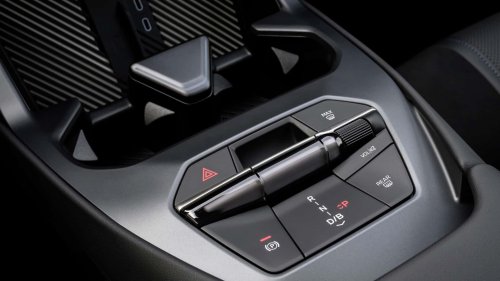
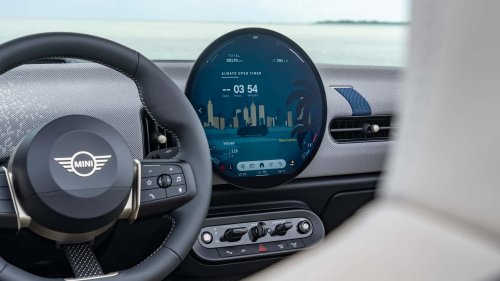
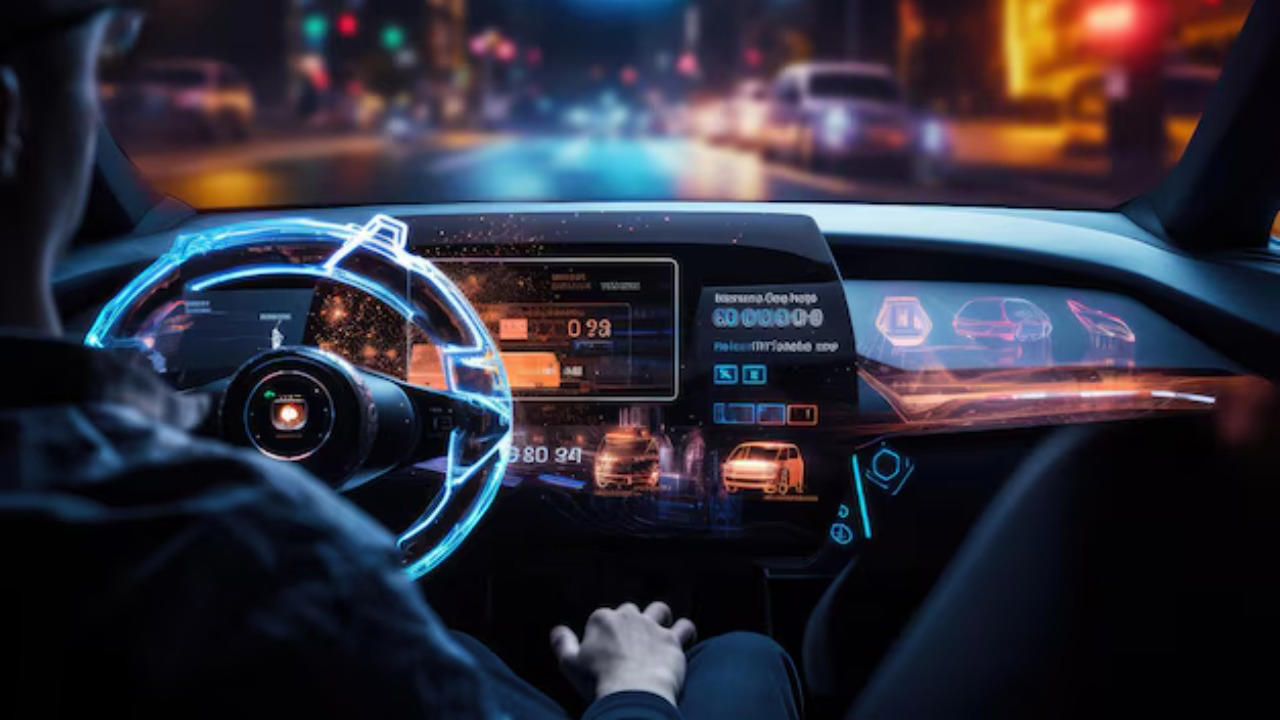
Modern performance figures, safety scores, and software features are objectively impressive, yet a vocal group of drivers insists that something intangible has gone missing. They describe a creeping sense that the car has become a digital appliance, more like a smartphone on wheels than a mechanical companion. Their complaint is not simply nostalgia but a reaction to how screens, sensors, and code now mediate almost every sensation behind the wheel. That tension between progress and personality is shaping how enthusiasts talk about new models, from hot hatchbacks to electric SUVs. As powertrains, steering, and even exhaust notes are filtered through software, the old idea of a car with “soul” is colliding with a design culture built around touchscreens, connectivity, and constant updates. The result, for some drivers, is a widening gap between what spec sheets promise and what they feel once they grip the wheel. The touchscreen takeover and the loss of simple controls For many enthusiasts, the most visible symbol of the new digital car is the dashboard screen that dominates the cabin. Physical knobs for climate, radio, and drive modes have been replaced by layered menus that demand swipes and taps just to adjust the temperature or change a song. Guides aimed at mainstream buyers warn that this approach increases distraction, since drivers must learn complex menu structures simply to operate basic functions. Drivers who grew up with a single volume dial and a row of rocker switches now find themselves hunting through icons that resemble a tablet interface more than a cockpit. Video explainers go further and argue that these giant displays are not merely stylistic but economic choices. One widely shared breakdown notes that screens in cars are now inescapable and that almost every dashboard is dominated by a giant touchscreen because software is cheaper to revise than physical hardware. In that framing, the digital feel is not an accident but a byproduct of a business model that favors configurable pixels over durable buttons. Enthusiasts who prefer the tactile certainty of a click or detent hear this and conclude that their preferences are being designed out of the modern vehicle. When assistance systems start to feel like interference The sense that cars have become too digital is not confined to the dashboard. It extends to the layers of driver assistance that now watch, beep, and sometimes intervene in routine maneuvers. A recent customer study reported by enthusiast media found that new car buyers are frequently annoyed by advanced features such as lane-keeping systems, gesture controls, and complex voice assistants, particularly when these systems misinterpret real-world conditions. When a car tugs at the steering wheel to correct a line that the driver chose on purpose, or blares alarms in dense traffic, the experience can feel less like help and more like a nagging co-pilot that never learned to trust the person at the controls. Online discussions show how quickly that frustration can turn into outright rejection of newer models. In one thread, a renter of a recent MG described the car as “awful” and agreed “100%” with another commenter who complained that there was too much technology in current vehicles, citing a transmission that constantly hunted for gears and intrusive driver aids that were difficult to disable. Others compare the trend to household appliances that now connect to Wi‑Fi simply to report that the laundry is done, a parallel drawn in an askcarguys thread. To these drivers, the car is drifting away from its core task of translating human input into motion and toward a generalized gadget that insists on digital mediation at every turn. Simulated sensations and the debate over “soul” Beyond convenience and annoyance, enthusiasts are increasingly focused on how software reshapes the raw sensations that once defined performance driving. Commentators note that modern sports cars use electronic power steering, adaptive dampers, and configurable drive modes that can be altered with software updates, allowing engineers to “tune feel” through code rather than mechanical changes. That same analysis argues that when every variable is smoothed and optimized, drivers lose the small imperfections and unpredictability that once made a car feel alive. Software aging, reliability fears, and what could change Underneath the emotional language lies a practical anxiety about how these digital systems will age. Enthusiast writers warn that cars purchased primarily for their advanced software or assisted driving features may become frustrating long before the mechanical parts wear out because infotainment platforms and connectivity systems can quickly feel dated or unsupported. That piece argues that when key functions depend on proprietary apps, subscription servers, or complex digital dashboards, owners face the risk that a perfectly sound engine and chassis could be let down by obsolete or failing electronics that are difficult to repair. Similar worries surface in forum posts where drivers note that touch interfaces and connectivity features may be completely useless after a decade, while older vehicles with simple radios and analog gauges continue to operate without drama. More from Fast Lane Only Unboxing the WWII Jeep in a Crate 15 rare Chevys collectors are quietly buying 10 underrated V8s still worth hunting down Police notice this before you even roll window down



















 +9 others