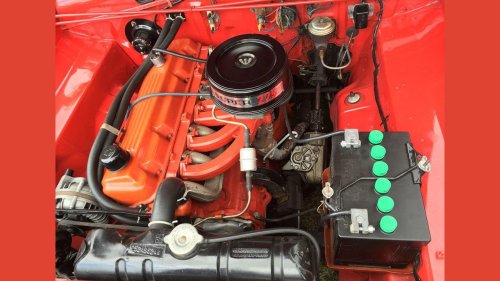
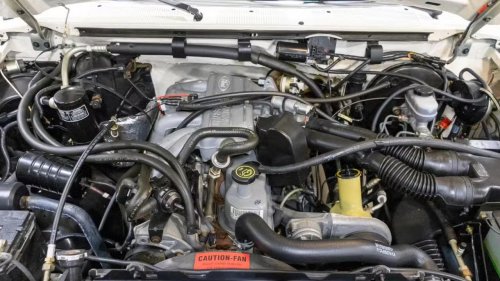
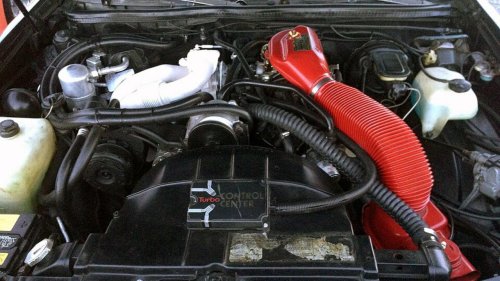
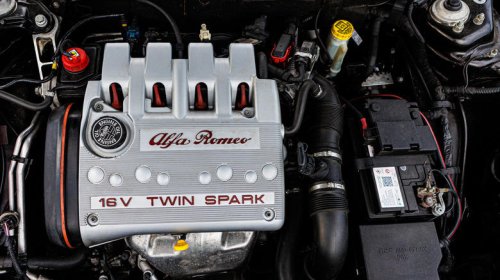
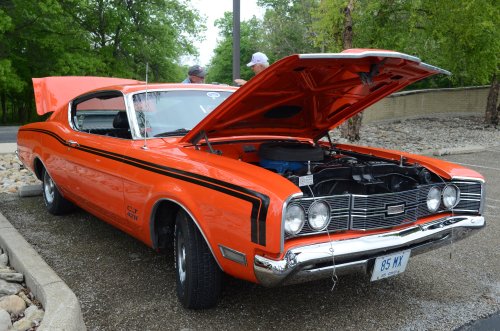
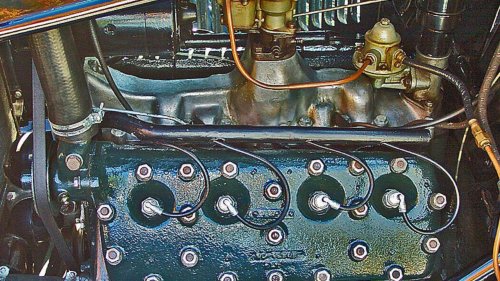
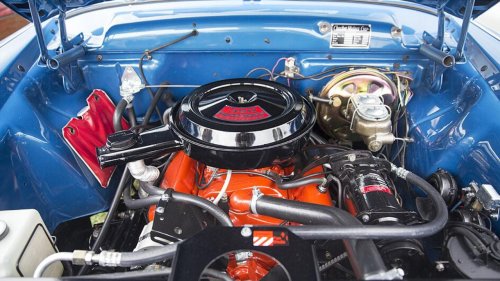
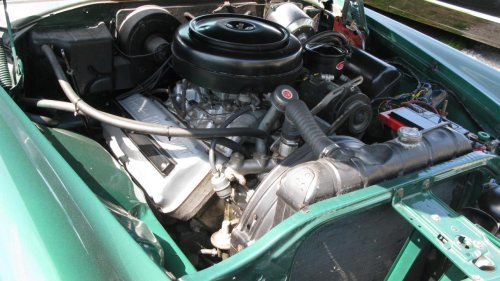
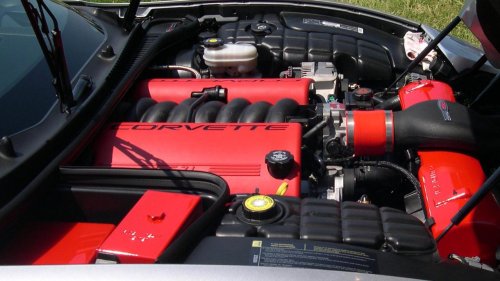
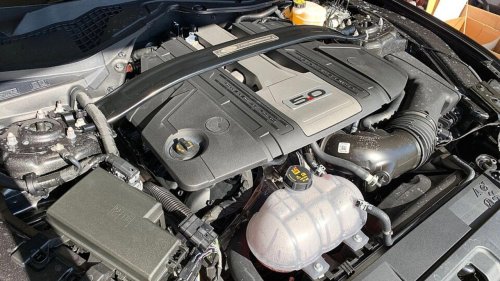
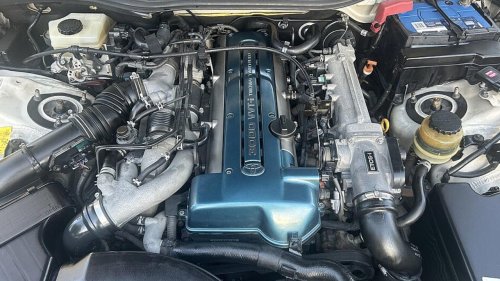
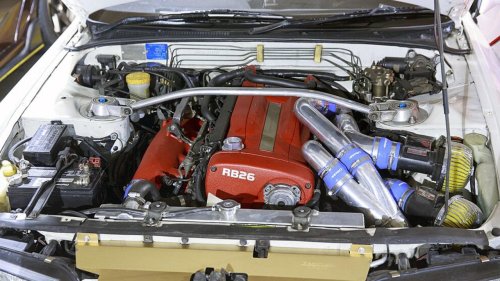
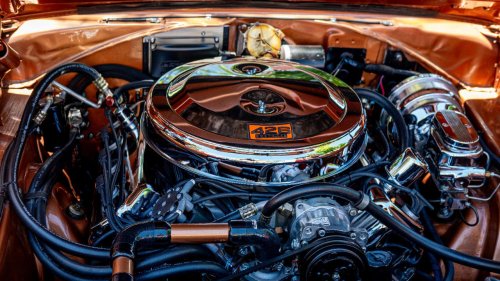
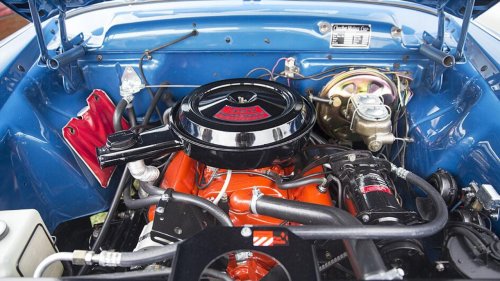
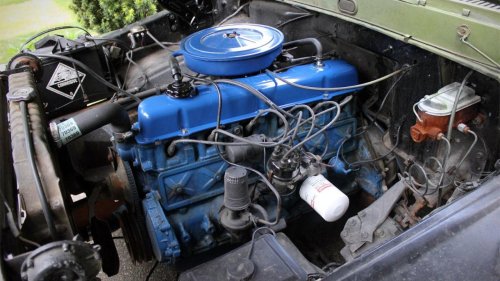
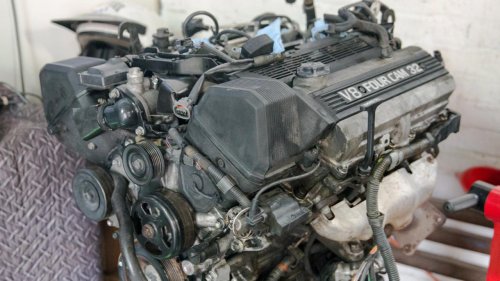
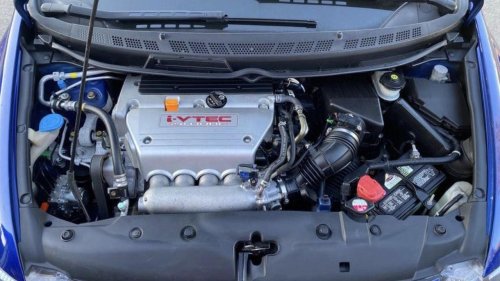
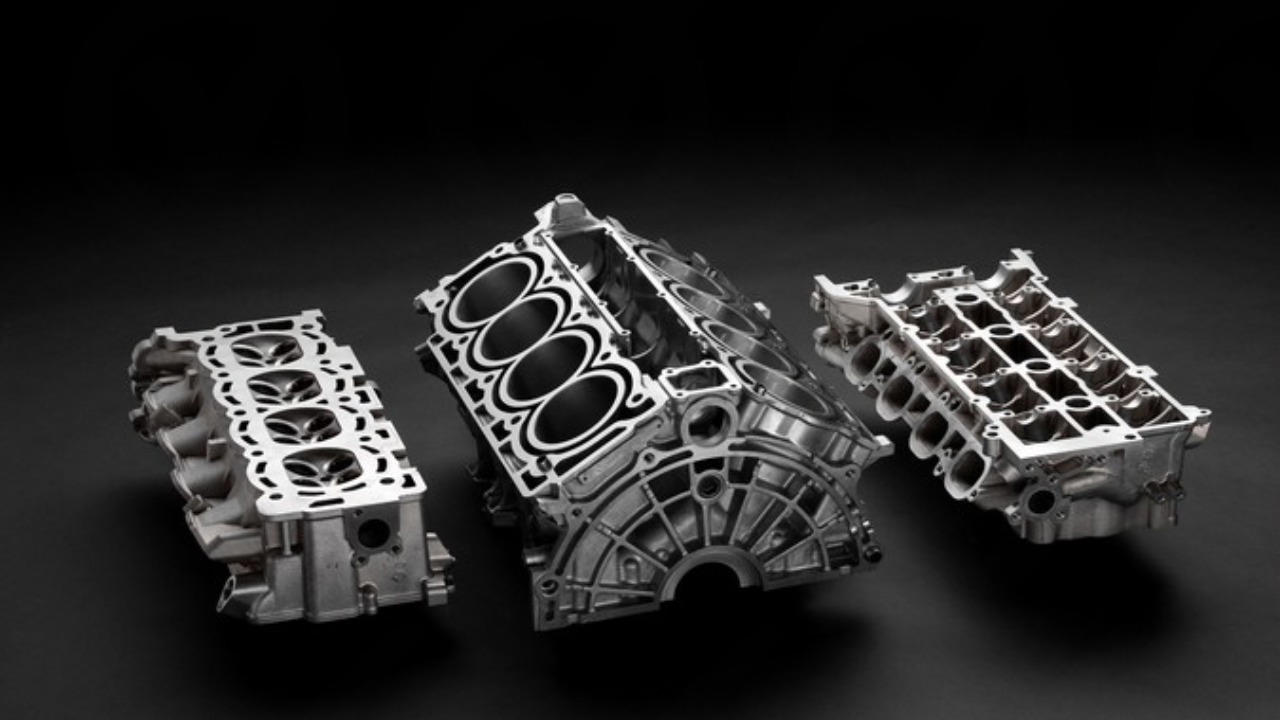
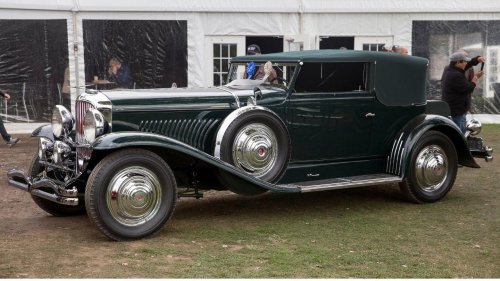
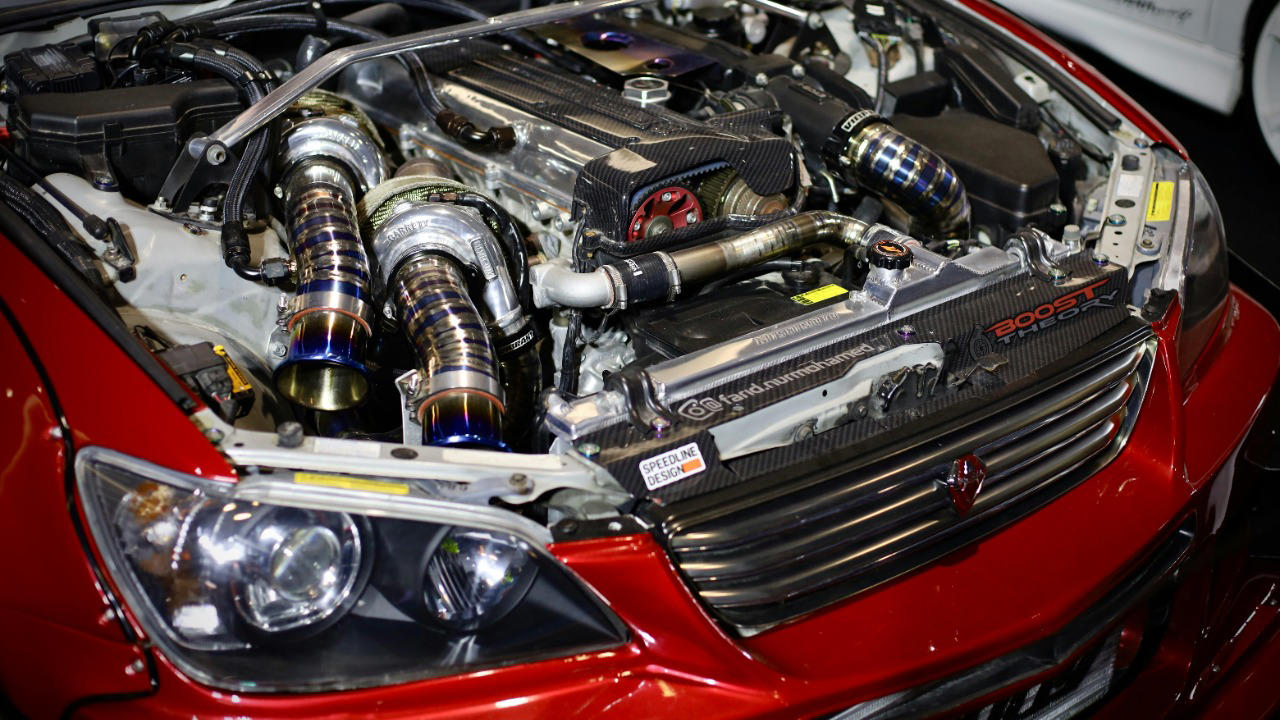
Why some classic engines earned legendary reputationsSome engines do more than move a car. They shape how you remember an era, influence what you look for in a project car, and quietly set the benchmark for everything that comes after. Talk about why certain classic powerplants earned legendary reputations, and you are really talking about a mix of engineering choices, racing glory, and the way those machines fit into everyday life. Strip away the nostalgia and you still find hard evidence that a few designs stood out for durability, character, or sheer dominance on track. Once you see the patterns that made those engines special, you can read any classic’s spec sheet with a sharper eye and understand why some motors are just names on a valve cover while others are stories you keep telling. Racing dominance and the myth of the unbeatable V8 Think of a legend born on the strip or the oval and you are really thinking about how an engine turns competition into a calling card. Chrysler’s 426 Hemi is a perfect example of how raw performance can rewrite the pecking order almost overnight. In period racing, once the big Hemi proved itself, Other mopar drivers, and by the end of the season the 426 Hemi had become the engine to beat. When you see that kind of pile‑on in a race paddock, you are watching a reputation form in real time. That racing success did more than fill trophy cabinets; it helped you, as an enthusiast, connect one engine to a whole slice of culture. When you hear people talk about how few engines shaped American automotive identity like the Chrysler HEMI, you are hearing the same story told from the street side instead of the pit lane. A modern explainer on why the Chrysler HEMI is seen as Detroit’s standout V8 notes how deeply it is woven into American performance culture, which is why you still see the name used long after the original race hardware left the grid. Reliability, simplicity, and the engines you cannot kill Speed alone does not make an engine legendary for you as an owner. A motor earns that status in your garage when it starts every morning, shrugs off abuse, and costs less to keep alive than you feared. Guides that break down what makes car engines reliable and durable point out that you are really chasing a design that spreads stress gently and avoids the kind of complexity that fails early. One breakdown of What Makes Car highlights how lower specific output and solid materials help you avoid an engine that wears out prematurely. The same logic explains why you still hear people praise Volvo Redblock Engines long after the cars they powered left the showroom. In reliability roundups, Volvo Redblock Engines are singled out as stout inline designs that pair simple architecture with long service life. Another list of historically great powerplants calls out the Volvo Redblock B230FT and notes that older Volvos have become cult favorites partly because their engines keep going even when other components on similar‑age cars have given up. When you buy into that kind of drivetrain, you are really buying years of low drama. Workhorse sixes and the art of easy ownership If you are hunting for a classic you can actually drive, you quickly learn to appreciate engines that were built to be maintained in a driveway. Expert advice on restoration‑friendly powerplants often pushes you toward humble straight sixes rather than glamorous multi‑carb V8s. A detailed guide to the best classic engines for reliability describes Ford Inline Six designs as simple, durable and easy to rebuild, especially if you are dealing with a Falcon, early Mustang, or F‑Series truck. That mindset also explains why the Slant 6 is still spoken of with respect in Mopar circles. Period descriptions of the legendary inline six point out that this engine powered a wide range of mopar vehicles, including the dodge dart, plymouth valiant, dodge truck series, and even some military and industrial applications. Technical write‑ups on the Slant Six Cylinder Above also highlight how the canted block let Classic Industries customers enjoy four distinct advantages, from a lower center of gravity to easier accessory access, when they rolled into the Retail Showroom with cars like a 1969 Dodge Dart GT and proudly showed that Its slant six still did the job. For you, that kind of parts access and packaging cleverness means more driving and less time chasing hard‑to‑reach bolts. Engines that invite you to modify and tune Some engines become legends in your world not because they left the factory perfect, but because they give you room to experiment. When you hear people call the GM LS V8 the king of V8s, they are really praising a platform that mixes reliability, compact packaging, and an aftermarket that lets you build anything from a mild street cruiser to a track monster. A popular breakdown of long‑lived engines flatly states that the GM LS V8 is reliable and mod friendly, which is exactly what you want if you plan to swap it into older chassis or chase more power without sacrificing daily usability. You see the same pattern when you look at Japanese icons that tuners still chase. A detailed explanation of the 2JZ straight six notes that it has two inline three cylinder engines fused together, creating two opposing forces that cancel each other out and allowing it to run smoothly at high output. That smoothness, combined with strong internals and wide parts availability, makes the 2JZ engine easy to modify and widely available for you to build into whatever you want. Subaru fans will tell you something similar about The EJ family, and one deep dive into What Made the points out that The EJ used features that helped create a strong connection between drivers and their cars. When an engine invites that kind of tinkering and emotional bond, you stop seeing it as just another part. Character, culture, and why some engines feel alive Even when the numbers are similar, you often remember the engines that have personality. Enthusiast debates about the greatest engine of all time frequently bring up the Alfa Romeo V6 Busso, with one fan arguing that the best engine ever put in an automobile is Alfa Romeo V6 “Busso” and then answering their own question of Why by praising how adaptable and musical it feels. In those conversations you are not hearing about durability charts, you are hearing about how an engine’s sound and response make you want to drive it even when a newer powerplant would be faster or more efficient. That emotional pull is also why certain configurations, like the classic American V8, still loom large even as modern designs surpass them on paper. A thoughtful look at how V8s changed over time notes that What made the was never just horsepower but the fact that these engines were designed to run the same way every day for decades. When you combine that kind of consistency with the right soundtrack and a body style that speaks to you, you get the kind of car that Classic investors chase because, as one guide to collectible vehicles puts it, Classic cars are not just nostalgic, they are a representation of an era, blending history, craftsmanship, and cultural resonance that gives each model a special history that makes it desirable. You feel that most clearly when you turn the key and the engine sounds exactly like the story you had in your head. More from Fast Lane Only Unboxing the WWII Jeep in a Crate 15 rare Chevys collectors are quietly buying 10 underrated V8s still worth hunting down Police notice this before you even roll window down



















 +22 others