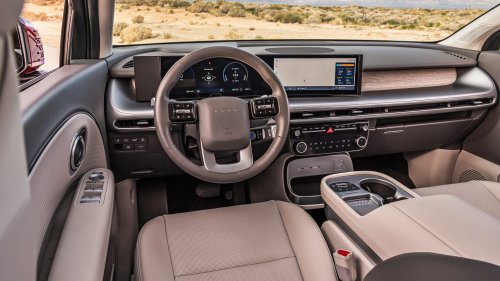
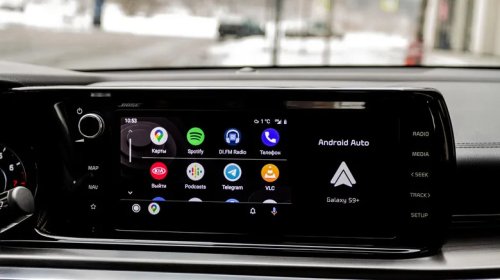
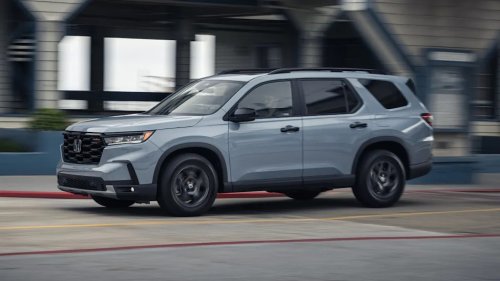
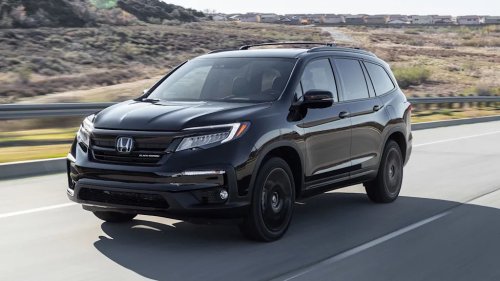
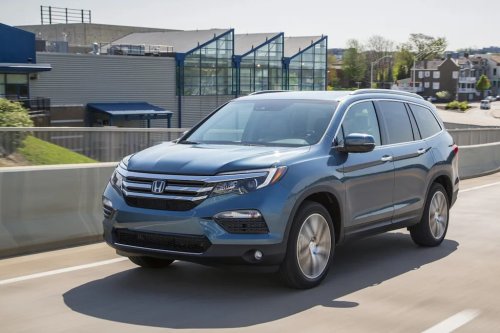
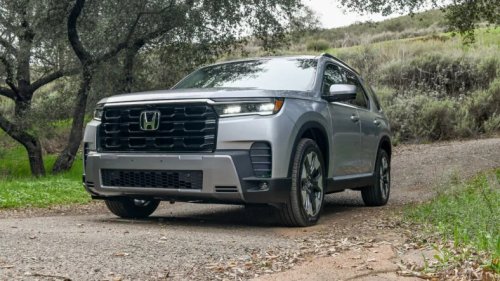
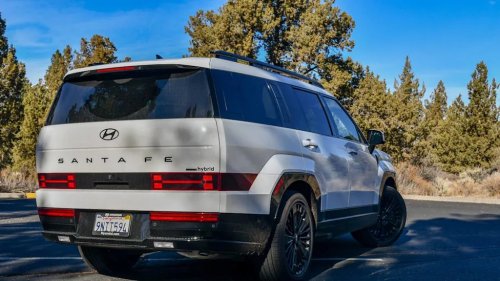
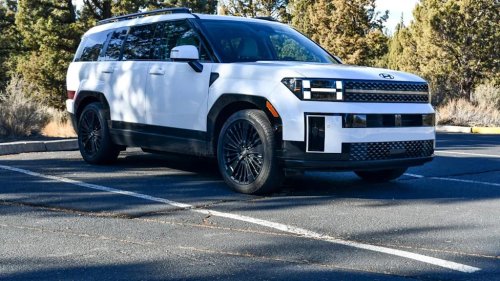
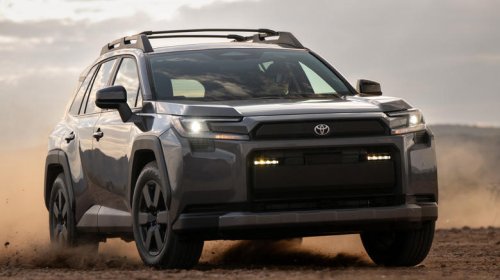
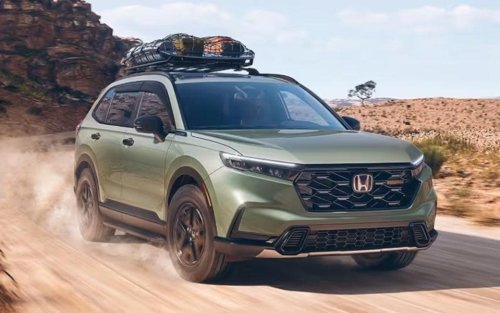
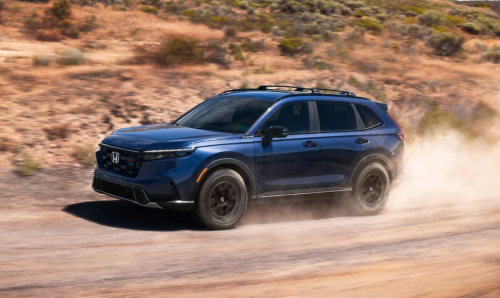
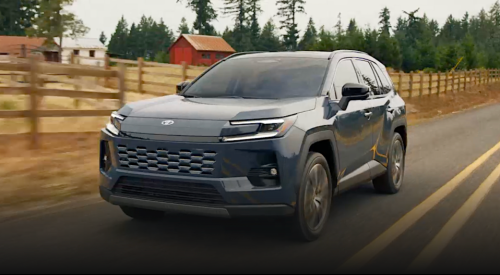
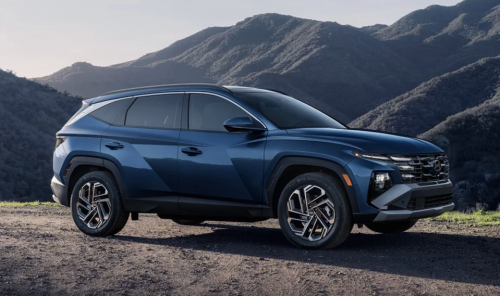
Honda CR-V HybridPhoto courtesy of HondaAmerica’s hybrid SUV boom is accelerating rapidly, and the latest spike in gasoline prices caused by the ongoing Iran conflict is giving the market an even bigger push. As fuel prices climb to around above $4.50 per gallon in many states, buyers who were once hesitant about electrification are increasingly turning toward hybrid SUVs as a practical middle ground between traditional gasoline vehicles and fully electric cars. Reuters reports that U.S. hybrid sales have surged 37% since the Middle East conflict began, significantly outpacing EV growth which peaked at an 11% sales increase.Three midsize hybrid SUVs currently dominate the American market: the Honda CR-V Hybrid, Toyota RAV4 Hybrid and Hyundai Tucson Hybrid. Together, they represent the sweet spot for today’s buyers — combining fuel efficiency, practicality, advanced technology and familiar driving habits.Honda CR-V HybridPhoto courtesy of HondaThe biggest seller of the threesome is the Honda CR-V Hybrid. This crossover has quietly become one of America’s most successful vehicles overall, and the hybrid version now accounts for more than half of total CR-V sales. According to Car and Driver magazine, Honda sold roughly 99,400 CR-Vs during the first quarter of 2026, equating to around 33,000 units per month overall, with hybrids representing a rapidly growing portion of that total.AdvertisementAdvertisementWhat makes the CR-V Hybrid so successful is balance. Powered by a 2.0-liter four-cylinder engine paired with Honda’s two-motor hybrid system, it produces 204 horsepower while delivering around 40 mpg city and 34 mpg highway. That gives the Honda a real-world cruising range approaching 560 miles per tank, an increasingly important figure as Americans worry about rising fuel costs.The CR-V also offers one of the roomiest cabins in the segment, excellent visibility and Honda’s reputation for reliability. Unlike some rivals that overwhelm drivers with excessive touchscreens and complicated controls, the Honda keeps things intuitive and easy to use. Pricing starts at roughly $35,000, making it one of the best-value hybrid SUVs on sale today. Higher trims add features such as Google built-in infotainment, Bose premium audio and advanced driver-assistance systems.Toyota RAV4 HybridPhoto courtesy of ToyotaIn second place is the Toyota’s RAV4 Hybrid. It remains perhaps the most influential hybrid SUV in America, even though sales have temporarily dipped during the transition to the redesigned 2026 model. Toyota sold roughly 59,900 RAV4s during Q1 2026, or around 20,000 per month, despite inventory shortages caused by the launch of the new generation.The RAV4’s importance extends far beyond simple sales numbers because Toyota has now made the RAV4 hybrid-only for 2026. That decision reflects just how strongly hybrid demand has grown in America.AdvertisementAdvertisementThe latest RAV4 Hybrid combines a 2.5-liter gasoline engine with Toyota’s proven hybrid system, delivering up to 41 mpg city and 38 mpg highway. Power output is stronger than before, while the redesign adds a tougher-looking exterior, upgraded technology and improved interior quality.Pricing begins at around $32,000 for the LA entry-level model and climbs beyond $36,000 for the XLE Premium version. Buyers continue flocking to the RAV4 because it combines fuel savings with Toyota’s unmatched reputation for durability and resale value. Reuters notes that Toyota’s U.S. electrified vehicle sales have surged 34% since gasoline prices spiked after the Iran conflict began.Hyundai Tucson HybridPhoto courtesy of HyundaiThe third major player is the Hyundai Tucson Hybrid, one of the fastest-rising SUVs in America. Hyundai sold roughly 55,400 Tucsons during Q1 2026, translating to around 18,500 per month. The Tucson’s appeal comes from its striking styling, strong warranty coverage and impressive technology offerings.The Tucson Hybrid pairs a turbocharged 1.6-liter four-cylinder engine with electric assistance with standard AWD, producing roughly 231 horsepower while still achieving between 35 and 38 mpg combined. Unlike some hybrids that focus purely on efficiency, the Hyundai also feels quick and responsive.AdvertisementAdvertisementInside, the Tucson emphasizes technology and comfort, with dual digital displays, advanced safety systems and one of the most upscale interiors in its class. Pricing starts at around $32,500, placing it directly against the CR-V and RAV4.What makes these three SUVs especially significant today is timing. Rising fuel prices linked to instability in the Middle East are once again reshaping American buying habits. But unlike previous oil shocks, today’s consumers have realistic alternatives. Hybrids now offer the same level of fuel economy once associated with compact sedans while still delivering the practicality Americans expect from SUVs. As Reuters notes, many buyers now see hybrids as the ideal middle ground — combining lower fuel bills with none of the charging concerns or range anxiety that still discourage many potential EV buyers.This article was originally published on Forbes.com



















 +13 others