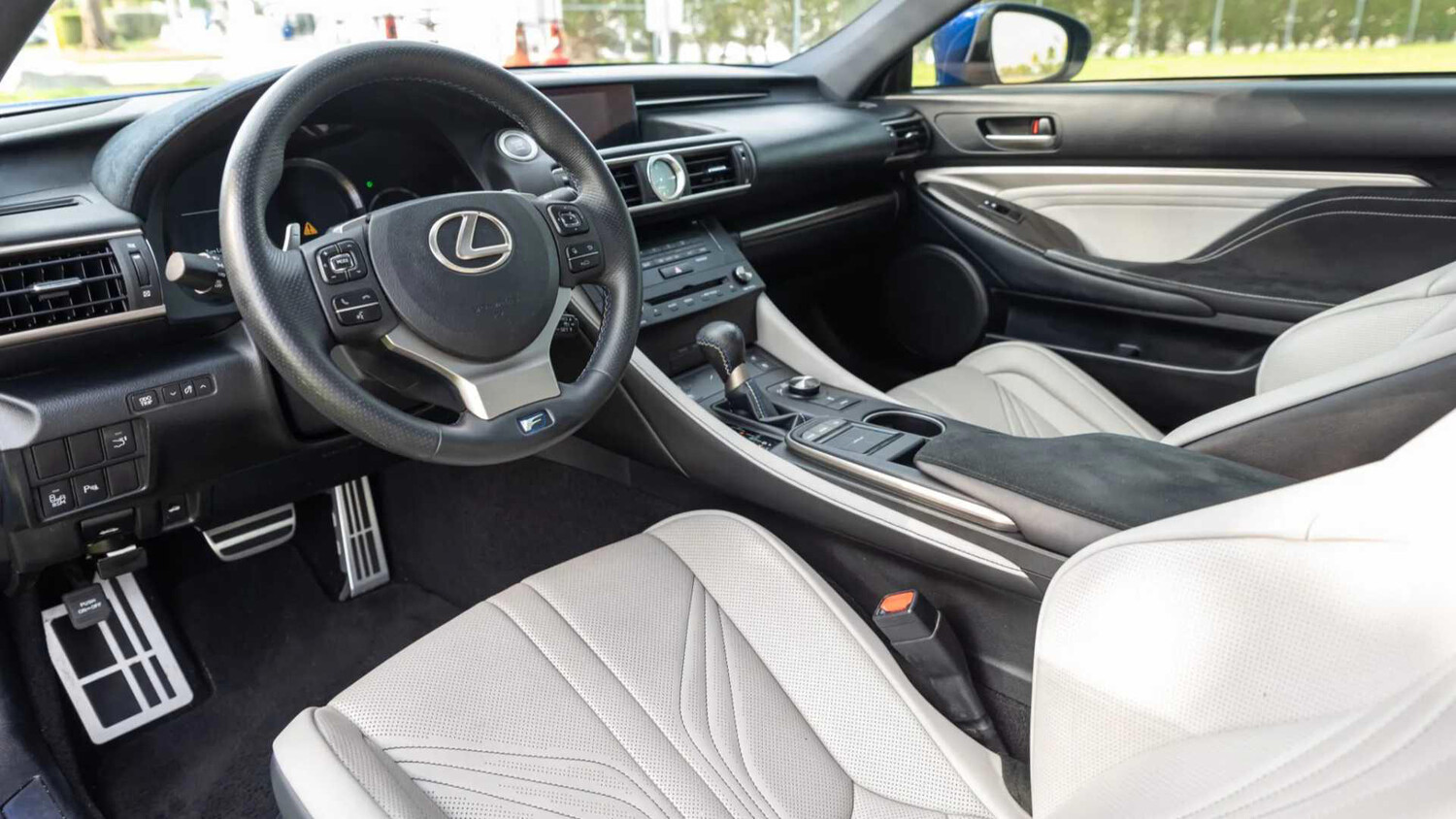
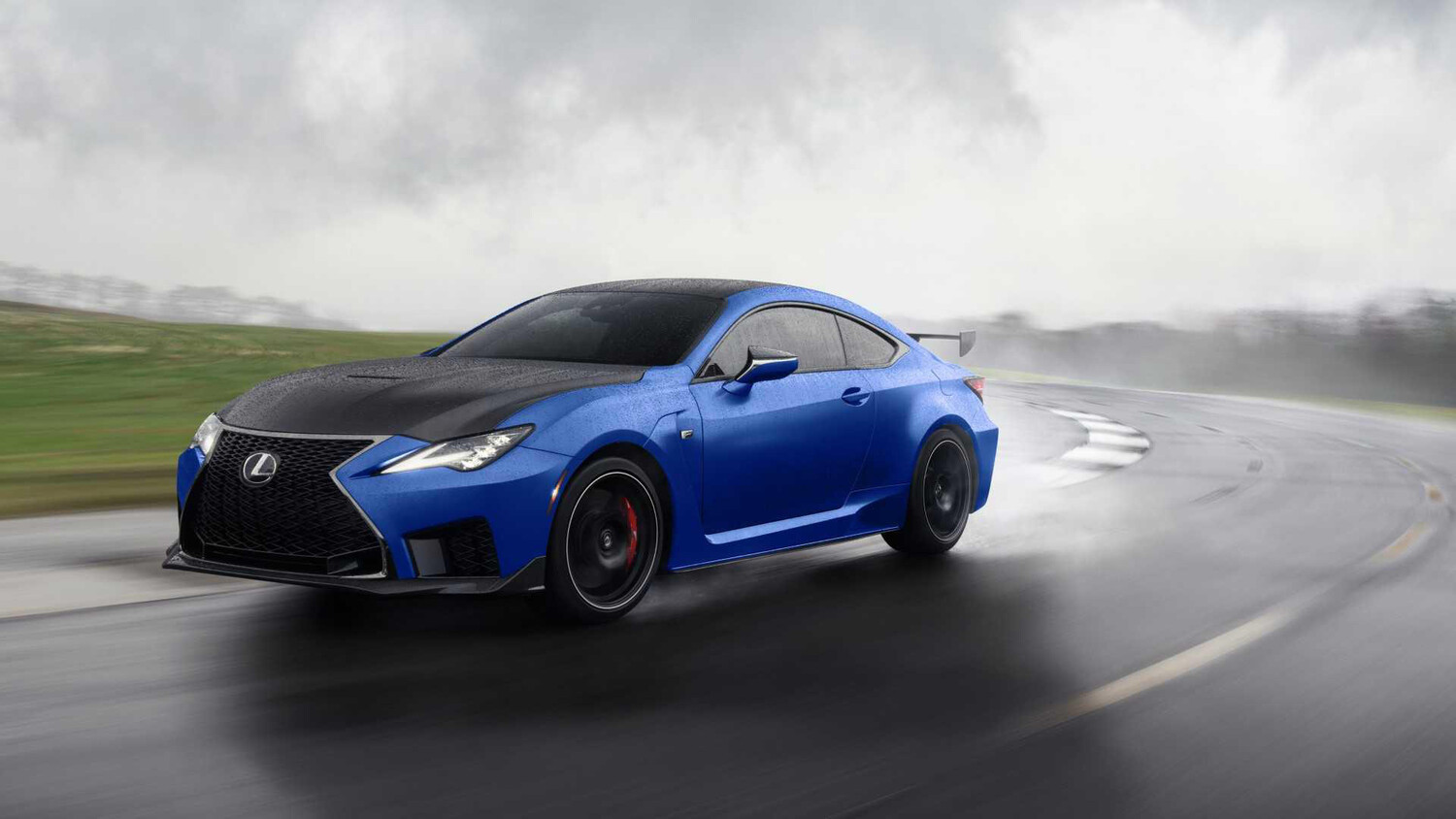
If you’re in the market for a two-door sports car that’s even remotely fun on the track, you’re going to have to make room for some compromises. With performance and fun being the name of the game, in cars like this, reliability, fuel economy, and affordability usually take a back seat to things like, well, back seats. Not to mention, many of the characteristics that make a great track car are the same ones that make a lousy daily driver. We're talking about things like heavy steering, stiff suspension, rock-hard bucket seats, massive power, and an aggressive throttle response.Still, some of us won't take no for an answer and want to enjoy the sound, driving dynamics, and the looks our sports car gets every day—not just on the weekends or when we take it to the track. And while there are some do-it-all sports cars out there, most of them make compromises when it comes to practicality or are extremely expensive to buy and maintain, which is probably not what you want in a daily driver anyway. That makes true track-bred coupes that actually check all the daily driver boxes extremely rare. Still, one option stands out for its unique blend of reliability, comfort, and sheer track aggression – and it’s mostly sliding under the radar. What Makes A Great Daily Driver Sports Car Anyway? Porsche Before we explain why this sports car is such a great daily driver, it’s important to first know what we're even looking for in a car like that. Clearly, comfort easily takes the top spot. Daily driving a sports car not only means long commutes and lots of miles but also regularly driving it through stop-and-go traffic and over bumpy roads and potholes. A well-tuned suspension—or an electronically adjustable one—is a non-negotiable, with comfort features like electric heated and ventilated seats and a decent sound system being a plus.Practicality and cargo space come in a close second. You want any car you drive every day to be able to comfortably seat more than two when necessary and at least carry one full-sized suitcase without issues, which means a trunk that measures at least 10 cubic feet. That already disqualifies sports cars like the Lotus Emira, Mazda MX-5 Miata, BMW Z4, and many more.Bring a Trailer Finally, there’s the question of high-mileage reliability and maintenance costs, arguably the most important factor for a good number of buyers. The ideal daily driver sports car needs to rely on a proven powertrain with a decent warranty or a wide service network. It should be able to achieve six-figure mileage numbers with some care and preventive maintenance, and be relatively affordable to keep on the road.To buyers who don’t want to shell out thousands on maintenance every year, Aston Martins don’t make much sense as daily drivers. But neither do sports cars like the Porsche 718 Cayman, which costs $1,192 per year to maintain according to RepairPal, nor the BMW M4, which will set you back a ridiculous $2,781 per year on maintenance. The sports car we selected will run you just a fraction of that per year, with tire replacements and gas likely taking up the largest chunk of that figure. The Lexus RC F Is The Perfect Compromise Between A Track Car And A GT Bring a TrailerThe Lexus RC F hit the streets in 2014 as a direct answer to luxury sports coupes like the BMW M4 and Audi RS5, but aside from its design and proportions, it couldn't be more different from those cars. Tipping the scales at almost 4,000 pounds, the RC F was almost 500 lbs heavier than an M4 when it hit the streets. Lexus also said 'no thank you' to boost and stuck with a tried and true naturally aspirated V8 for its flagship sports car instead. Then there's the quirky design with a spindle grille that's way too massive even by today's standards. This set of decisions perhaps explains why Lexus produced exactly 12,000 RC F models in its decade-long run before the final model left the factory in 2024.Bring a Trailer But from a daily driver track car perspective, all of this makes the RC F absolutely perfect. Backed by Toyota's reputation for build quality and reliability, the RC F fixes its German rivals' issue of steep and unpredictable maintenance, while its interior and luxury features give it an edge in style and comfort over American V8 muscle cars, too.Sure, it's the best at virtually nothing—except perhaps the notorious Lexus build quality—but its unique combination of elements such as its Yamaha-tuned naturally aspirated V8, a cabin designed for a land yacht, and slightly ridiculous styling give it so much character that it's almost impossible not to love it. It's also one of the only true two-door sports cars that offers the same blend of practicality, reliability, and track performance.Bring a Trailer For example, the Mk5 Supra may be lighter and more nimble, but it's incredibly cramped and barely fits a regular suitcase from my experience living with it. Similar to a Cayman or a 911. You could always opt for something like a WRX or a Civic Type R, but those are not true two-door sports cars and can't really keep up with a V-8. Meanwhile, most German sports coupes will present you with many more maintenance hassles and less daily driver comfort. This leaves the RC F in a completely unique niche, and for many buyers, it's a near-perfect do-it-all luxury track car. Powered By Japan's Best V8 Bring a Trailer Introduced with the 2008 Lexus IS F, the venerable 2UR-GSE V8 under the hood of the RC F, IS 500, and LC500 has been steadily revised and improved over the last two decades, quietly earning a reputation as one of the world’s most reliable modern V8 engines. It uses a die-cast aluminum block with a titanium intake and forged crank, connecting rods, and lightweight titanium valves to help it easily and reliably rev up to 7,300 rpm. Meanwhile, Yamaha helped out with cylinder heads and acoustic tuning. That's it—no complex turbos or hybrid systems like you'll find in most of its German rivals. Still, one push at the throttle, and the sound of this V8 will make it clear to everyone that this is an engine developed for the track and stuffed in a luxury car, and not the other way around.Ian Wright/CarBuzz/Valnet The RC F has been proving its reputation for reliability true for over a decade. RepairPal puts its maintenance costs at right around $754 per year. Roughly the same as what you'd pay to maintain a new Audi A3 ($741), Cadillac ATS ($741), or a C8 Corvette ($737), according to the site. It also earns stellar reliability ratings on numerous consumer sites, such as Cars.com, where buyers gave nearly every model year 5/5 stars.Owners on forums regularly post stories about driving RC F's to high mileages without issues. We've found several owners who exceeded 150,000 miles in their RC F, such as this one posting on Reddit that sold their RC F at 185,000 miles, claiming it was still running strong. A Deep Dive Into The RC F's Track-Focused Features ToyotaDespite sharing engines with other Lexus models such as the IS 500 sedan and the sporty-looking LC500, the RC F is actually the faster and more track-capable one out of all of them. That's also why Japanese racing teams such as NOVEL use the RC F as their basis for the GT3 race car and not the heavier LC 500 or the more laid-back IS 500 sedan. Even in completely stock form, Lexus has made sure the RC F will scratch even the most die-hard track enthusiast’s itch with unique track-focused features and equipment that separate it from other Lexus models like the LC 500.Starting with the most important features, a double-wishbone front and multi-link rear suspension, the standard sports car setup, combine with Lexus’s F-Adaptive Variable Suspension featuring monotube gas shocks on all four corners tuned on the infamous Nürburgring racetrack.Helping the RC F put down those 472 horsepower is a Torsen limited-slip differential with an optional torque vectoring system to correctly distribute the car's power between the rear wheels. For consistent braking performance lap after lap, it uses Brembo six-piston front and four-piston rear monoblock calipers mounted on ventilated steel rotors that help delay fade.Lexus Unlike the LC500, which uses a smoother 10-speed transmission, the RC F gets a more track-focused 8-speed Sport Direct-Shift automatic with more aggressive, jerkier upshifts and a higher final gear ratio. After 2019, the RC F also got launch control, helping it to 60 mph in just 4.2 seconds.All RC F models feature dedicated transmission and engine oil coolers hiding behind the massive front intakes. Meanwhile, an array of aero upgrades, including an active rear wing, hood vent, and side vents, help them stick to the track. Lexus RC F Track Features 6-piston front and 4-piston rear Brembos with ventilated discs Torsen limited-slip differential with optional torque vectoring Double-wishbone front and multi-link rear suspension 8-speed Direct-Shift automatic with launch control Carbon fiber aero parts (Track Edition) Adaptive Variable Suspension (AVS) Reinforced steering rack mounts Ceramic rotors (Track Edition) Naturally aspirated V8 Vertical G-Sensor The Ultimate Track-Ready RC F Lexus In 2020, the RC F received its first and only facelift, along with a brand-new Track Edition trim, developed with input from Lexus' Super GT and IMSA race teams. This ultimate RC F sheds a whole 176 lbs thanks to a new titanium exhaust and a carbon fiber hood, wing, and diffusers. It also gets more aggressive suspension and transmission tuning, while lightweight alloys and carbon ceramic brake rotors drastically reduce unsprung weight. Engine output remains the same, but these track-focused changes knock the RC F's 0-60 down to just 3.96 seconds, which is enough to keep up with a brand-new 500-hp Mustang Dark Horse. A Daily Driver Cabin With Hints Of Motorsports Heritage Bring a TrailerBy now, we've established the RC F is a proper track car. But one of the biggest reasons the RC F is also a great daily driver comes down to how well it balances all that performance with practicality. Like every Lexus, the RC F gets a luxuriously appointed cabin with pretty much all the bells and whistles you'd expect from a six-figure car.Metal and carbon-fiber trim decorate the dashboard and center console, which is where you'll find a selector wheel with four different drive modes that decide the RC F's road manners: Normal, Eco, S, and S+. Opt for the latter, and the exhaust opens up, the gear shifts become instant, the suspension becomes stiff, the transmission holds gears longer and optimizes downshifts at braking, and the steering wheel becomes heavier and more precise.Bring a Trailer Perforated leather covers the heated and ventilated front seats with more headroom than a Lexus LC500, and there's even two extra seats in the back. The trunk measures a decent 10.1 cubic feet, which means it can comfortably fit at least one full-size suitcase along with several carry-on cases or other items. The RC F Remains Overlooked For Now (Used Pricing Overview) Lexus While its reputation as a reliable grand tourer keeps used prices relatively high, it's still possible to find well-kept examples at reasonable prices. That being said, the RC F is likely nearing the bottom of its value curve. As of 2025, the naturally aspirated grand tourer is officially out of production, and its reputation and demand may soon begin to raise its used value out of most enthusiasts' reach.J.D. Power puts the average price buyers are paying for the earliest 2015 RC F models at a modest $30,200, and the prices steadily rise for newer models, with the 2025 Final Edition models valued at $90,000. According to the site, the 2020 Track Edition models will set buyers back, on average, $60,485. Those values seem to be consistent with models currently listed on sites such as Edmunds. There, you'll find early pre-facelift models listed in the low-30s with roughly 100,000 miles on the clock.Low-mileage first-gen models usually trade hands in the low-to-mid-40s. The earliest facelift models usually have less than 50,000 miles on them, and they start in the high-50s to low-60s. Track editions are, of course, the most coveted. These start around $70,000 and can reach six figures for the cleanest, low-mileage models. The Best Daily Driver RC F For Enthusiasts On A Budget Lexus Given just how reliable the 2UR-GSE V8s are and Lexus' owner-friendly warranty systems, a 2016 or 2017 model will probably be a great buy at around $40,000 to $50,000, depending on mileage. These skip the common early model year gremlins while still capitalizing on the heavy depreciation of the first-gen models, making them perfect daily-driver track cars many gearheads can afford.