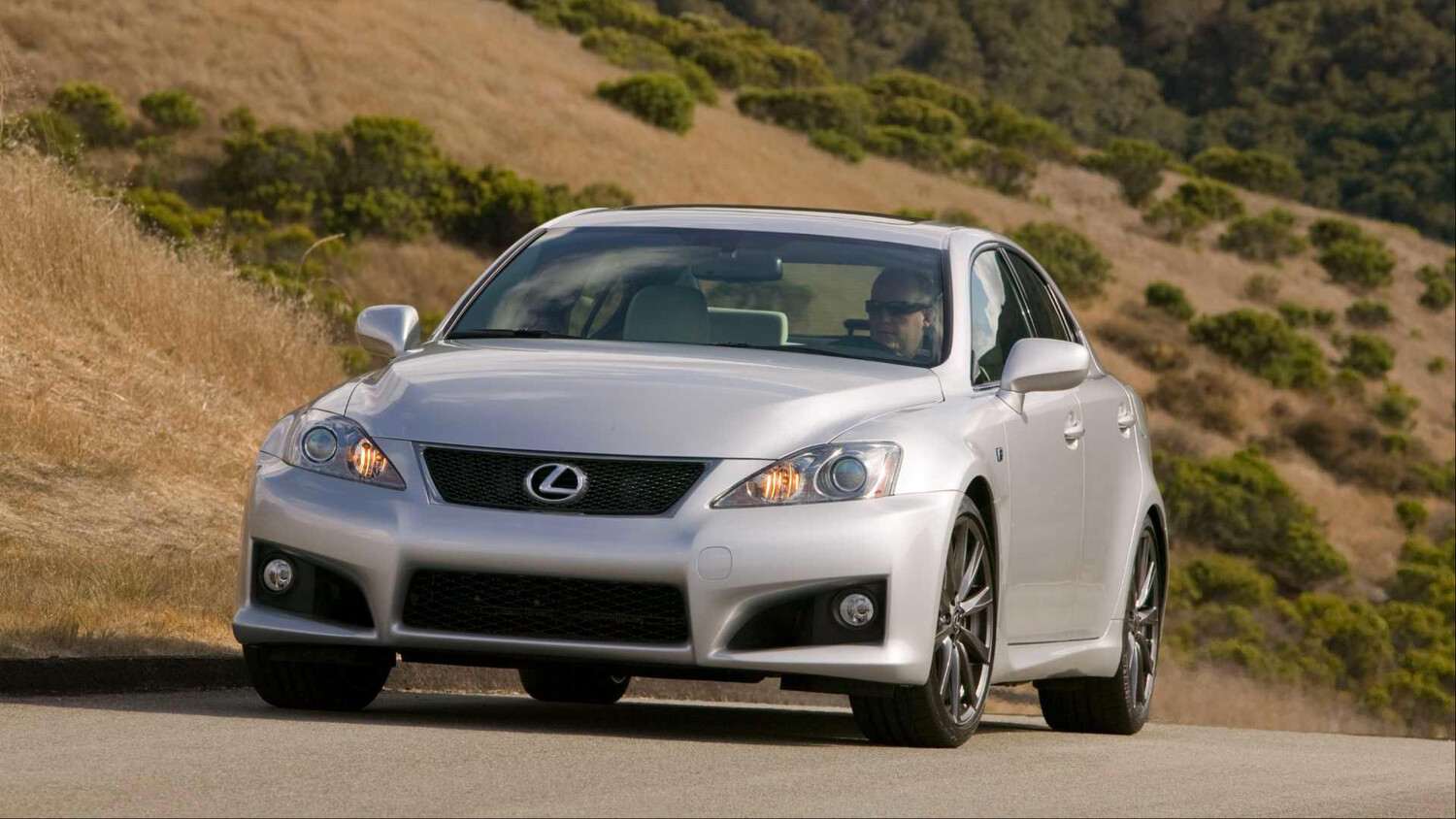
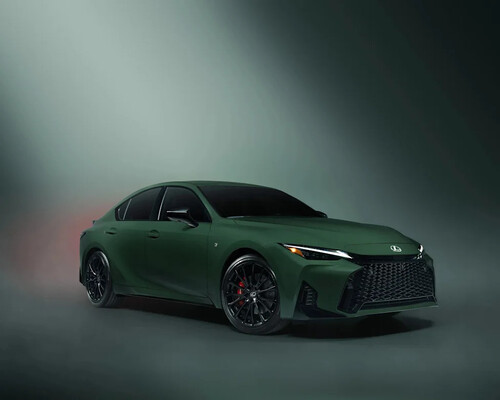
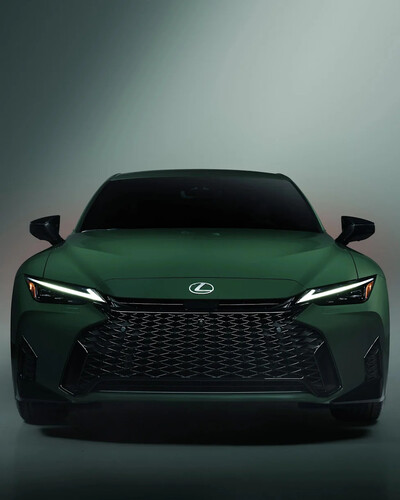
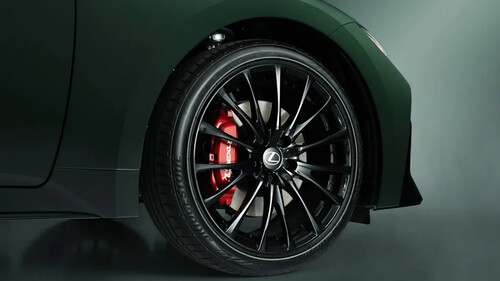
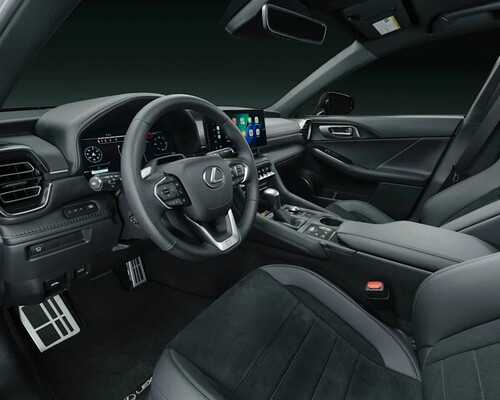
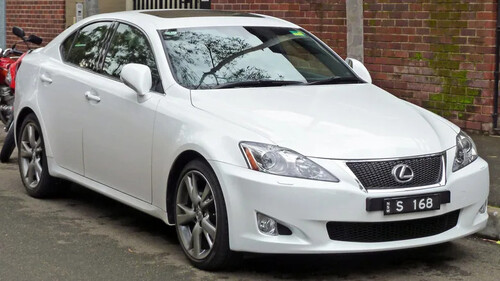
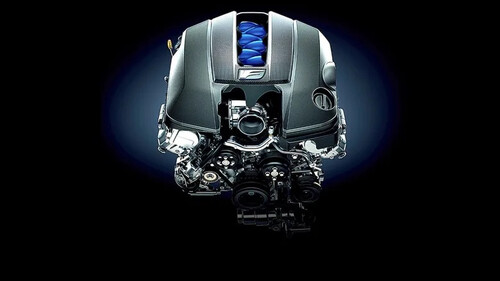
Some performance cars earn their reputation through lap times. Others earn it by surviving years of abuse without drama. Every so often, a car manages to do both. A four-door sedan with a naturally aspirated V8, rear-wheel drive, and a factory track-ready setup sounds like something out of Germany. But this one came from Japan, backed by a brand better known for building some of the most durable cars on the road.When it launched, it was underestimated. It was far too subtle, too reliable, and too different from the turbocharged arms race happening around it. Today, that combination is exactly why enthusiasts are paying attention. Big power, real track capability, Toyota-level dependability, and values that still feel like a loophole provide the secret sauce to this often-overlooked sedan. The 2008 Lexus IS F Had A Naturally Aspirated V8 In A Turbo Era via Bring A TrailerAt the heart of the Lexus IS F is a 5.0-liter naturally aspirated V8 developed by Toyota’s performance division. No turbochargers. No artificial sound enhancement. Just a high-revving engine designed to deliver power the old-fashioned way. It produces 416 horsepower, spins to an 8,000-rpm redline, and delivers a crisp, linear surge that feels increasingly rare in a world dominated by boost.The character of the engine is a big part of the appeal. It builds power smoothly instead of dumping torque in a single spike. It encourages revs rather than short-shifting. It sounds mechanical and intentional rather than synthesized. On a back road or a racetrack, that creates a connection modern turbo engines often struggle to replicate.Via: Bring a TrailerFun Fact: Toyota endurance-tested this V8 at sustained 8,000 rpm for hundreds of hours to confirm owners could live at redline without shortening engine life.Power goes to the rear wheels through an eight-speed automatic transmission calibrated specifically for performance driving. In normal mode, it behaves like a luxury sedan gearbox. In sport mode, it snaps off aggressive downshifts and holds gears deep into the tachometer. Launch control was also included from the factory, a feature that was still rare in this segment when the car debuted.LexusPeriod testing showed 0-60 mph times in the mid-four-second range and quarter-mile runs that matched contemporary German rivals. What stood out was consistency. Runs did not fall off after repeated pulls. Intake temperatures stayed controlled. Power delivery stayed predictable. It was built to perform the same way on the tenth hard run as it did on the first. Engineered For Track Use From The Factory LexusThis was not a luxury sedan that happened to get a big engine. The entire platform was reinforced and rethought for sustained performance driving. Brakes, cooling systems, suspension geometry, and drivetrain components were all uprated to survive real track use.Large Brembo brakes with multi-piston calipers came standard.Dedicated oil and transmission coolers were built into the car from day one. Suspension tuning leaned firm with revised bushings, thicker sway bars, and geometry designed to stay composed under heavy load. The result was a Lexus sedan that felt planted at speed without riding like a race car in daily driving.LexusOne of the key pieces was the torque-vectoring rear differential. Instead of simply sending power to whichever wheel had grip, the system actively adjusted torque across the rear axle to improve corner exit speed and stability. It made the car feel smaller and sharper than its dimensions suggested, especially on the track.Fun Fact: Factory brake cooling duct design was informed by Toyota’s GT racing program.Owners who track these cars all say the same thing. It just keeps going with no overheating warnings or drivetrain complaints after long sessions. That kind of reliability under real stress is what separates serious engineering from marketing promises. The Toyota way, if you will. Toyota-Level Reliability In A Performance Sedan The defining trait that separates this car from most performance rivals is dependability. Built in Japan under Lexus production standards, it benefits from Toyota’s manufacturing philosophy of over-engineering critical systems and maintaining tight quality control. Cooling systems are powerful, and the electrical architecture is conservative. Internal engine tolerances were designed with longevity in mind. That approach shows up years later, when high-mileage examples continue to run with minimal internal wear.It is common to find cars with well over 150,000 miles on original engines and transmissions. Some owners exceed 200,000 miles while still tracking the car on weekends. That is not typical behavior for high-performance sedans, especially ones producing over 400 horsepower.Fun Fact: Lexus originally planned a manual transmission but canceled it late in development to protect long-term drivetrain durability.Maintenance costs also remain predictable. There are no turbochargers to rebuild. No dual-clutch transmissions with expensive service intervals. No fragile cooling assemblies buried behind labor-heavy disassembly. Routine fluids, brakes, and tires make up the majority of ownership costs. Why IS F Values Still Feel Like A Loophole CarBuzzFor years, the performance sedan conversation centered on Germany. BMW M cars and AMG sedans became the default choices for buyers chasing speed with four doors. This Japanese alternative delivered the numbers, the sound, and the track readiness, but without the same badge prestige in enthusiast culture. Here are some recent sales from Classic.com and Cars & Bids.That kept values lower than they should have been. Buyers who looked deeper saw the appeal. Buyers who followed trends stayed elsewhere. The result is a used market that still offers clean examples at prices well below comparable European rivals.Lexus That gap is starting to close. Enthusiasts now value naturally aspirated engines more than ever. Reliability has become a selling point, not an afterthought. Track-day drivers have discovered how well these cars hold up under abuse. Demand is slowly catching up with reality.The supply side is also tightening. Many cars are kept long-term by owners who understand what they have. Clean, unmodified examples are becoming harder to find each year. That usually signals the beginning of a value shift. For buyers who want a modern classic, this sedan offers a rare opportunity to drive hard without fear. The Cult Following That Refuses To Let It Fade Away Car & DriverA strong enthusiast ecosystem has grown around the car. Owner forums share technical knowledge. Aftermarket companies offer suspension kits, brake upgrades, intake systems, exhausts, and tuning solutions. Track-day groups feature these cars regularly. Motorsport presence has reinforced credibility. Time-attack builds, endurance-track cars, and daily-driven examples coexist in the same community. Some push far beyond stock power levels while maintaining the same reliability reputation that defined the car from the factory.Fun Fact: The exhaust sound was tuned with help from Yamaha’s acoustic engineering division.The car is remembered not because a marketing department said it was special, but because owners proved it was. On highways. On track days. In daily traffic. For years at a time. This performance sedan arrived with a naturally aspirated V8, real track hardware, and Toyota-grade durability when few expected it. It delivered speed, consistency, and long-term reliability without the maintenance anxiety common in its class.Today, that formula feels more valuable than ever. High-revving V8s are disappearing. Durable performance cars are rare. And truly usable modern classics are hard to find. This one remains attainable, engaging, and increasingly appreciated by those who understand it. For drivers who want performance without fragility, track capability without drama, and ownership without fear, this car remains one of the smartest enthusiast choices of its era.Sources: Lexus, Toyota, Car and Driver, Motor Trend, Classic.com, Bring a Trailer, Cars & Bids