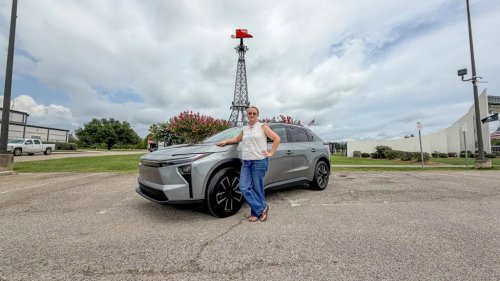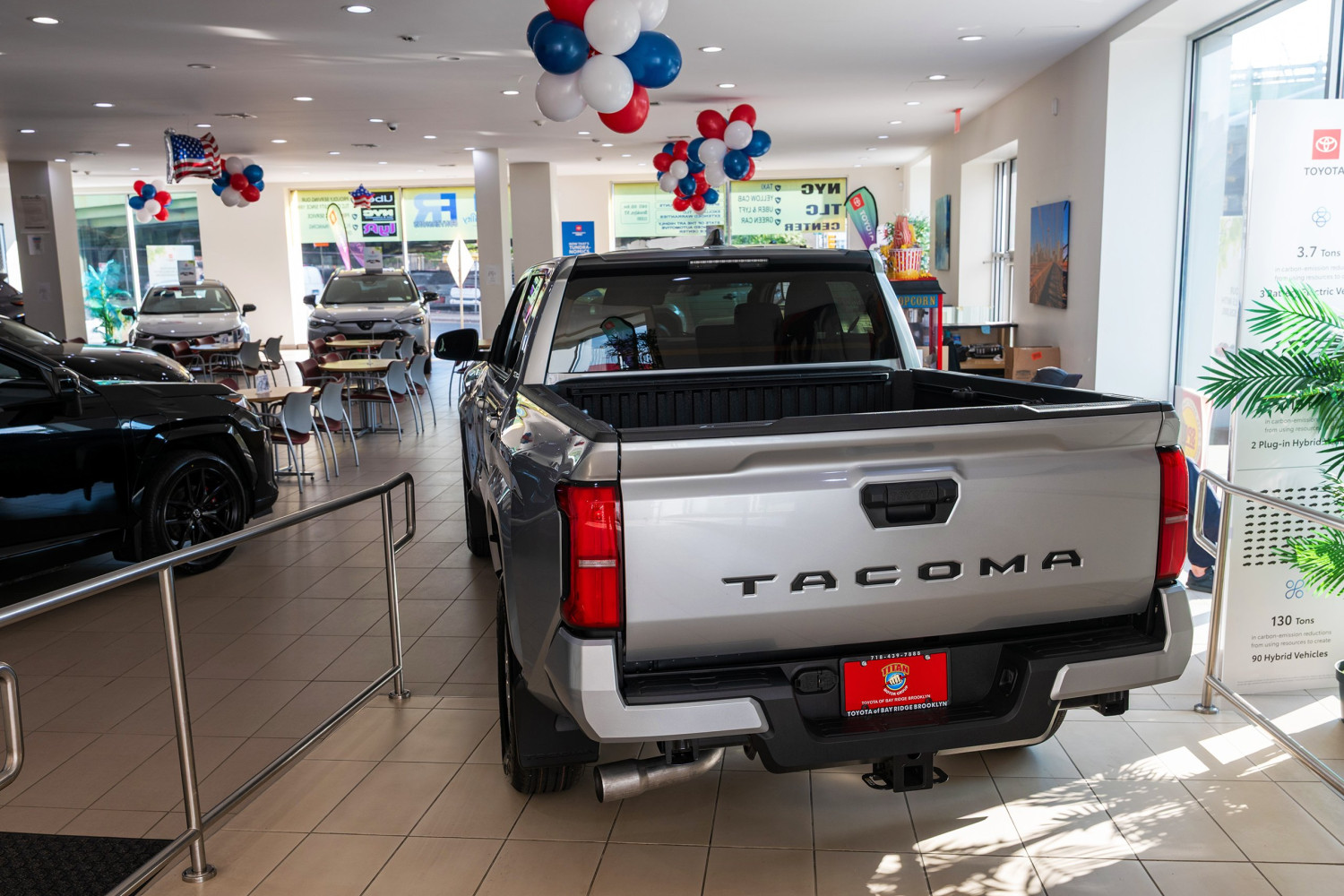



















Image Credit: jordan_the_ocho / TikTok.Most people expect a trip to the car dealership to be dull. You hand over your keys, drink mediocre waiting room coffee, and scroll your phone for an hour. What you probably do not expect is to arrive and find your vehicle surrounded by an AI-powered camera system silently scanning every inch of it. That is exactly what happened to one TikTok user, and her experience has touched off a much bigger conversation about data privacy, consent, and whether we have any idea what is actually happening to our information in everyday spaces.Jordan Ochoa, who posts on TikTok as @jordan_the_ocho, shared her experience visiting Precision Toyota in Tucson, Arizona, for routine maintenance. Nothing out of the ordinary, or so she thought. When she pulled in, she noticed what she described as a black camera system that had not been there on previous visits. Curious and a little unsettled, she asked the staff about it. The answer confirmed her suspicion: it was an AI system scanning her vehicle.Ochoa was not thrilled. Her issue was not necessarily with the technology itself, but with the fact that no one had told her it was there, and no one had asked for her permission. She had agreed to have her car serviced, full stop. A scan of her vehicle conducted by artificial intelligence, with data being stored somewhere unspecified, was not part of that agreement. When she pressed staff on where the data was going, she got a vague answer referencing a dealership database. When she asked whether the data was being shared elsewhere, no one could give her a straight answer.AdvertisementAdvertisementThat gap between what customers are told and what is actually happening to their data is at the heart of why this story resonated with so many people online. It also raises questions that go well beyond one dealership in Arizona.What Is the AI System and What Does It Actually Do?The technology in question appears to be from a company called UVeye, which makes AI-powered vehicle inspection systems used at dealerships around the world. The system works by photographing a vehicle from multiple angles, including underneath, and using AI to flag potential issues. Think tire wear, wheel alignment problems, windshield damage, and general exterior condition.From a dealership perspective, there is a real business case for this. The scans can speed up intake, give technicians a head start on identifying problems, and create a timestamped visual record of a vehicle's condition when it arrives. That last part is actually useful for both sides. If a customer later claims a scratch appeared during a service visit, the dealership can pull up the scan to confirm whether the damage was pre-existing. In theory, that kind of documentation protects everyone.UVeye told Motor1 that its data is encrypted, access-controlled, and handled with what the company describes as the highest standards of security. The company also noted that it operates more than 1,000 systems globally and works with some of the world's leading automotive brands.The Data Privacy Problem Nobody Talked About at IntakeHere is where things get complicated. When Ochoa eventually learned that the server storing her scan data was cloud-based, she was not reassured. She had originally been told the system used local servers. The updated information, which came from the dealership's general manager, confirmed that her vehicle data was being processed and stored in the cloud rather than kept on-site.AdvertisementAdvertisementUVeye's privacy policy indicates that data can be stored and processed across servers in the United States, the European Union, and Israel. For most people, the specific country is probably less concerning than the simple fact that their data is leaving the parking lot at all and going somewhere they did not agree to send it.The good news in Ochoa's situation, at least on a practical level: once she raised her concerns, the dealership informed her that the AI scan was optional. She could decline and have the inspection done the traditional way. That is a reasonable solution, but it raises an obvious follow-up. If opting out is available, why was it not offered upfront?What We Can All Learn From This IncidentThe Ochoa situation is a useful reminder that AI is not just a technology story anymore. It is a consent story, a transparency story, and a customer service story. The technology here is not inherently sinister. Vehicle inspection systems that catch problems early and create accountability records can be genuinely useful. The problem is when those systems are deployed without any communication to the people affected by them.Businesses adopting AI tools have a responsibility to be upfront about what they are collecting and why. A simple disclosure at check-in, something like "we use an automated system to photograph your vehicle's condition when you arrive," would have entirely changed the tone of this interaction. Instead, a customer had to notice the cameras herself, ask questions the staff were not prepared to answer, and escalate to management before getting even partial clarity.AdvertisementAdvertisementFor consumers, the takeaway is equally straightforward. It is worth asking questions when you drop your car off anywhere, just as you might ask why a website wants access to your location or contacts. You often have the right to opt out of data collection you did not know was happening. The trick is knowing to ask.Is Your Data Actually at Risk?One point worth addressing directly: the fact that data is stored on servers in multiple countries, including some that are geopolitically complex, does not automatically make it more vulnerable. Cybersecurity experts consistently note that the physical location of a server matters far less than the security practices surrounding it. Hackers target weaknesses in software, credentials, and configuration, not geography. Data sitting on a poorly secured server in your own city is far more at risk than data on a well-protected server overseas.That said, the legitimate concern is not really about hackers. It is about not knowing what you agreed to, what is being done with your information, and who else might have access to it. Those are reasonable things to want to understand before a camera system photographs the underside of your car. Whether dealerships, and the AI companies partnering with them, will get better at communicating that proactively remains to be seen.A Toyota Dealership Scanned a Woman's Car With AI Without Telling Her, and People Have Questions