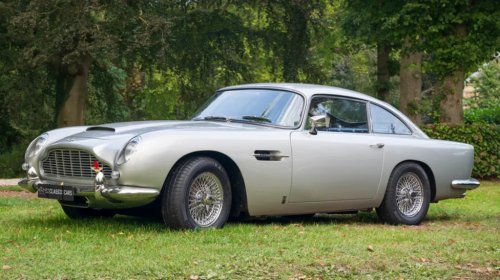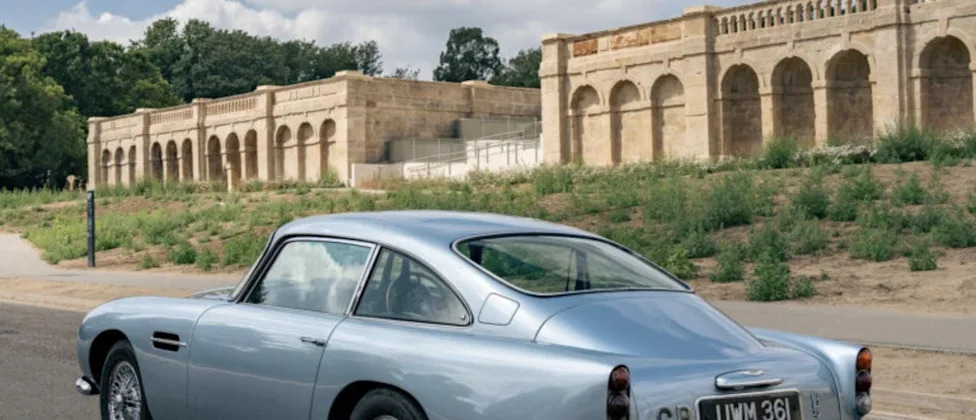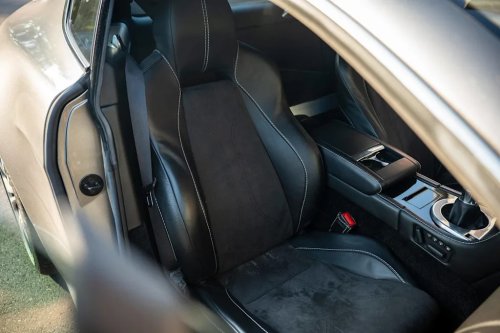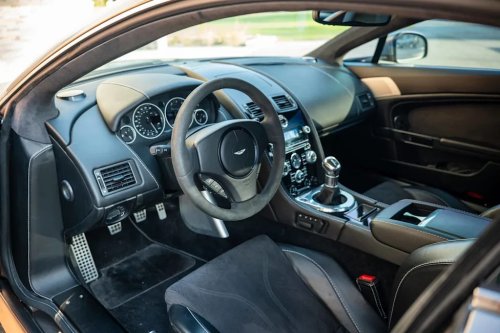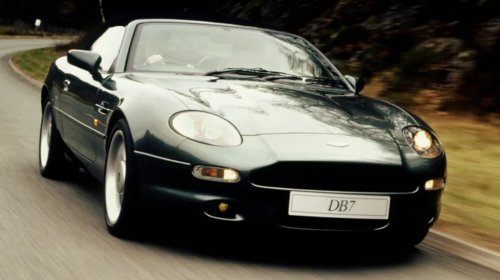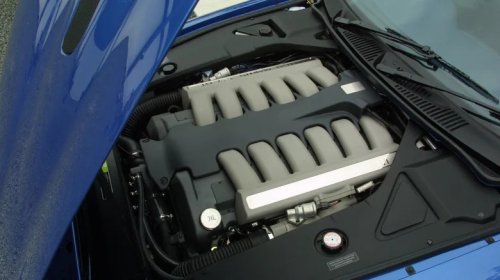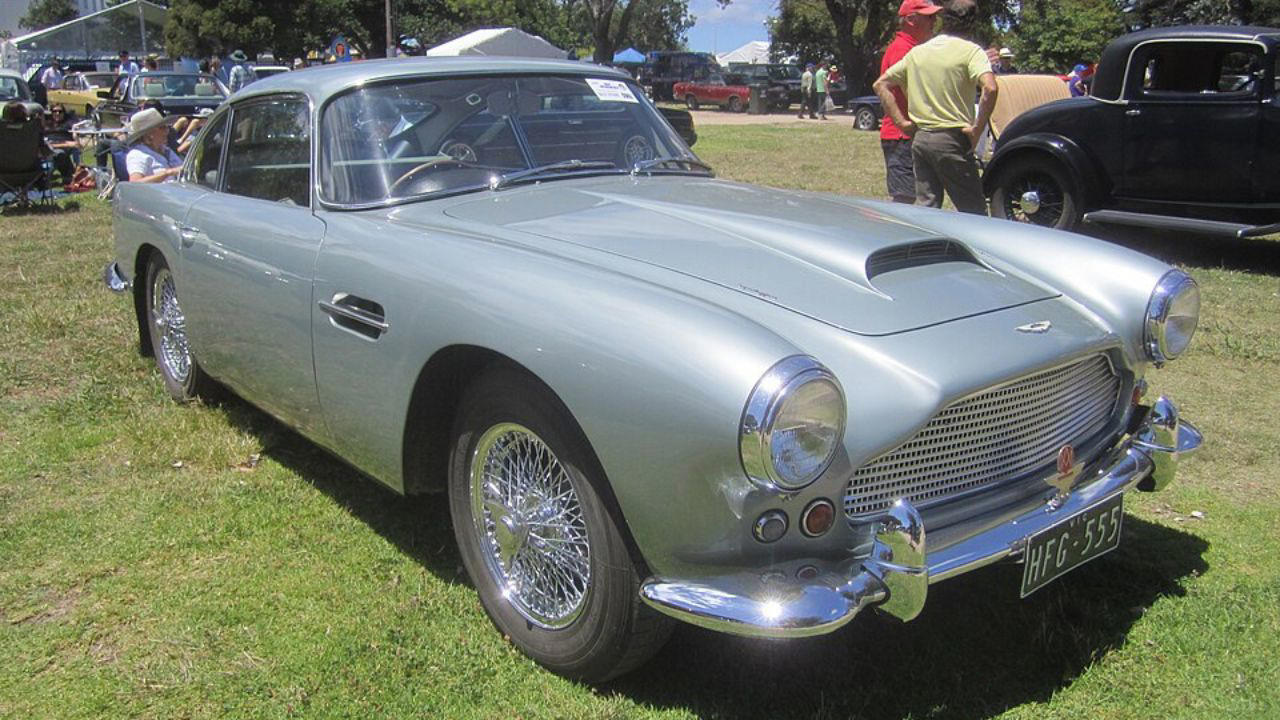



















Few cars aged as gracefully as the 1961 Aston Martin DB4Few cars from the early 1960s still look completely at home among modern machinery. The 1961 Aston Martin DB4 Series does. Its proportions, surfaces and stance feel as fresh as they did when it was new, and its mechanical specification still reads like a wish list for a serious driver rather than a museum piece. The DB4 arrived at a turning point for Aston Martin, bridging the raw postwar sports cars and the more famous grand tourers that followed. Six decades on, its design, engineering and values show how gracefully a well-judged GT can age. The car that set up a legend The DB4 was the foundation for the line that would soon give the world the DB5, the car forever linked with screen fame and now chronicled in detail in modern references to the Aston Martin DB5. Before that later model became a cultural shorthand for British cool, the DB4 had already defined the template: a fast, long-legged coupe with space for four and a hand-crafted cabin. Built by Aston Martin from 1958 until 1963, the DB4 introduced a clean break in styling and construction. It was lower and more modern than its predecessors, with a body that looked tailored rather than ornate. The 1961 Series IV version refined that formula just as the company was preparing the evolution that would become the DB5, which is why many historians describe the DB4 as the bridge between the early DB cars and the later icons. What changed for the Series IV In September 1961 Aston Martin revised the DB4 and designated the updated car as the Series IV. Contemporary descriptions of that update highlight visual and detail changes that subtly sharpened the design. The front grille moved from the earlier egg-crate style to a barred type with only seven vertical bars, which gave the nose a cleaner, more assertive look and hinted at the DB5 that would follow. Bumpers and lighting were also tweaked, and the stance sat just right over new wheel and tire combinations. Under the skin, the basic formula remained intact. The Series IV kept the same basic chassis, suspension layout and engine architecture that had already proved effective in earlier DB4s. What changed was the level of polish: improvements in cooling, trim and options created a car that felt more resolved without losing the edge that made the DB4 a serious driver’s car. Superleggera lines that still look modern Part of the DB4’s enduring visual appeal comes from its construction method. The car used superleggera coachwork, with aluminum body panels rolled over a tubular frame. A detailed look at a restored 1961 Aston Martin DB4 Series IV in period-correct blue, presented in a video by Jan, shows how the superleggera construction creates delicate yet purposeful curves without excess bulk. The long bonnet, short rear deck and gently rising waistline form a profile that still guides modern GT design. The roofline flows into a subtle fastback, and the side glass tapers neatly toward the rear, giving the car a poised, almost athletic posture. Unlike many contemporaries, there is very little chrome ornamentation. The Series IV in particular benefits from the cleaner grille and refined bumpers, which let the basic surfacing do the talking. Seen alongside current performance coupes, the DB4 does not read as a relic. The wheelbase, track and overhangs look almost contemporary, and the car’s height is modest without being extreme. That balance helps explain why a 1961 Aston Martin DB4 can sit in a modern city street and still look entirely appropriate. Engineering that rewards real driving The DB4’s mechanical specification is another reason it has aged so well. Period test drives and later recordings of the car in motion highlight the character of its inline six. A widely viewed drive of a 1961 DB4 captures the sound and performance of the 3.7 L engine as it revs through the gears, with a smooth but insistent growl that feels far removed from modern turbocharged units. That engine, a 3.7-liter dual overhead cam inline six, was paired with a four speed manual gearbox and rear wheel drive. A comparison test that set a 1961 Aston Martin DB4 against a Ferrari 250 PF lists the DB4’s specification as a 3.7-liter unit with a four speed manual, RWD and a period odometer reading that reflects serious use rather than static display. The same piece notes a market price of $325,000 for that example, which underlines how much enthusiasts still value the underlying hardware. Most Series IV DB4s were delivered with the engine in standard tune and twin SU carburettors. Buyers who wanted more performance could specify the DB4 Vantage package, which added a Special Series engine with triple SU carburettors and roughly 10 percent more power. Later references to the DB4 Vantage describe this Special Series configuration as closely related to the engine used in DB4 GT competition cars. Performance that still feels relevant On paper, the DB4’s performance figures remain impressive. A detailed description of a 1961 Aston Martin DB4 presented as a classic grand tourer notes that the car is Powered by a 4.0-liter inline-six engine and capable of a top speed of around 153 m per hour, or 246 km/h. Even if individual cars vary by tune and gearing, that figure places the DB4 firmly in modern sports car territory. Later evolutions of the DB4 engine in high performance Vantage form reached 270 hp. A history of the Aston Martin Vantage line notes that one such specification made 270 hp, roughly 10 percent more than a stock DB4, while keeping the same basic chassis. That kind of incremental development shows how far ahead the original design already was. Crucially, the DB4 delivers its performance in a linear, mechanical way that enthusiasts still seek. The long-throw gear lever, the weighty steering and the progressive brakes all demand attention, yet they reward smooth inputs. Rather than isolating the driver, the car communicates grip and balance through the wheel and seat. That quality makes the DB4 feel alive at legal speeds, which is one reason owners continue to drive them regularly instead of hiding them away. Luxury without excess Inside, the DB4 combines performance intent with genuine luxury. Period descriptions of DB4 GT road cars, which shared much of their cabin with standard DB4s, emphasize that they were, like every Aston Martin of the era, sumptuously appointed with Connolly hide and Wilton carpets. A retrospective on the model notes that, Though built for racing, DB4 GT road cars still carried Connolly leather and Wilton carpeting, which gives a good indication of the materials used in the Series IV grand tourer. The dashboard layout is simple and functional, with large, legible instruments and metal toggle switches. There is very little plastic. Seats are slim yet supportive, and the rear bench can carry adults for shorter journeys, which made the DB4 a genuine four-seat GT rather than a 2+2 compromise. That mix of usability and craftsmanship helps explain why the car still feels like something that could be used for a long weekend away rather than just a short showground loop. From British GT to global blue chip The market has recognized the DB4’s lasting appeal. In the United Kingdom, guides to Aston Martin DB 4 Classic Cars for Sale state that prices commonly sit around £340,000 to £500,000, with the DB4 described as the model that bridges the earlier DB series and the later DB5 era. Those £340,000 to £500,000 ranges cover typical cars, not just the rarest variants. Valuation specialists tracking the 1961 Aston Martin DB4 suggest that buyers can Typically expect to pay around $586,000 for a car in good condition with average specification. That figure appears in a detailed Typically valuation summary for the 1961 model year. At the very top of the tree, special competition derivatives such as the 1961 Aston Martin DB4GT Lightweight with chassis number 0161/R have been valued at approximately $2,750,000, while the record price for a DB4 is $6,765,000 for the 1959 prototype DP199, a prototype that underlines how significant the model is to the brand’s history. These numbers are not just a reflection of scarcity. They show how collectors rate the DB4’s combination of design, performance and heritage. When a standard road car can command over half a million dollars and a racing derivative reaches multi-million territory, it suggests that the underlying car has crossed from classic into blue chip status. Series IV in the collector spotlight Within the DB4 family, the Series IV occupies an interesting niche. It is newer and more refined than the earliest Series I and II cars, yet it retains the cleaner, more compact body before the slightly longer Series V arrived. Enthusiast descriptions of the 1961 Aston Martin DB4 Series IV Coupe point out that it sits at the sweet spot between purity and comfort, with just enough modernisation to be usable but none of the visual bulk that some purists see in later cars. A feature on the 1961 Aston Martin DB4 Series IV Coupe describes it as a timeless classic sports car and emphasizes how the Series IV Coupe In the world of vintage sports cars stands out among iconic examples. That article notes that Some cars go beyond nostalgia and feel genuinely current in their proportions and detailing, and it places the DB4 Series IV firmly in that category. Market listings reflect that enthusiasm. Well-documented Series IV cars with matching numbers, original colors and desirable options such as the Vantage engine or factory overdrive tend to attract strong bidding. Buyers are often drawn to the Series IV because it offers the visual cues that would define the DB5, such as the revised grille and lights, while remaining rarer and slightly more understated. A GT that still invites use Part of what makes the DB4’s aging so graceful is that it remains usable. Modern owners report that the car can keep pace with contemporary traffic, cruise comfortably on motorways and tackle winding roads with confidence. The combination of a flexible six cylinder engine, relatively compact dimensions and good visibility makes it far less intimidating than some later supercars. At the same time, the car demands a level of engagement that many modern machines filter out. There is no power assisted steering in most examples, no traction control and certainly no configurable driving modes. The driver must manage the weight of the clutch, the timing of the shifts and the balance of the chassis. For enthusiasts, that interaction is a feature rather than a flaw, and it is one reason the DB4 retains such a strong following. Even the absence of luxuries such as air conditioning has become part of the car’s character. The comparison that lists the 1961 Aston Martin DB4 at $325,000 notes that these cars do not even have air conditioning, yet they still command serious money. That contrast highlights how buyers today are willing to trade modern convenience for authenticity and connection. More from Fast Lane Only Unboxing the WWII Jeep in a Crate 15 rare Chevys collectors are quietly buying 10 underrated V8s still worth hunting down Police notice this before you even roll window down