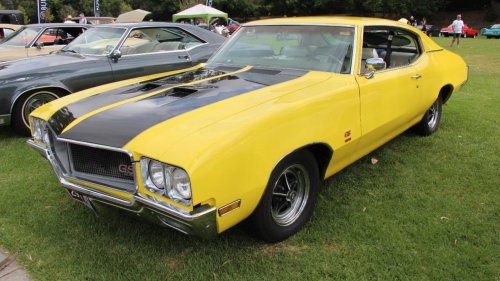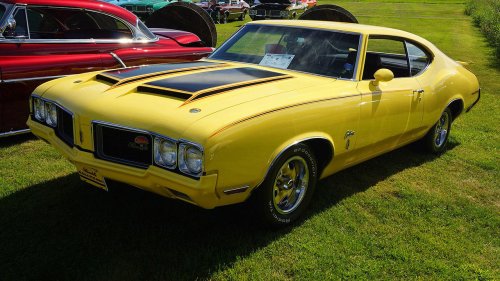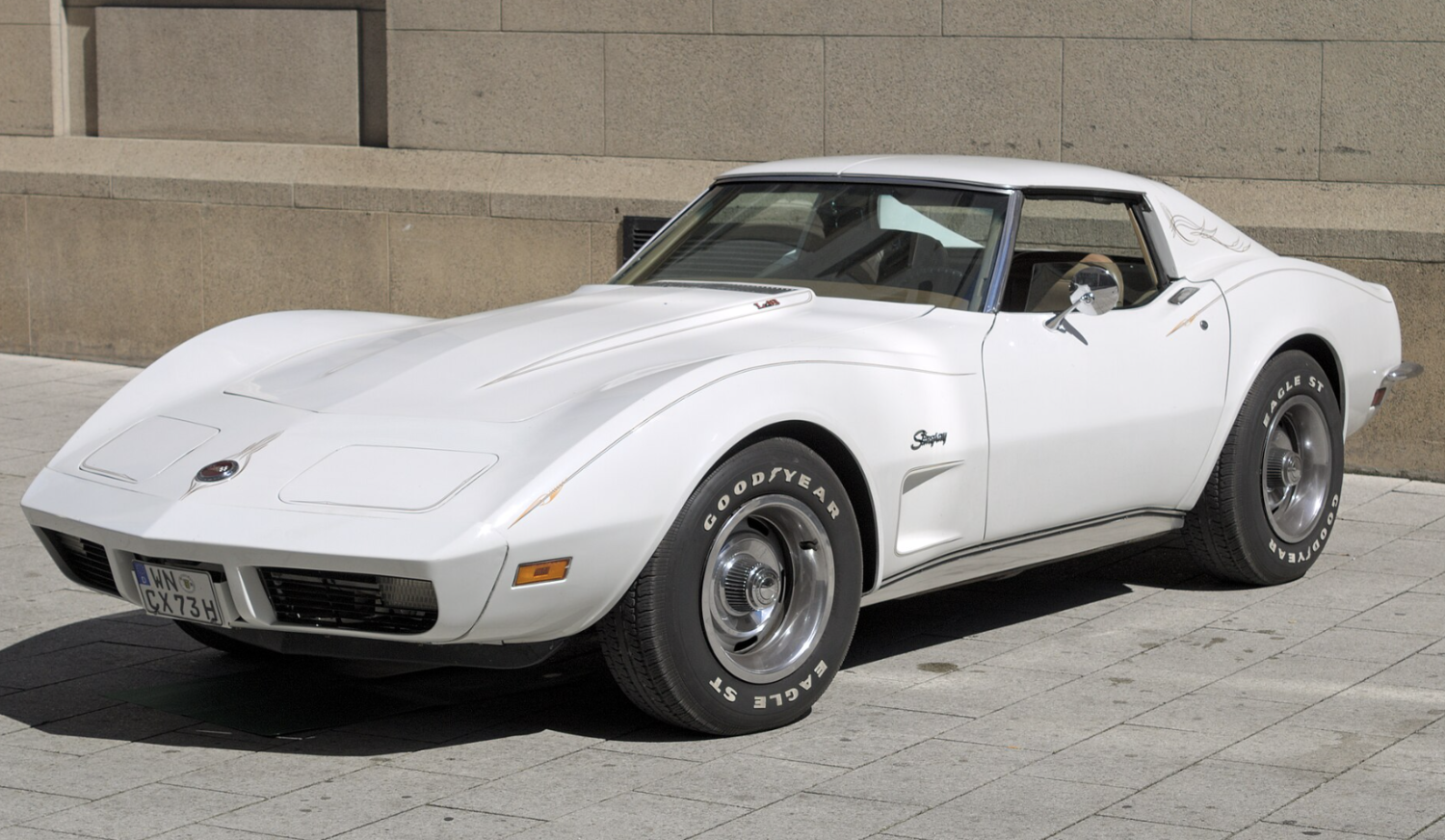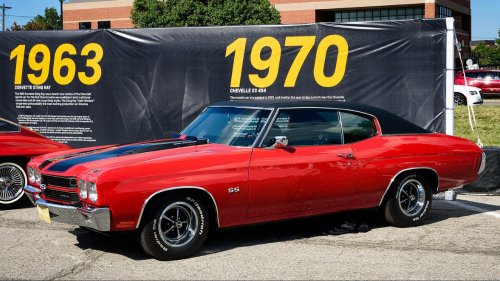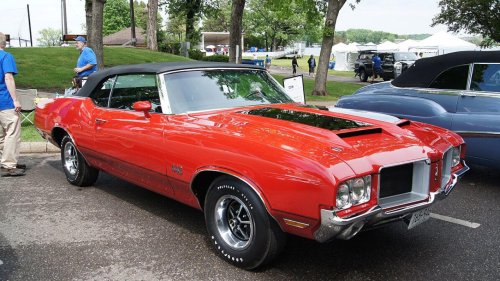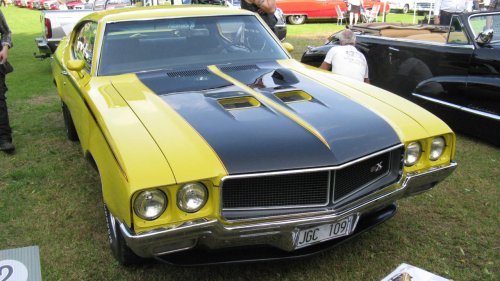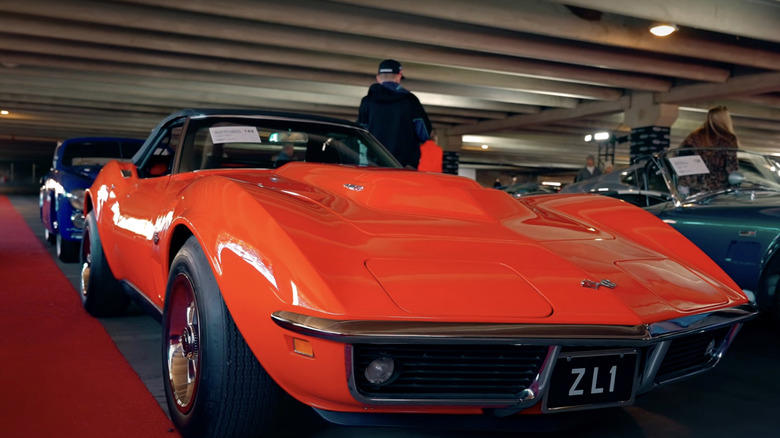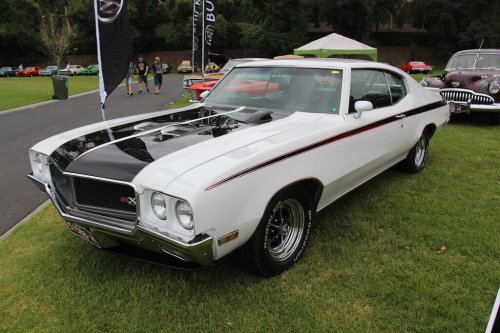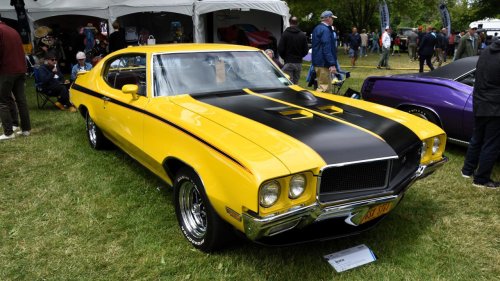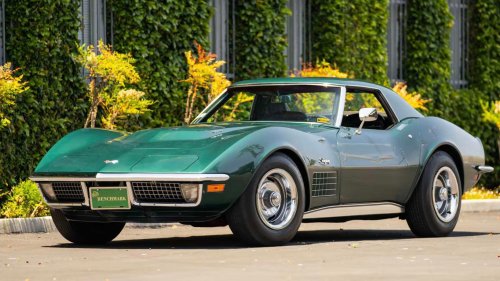
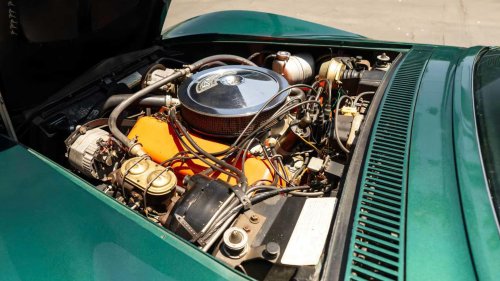
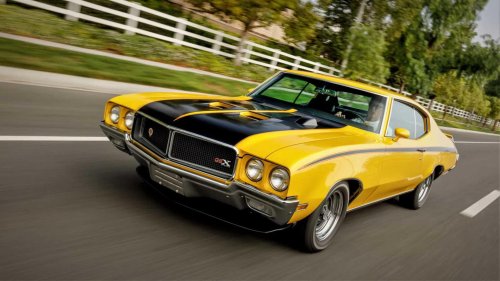
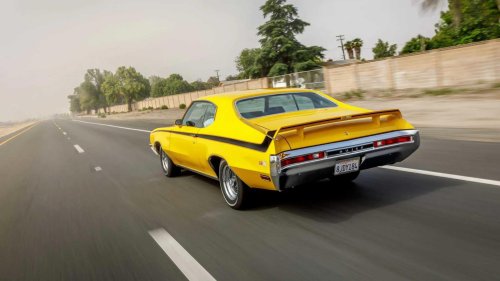
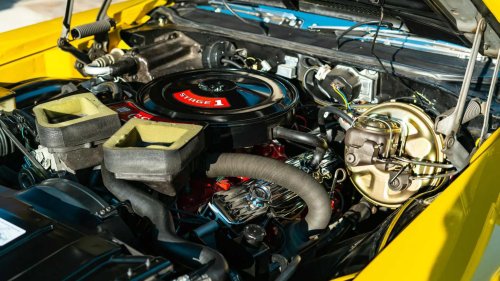
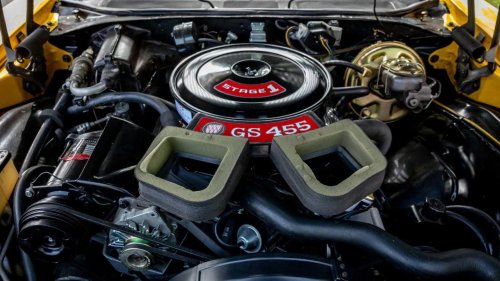
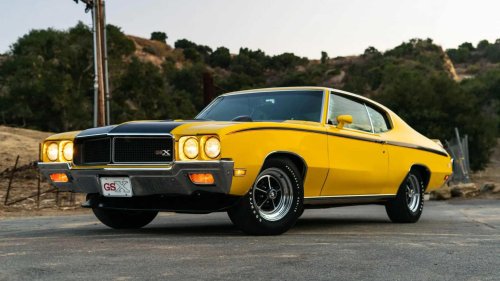
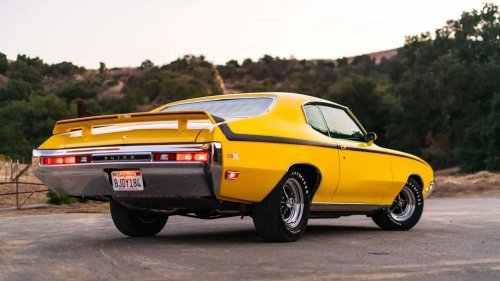



















In the twilight of the golden muscle car era, 1970 stood as the year of peak displacement and unrestricted horsepower. At the center of this high-octane universe sat the Chevrolet Corvette, the undisputed king of American performance. With its sleek fiberglass body and racing pedigree, the Corvette stood as the American benchmark for every other sports car.However, a quiet revolution was happening within General Motors. While Chevrolet focused on agility and top-end speed for the Corvette, another GM brand was engineering a luxury powerhouse designed to do the unthinkable. Known for comfort rather than racing, this marquee produced a gentleman's express that could humble the legendary Corvette on the drag strip. The Reigning Champ: The 1970 Corvette 454 LS5 Via: Mecum Auction By 1970, the third-generation Corvette, known as the C3, had firmly established itself as the premier American sports car. While the automotive world was shifting toward massive engines, the Corvette remained the standard for those who wanted a mix of style, status, and speed. Within the 1970 lineup, several engines were available, but the 454 cubic-inch LS5 V8 was the undisputed heavy hitter for the street. Although purists often gravitated toward the high-revving, small-block LT1 for road courses, the LS5 was the big-block king that provided the effortless, tire-shredding power that American buyers craved during the peak of the muscle car wars.The LS5 was a formidable power plant, officially rated at 390 horsepower and a staggering 500 lb-ft of torque. It took over the role of the primary performance engine after the rare and ultra-high-output LS6 was famously canceled for the Corvette that year. Despite this, the LS5 was far from a consolation prize. It offered a massive displacement that allowed the Corvette to dominate most challengers. With a relatively light fiberglass body weighing around 3,300 pounds, the power-to-weight ratio was exceptional. The Stingray was more than just a straight-line bruiser; its independent rear suspension and sleek aerodynamics made it the gold standard of American performance.Via: Mecum AuctionThe reputation of the 1970 Corvette was built on this duality of beauty and brawn. Most drivers assumed that nothing with a backseat could possibly keep pace with Chevrolet's flagship. However, while the Corvette was busy perfecting its image as a sophisticated carving tool, a brightly colored, heavy-set luxury coupe from the Buick division was preparing to prove that raw torque and clever engineering could trump aerodynamics in a quarter-mile sprint. The Challenger: 1970 Buick GSX Stage 1 Vs. The Corvette Philosophy Bring a TrailerIn 1970, Buick decided to shatter its reputation for building conservative cars for doctors and lawyers by releasing the GSX. This was a limited-edition high-performance package for the Gran Sport 455, and it was impossible to miss. Painted only in Saturn Yellow or Apollo White with bold black stripes and a prominent rear spoiler, the GSX was Buick’s loud entrance into the muscle car arena. It represented a bold gamble for a brand that usually prioritized refinement over racing, but the results were nothing short of legendary.The conflict between the GSX and the Corvette highlighted two very different automotive philosophies. The Corvette was a true sports car, engineered with a low center of gravity and a focus on balanced handling for tracks like Sebring. In contrast, the GSX was the quintessential American muscle car. It was a factory freak designed specifically for the stoplight-to-stoplight reality of suburban streets. While the Corvette was lean and nimble, the Buick was a heavy, comfortable brute that relied on sheer displacement and massive low-end grunt to overcome its 3,800-pound curb weight. It was a classic battle of a specialized athlete against a heavyweight brawler.Bring a TrailerThe ultimate David versus Goliath moment occurred when these two titans met on the drag strip. According to famous tests conducted by Motor Trend at the time, the Buick GSX Stage 1 clocked an incredible quarter-mile time of 13.38 seconds.In comparison, the Corvette 454 LS5 typically landed in the low 14-second range, with 13.8 seconds being the fastest. This meant that the plush, heavy Buick was actually significantly faster in a straight line than Chevrolet's dedicated sports car. It was a shocking revelation that proved luxury did not have to come at the expense of absolute dominance on the pavement. Under the Hood: The Torque King Explained Bring a TrailerThe secret to the Buick GSX’s dominance over the Corvette lies in the specific engineering of its 455 cubic-inch Stage 1 V8. While many manufacturers were focused solely on horsepower, Buick engineers prioritized the massive low-end grunt needed to move a heavy luxury car quickly. The Stage 1 package was a sophisticated upgrade that included high-flow cylinder heads with larger valves, a more aggressive camshaft, and a specially tuned Rochester Quadrajet carburetor. This combination resulted in an engine that breathed better and hit harder than almost anything else on the road.Bring a Trailer The defining characteristic of the Stage 1 engine was its earth-shattering 510 lb-ft of torque, which peaked at a remarkably low 2,800 rpm. To put that in perspective, this was the highest torque rating of any American production car for decades. This low-end grunt is precisely how the 3,800-pound Buick managed to out-launch the much lighter Corvette. While the Corvette needed time to build revs, the GSX used its immediate torque to lunge off the line, gaining a lead that the Stingray simply couldn't close in a standard quarter-mile sprint.Bring a Trailer Additionally, the GSX benefited from the common industry practice of understating performance figures. Officially rated at 360 horsepower to appease insurance companies, most experts agree that the Stage 1 upgrade was actually pushing closer to 400 horsepower. This conservative rating allowed owners to avoid massive insurance premiums while driving one of the fastest cars ever built. Market Value And Collectibility: Which Is The Better Investment? Bring a Trailer(Source: Hagerty)When comparing these two legends as investments, the Buick GSX Stage 1 holds a significant advantage in market value and exclusivity. While the Corvette remains a cultural icon with a massive following, the GSX has moved into the realm of "Blue Chip" collectibles. The 1970 Corvette LS5 is a highly desirable car, typically valued between $45,000 and $85,000. According to Hagerty's market valuations, a 1970 LS5 Coupe in good condition averages around $39,600, while a flawless Concours example can reach $84,700.In contrast, the Buick GSX Stage 1 commands a massive premium at auction. It is common to see these cars sell for between $120,000 and $200,000, with some exceptional examples even exceeding that range. Current data places a good-condition GSX at roughly $114,000, while a Concours-level specimen can command $188,000 or more. The primary driver of this price gap is extreme rarity. Chevrolet produced over 17,000 Corvettes in 1970; Buick, however, only built 678 GSXs, and only 400 of those were equipped with the legendary Stage 1 engine, and just 118 examples feature the manual transmission.Bring a Trailer Ultimately, the choice depends on the collector's goals. The Corvette is more recognizable and offers a better driving experience on winding roads, making it a popular choice for enthusiasts. However, for the serious investor, the GSX Stage 1 is the superior prize. Its scarcity, combined with its historical reputation as the car that could humble the flagship Corvette, ensures its status as one of the most prestigious and valuable muscle cars ever produced.Sources: General Motors, Hagerty, MotorTrend, Mecum