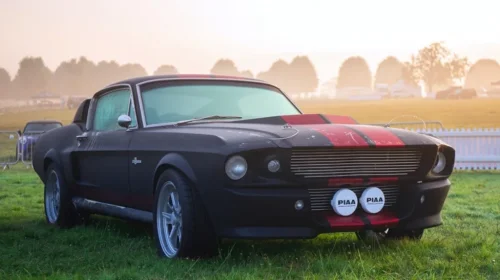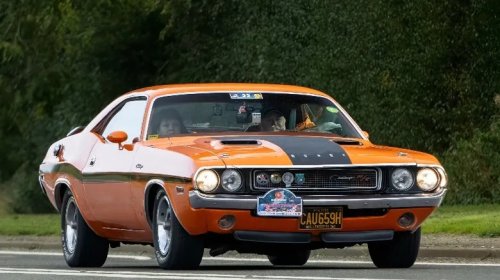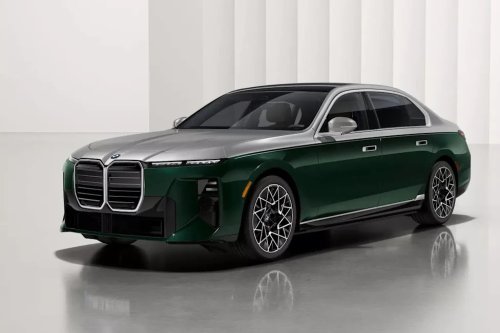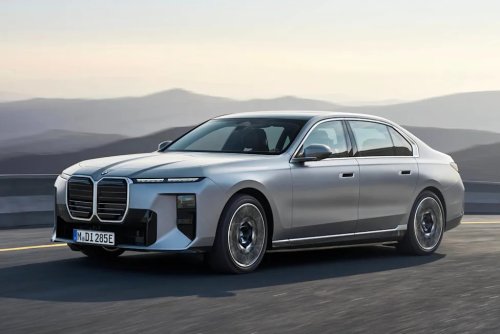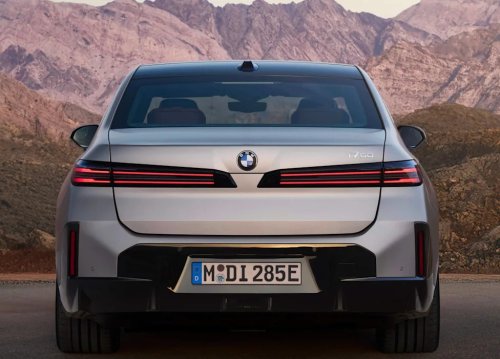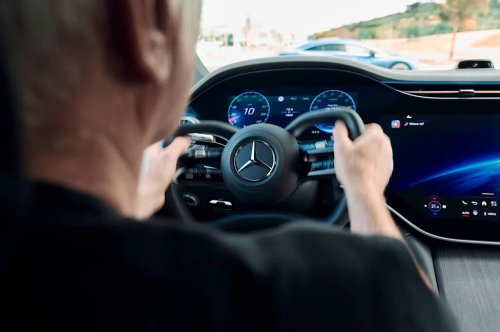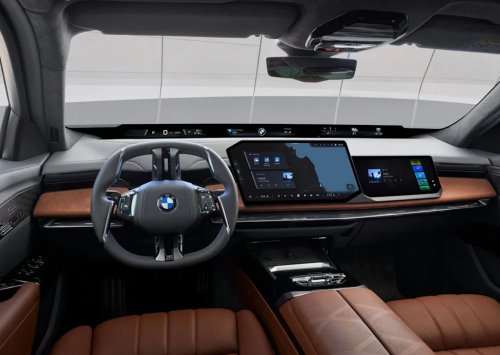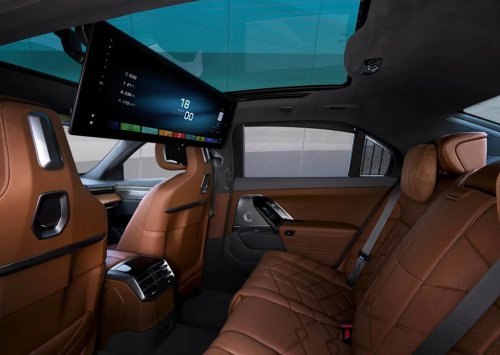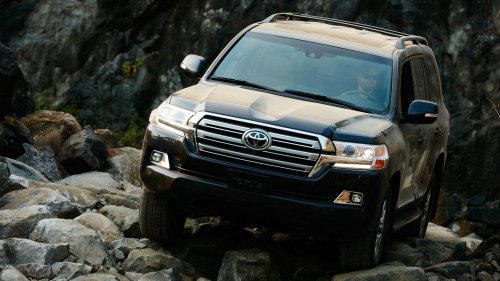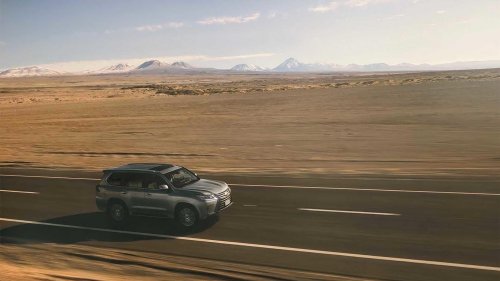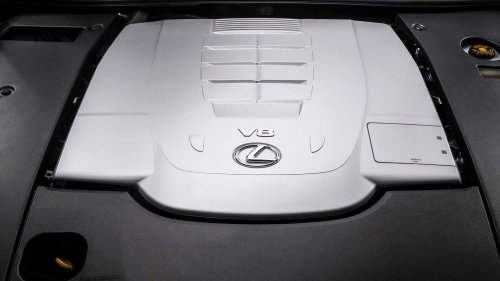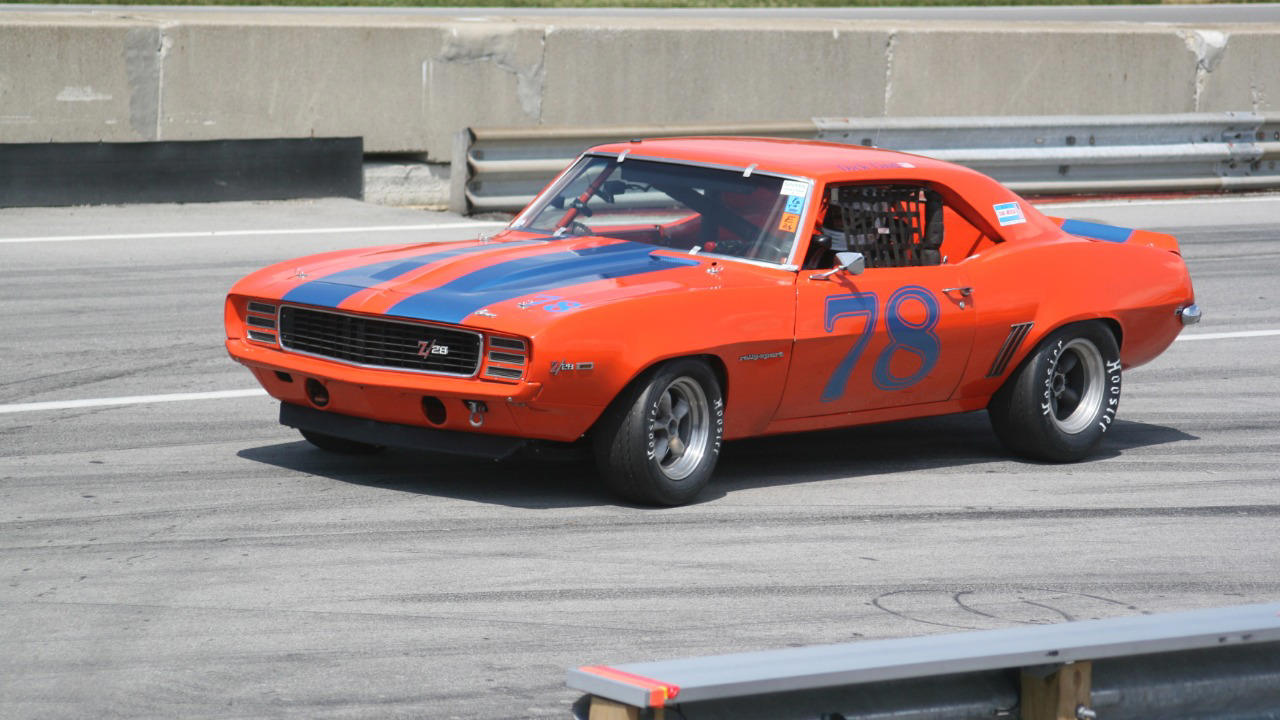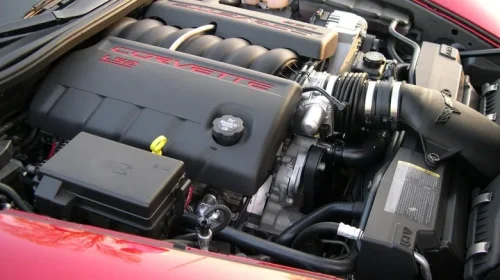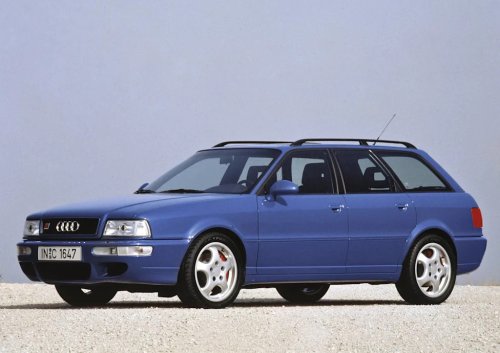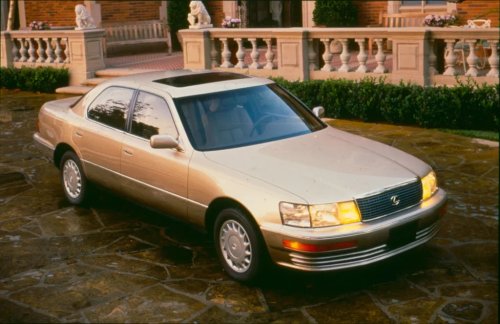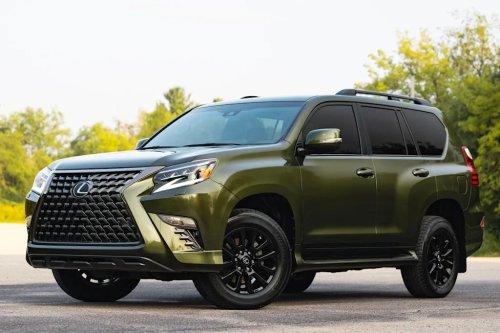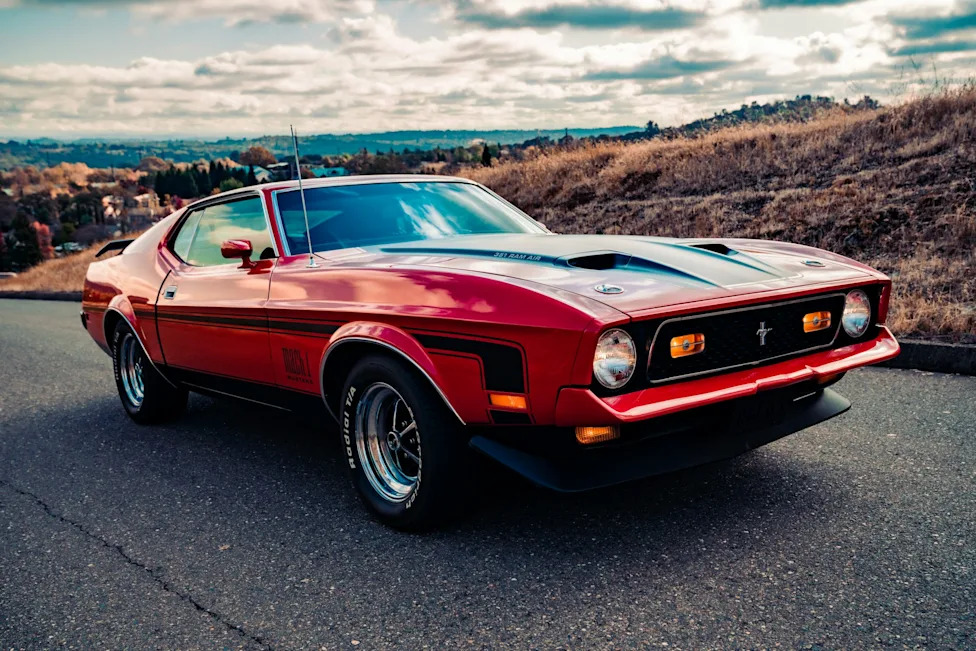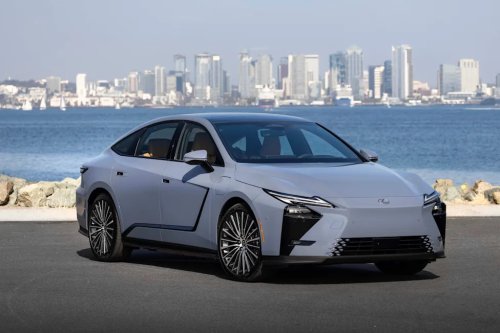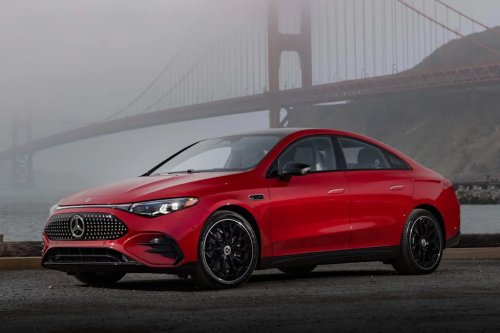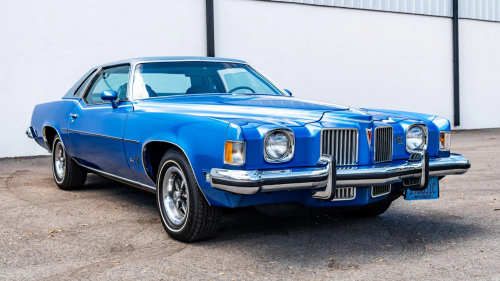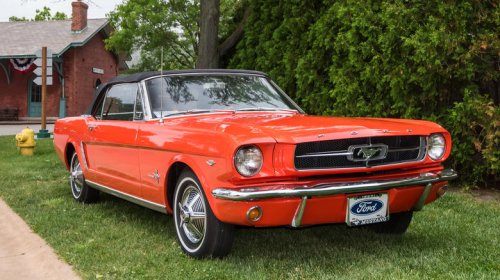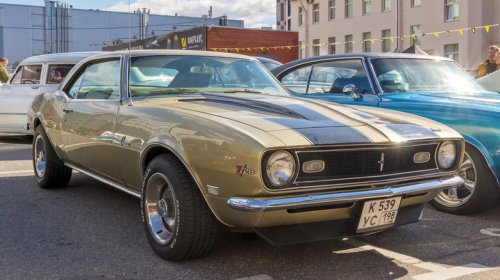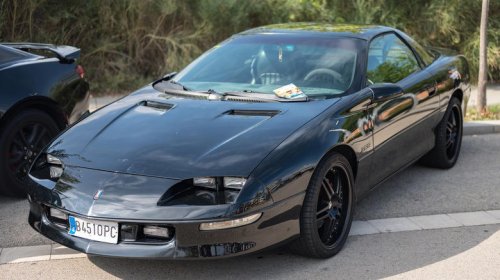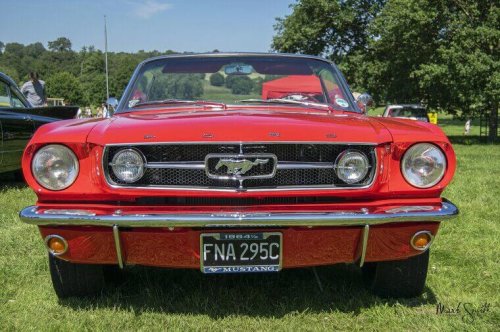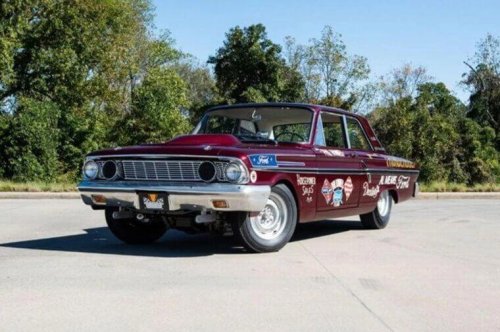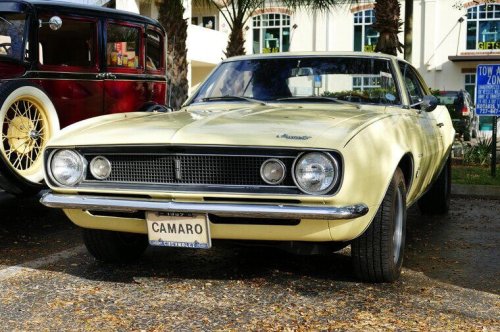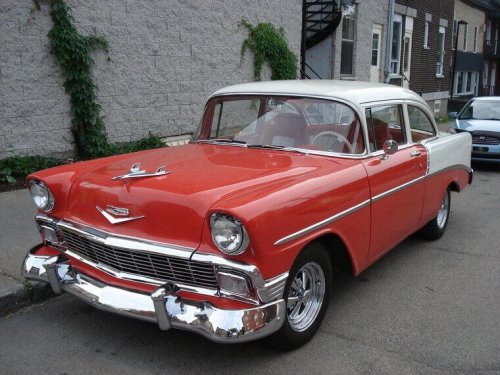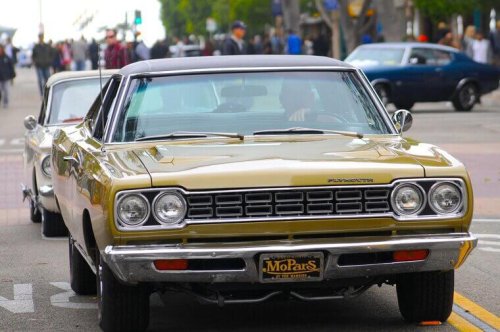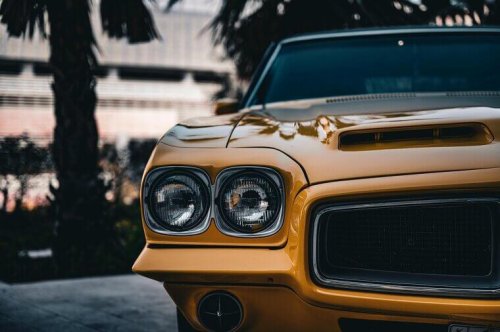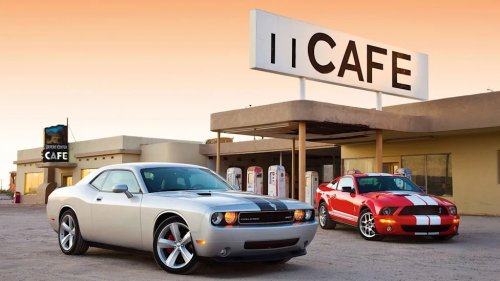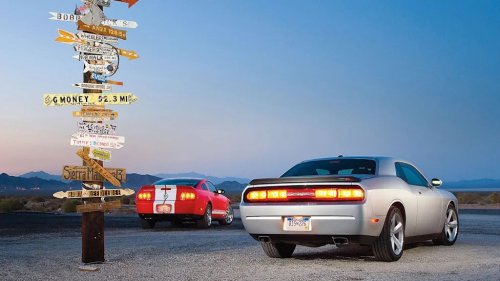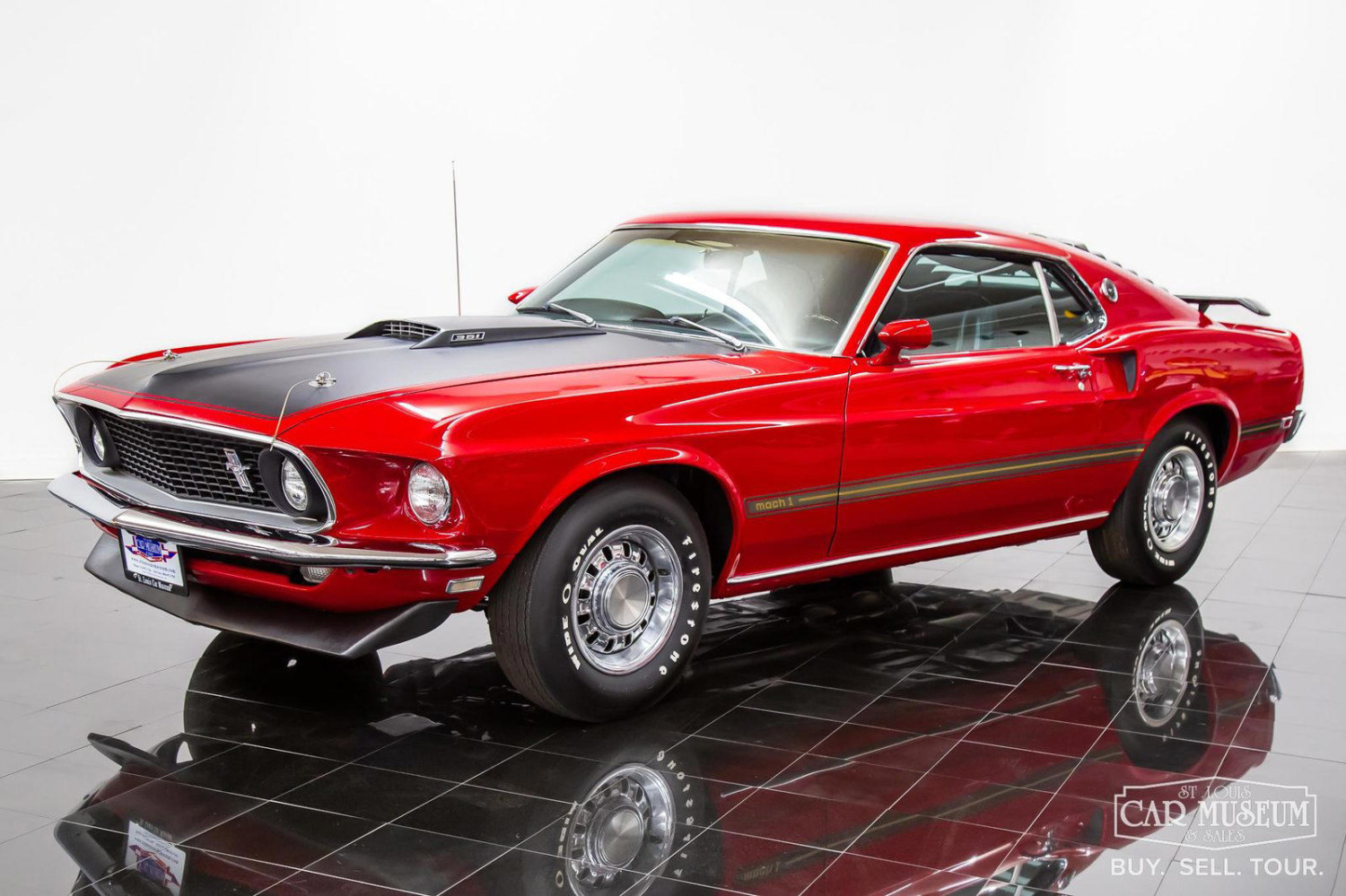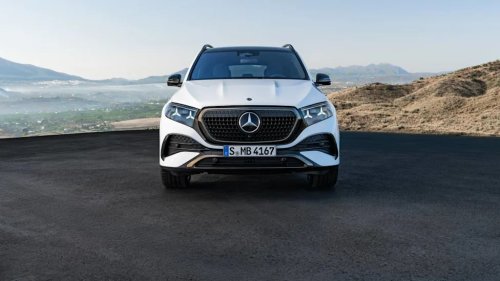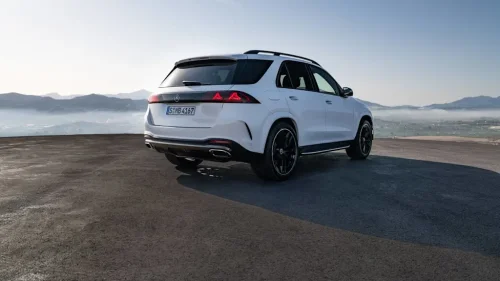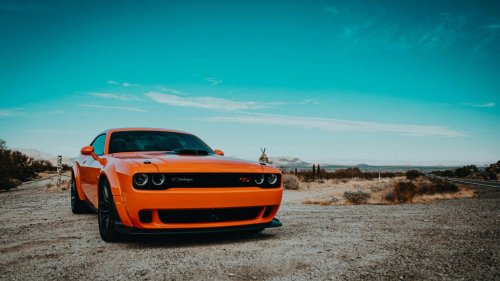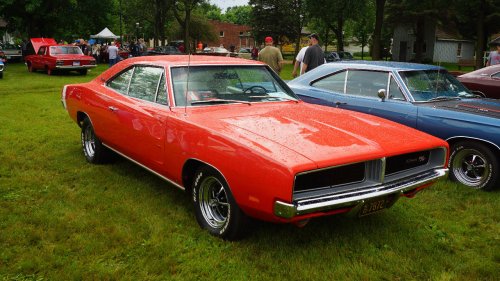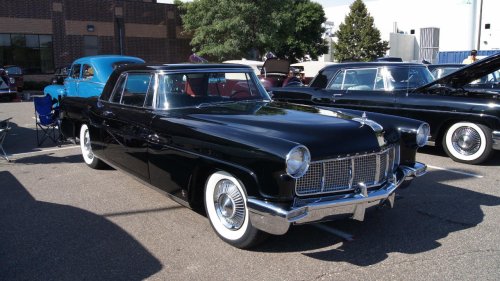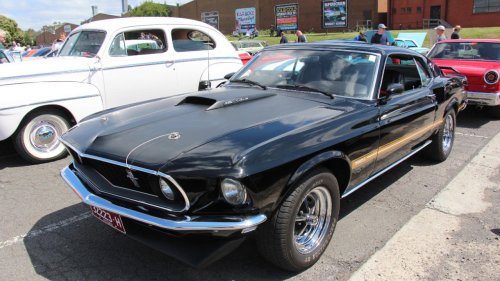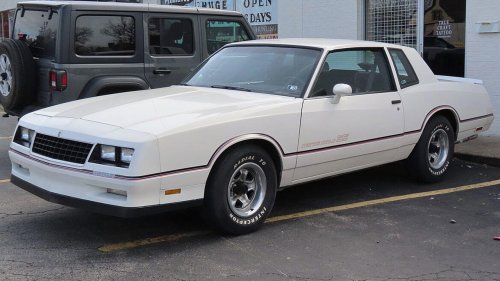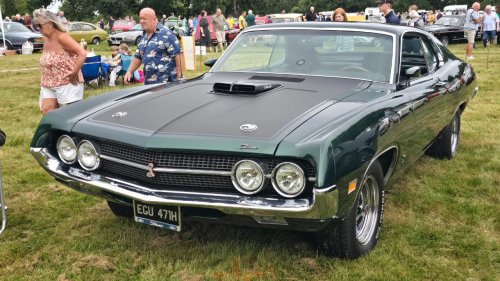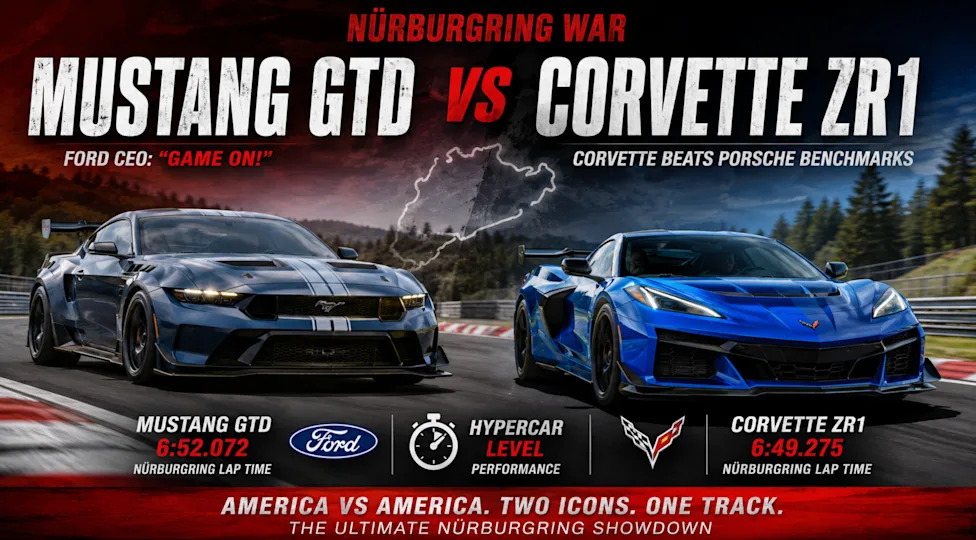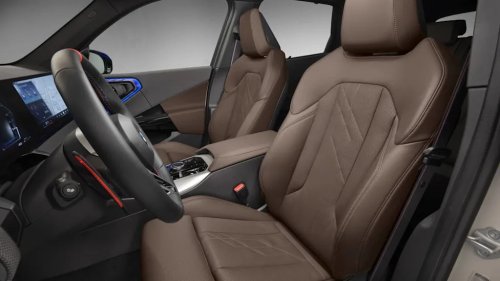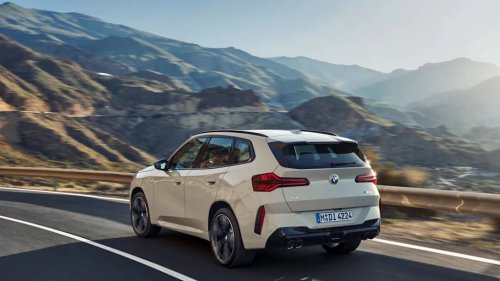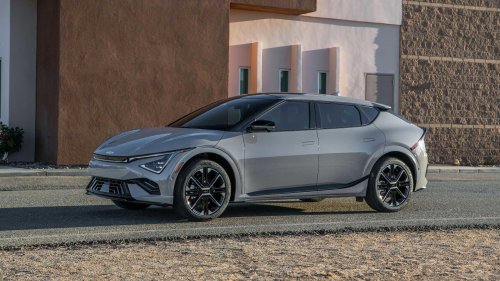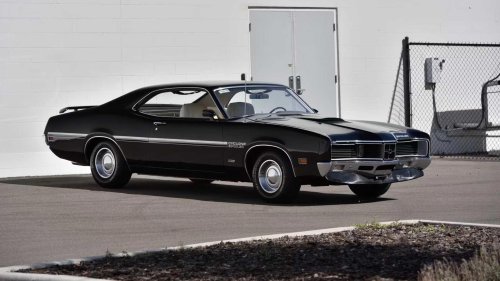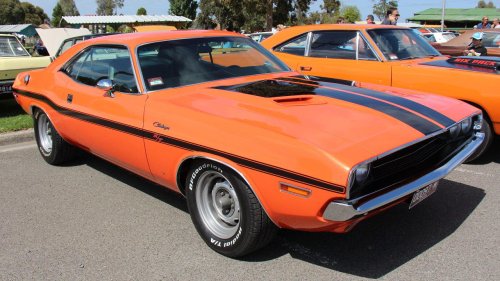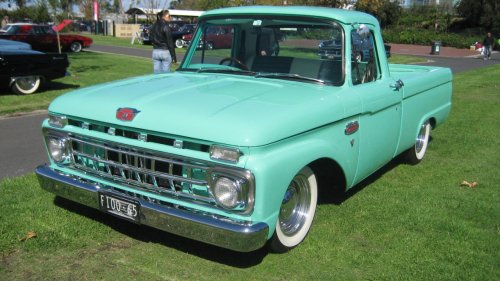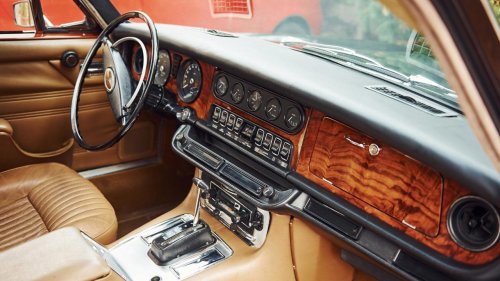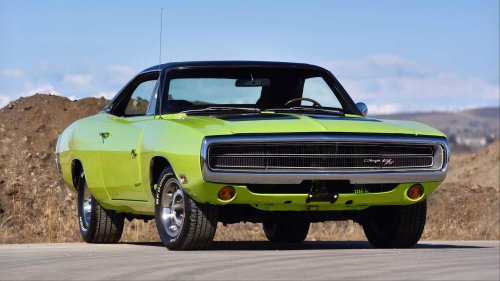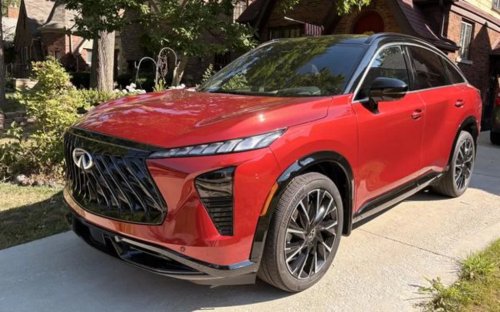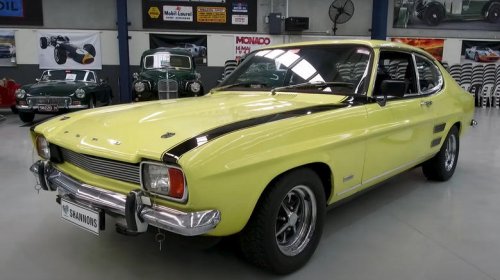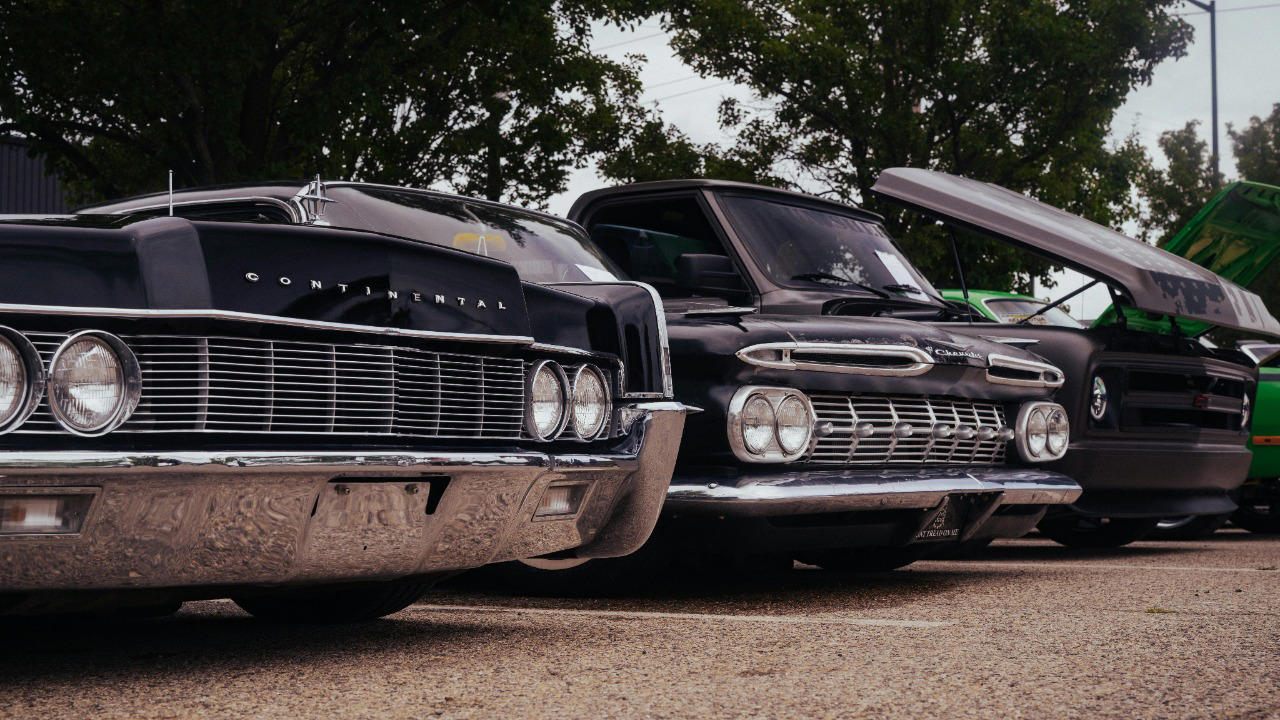



















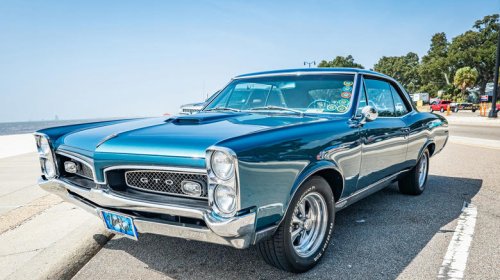
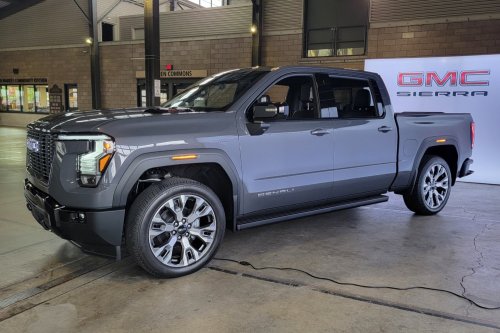
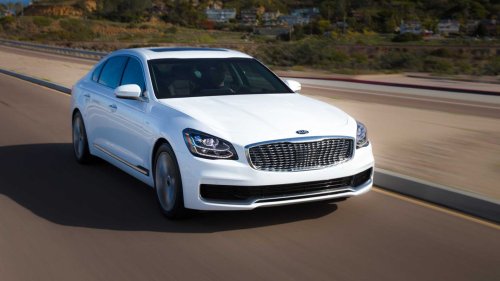
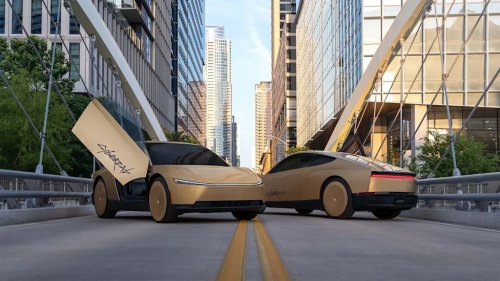
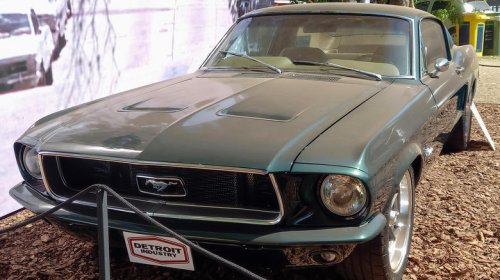
Classic muscle vs luxury cruisers which one holds more appeal todayThe allure of classic muscle cars and luxury cruisers has captivated automotive enthusiasts for decades. In an era where performance and comfort are constantly evolving, the question arises: which type of vehicle holds more appeal today? This article delves into the characteristics, cultural significance, and current trends surrounding these two distinct automotive categories. Defining Classic Muscle Cars Classic muscle cars are characterized by their powerful engines, aggressive styling, and a focus on performance that resonates with driving enthusiasts. Typically, these vehicles boast large-displacement V8 engines that deliver high horsepower and torque, allowing for impressive acceleration and thrilling driving experiences. The aesthetics of muscle cars often feature bold lines, wide stances, and an unmistakable growl that collectively embody the spirit of American automotive culture. The muscle car phenomenon emerged in the mid-1960s when manufacturers like Ford, Chevrolet, and Pontiac began producing high-performance versions of their standard models. Iconic cars such as the Ford Mustang (introduced in 1964), Chevrolet Camaro (1966), and Pontiac GTO (1964) became symbols of freedom and rebellion during a transformative period in American history. Over the decades, the muscle car segment has evolved, adapting to changing regulations and consumer preferences while maintaining its core identity of raw power and performance. Models like the Dodge Challenger and Chevrolet Corvette continue to carry the torch for the muscle car legacy, blending modern engineering with nostalgic elements. Today, automakers are reviving classic designs and adding advanced technology to enhance the driving experience while retaining the essence of what makes muscle cars so appealing. Defining Luxury Cruisers Luxury cruisers, on the other hand, prioritize comfort, advanced technology, and premium materials over sheer performance. These vehicles are designed to provide an opulent driving experience, often featuring spacious interiors, high-quality leather upholstery, and sophisticated infotainment systems. Modern luxury cruisers are equipped with cutting-edge technology, such as adaptive cruise control, lane-keeping assistance, and advanced sound systems, making them as much about technology as they are about comfort. Over the years, the luxury vehicle market has shifted from a focus on high-performance engines to a greater emphasis on comfort and convenience. Brands such as Mercedes-Benz, BMW, and Lexus have become synonymous with luxury, offering vehicles that not only perform well but also provide a serene and enjoyable driving experience. Models like the Mercedes-Benz S-Class and the BMW 7 Series exemplify this trend, featuring innovative technology and a commitment to passenger comfort. As the automotive landscape evolves, luxury cruisers are also embracing electric technology, with brands like Tesla leading the charge in combining luxury with sustainable driving. The emergence of electric luxury vehicles is reshaping consumer expectations and defining new standards for what it means to be a luxury cruiser in today’s market. Cultural Significance of Muscle Cars The cultural significance of muscle cars in American society cannot be overstated. They embody a spirit of rebellion and freedom, often associated with the youth movements of the 1960s and 1970s. Muscle cars are not just vehicles; they are icons that represent a lifestyle and a love for performance driving. Films like “Bullitt,” featuring Steve McQueen in a Ford Mustang, and “American Graffiti,” which celebrated classic cars, have cemented the muscle car’s place in popular culture. These vehicles are often romanticized in music and media, showcasing their power and allure. The muscle car community thrives on camaraderie and shared passion, with numerous events and car shows dedicated to celebrating these legendary vehicles. Events like the Muscle Car and Corvette Nationals and the annual Woodward Dream Cruise in Detroit draw thousands of enthusiasts eager to showcase their vehicles and connect with fellow fans. These gatherings foster a sense of belonging and shared appreciation for the craftsmanship and history behind muscle cars. Furthermore, muscle cars have played a role in shaping American identity, symbolizing the nation’s love affair with speed and power. As the automotive industry evolves, the cultural impact of muscle cars continues to resonate, influencing new generations of car enthusiasts and collectors. Cultural Significance of Luxury Cruisers Luxury cruisers carry a different cultural significance, often associated with status, success, and sophistication. In modern society, owning a luxury vehicle can be seen as a symbol of achievement and social standing. Brands like Rolls-Royce and Bentley epitomize the pinnacle of luxury, while more accessible luxury brands like Audi and Acura cater to a broader audience looking for prestige without breaking the bank. The portrayal of luxury cruisers in advertising and popular culture often emphasizes their refinement, comfort, and cutting-edge technology. Commercials highlight features like state-of-the-art safety systems, plush interiors, and superior performance, reinforcing the notion that luxury vehicles are a blend of elegance and innovation. Movies and television shows frequently showcase luxury cars as the preferred choice of characters who embody success and sophistication, further solidifying their status in popular culture. Moreover, luxury car ownership can have significant social implications. It often influences social dynamics, as people associate certain brands and models with specific lifestyles. Luxury vehicles can create barriers or open doors in social settings, impacting one’s perception in both personal and professional circles. As the demand for luxury cars continues to rise, their cultural significance evolves, reflecting changing societal values and preferences. Performance Characteristics: Muscle vs. Luxury When comparing performance characteristics, muscle cars and luxury cruisers offer distinct driving experiences that cater to different preferences. Muscle cars are known for their impressive horsepower and torque, enabling rapid acceleration and exhilarating driving. For instance, the 2020 Dodge Charger Hellcat boasts a supercharged 6.2-liter HEMI V8 engine, delivering a staggering 707 horsepower, while the Chevrolet Camaro ZL1 offers a 650-horsepower supercharged V8 that brings a thrilling driving experience. On the other hand, luxury cruisers typically focus on a balance between performance and comfort. While many luxury vehicles offer robust engines that deliver respectable power, their design emphasizes a smooth and refined driving experience. For example, the 2021 BMW 740i features a turbocharged 3.0-liter inline-six engine that produces 335 horsepower, providing an elegant yet powerful ride without sacrificing comfort. These vehicles often incorporate advanced handling technologies and adaptive suspension systems, allowing for a serene driving experience, even at high speeds. Technological advancements have also influenced performance in both categories. Muscle cars are increasingly incorporating features like advanced traction control and performance-tuned suspensions, enhancing their handling capabilities. Luxury cruisers, conversely, are integrating hybrid and electric powertrains, offering a quieter ride while maintaining impressive performance metrics. This evolution highlights how both muscle cars and luxury cruisers are adapting to meet the demands of modern consumers. Design and Aesthetics The design and aesthetics of classic muscle cars and luxury cruisers are starkly different, reflecting their unique identities. Muscle cars often have a bold, aggressive appearance, featuring wide bodies, muscular profiles, and distinctive styling cues that demand attention. The classic Ford Mustang, for instance, showcases a long hood and short rear deck, while the Chevrolet Camaro’s design emphasizes aerodynamic lines and a sporty stance. These visual elements not only enhance their performance image but also evoke nostalgia among enthusiasts. In contrast, luxury cruisers focus on elegance, sophistication, and attention to detail in their design. High-end luxury vehicles often feature sleek lines, refined curves, and an overall aesthetic that conveys opulence. The interior design of luxury cruisers places a premium on comfort, with features such as heated and ventilated seats, high-quality materials, and advanced ambient lighting. Models like the Audi A8 and the Lexus LS are prime examples of how luxury vehicles combine cutting-edge design with a focus on passenger experience. Customization and personalization trends also play a significant role in the appeal of both categories. Muscle car enthusiasts often modify their vehicles to enhance performance or create a unique look, while luxury car buyers may opt for bespoke options that reflect their individual tastes. As a result, both muscle cars and luxury cruisers offer a canvas for owners to express their personalities, further enhancing their allure in the automotive landscape. Market Trends and Consumer Preferences Current market trends indicate a dynamic landscape for both muscle cars and luxury cruisers. Sales data shows that while muscle cars remain popular among niche audiences, luxury vehicles are experiencing significant growth. According to recent reports, luxury car sales in the United States have been on the rise, with brands like Mercedes-Benz and BMW consistently ranking among the top sellers. This trend reflects a broader shift in consumer preferences, with many buyers seeking the comfort and technology offered by luxury vehicles. Demographics also play a crucial role in shaping the market for these vehicles. While muscle cars often attract younger buyers and enthusiasts who value performance and nostalgia, luxury cruisers appeal to a broader demographic, including affluent individuals and families looking for comfort and status. The rise of millennials and Gen Z as key consumer segments is influencing the types of vehicles being produced, with manufacturers adapting their offerings to meet the demands of younger buyers. The emergence of electric vehicles is also impacting both segments. Many muscle car manufacturers are beginning to explore electric powertrains, with models like the Ford Mustang Mach-E showcasing a new direction for the classic brand. Meanwhile, luxury automakers are leading the charge in electric vehicle innovation, with companies like Tesla revolutionizing the market. The integration of electric technology into both muscle and luxury segments is reshaping consumer expectations and driving new trends in automotive design and performance. Cost of Ownership and Maintenance When considering the cost of ownership, muscle cars and luxury cruisers present distinct financial implications. Generally, muscle cars tend to have a lower initial purchase price compared to luxury vehicles. For example, a new Ford Mustang starts around $27,000, while a luxury sedan like the Mercedes-Benz E-Class can easily exceed $60,000. However, the long-term costs associated with these vehicles can vary widely. Maintenance costs for muscle cars can be more manageable, especially when it comes to routine service and repairs. Many muscle car models share parts with other vehicles in their manufacturer’s lineup, making replacement parts relatively affordable. Conversely, luxury cruisers often come with higher maintenance costs due to the complexity of their technology and the use of premium materials. For instance, a luxury vehicle may require specialized service, leading to higher repair bills. Insurance costs are another consideration. Muscle cars may attract higher insurance premiums due to their performance-oriented nature, while luxury cruisers can also be expensive to insure due to their value and advanced technology. Buyers should carefully evaluate their options and factor in financing considerations when purchasing either type of vehicle to ensure they are prepared for the total cost of ownership. Future of Muscle Cars vs. Luxury Cruisers The future of muscle cars and luxury cruisers is being shaped by emerging technologies and changing consumer preferences. As the automotive industry moves toward greater sustainability, muscle cars face unique challenges in adapting to an environmentally conscious market. Manufacturers are beginning to explore hybrid and electric powertrains, aiming to maintain the performance characteristics that enthusiasts cherish while reducing emissions. The all-electric Ford Mustang Mach-E represents a significant step toward this evolution, showcasing how muscle car brands can innovate while staying true to their roots. Luxury cruisers, on the other hand, are already embracing the electric revolution, with brands like Porsche and Tesla leading the way. The introduction of electric luxury vehicles is redefining expectations, as consumers seek not only performance but also eco-friendliness. Autonomous driving technology is also becoming a focal point for luxury automakers, with features like self-parking and adaptive driving systems enhancing the overall driving experience. As we look to the future, both muscle cars and luxury cruisers will need to navigate the challenges posed by changing regulations and consumer demands. The competitive landscape will continue to evolve, as manufacturers strive to balance performance, comfort, and sustainability. Ultimately, the appeal of these vehicles will depend on their ability to adapt and resonate with the values of a new generation of drivers. More from Fast Lane Only Unboxing the WWII Jeep in a Crate 15 rare Chevys collectors are quietly buying 10 underrated V8s still worth hunting down Police notice this before you even roll window down *Research for this article included AI assistance, with all final content reviewed by human editors.