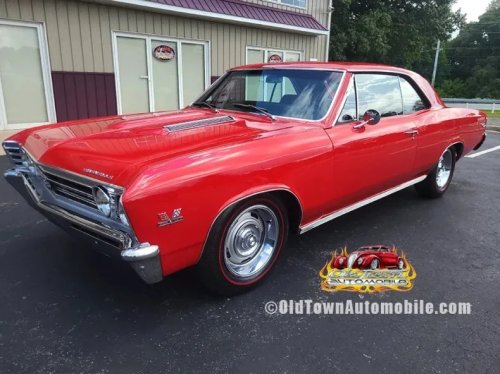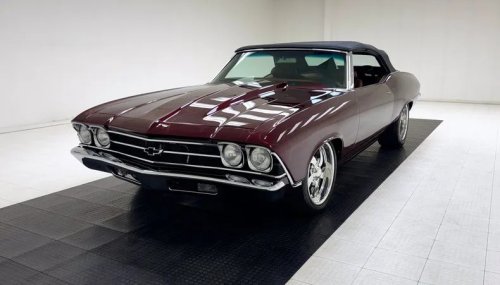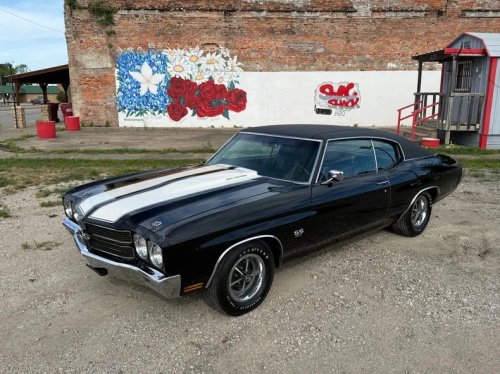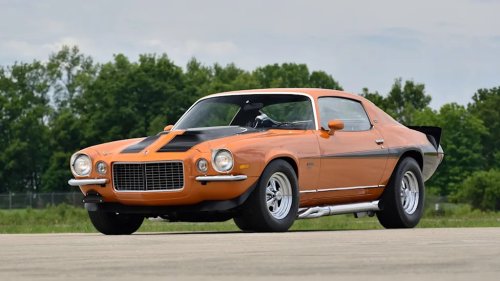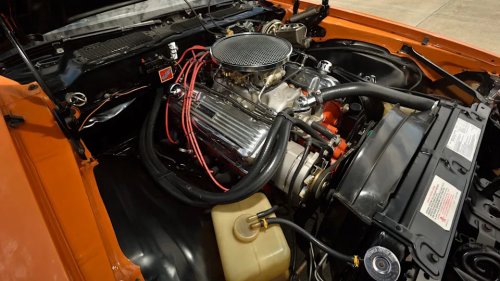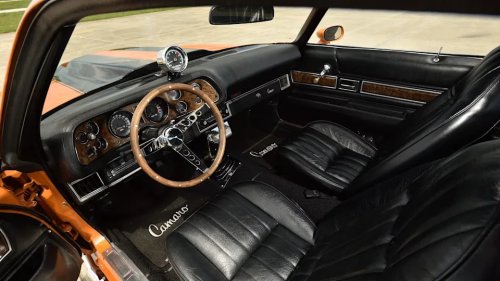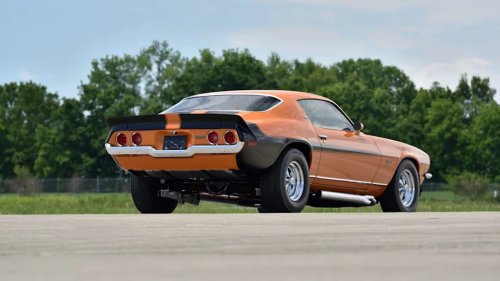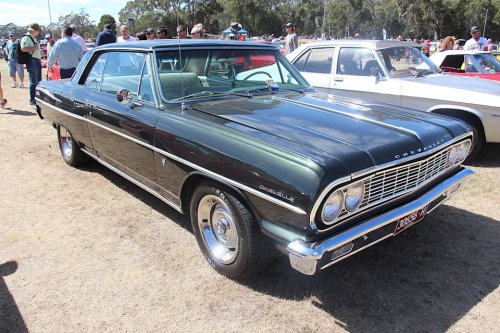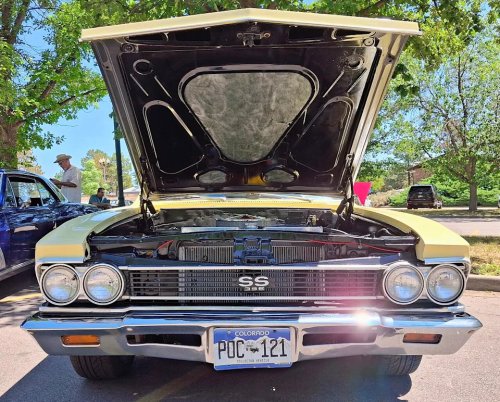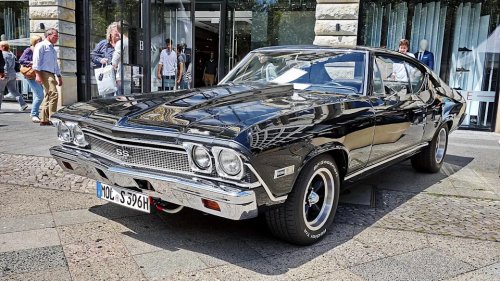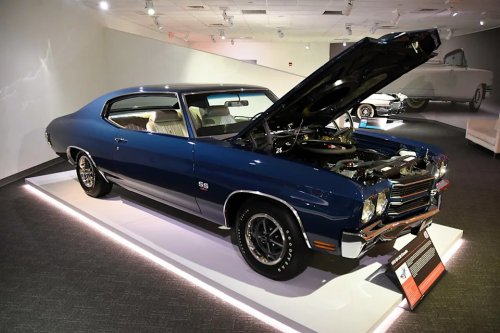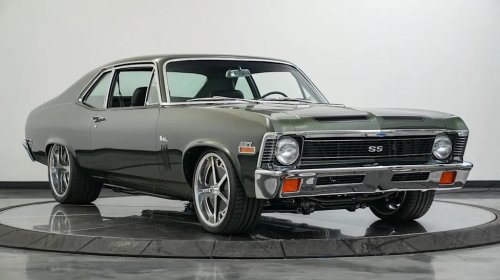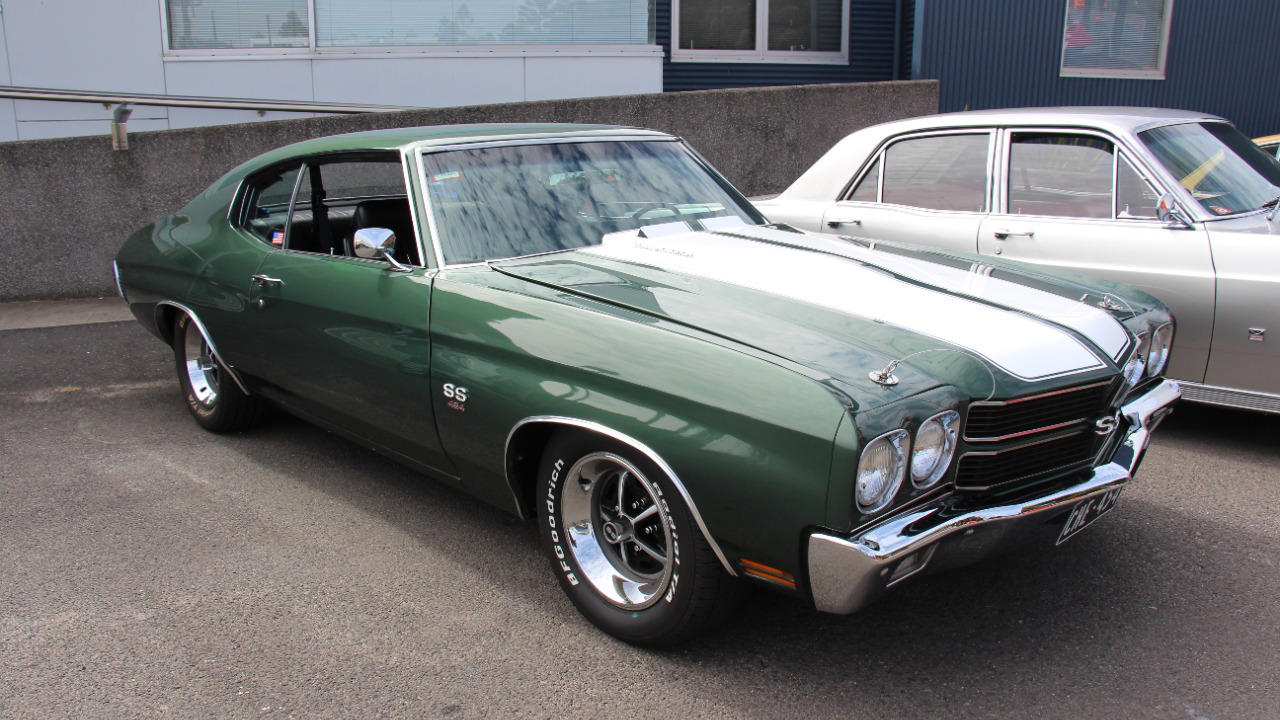



















The 1970 Chevelle SS 454 was more powerful than Chevy was willing to admitThe 1970 Chevelle SS 454 LS6 arrived as a factory street car that behaved more like a race machine with plates. Officially, Chevrolet and General Motors called it a 450 horsepower midsize coupe, but period testing, owner experience, and later analysis all point to a far more explosive reality. The disconnect between the window sticker and what the car actually did on the pavement is a story about insurance pressure, corporate politics, and a muscle car that quietly rewrote the rules. Half a century later, the 1970 Chevelle SS 454 still carries a reputation as one of the most brutal American performance cars ever built. Its published numbers were already extreme for the time, yet the real output of the LS6 big block, and the way it translated into quarter-mile dominance, suggests that Chevrolet was deliberately understating what this car could do. The LS6 arrives as Chevrolet’s nuclear option By the late 60s and into 1970, the Chevelle had become Chevrolet’s core muscle platform, and the SS package turned the midsize body into a straight-line weapon. The top configuration was the 1970 Chevrolet Chevelle SS 454 LS6, a car enthusiasts still describe as the king of the muscle era. In period and in modern discussions, the LS6 version of the Chevrolet Chevelle SS is routinely singled out as the most extreme configuration to leave a Chevrolet assembly line in 1970. At the heart of the package was the 454 cubic inch big block, a massive V8 that pushed the Chevelle into territory that had previously belonged to drag cars and limited-production specials. Chevrolet paired this engine with heavy-duty driveline parts, aggressive rear gearing, and functional cowl induction that fed cooler, higher-pressure air into the carburetor. The result was a car that looked like a family two-door but behaved more like a factory-built race car whenever the throttle was opened. On paper, the LS6 was rated at 450 horsepower. That figure alone made the Chevelle one of the most powerful factory cars in the United States, and it represented the highest advertised rating that General Motors was willing to print for a regular production model. Even in period, though, racers and tuners suspected that the 450 figure told only part of the story. Factory ratings versus real-world performance General Motors listed the LS6 454 at 450 horsepower, a number that has become a reference point for any discussion of American muscle output. In later analysis, enthusiasts have pointed out that the LS6 in the Chevelle was given that 450 rating while similar big block combinations in other platforms were pegged slightly differently. One detailed retrospective on the LS6 notes that the LS6 454 was rated at 450 ponies for the Chevelle, but 460 for another application, which already hints at some flexibility in how the same basic engine was presented to the public. That comparison appears in a feature that labels the 1970 LS6 454 Chevelle SS as Baddest Tire Smoker, and it highlights the way the 454 and the Chevelle SS were treated in factory literature. Mechanical specifications help explain why many observers see the 450 figure as conservative. The LS6 used a 454 CID V8 with high compression, a radical camshaft, large-valve cylinder heads, and a big Holley carburetor. One detailed listing from a museum display describes the LS6 Chevelle with an Engine that is a 454 CID V8, Horsepower rated at 450 hp at 5600 rpm, and torque of 500 ft-lbs. That same display notes a heavy-duty M22 Rock Crusher 4-speed Transmission, confirming that Chevrolet matched the big block with one of the strongest gearboxes in its catalog, as seen in the Newport Car Museum description. Torque figures tell an even clearer story. Modern enthusiasts discussing an original-spec 1970 Chevrolet Chevelle SS 454ci LS6 describe the combination as producing 450hp and 500 ft-lb of Torque, and they frame it as the sort of car that calls to mind a character like John Wick. That comparison appears in an online discussion that specifically cites a 1970 Chevrolet Chevelle SS 454ci LS6 450hp 500 ft-lb of Torque and uses the phrase Think John Wick to capture the car’s violent yet controlled demeanor. With that combination of displacement, airflow, compression, and torque, many engine builders argue that the LS6 was easily capable of exceeding its advertised rating. The car’s quarter-mile times in stock or near-stock trim often matched or beat the numbers of other muscle cars that carried similar or higher official horsepower figures. That gap between paper and pavement is where the story of the LS6’s hidden strength really begins. Why manufacturers sandbagged horsepower in 1970 By 1970, the insurance industry had started to pay close attention to muscle cars. High accident rates and rising claims pushed insurers to charge steep premiums for vehicles with big engines and high advertised horsepower. At the same time, regulators and safety advocates were scrutinizing performance figures that seemed to climb every year. In that environment, manufacturers had strong incentives to keep official numbers in check. Contemporary and modern observers point out that manufacturers of the era were known to underestimate actual horsepower to manage these pressures. One detailed description of a 1970 Chevelle SS454 4-speed notes that in the day, manufacturers were known to underestimate the actual horsepower of cars as a result of increasing pressure from authorities and insurance companies. That observation appears in a listing that introduces the car with the phrase in the context of period factory practices, and it directly connects the LS6’s published numbers to broader industry behavior. Video analyses of the LS6 Chevelle reinforce this explanation. In one breakdown of the 1970 Chevelle SS 454 LS6, the presenter notes that insurance companies called the LS6 combination the nuclear option and that General Motors rated it at 450 horsepower, describing that figure as the highest US factory rating of its time. The discussion of the 450 figure and its relationship to insurance pressure appears in a segment that calls the LS6 a 500 plus horsepower cover up and highlights how Motors rated it while enthusiasts suspected more. Another video that focuses on what it calls an illegal 454 Chevelle describes a car that rolled off the assembly line wearing an innocent looking Chevrolet badge while quietly packing what the host describes as the most powerful muscle car ever built. That description, tied to the idea that General Motors never wanted the public to see the car’s true potential, is part of a narrative that the Chevrolet big block LS6 was intentionally understated in official materials. Inside the LS6: why the numbers never quite added up The LS6 454 was not a mild street engine. It was a purpose-built big block with parts that had more in common with competition hardware than with family sedans. The 454 CID displacement meant huge cylinders and long stroke, which gave the engine a massive torque advantage from low rpm. High compression pistons, a wild cam profile, and large rectangular-port cylinder heads let the engine breathe like a racing unit at high revs. On top of that, Chevrolet bolted a big Holley four-barrel carburetor to an aluminum intake manifold, then added functional cowl induction that pulled cooler air from the base of the windshield. The Rock Crusher M22 4-speed Transmission option, described specifically in the Newport Car Museum listing, was designed to survive drag strip launches and high rpm shifts. When that museum car is described as a 1970 454 LS6 Chevelle with an Engine that is a 454 CID V8, Horsepower of 450 hp, torque of 500 ft-lbs, and an M22 Rock Crusher Transmission, the hardware list reads like a blueprint for a car that would easily exceed its paper rating under ideal conditions. Enthusiast coverage of the LS6 has long emphasized how this combination translated into real-world behavior. One feature that brands the 1970 LS6 454 Chevelle SS as The Baddest Tire Smoker Of All Time points out that the LS6 454 was rated at 450 for the Chevelle but 460 for another application, and it frames the Chevelle SS as a car that could shred its rear tires at will. The article that uses the phrase The Baddest Tire Smoker Of All Time in connection with the Chevelle SS is also referenced in social and merchandise links that repeat the wording The 1970 LS6 454 Chevelle SS and Baddest Tire Smoker phrase in a commercial context. Social and enthusiast channels reinforce this view of the LS6 as a barely contained drag car. In one Facebook post, a fan page describes how in 1970, Chevrolet built a 454 Chevelle that is even rarer than the LS6 and notes that the 1970 Chevrolet Chevelle SS 454 LS6 is widely considered the king of the muscle car era, a brutal and uncompromising machine. That post refers to the Chevrolet Chevelle SS and its 454 displacement as the benchmark for muscle car aggression. Evidence that the LS6 was making more than 450 horsepower Direct factory dyno sheets for the LS6 are not part of the public record in the sources provided, so exact verified output beyond 450 horsepower remains unconfirmed. Unverified based on available sources. However, several lines of evidence support the idea that the real figure was higher than advertised. To start, the LS6’s torque rating of 500 ft-lbs is unusually high relative to its stated horsepower. For a naturally aspirated engine of this type, a torque figure that large often correlates with horsepower that climbs above the published peak when measured at the flywheel without accessories. The Newport Car Museum listing that gives the LS6 Chevelle 450 hp at 5600 rpm and 500 ft-lbs suggests a power curve that would likely produce more than 450 horsepower if tested under less restrictive conditions. Period track performance often exceeded what other 450 horsepower cars could manage. While the sources here do not list specific quarter-mile times, modern video analyses of the LS6 Chevelle repeatedly frame the car as a 500 plus horsepower package. One such analysis describes how insurance companies labeled the LS6 the nuclear option and argues that the engine was intentionally underrated. The presenter in that video states that General Motors rated the car at 450 horsepower, then builds a case that the real output was significantly higher, which is why the clip refers to a 500 plus horsepower. The existence of similar or nearly identical 454 big block combinations rated differently in other platforms adds weight to the argument. The feature that calls the LS6 Chevelle SS The Baddest Tire Smoker Of All Time notes that the LS6 454 was rated at 450 for the Chevelle but 460 elsewhere. That 10 horsepower difference for essentially the same hardware suggests that the factory ratings were as much about marketing and positioning as they were about strict measurement. Finally, anecdotal reports from owners and tuners, while not formal data, consistently describe LS6 Chevelles outrunning other cars with similar or higher advertised horsepower. Combined with the known industry practice of underreporting output to manage insurance and regulatory scrutiny, these patterns support the idea that the LS6 454 in the Chevelle was more powerful than its 450 badge implied. The LS6’s outlaw aura and the “illegal” Chevelle narrative The LS6 Chevelle has gradually acquired an outlaw reputation, in part because of the way enthusiasts talk about its origins. One widely shared video describes a 454 Chevelle that General Motors never wanted the public to see, calling it the most powerful muscle car ever built and emphasizing that it rolled off the assembly line wearing an innocent looking Chevrolet badge. The host of that segment leans heavily on the word illegal to describe how the car slipped past corporate caution, and the clip anchors that story in the Chevrolet 454 Chevelle that enthusiasts revere. Another enthusiast channel introduces the LS6 Chevelle as a King Kong level muscle car. In that presentation, the host from Muscle Car Campy calls the LS6 Chevelle SS454 the giant of them all and suggests that the car still intimidates modern performance vehicles. The video, which opens with the greeting that it is Muscle Car Campy and that they are back with another King Kong classic, frames the LS6 as a car that pushed the limits of what General Motors and Chevrolet were willing to put on public roads, as seen in the Jun Muscle Car episode. These narratives feed into the idea that the LS6 Chevelle was not just another high performance option, but a car that slipped through a narrow window in history. Corporate policies that had previously capped displacement and performance in certain divisions were loosening, while the full force of emissions and safety regulations had not yet arrived. The LS6 454 Chevelle emerged in that brief moment, which helps explain why its reputation has only grown with time. How museums and collectors frame the LS6 today Modern museums and collectors treat the LS6 Chevelle as a centerpiece of any serious muscle car collection. The Newport Car Museum, for example, features a 1970 454 LS6 Chevelle and provides detailed specifications for visitors. The museum’s broader presence, including its online store and related attractions, uses the Chevelle as a draw. The museum’s site that lists the Chevelle and its 454 engine is part of a group of pages that include a storefront and related experiences, and the Chevelle is highlighted through links that describe how it was discovered at the and integrated into the museum’s collection. Visitor reviews of the museum on travel sites often mention the muscle car section and single out the Chevelle as a highlight. One review platform that covers the Newport Car Museum in Portsmouth, Rhode Island, includes references to the Chevelle and its 454 engine among the attractions, and it notes that the museum’s displays help contextualize the car’s place in performance history. The listing that covers the museum and its exhibits mentions how the Chevelle is discovered by visitors and framed as a must-see piece. The museum’s social media presence also features the Chevelle. A Facebook page associated with the museum highlights the Chevelle and its 454 engine as part of promotional posts and behind-the-scenes content, describing it as one of the star attractions. The page that promotes the museum’s collection uses phrases that show how the Chevelle was discovered at the and celebrated by enthusiasts who visit. More from Fast Lane Only Unboxing the WWII Jeep in a Crate 15 rare Chevys collectors are quietly buying 10 underrated V8s still worth hunting down Police notice this before you even roll window down