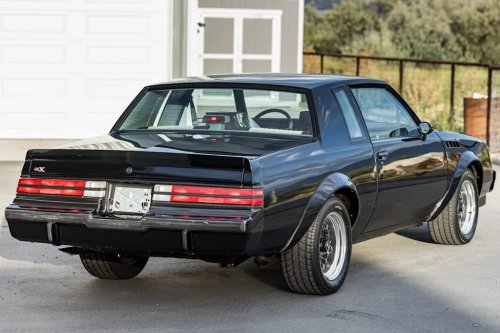
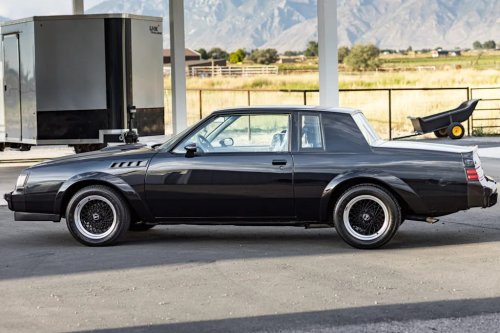
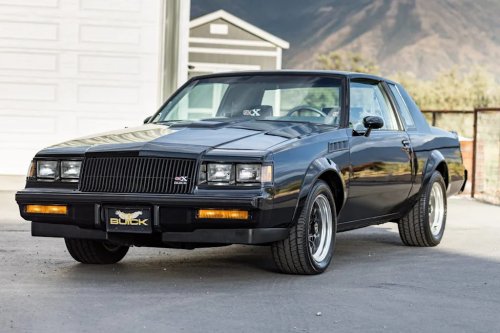
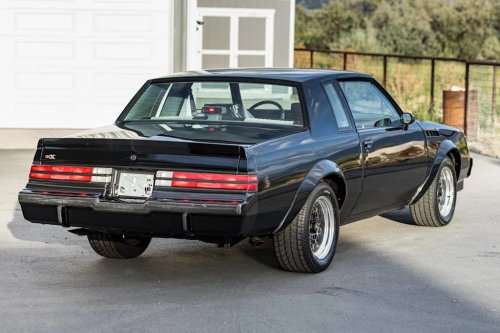
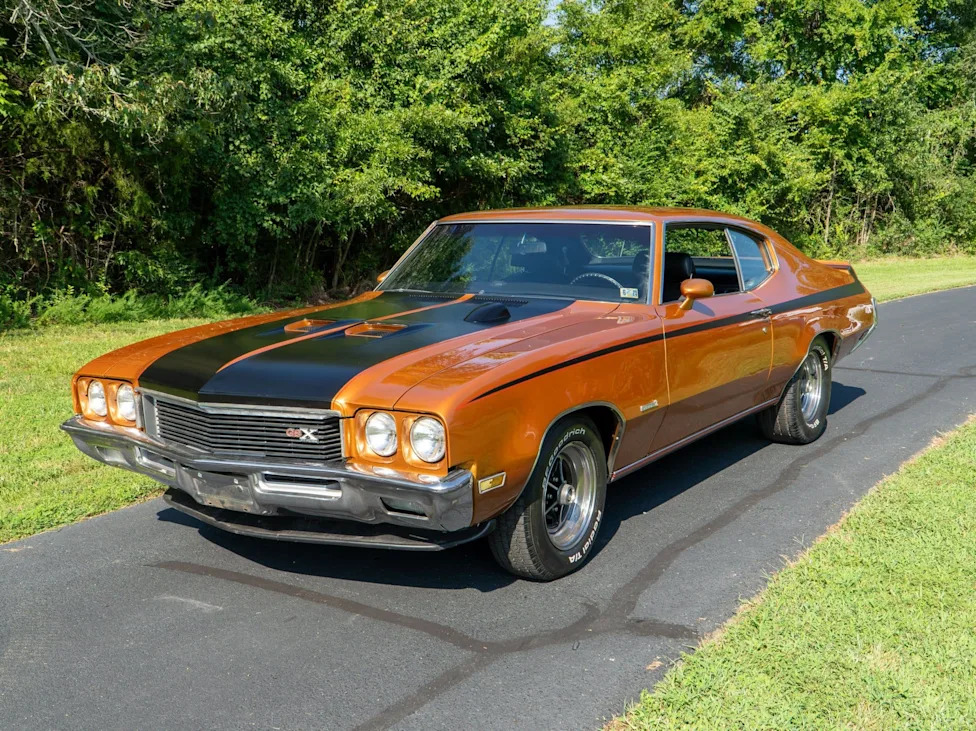
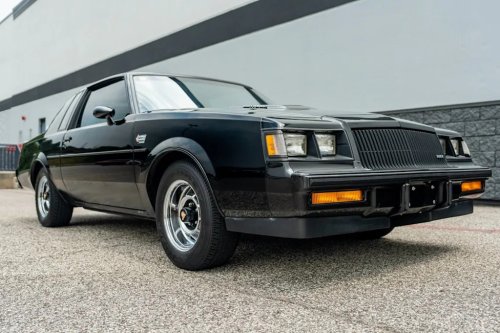
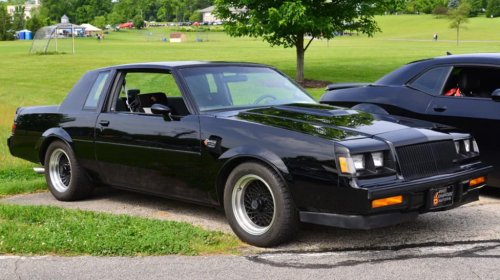
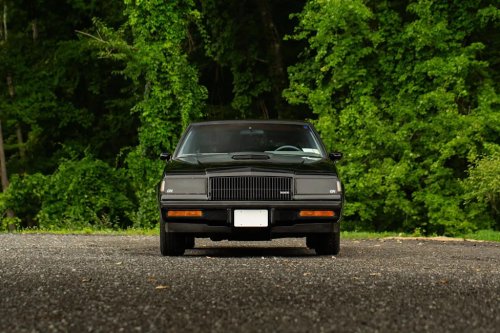
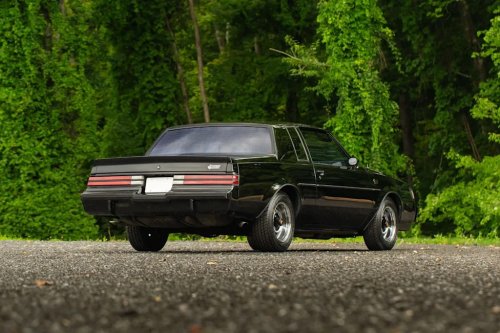
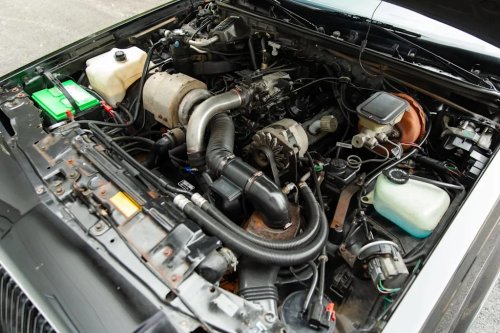
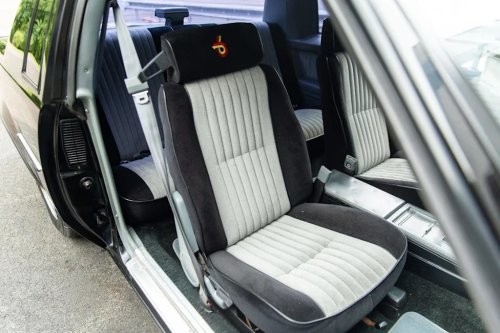
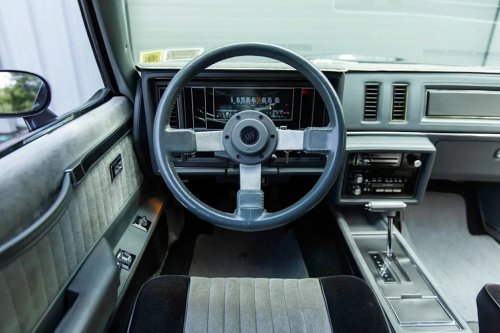
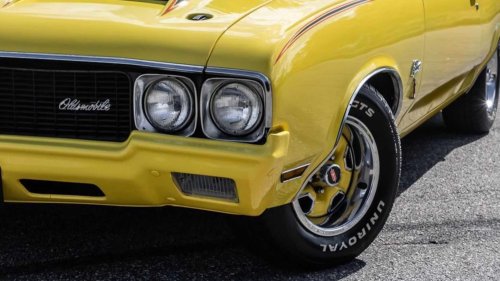
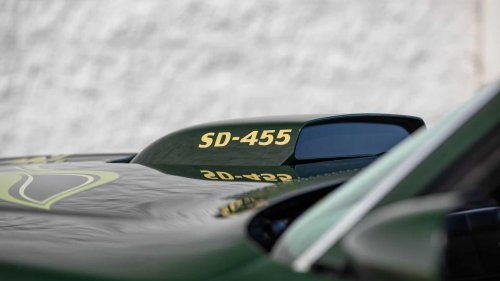
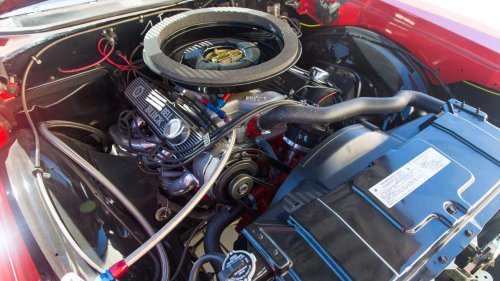
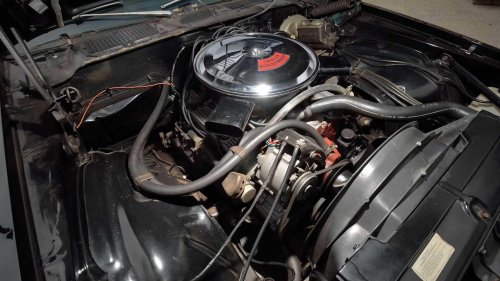
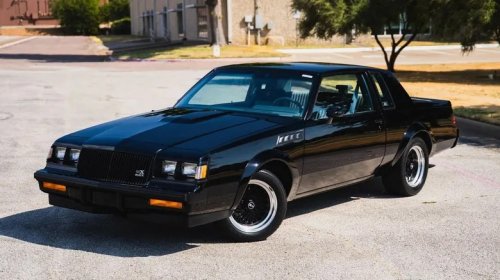
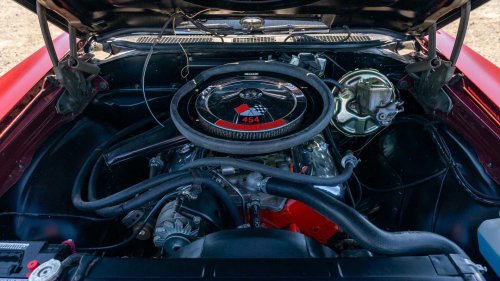
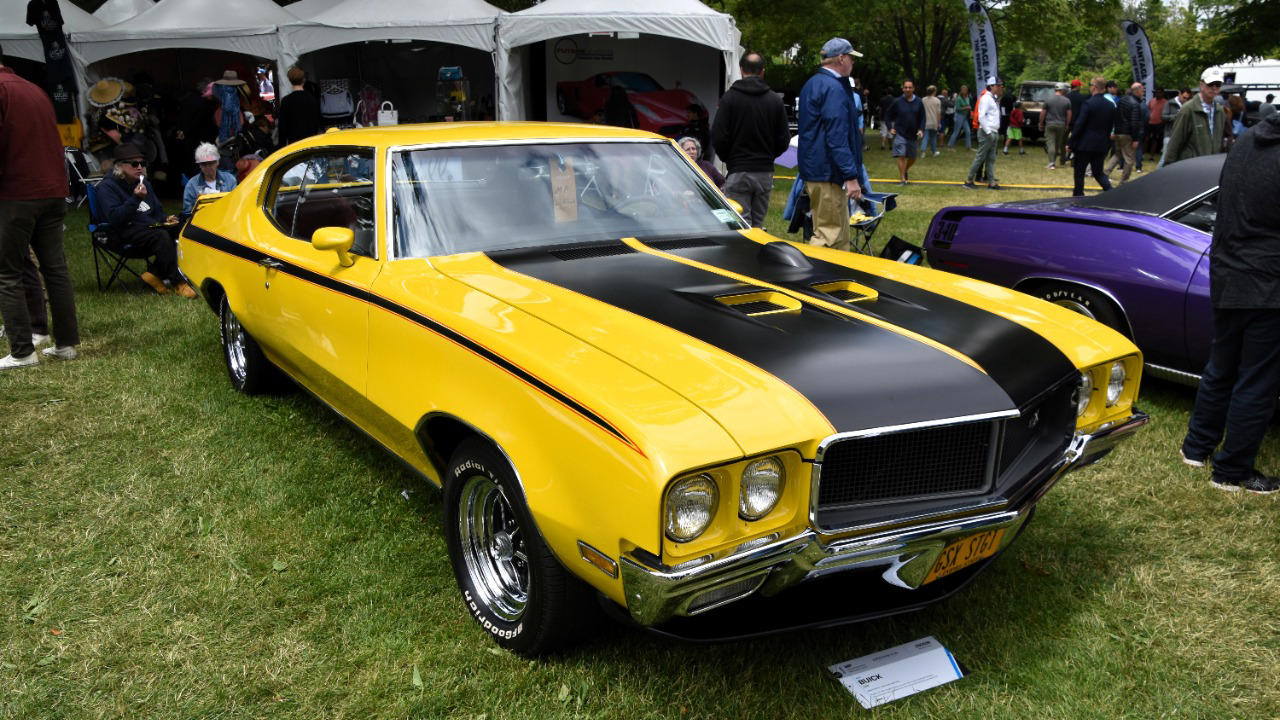
Buick didn’t advertise how fast the 1970 GSX really was but drivers figured it outThe 1970 Buick GSX arrived in the middle of the muscle car wars with the manners of a luxury coupe and the punch of a drag car. Official brochures talked about comfort, style and a big engine, but they did not spell out just how violently that engine could rearrange a driver’s sense of speed. Owners, racers and eventually the timing lights did that job instead, revealing a car that was far quicker than its conservative image suggested. Buick had built its reputation on quiet, mature performance, not street brawls. Yet in 1970 the division quietly unleashed a GSX Stage 1 package whose real-world acceleration put it in direct contention with the most feared big-blocks of the era. The factory numbers told only part of the story; the rest came from whispered quarter-mile times, dyno estimates and the grins of drivers who discovered that Buick had built a torque monster that did not need to brag. The quiet rebel in a loud horsepower war By 1970, Detroit’s performance contest had turned into a loud, colorful arms race. Plymouth plastered billboards with cartoon birds, Chevrolet shouted about big-block Chevelles, and Dodge leaned into wild graphics and even wilder options. Buick, by contrast, was supposed to be the brand for older buyers who wanted refinement more than raw aggression. That reputation made the GSX a surprise. The car took the already potent GS 455 and layered on a Stage 1 performance package that turned the coupe into what one modern account calls a torque bully. It still carried Buick’s trademark comfort, but under the hood sat an engine that behaved nothing like the sedate stereotype. The GSX did not rely on wild advertising or cartoon mascots. Instead, it wore a limited palette of high-impact paint and stripes over a body that remained recognizably Buick. Period ads even played on the contrast, comparing the big muscle machine to a tiny economy car to emphasize how much substance lay behind the bright paint. The message stayed playful, yet the hardware was serious enough to unsettle rivals who had underestimated the brand. Inside the 455 Stage 1: numbers that did not tell the whole truth The heart of the GSX story is the big-block V8. Buick’s performance flagship used a 455 cubic inch engine, a displacement figure that appears repeatedly in modern coverage of the car, including enthusiast breakdowns of the 1970 Buick 455. That 455 was part of a family that replaced earlier 400 cubic inch engines in Buick’s lineup, a shift that gave the division more low-end punch without resorting to high-strung race tuning. Factory literature rated the Stage 1 version of the 455 at 360 horsepower. A short video focused on the GSX’s torque describes the 455 Stage 1 as advertised at 360 horsepower at 4600 RPM, then immediately raises the long-standing suspicion that these numbers were deliberately conservative. That skepticism is not unique; enthusiasts have debated for decades whether Buick kept its official figures low to avoid attracting regulatory heat or internal corporate scrutiny. Club historians and owners’ groups echo the same basic specs. A detailed post shared through the Buick Club of lists Horsepower: 360 hp (underrated) and Torque: 510 lb-ft for the 1970 GSX Stage 1, and pairs those numbers with Higher compression, Bigger valves, a Performance cam and an upgraded carburetor. The language from that community, especially the parenthetical “underrated,” captures the consensus that the official spec sheet left performance on the table. Another enthusiast summary of the 1970 Buick GSX Stage 1 repeats the same core figures, noting a 455 cubic-inch engine rated at 360 horsepower and describing the car as both fast and highly collectible. The pattern is consistent across modern references: Buick publicly quoted 360 horsepower and 510 lb-ft, yet owners, tuners and historians treat those numbers as a starting point rather than a ceiling. Why Buick played coy with performance Buick’s reluctance to shout about the GSX’s true capability did not come from modesty alone. Corporate politics and looming regulations shaped how aggressively any division could market power at the dawn of the 1970s. Within General Motors, internal rules capped advertised compression ratios and limited overt racing involvement, and there was little appetite for one division to embarrass another in a straight-line contest. Modern analysis of this period suggests that GM preferred to keep the official figures for certain big-blocks, including Buick’s 455 Stage 1, on the conservative side. A detailed look at understated 1970s Buick horsepower notes that Among enthusiasts and drag racers, rumors circulated that GS 455 Stage 1 cars could dip into 12-second quarter-mile territory with minor tuning, a performance level that would have placed them among the quickest showroom offerings of the era. That same examination points out how the understated rating allowed owners to enjoy the car’s potential without drawing as much attention from insurers and regulators. Enthusiast videos and club writeups reinforce the idea that the engine’s internals were more aggressive than the brochure tone implied. References to Higher compression and Bigger valves in Stage 1 engines, along with a Performance cam and carefully calibrated carburetion, describe a package that was engineered for serious acceleration even if the marketing copy leaned on comfort and luxury. Buick’s public image may have been conservative, but the engineering team clearly knew what kind of customers were ordering GSX Stage 1 cars. Acceleration that embarrassed the “big guns” Torque figures tell only part of the story. To understand why drivers quickly realized how quick the GSX really was, the stopwatch has to come into play. A modern performance comparison describes the GSX’s acceleration as being in the same neighborhood as the era’s most feared big-blocks, noting that torque talk stays. That same discussion emphasizes that the GSX could hang with the big guns from rival brands, and in certain conditions even outrun them. One modern account frames the Buick GSX Stage as a car that Beat Hemi And LS6 Where It Hurts Most, a reference to how the Buick’s massive torque advantage helped it leap off the line. The torque bully in question wore a Buick badge, and it answered challenges not with high-rev theatrics but with a relentless shove that never got tired of pushing. Drag strip anecdotes describe GSX Stage 1 drivers leaving stoplights or staging lanes with a surge that surprised owners of more loudly advertised muscle machines. Video clips of period-correct cars racing modern recreations keep the legend alive. In one widely shared race, a 1970 Buick GSX Stage 1 lines up against a 1971 Plymouth Duster 340, a pairing that illustrates how the Buick’s huge displacement and torque advantage play out against a lighter, smaller-cube rival. The footage, shot at a modern event that also references trips to Canada, Mexico and even Australia, underscores how the GSX’s reputation has become global among muscle fans. How drivers figured out the real numbers If Buick did not brag, owners filled the gap. Drag racers, street tuners and club members began comparing time slips and dyno sheets, and the pattern was hard to ignore. Cars that supposedly carried 360 horsepower were running side by side with machines that claimed much higher ratings. Among those who spent time at the strip, the GSX quickly picked up a reputation as a car that punched above its printed numbers. One modern examination of understated Buick horsepower points out that Among enthusiasts and drag racers, rumors circulated for decades that GS 455 Stage 1s were capable of 12-second quarter-miles with little more than tuning and traction. Those stories, repeated at tracks and club meets, did more to shape the GSX legend than any period advertisement. The gap between brochure and reality became a talking point, not a problem. Club posts and videos add texture to that legend. Enthusiast breakdowns of the 1970 Buick 455 Stage 1 walk through the factory specs, then pivot to “weird facts” such as suspected factory underrating and the engine’s surprising durability when subjected to repeated hard launches. A short clip on record-breaking torque for the GSX emphasizes that experts estimate the engines were downgraded on paper, a polite way of saying that the real output likely exceeded the official rating by a healthy margin. These grassroots discoveries shaped how the car was perceived. To casual buyers, the GSX remained a flashy but refined Buick. To those who followed club newsletters or spent weekends at the strip, it was a sleeper in bright clothing, a car whose true performance was shared through word of mouth, not television spots. Luxury, torque and the Buick identity crisis The GSX also sat at the center of a broader identity conversation for the brand. One modern commentator on classic Buicks notes that as long as many enthusiasts can remember, Buicks tried to divest themselves of the idea that they were “your father’s” or even “your grandfather’s” car. The GSX Stage 1 represents a moment when the division leaned into performance without abandoning its comfort-first DNA. Period and modern descriptions of the GSX highlight features that would have felt out of place in a bare-bones street racer. The car offered well-appointed interiors, power accessories and ride quality that remained relatively civilized even with the Stage 1 suspension. The combination of a 455 cubic-inch engine, 360 advertised horsepower and 510 lb-ft of torque with those amenities created a different flavor of muscle car, one that appealed to drivers who wanted to go very fast without giving up comfort. That dual personality may help explain why Buick did not advertise the GSX as loudly as some rivals promoted their halo models. The division had to balance its long-term image as a near-luxury brand with the short-term thrill of winning stoplight races. By letting the numbers stay conservative and the marketing stay relatively understated, Buick could offer serious performance to those who sought it out while keeping its broader messaging focused on refinement. The GSX’s afterlife among collectors and clubs Today, the 1970 Buick GSX Stage 1 occupies a special place in the muscle car pantheon. Enthusiast groups describe it as one of the most powerful muscle cars ever built, and they emphasize how its combination of rarity, performance and Buick heritage makes it as collectible as it is fast. Posts in dedicated GSX communities often repeat the same key figures, such as the 455 cubic-inch displacement and the 360 horsepower rating, while also calling attention to the 510 lb-ft torque figure that made the car so devastating off the line. Clubs such as the Buick Club of America and related heritage organizations keep the story alive through events, technical writeups and restorations. Some parts specialists even build businesses around supporting these cars, with sites like East Coast Reatta Parts and similar vendors referenced through Buick Club of links that circulate in enthusiast circles. The ecosystem around the GSX today reflects how deeply the car has embedded itself in Buick lore. More from Fast Lane Only Unboxing the WWII Jeep in a Crate 15 rare Chevys collectors are quietly buying 10 underrated V8s still worth hunting down Police notice this before you even roll window down The post Buick didn’t advertise how fast the 1970 GSX really was but drivers figured it out appeared first on FAST LANE ONLY.



















 +44 others