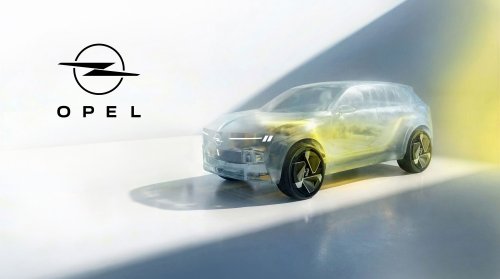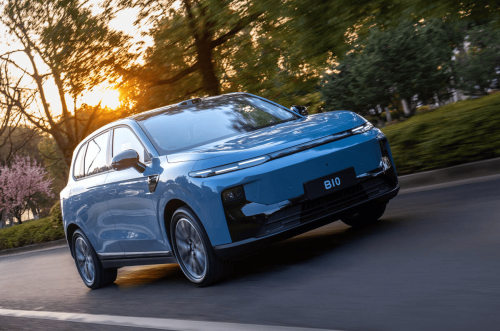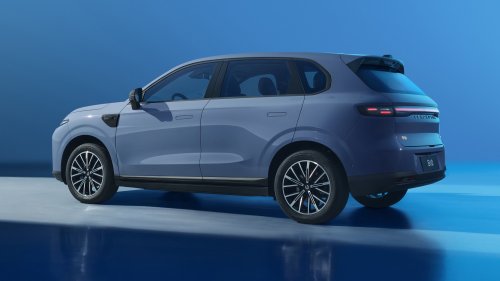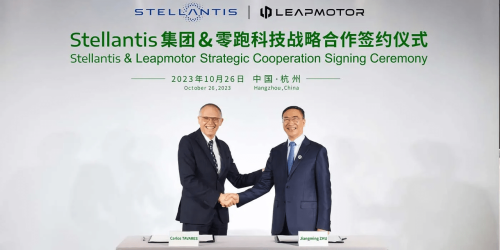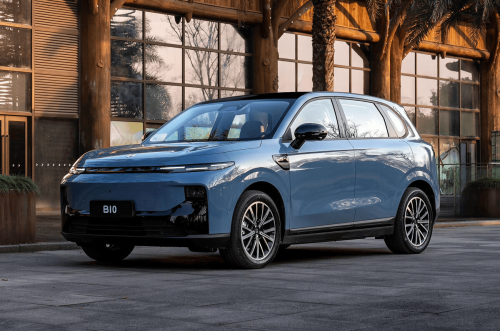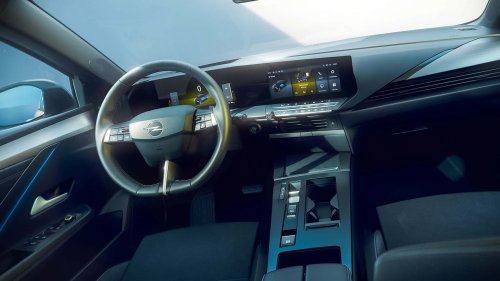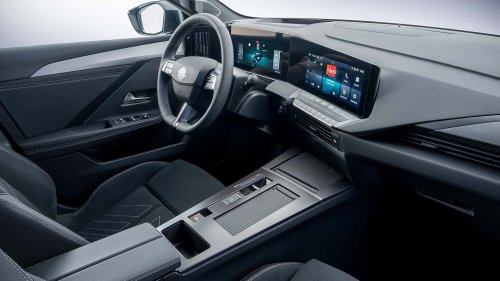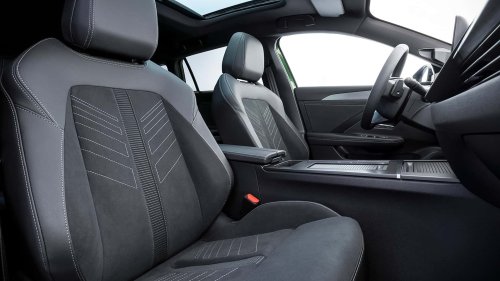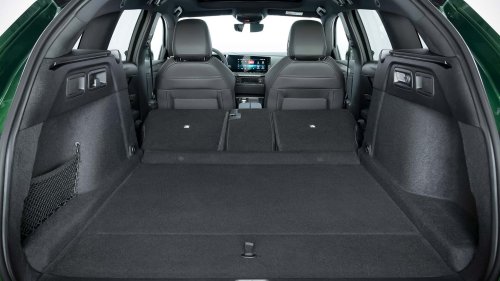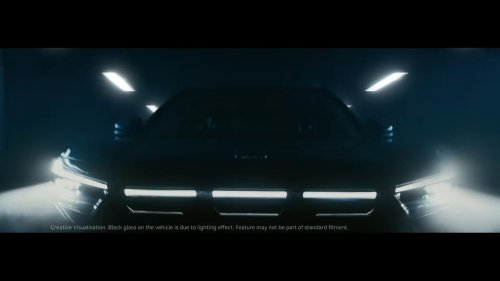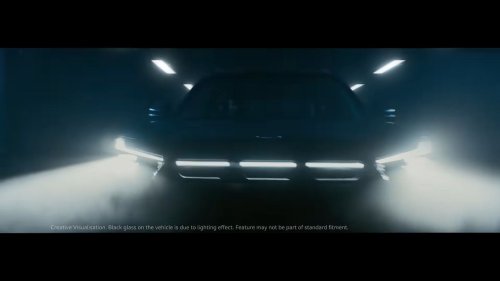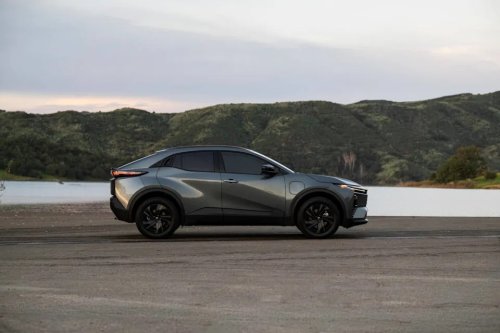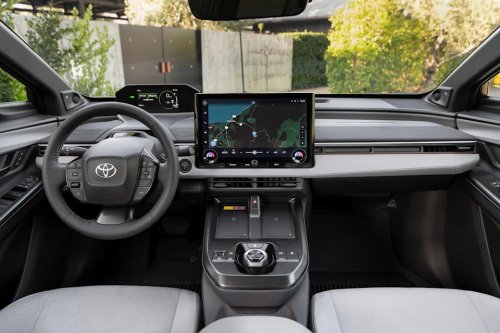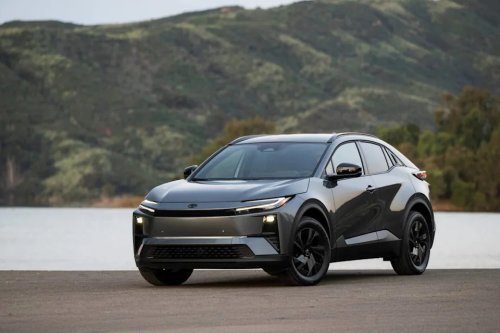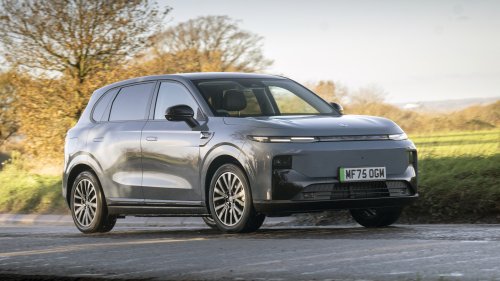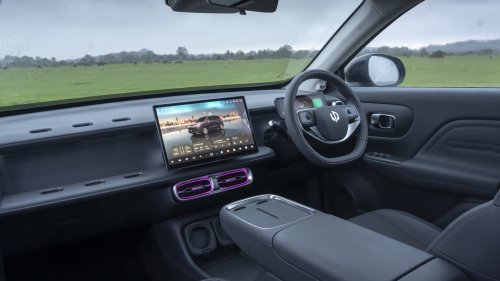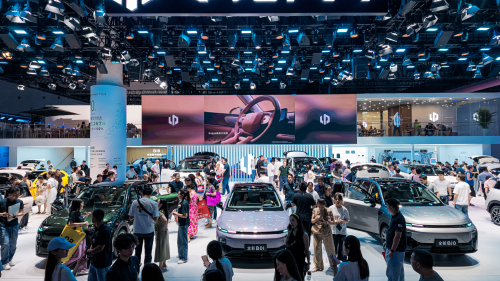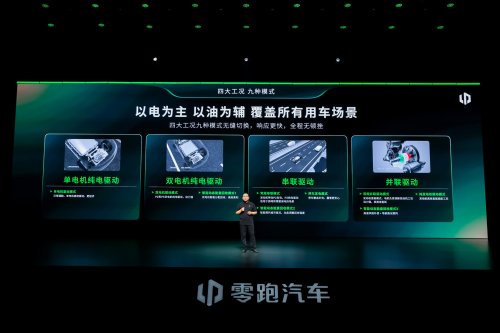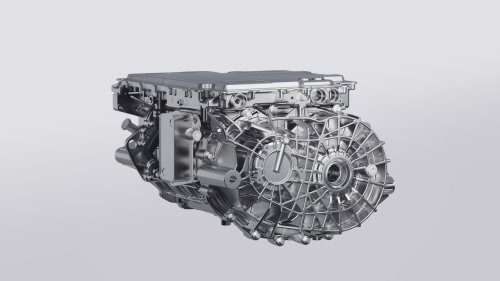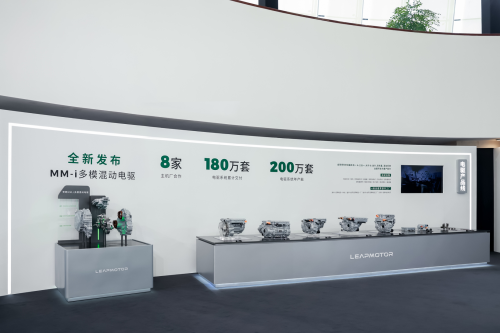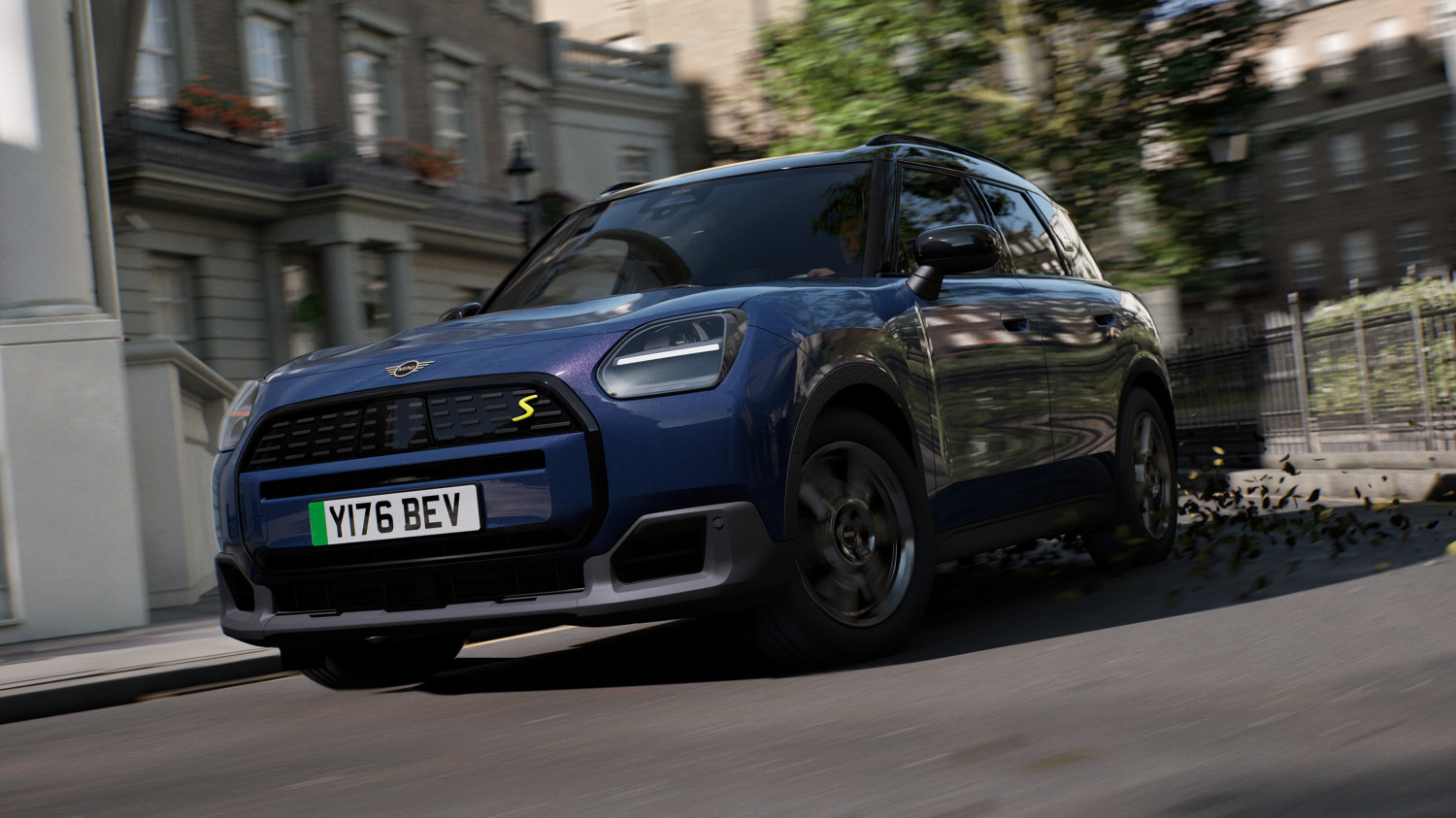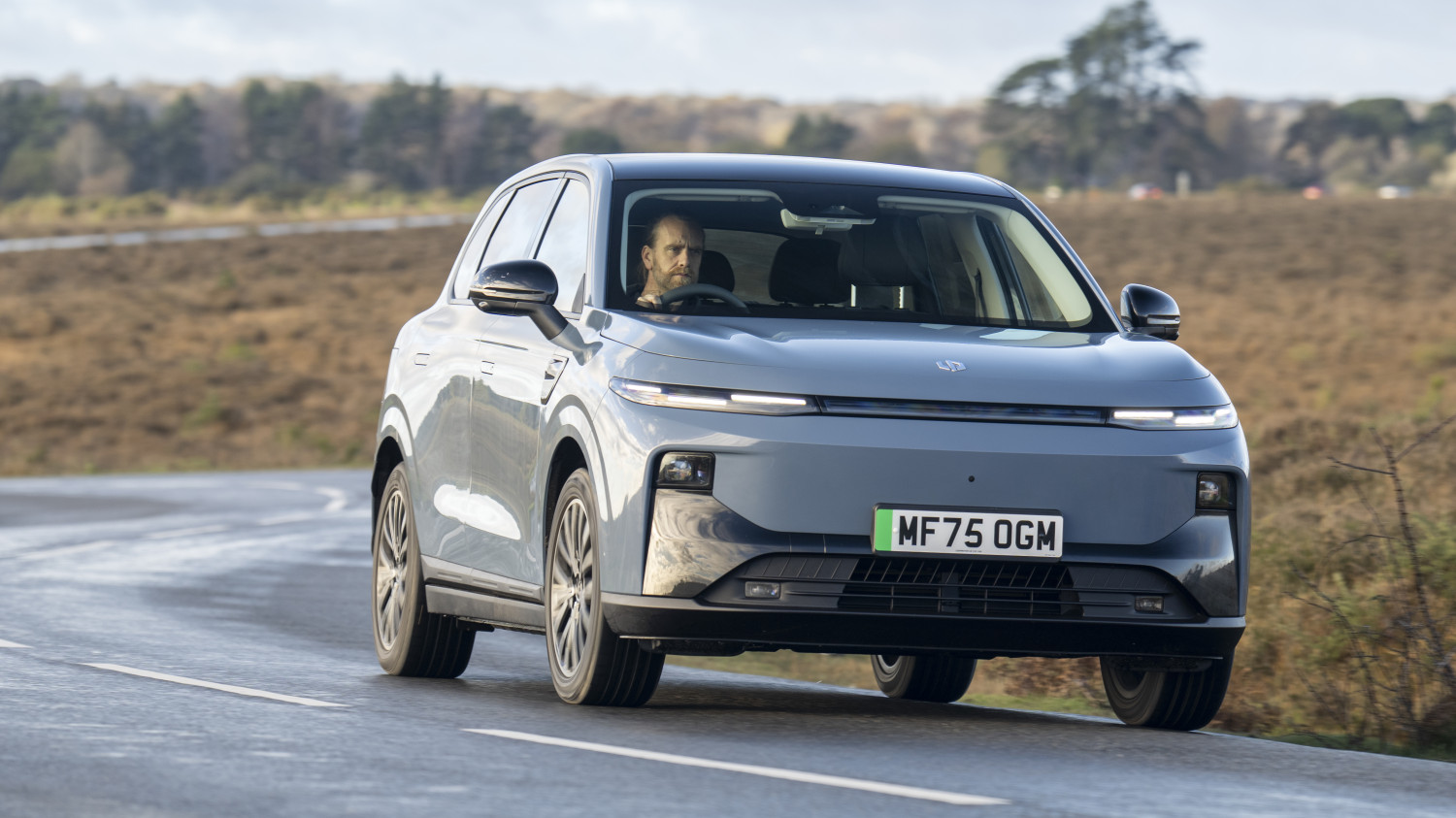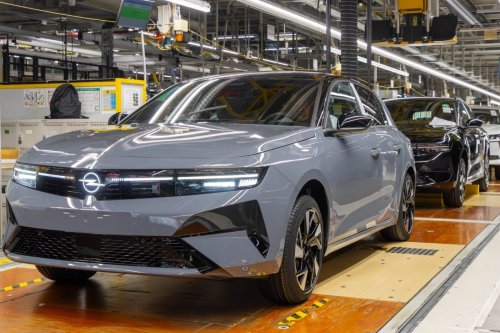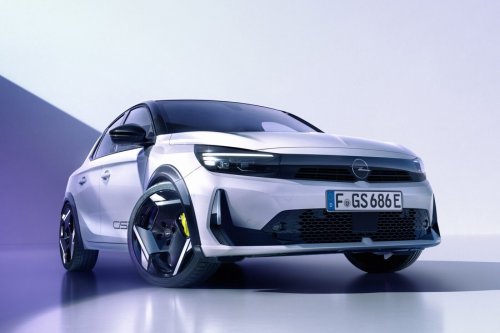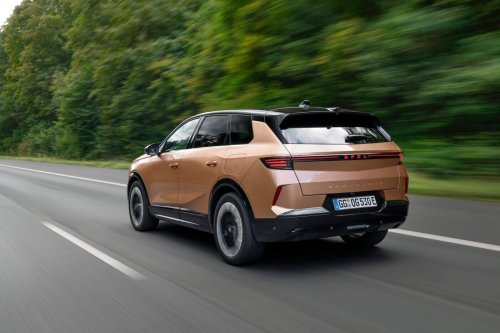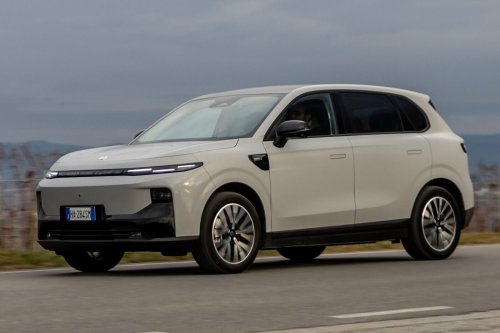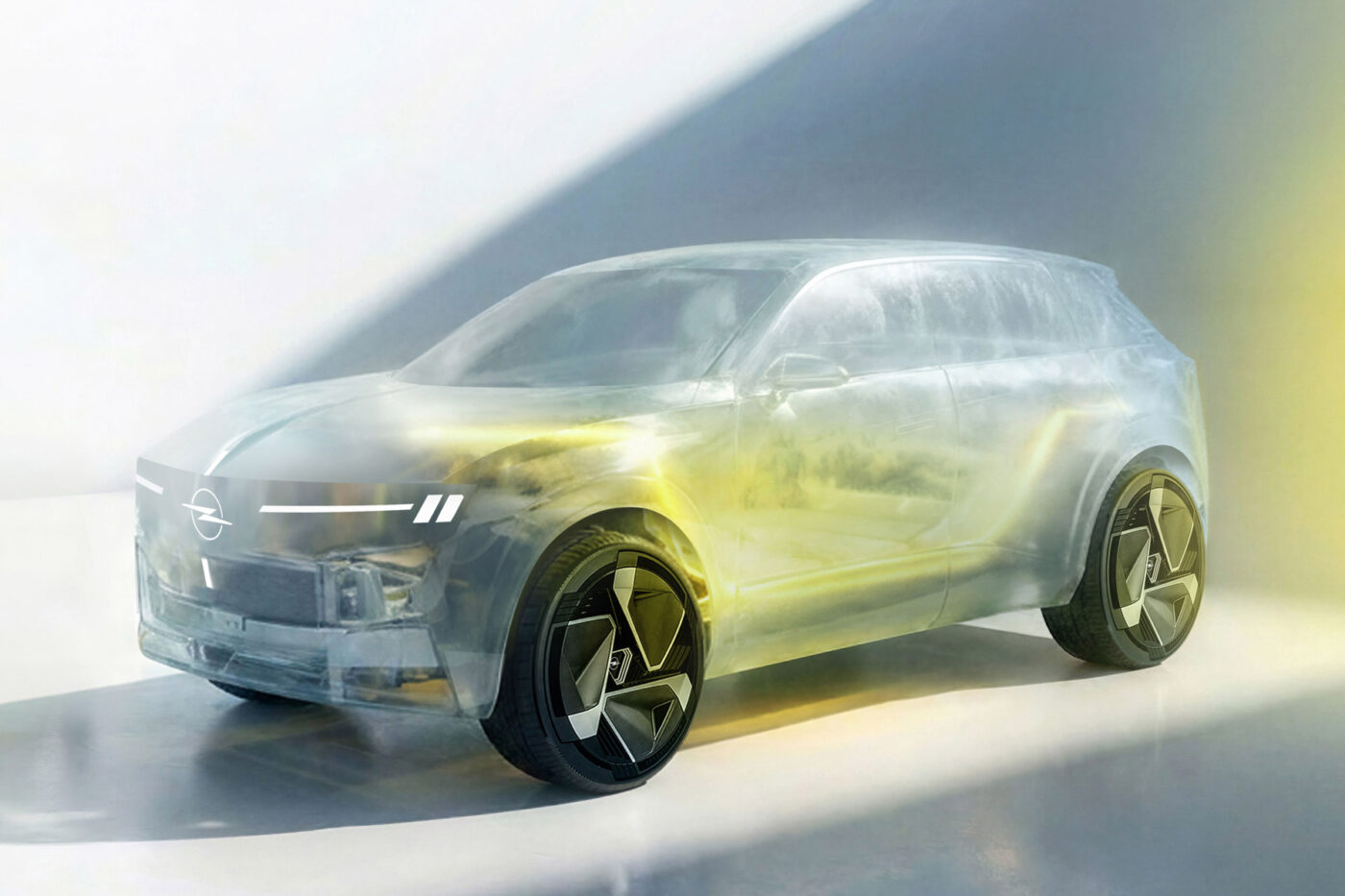



















Image: OpelFrom the second half of this year, the Leapmotor B10 will roll off the production line at Stellantis’ Zaragoza plant alongside several compact Stellantis models based on the e-CMP platform, as previously reported. The B10 is also likely to offer a preview of what can be expected from Opel’s upcoming SUV. In its announcement, Opel specifically refers to a ‘new C Segment SUV’ — in other words, a compact-class model. Vehicles in this segment typically measure between 4.20 and 4.60 metres in length, placing the 4.51-metre-long B10 squarely within this category.“The new vehicle is intended to serve as a blueprint for efficient global collaboration [between Stellantis and Leapmotor],” Opel stated. “Simultaneously, it would enable the German manufacturer to take a major strategic step forward in terms of electrification and scaling in the shortest possible time.” The new vehicle is expected to be the first product from the planned expanded partnership. Further Opel models featuring Leapmotor technology could follow.Among the ‘core components’ that the Opel SUV is set to adopt from Leapmotor are ‘the latest Leapmotor electric architecture and battery technology,’ according to the announcement. Specifically, the Opel model is likely to feature LFP batteries with energy capacities of 56.2 and 67.1 kWh, with the larger battery supporting charging at up to 168 kW.However, the B10 lacks battery preconditioning, which can lead to performance deviations in low winter temperatures. Additionally, its powertrain, with a maximum output of 160 kW, is not the most efficient: the WLTP range is a maximum of 434 kilometres. Nevertheless, the B10 impressed in our test drive review, thanks to its comprehensive equipment and competitive pricing, ranging from €29,990 to €33,990 for the larger battery and full specification.Opel to adapt design, chassis, and user InterfaceAccording to Opel CEO Florian Huettl, the new model will be designed at Opel’s Rüsselsheim headquarters but developed by ‘international teams located in Germany and China.’“The partnership with Leapmotor should enable a development time of less than two years. With this, Opel is planning a further important step in the development of state-of-the-art and accessible electric vehicles for our customers,” Huettl said.Distinctive elements of the Opel model will include the brand’s signature design, ‘on-board experience, chassis engineering as well as lighting and seating technology.’ The Rüsselsheim-based team also plans to adapt the user experience and interface. However, it remains unclear whether the Opel model will retain the large, freestanding touchscreen and minimalist interior design of the Leapmotor or adopt the cockpit concept familiar from other Opel models, which features smaller, more integrated screens.The joint development has only recently been confirmed, and some decisions may not yet be finalised. Rumours about a potential Opel model using technology from the Chinese Stellantis partner emerged last year, while by April 2026, they had become far more concrete—identifying the Leapmotor B10 as the base model for the Opel SUV and Zaragoza as the production site, as now confirmed.Similar rumours have also circulated about other European Stellantis brands, such as Fiat and Peugeot, though these remain unconfirmed. Later this May, Stellantis CEO Antonio Filosa is set to present his new strategy at an investor day.Recent insider reports suggest that the international multi-brand group plans to focus on four lead brands: Jeep and Ram in North America, and Fiat for compact cars and Peugeot as the all-rounder brand in Europe. According to these rumours, other brands will derive their models from vehicles developed by these lead brands. However, it is still unclear whether Peugeot and Fiat will also base vehicles on Leapmotor models or whether this will initially be left to Opel.For now, Stellantis is emphasising the significance of the partnership for its Rüsselsheim-based brand. The collaboration is intended to ‘strengthen Opel’s role as a key driver of value and electrification,’ the company stated. Feasibility studies and preliminary development work are currently underway within the framework of existing agreements, while discussions about a potential broader industrial collaboration continue. However, the conclusion of such an expanded partnership remains subject to the finalisation of binding agreements and customary approvals.“With this project, Opel would bring together German engineering excellence with global technological innovation speed,” said Xavier Chéreau, Chairman of the Opel supervisory board and Stellantis Chief Human Resources & Sustainability Officer. “This innovative spirit defines the next chapter of our global collaboration with Leapmotor and Opel is taking on a pioneering role with this project.”stellantis.com