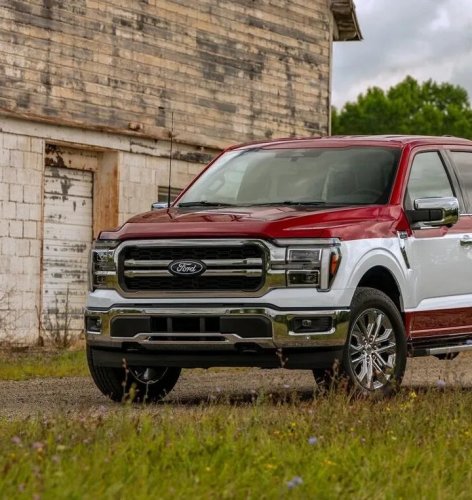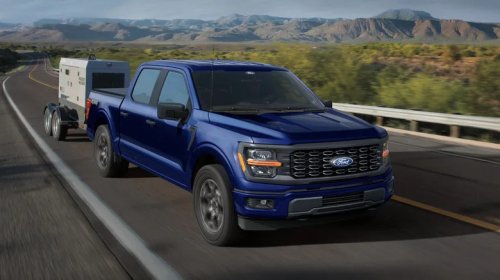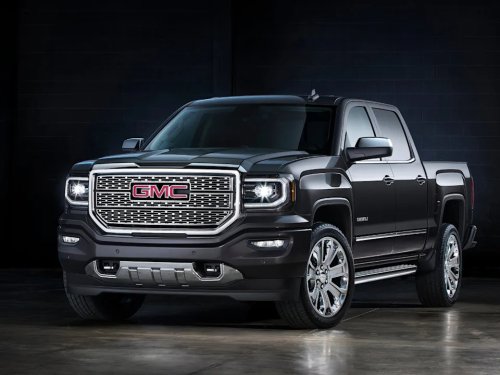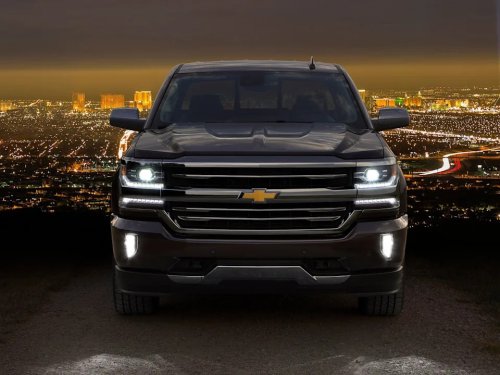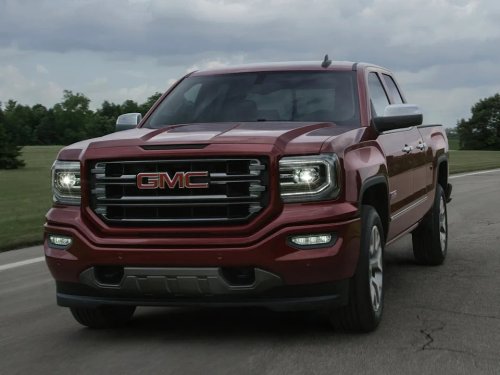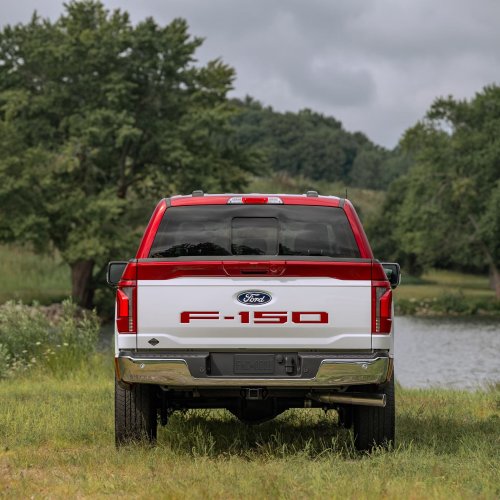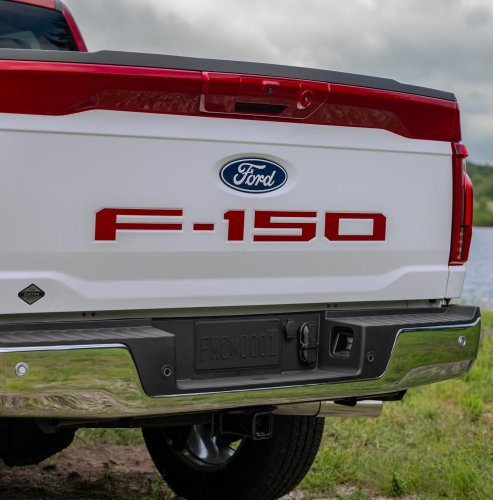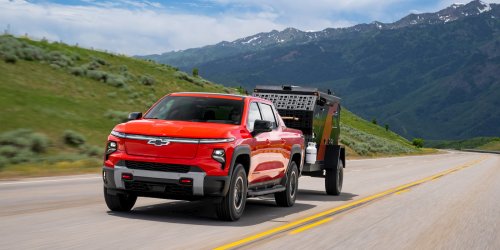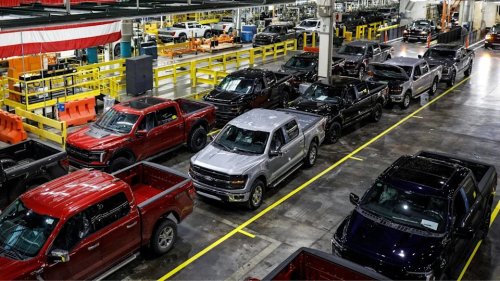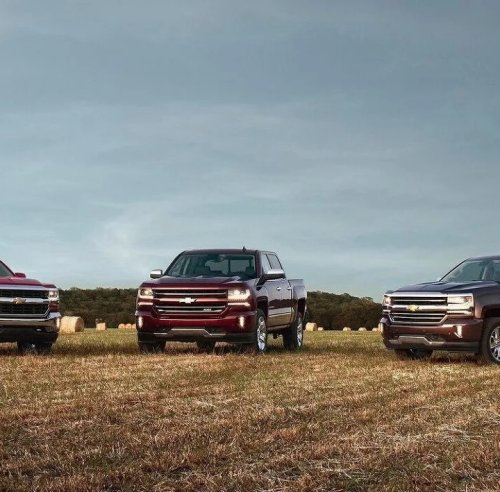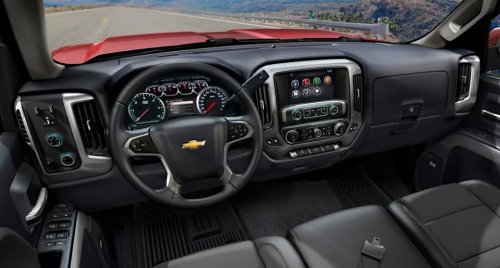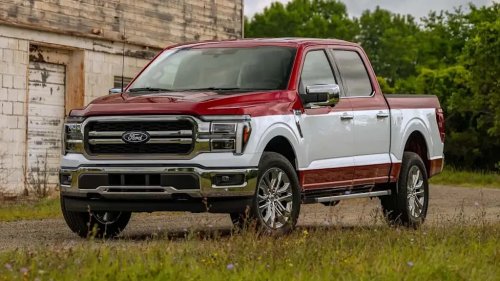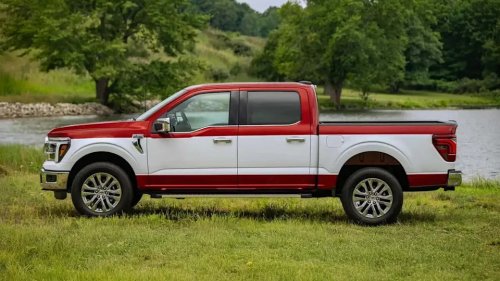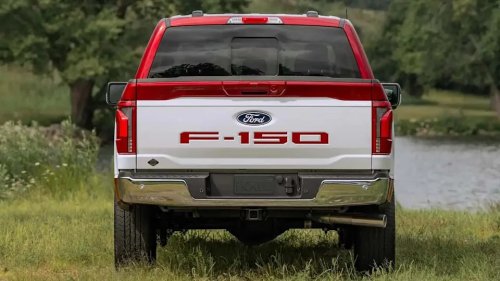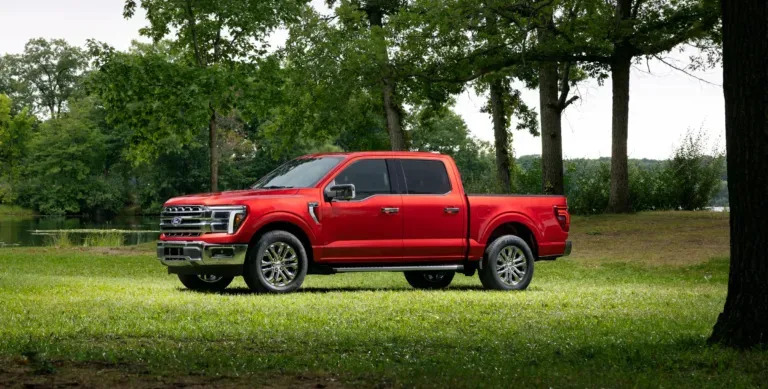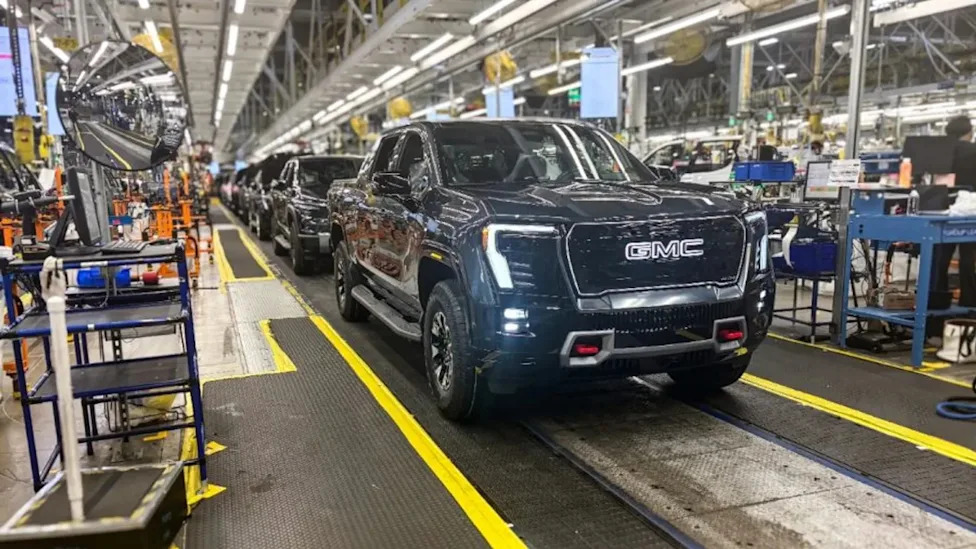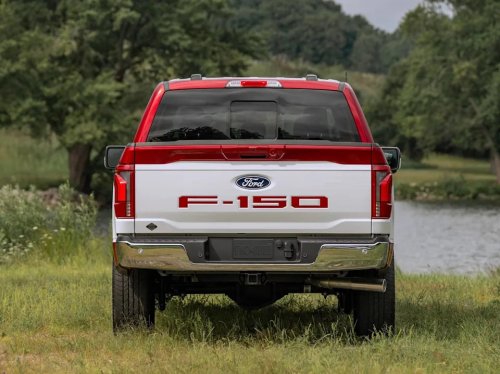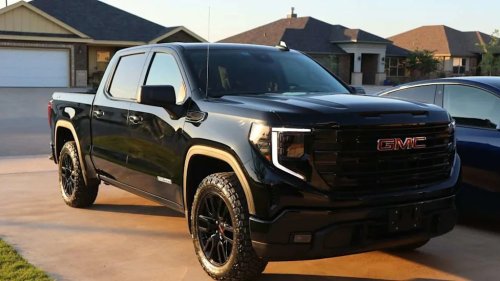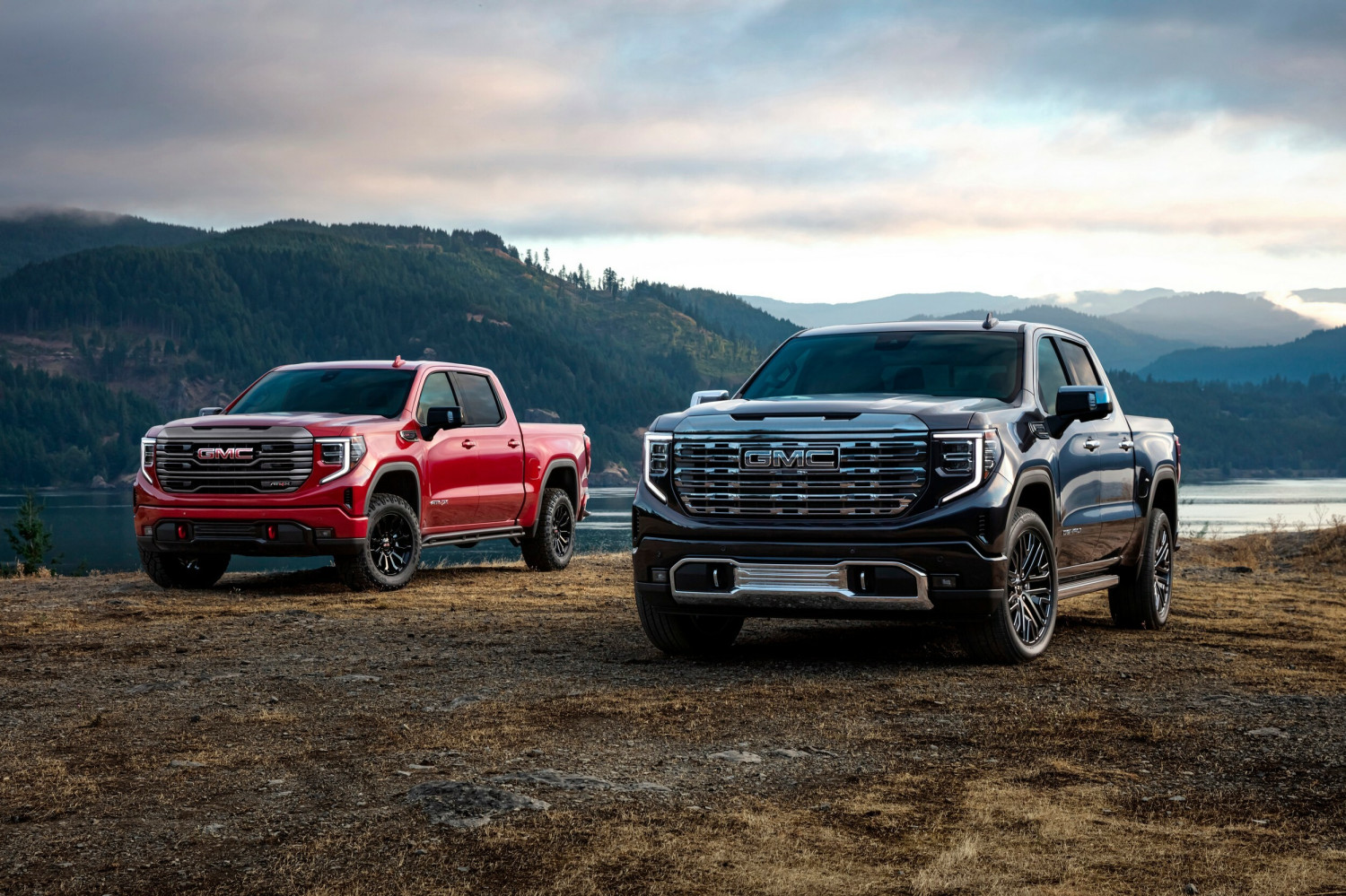
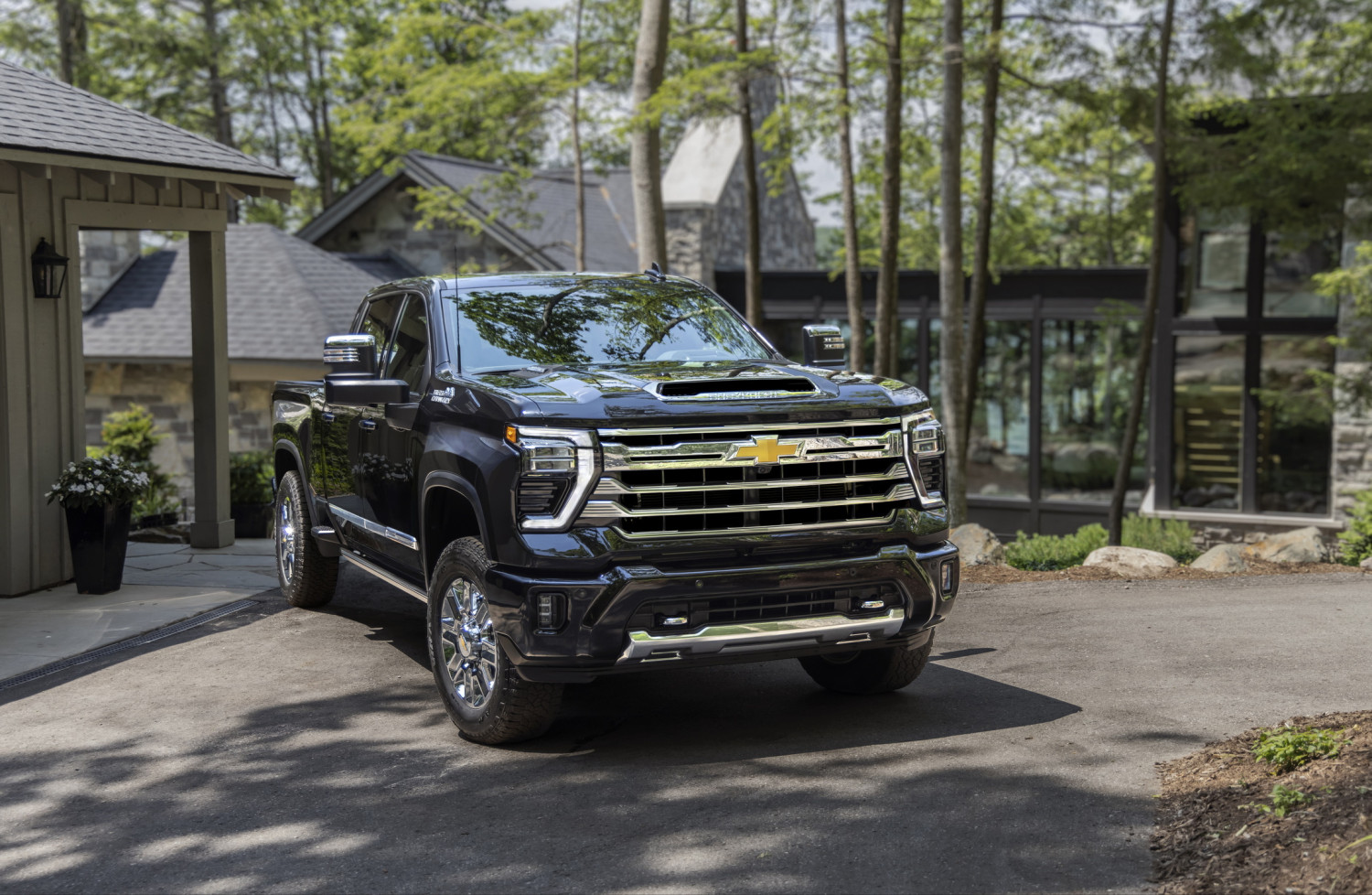



















GM is rerouting pickup trucks from the Middle East back to the US. Inventories for GM pickup trucks were sitting at 47 days at the end of Q1. Ram may also be able to take advantage of slower Ford F-Series production. As Ford slowly ramps up F-150 production this month, General Motors is eager to grow its pickup inventory across the United States, hoping to capture some of Ford’s market share in the process. GM chief financial officer Paul Jacobson recently confirmed the automaker had 9 percent fewer pickups in dealer inventories across the US at the end of the first quarter compared to a year ago. This was primarily due to strong sales towards the end of 2025, in addition to factory downtime for the next generation of GM’s heavy-duty trucks. Read: Ford Already Backed Away From One EV Truck, Now GM Is Backing Away From Four At the end of the first quarter, inventories were sitting at about 47 days. GM is eager to push this up to between 50 and 60 days. Helping to increase these inventories is the fact that GM is rerouting roughly 7,500 of its full-size trucks that were bound for the Middle East but will instead be sold in the US because of the war in Iran. “Leaner inventory constrained retail sales,” Jacobson told Autonews. “Looking ahead, we are working to increase inventory levels of key products and believe that we can take this higher over the next several quarters while being mindful of the broader demand environment.” Ford’s Pain GM appears eager to strengthen its position in the pickup truck market as Ford struggles. Production of Ford’s pickups has been low since a massive fire at the Novelis aluminum plant, which supplies it with parts. According to CatalystIQ, F-150 supplies are down more than 40 percent since this fire. “It’s prudent to be increasing right now just because their inventory is low relative to demand,” analyst David Whiston told Auto News. “But if you’re GM, you want to take advantage of Ford’s weakness.” Ram is also well-positioned to benefit from Ford’s restricted supplies. As of the end of March, Ram had 138 days’ worth of supplies across its US dealership network, well above the industry average of 79 days. “You have two automakers, for different reasons, not being able to produce as much as they wanted to start the year,” S&P Global Mobility’s Stephanie Brinley said. “Ram is not having that problem right now, so there’s potential for the market share interplay between Ram and Chevrolet to sort of move around a little bit this year.”