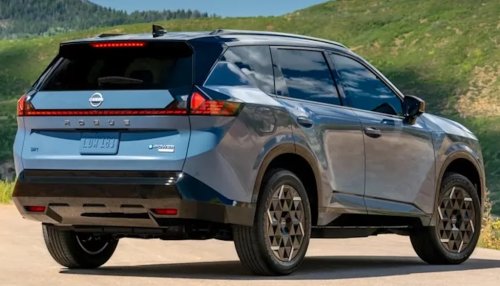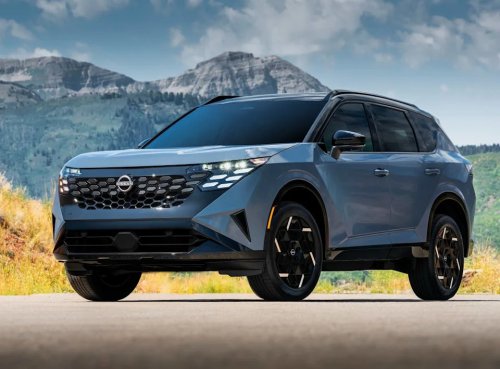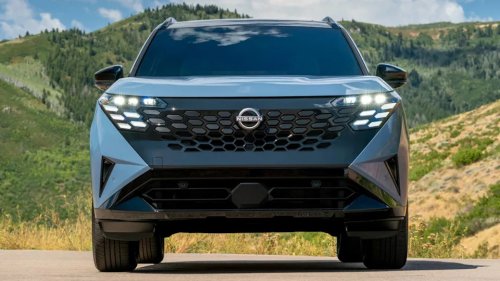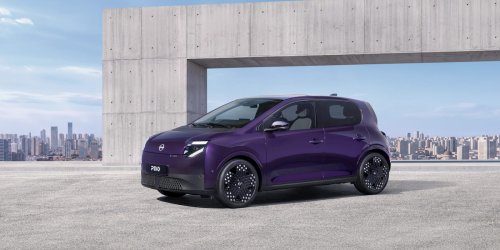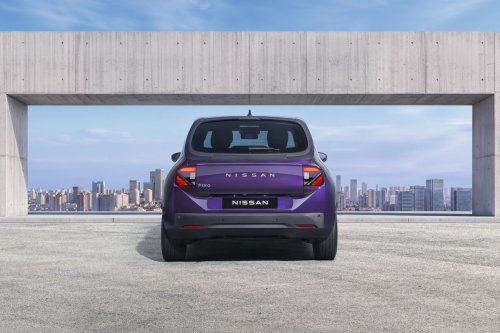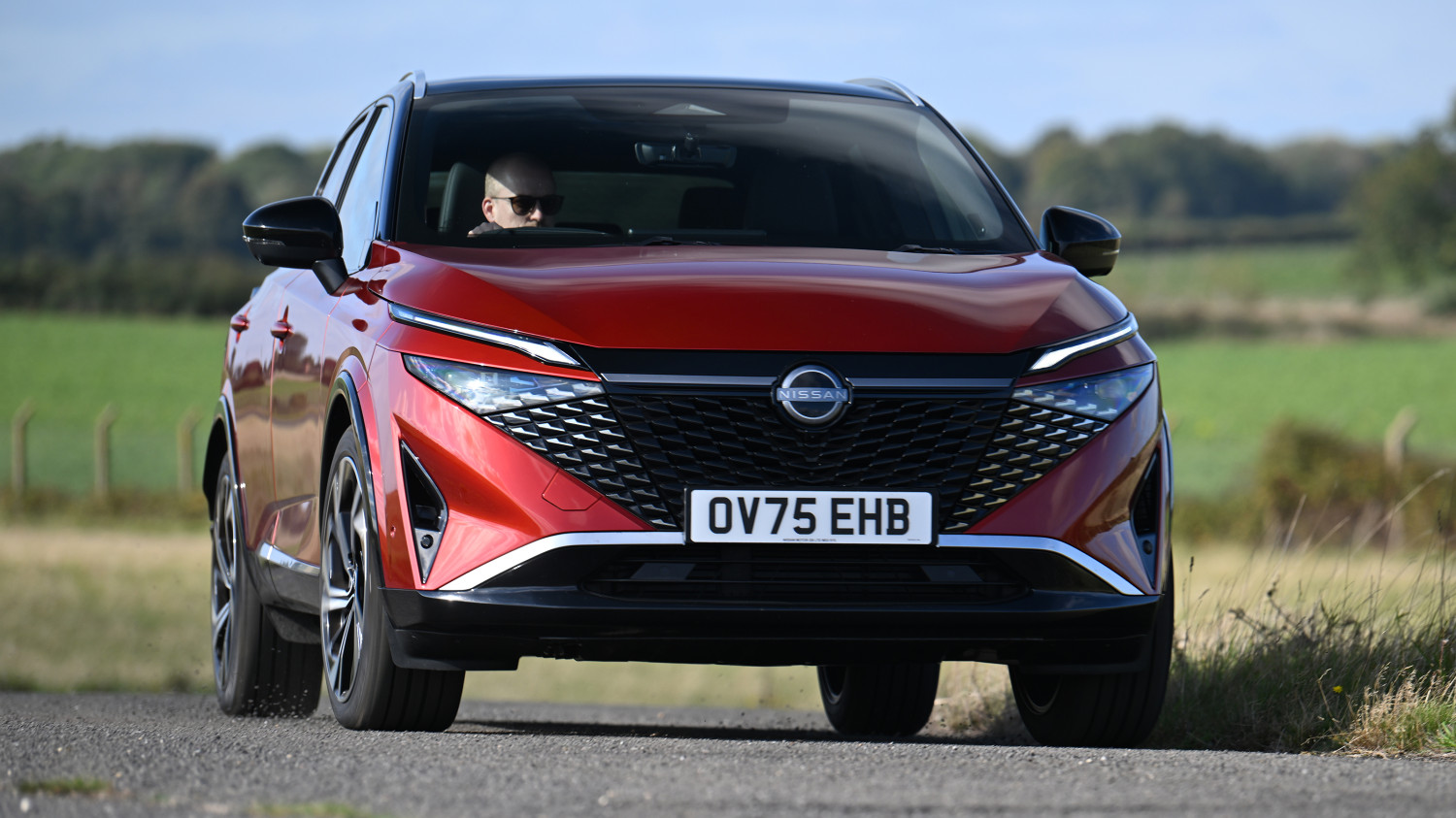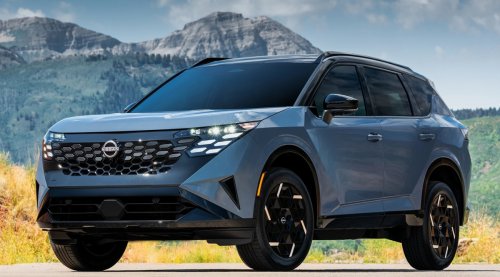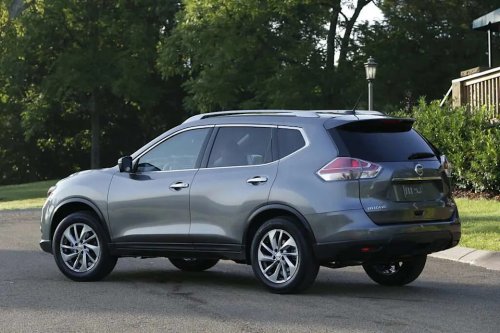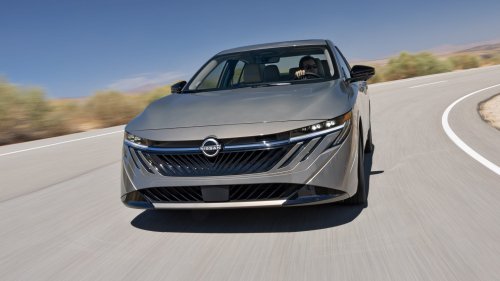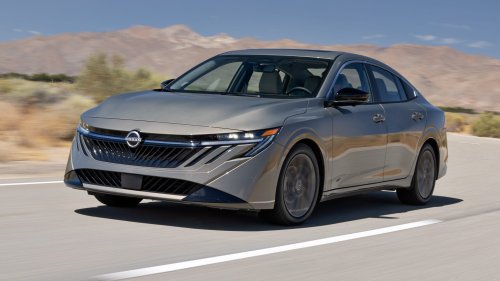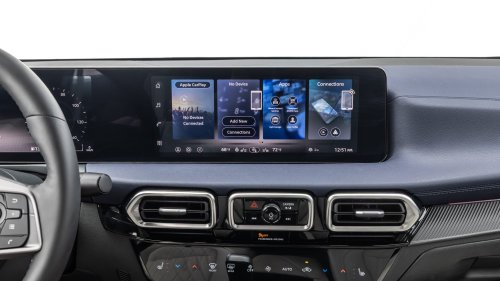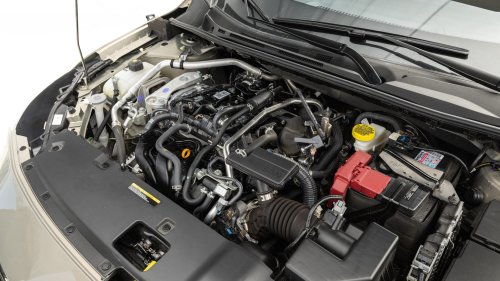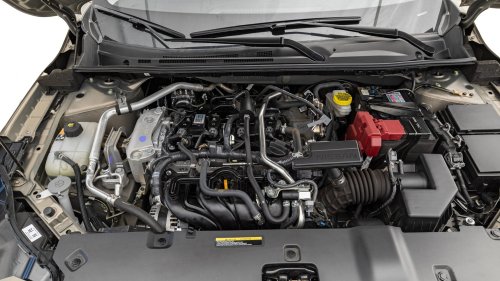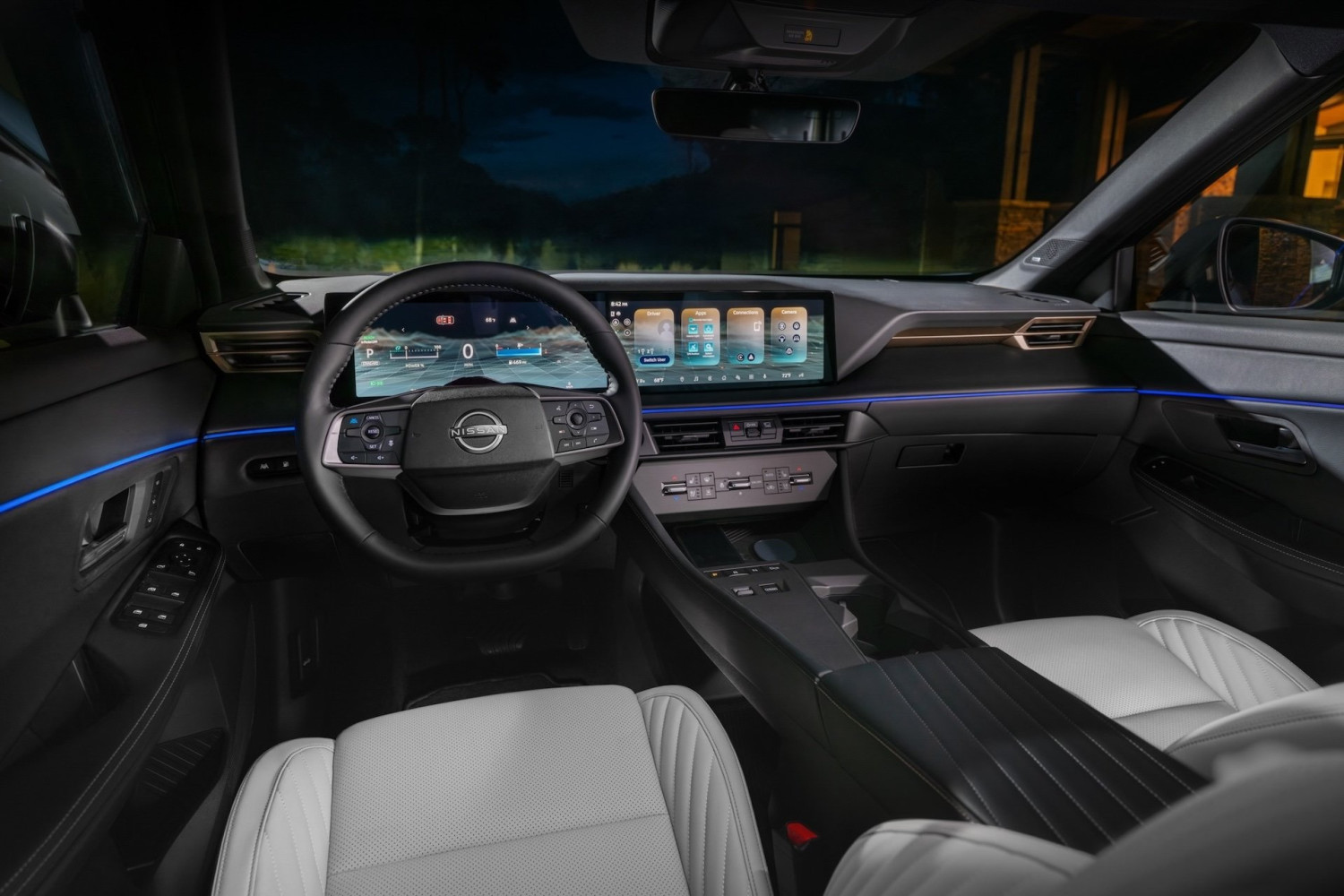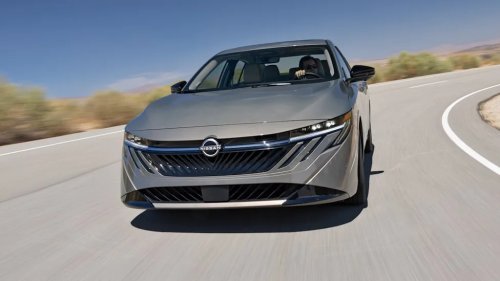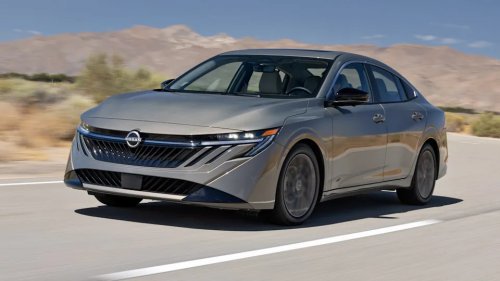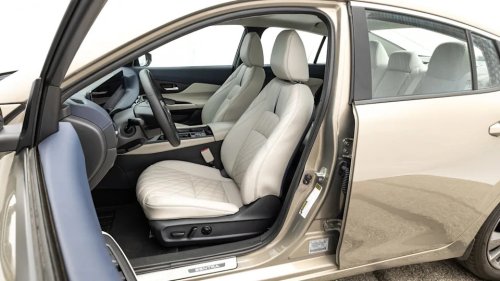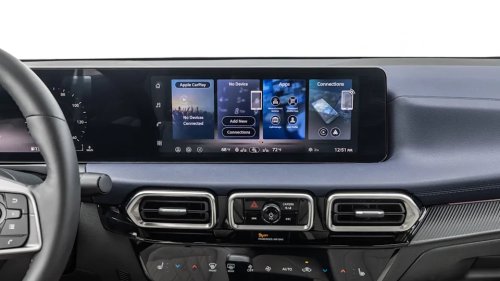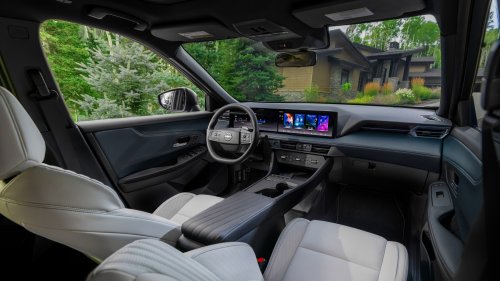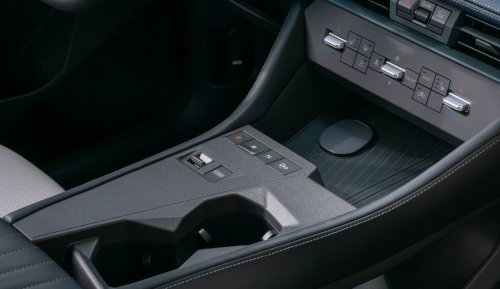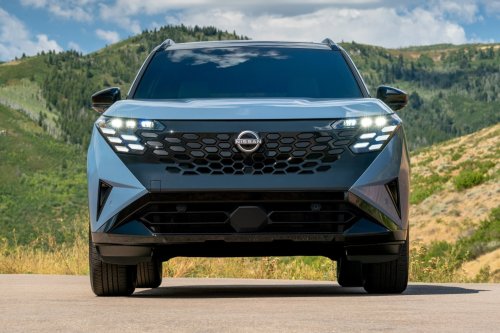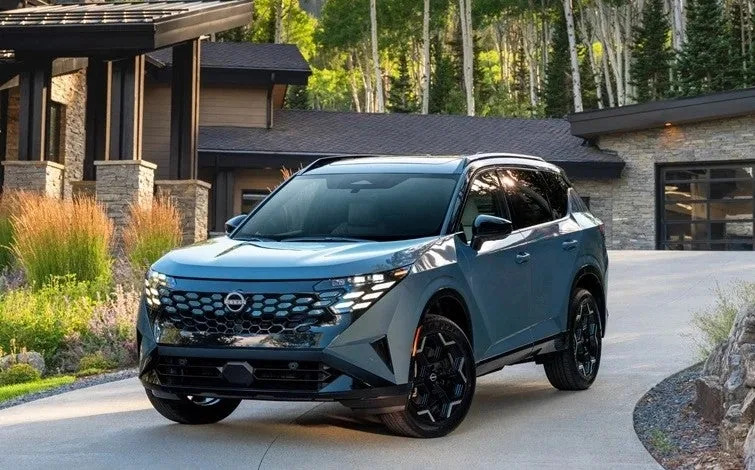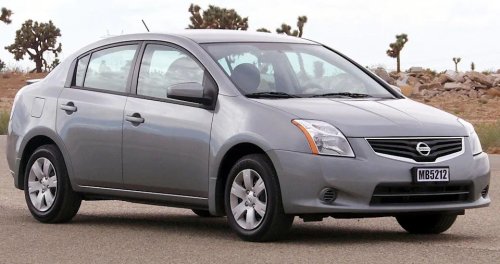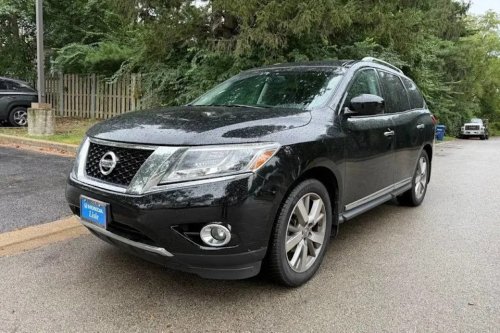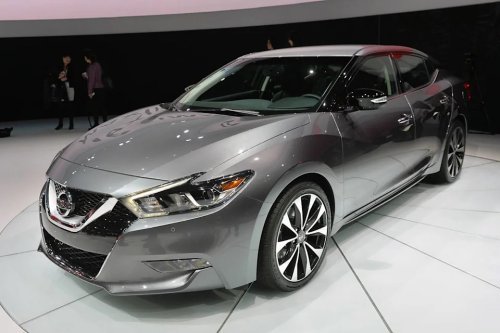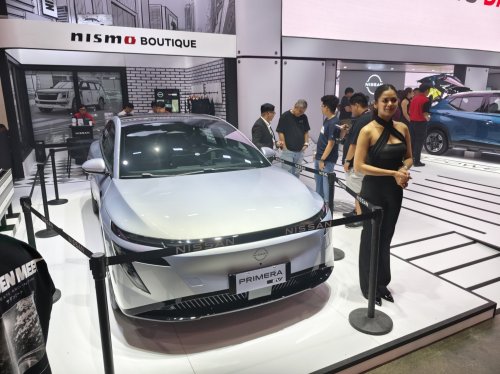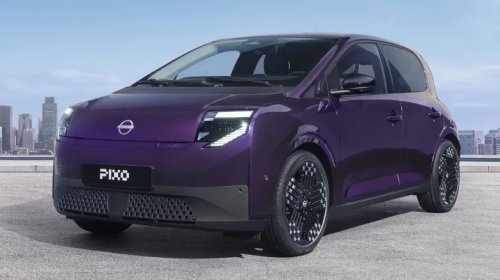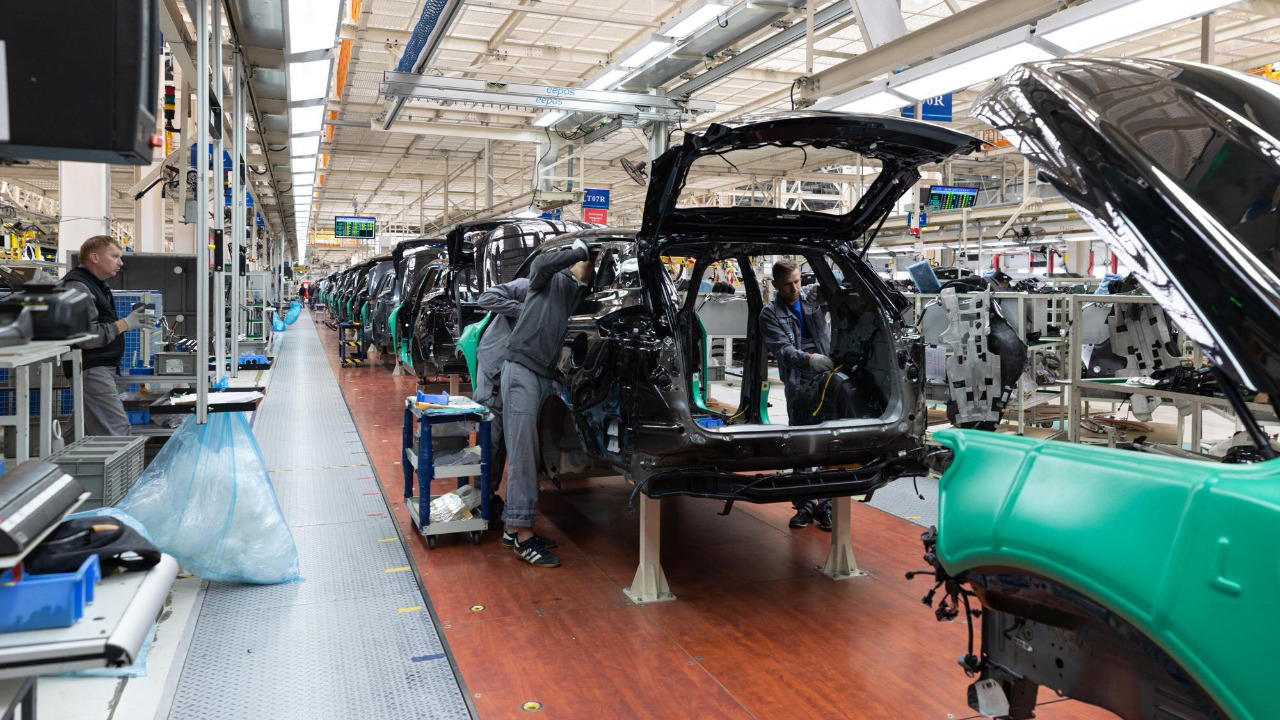



















Why Nissan says budget cars don’t make financial sense in the U.S.Affordable small cars once served as a gateway to new-car ownership in the United States, and Nissan was among the brands that built its reputation on them. Now the company is openly saying that the math no longer works. The automaker argues that truly low-priced models cannot cover their own costs in the current U.S. market, even as demand for cheaper transportation grows louder. That stance helps explain why entry-level nameplates keep disappearing from dealer lots and why prices at the bottom of the market feel so stubborn. It also raises a harder question for buyers and policymakers: if traditional budget cars are a money loser, who will serve drivers who cannot stretch to the average new-vehicle payment? What happened Nissan executives have been unusually blunt about the state of the entry-level market. The company has acknowledged that developing and selling a new car at a rock-bottom price in the United States no longer delivers a return that justifies the investment. In internal planning, the brand has shifted away from the idea of a subcompact loss leader and toward crossovers and higher-content vehicles that can carry more profit per unit. That position did not emerge in a vacuum. Over the past several years, Nissan has pared back the cheapest parts of its lineup. Models that once sat near the bottom of the price charts, such as basic compact sedans and small hatchbacks, have either been redesigned with higher starting prices or removed from U.S. showrooms altogether. The company now focuses on vehicles like the Versa, Sentra, Kicks, and Rogue, which still aim at value-conscious shoppers but no longer try to undercut the entire market by thousands of dollars. The economics behind that shift are straightforward. Nissan faces the same cost pressures as every other major automaker: stricter safety rules, more advanced emissions and fuel economy standards, and the need to integrate connectivity and driver-assistance technology that consumers increasingly expect as standard. Each of those requirements adds hardware, engineering hours, and software work. When a car sells for a relatively high price, those fixed costs can be spread across more revenue per vehicle. When the sticker price is extremely low, the margin to absorb them shrinks or disappears. Company leaders have also pointed to rising labor and material costs. Steel, semiconductors, and battery components have all become more expensive in recent years. At the same time, automakers have signed new labor agreements that raise wages and benefits for factory workers. Those changes may be justified on their own terms, but they push up the baseline cost of building every vehicle, including the cheapest ones. Nissan is not alone in this calculation. Other global manufacturers that once competed aggressively in the subcompact space have made similar decisions. They have canceled small sedans, converted them into higher-riding crossovers, or repositioned them with more features and higher prices. The industry pattern supports Nissan’s claim that the traditional bare-bones economy car is becoming a rarity in the United States. Yet the company still faces demand from buyers who want something close to the old formula. Analysts point out that the Versa and Sentra remain among the lower-priced new vehicles on the market, and they still attract shoppers who might otherwise buy used. Nissan’s public comments, however, make clear that even these models must be priced and equipped in a way that protects profitability, rather than treated as loss-making volume plays. Why it matters The retreat from true budget cars has real consequences for American households. The average transaction price for a new vehicle in the United States has climbed into the mid-$40,000 range, and the average monthly payment on a new-car loan now sits well above $700. Against that backdrop, the handful of models that still start below $25,000 carry outsized importance for buyers with limited budgets. Lists of the cheapest new cars available show how narrow that segment has become. The remaining low-priced options are mostly small sedans and compact crossovers, many of them from brands like Nissan, Kia, Hyundai, and Mitsubishi. Even among these, the very lowest advertised prices often apply only to base trims with manual transmissions and minimal equipment, while the versions that dealers actually stock tend to cost several thousand dollars more. Meanwhile, consumer expectations have shifted upward. Buyers now look for touchscreens, smartphone integration, advanced driver assistance, and automatic transmissions even in entry-level cars. Safety regulators and ratings agencies also push automakers to include more airbags, stronger structures, and electronic aids such as automatic emergency braking. Each feature adds cost, and removing them to hit a lower price would leave the vehicle uncompetitive or out of compliance. Nissan executives have described this as a harsh reality for the industry. They argue that engineering and building a new model that meets modern safety and emissions rules, while also including the technology buyers expect, cannot be done profitably at the price points that once defined the budget segment. That view has been highlighted in analysis of Nissan’s comments on the economics of cheap cars. There is also a strategic dimension. Automakers earn most of their profit from larger vehicles and from higher trim levels loaded with options. A subcompact car that sells for a very low price can draw shoppers into showrooms, but it can also divert some of them away from more lucrative models. If that entry-level product does not at least break even, it becomes harder for a company to justify its presence in the lineup, especially when production capacity is constrained. For consumers, the disappearance of those models narrows the path to new-car ownership. Shoppers who once might have bought a new subcompact for under $18,000 are now pushed toward used vehicles, longer loan terms, or leases with higher monthly payments. That shift carries its own risks, including higher maintenance costs for older cars and greater exposure to interest rate swings. There is a broader equity question as well. Transportation advocates argue that reliable personal vehicles are essential for access to jobs, education, and healthcare in much of the United States. If the industry decides that the lowest-priced new cars are not financially viable, the burden falls disproportionately on lower-income households, younger drivers, and people with weaker credit histories. Some analysts point out that Nissan’s stance reflects a structural change in the market rather than a temporary spike in costs. The move toward electrification, the growth of software-defined vehicles, and the expectation of frequent over-the-air updates all push the industry toward more complex and expensive platforms. That direction benefits companies that can sell premium features and services, but it makes the traditional idea of a simple, no-frills new car harder to sustain. Still, there is value competition, just at a different level. Rankings of the best cars for highlight models that balance purchase price, ownership costs, and quality over time. Nissan appears in those comparisons with vehicles that are not the absolute cheapest but that promise lower running costs and higher resale value. The company seems to be betting that this value-focused positioning will resonate more than chasing the very bottom of the price chart. For dealers, the shift changes the showroom conversation. Instead of steering shoppers toward a bare-bones model that exists mainly to advertise a low starting price, sales staff are more likely to present a slightly larger or better-equipped vehicle as a smarter long-term choice. That approach aligns with Nissan’s financial priorities, but it can leave truly price-sensitive buyers with fewer realistic options. What to watch next The next few years will test whether Nissan’s assessment of the budget segment becomes a permanent reality or a phase in a volatile market. Several trends bear watching. First, the company has signaled that it will concentrate on models that can be sold globally, with shared platforms and powertrains that spread development costs across multiple regions. If Nissan can build a small car for markets where low prices are still essential, then adapt that vehicle for the United States with higher trims and more equipment, it may preserve some level of affordability while still meeting its profit targets. Second, electrification could either deepen the affordability problem or eventually ease it. Entry-level electric vehicles remain more expensive to build than comparable gasoline models, largely because of battery costs. That makes it even harder to imagine a truly low-priced new EV in the near term. On the other hand, if battery prices fall and charging infrastructure expands, small electric cars could become a cheaper option to operate, even if their purchase prices stay higher. Nissan, with its history in the Leaf, will have to decide how far downmarket it is willing to take future EVs in the U.S. lineup. Third, competition from other automakers will shape how much room Nissan has to maneuver. Some rivals have indicated that they still see value in maintaining a presence at the lower end of the market, even if the margins are thin. If a competitor can engineer a small car or crossover that meets regulations and sells in enough volume, it might capture budget-conscious buyers that Nissan is no longer targeting aggressively. There is also the possibility of new entrants. Global manufacturers that specialize in low-cost vehicles for emerging markets could look at the United States as an opportunity, especially if they can leverage lower-cost production bases. However, they would face the same regulatory and consumer-expectation hurdles that Nissan cites as barriers to profitability. Policy choices will matter as well. Lawmakers and regulators could decide that preserving access to affordable new vehicles is a priority, and adjust rules or incentives accordingly. That might involve targeted tax credits for lower-priced cars, streamlined certification for certain models, or support for domestic production of small vehicles. For now, though, most policy attention is focused on emissions reductions and EV adoption, rather than on the specific fate of budget gasoline cars. Consumers will continue to adapt in the meantime. Many buyers who once would have shopped for a new subcompact now look for late-model used vehicles, certified pre-owned programs, or longer financing terms to keep payments manageable. These strategies can soften the impact of higher new-car prices, but they do not replace the role that truly low-priced new cars once played. Analysts tracking the market will be watching how Nissan’s sales mix evolves. If the company can grow volume and profit with a lineup that starts at higher price points, its argument about the economics of cheap cars will look vindicated. If it loses share among younger and lower-income buyers, it may eventually revisit the idea of a leaner, more affordable model. Nissan’s public comments about its inability to profit from ultra-cheap cars, reflected in coverage of its budget-car strategy, have put a spotlight on a tension that runs through the entire industry. Automakers are pulled between the need to fund expensive technology shifts and the social expectation that basic transportation should remain within reach. More from Fast Lane Only Unboxing the WWII Jeep in a Crate 15 rare Chevys collectors are quietly buying 10 underrated V8s still worth hunting down Police notice this before you even roll window down The post Why Nissan says budget cars don’t make financial sense in the U.S. appeared first on FAST LANE ONLY.