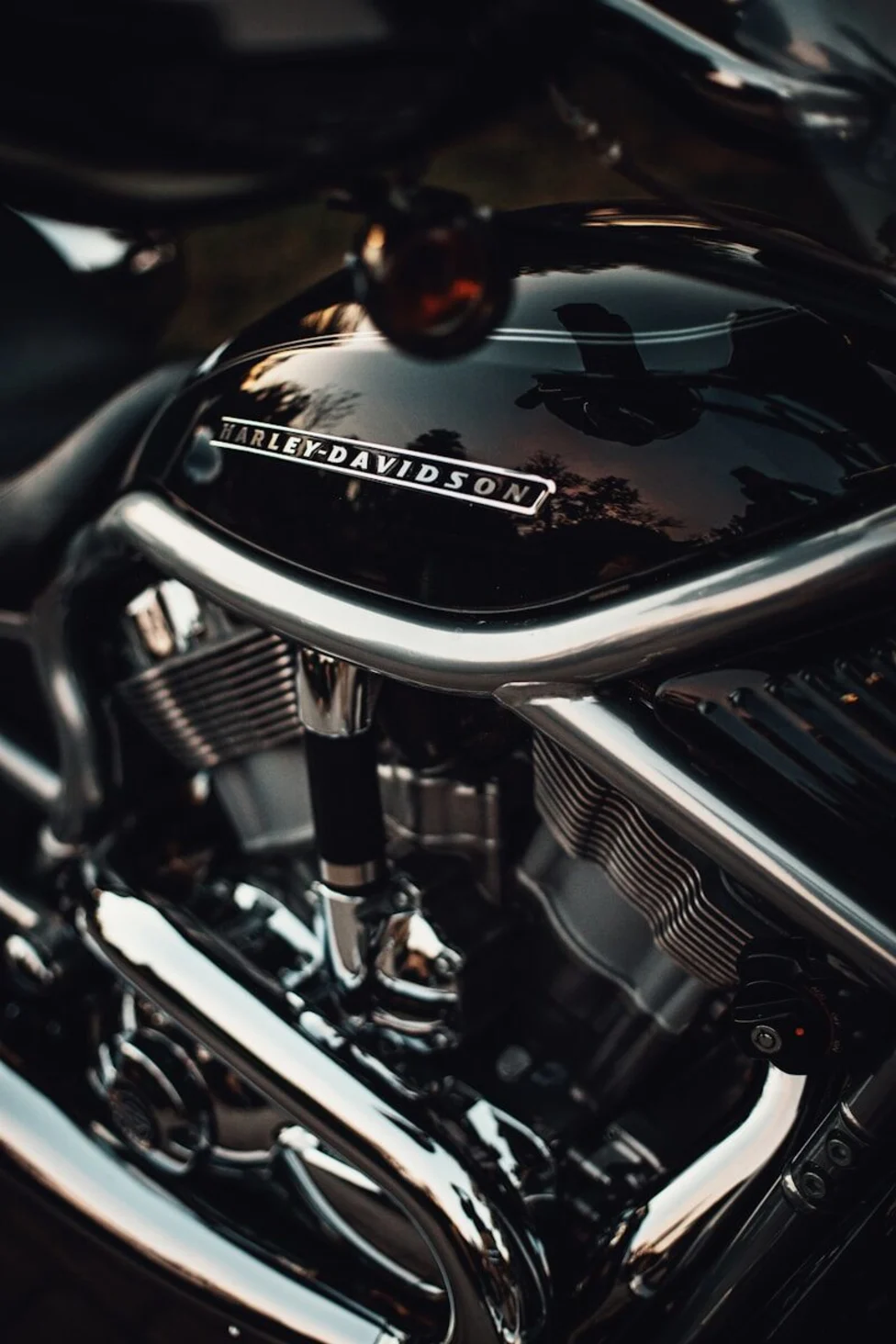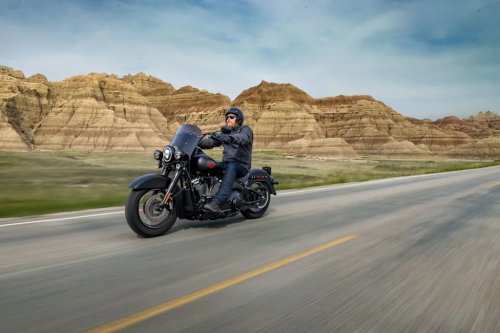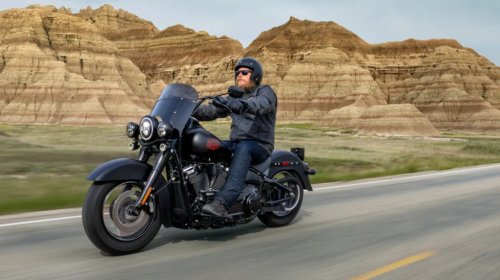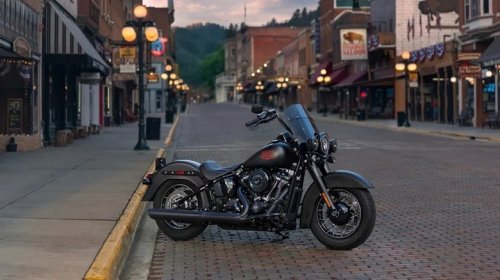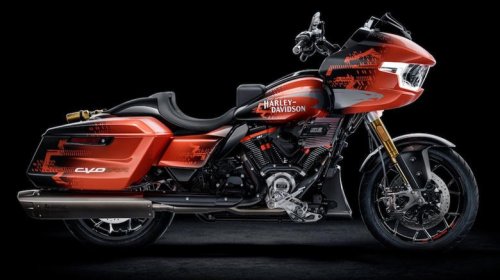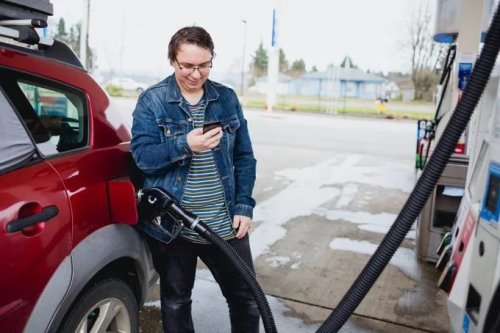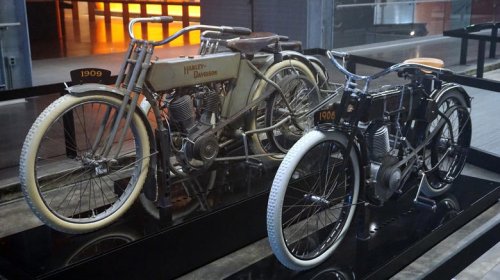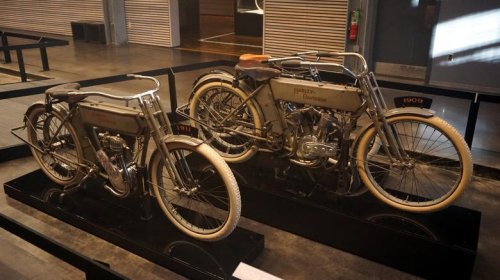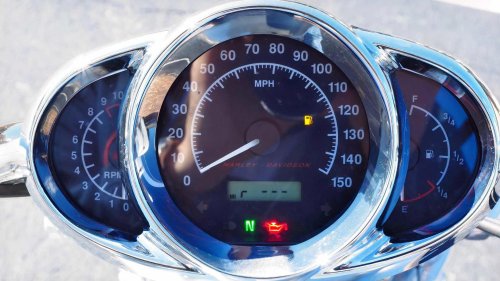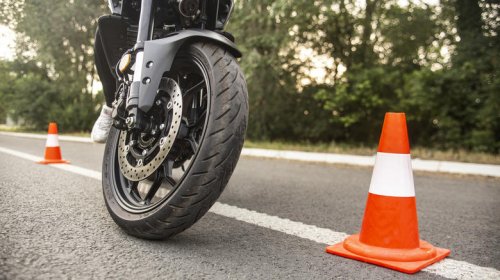

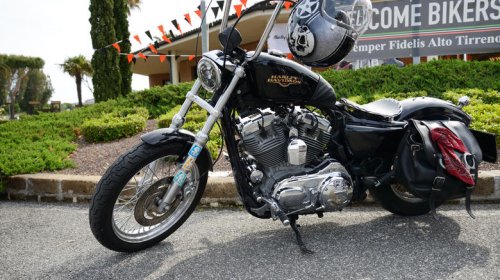
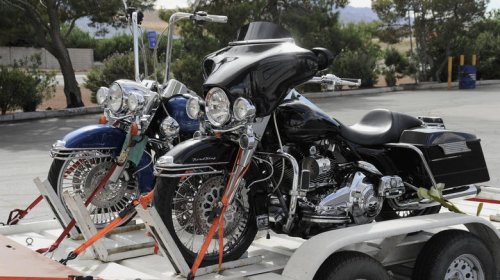
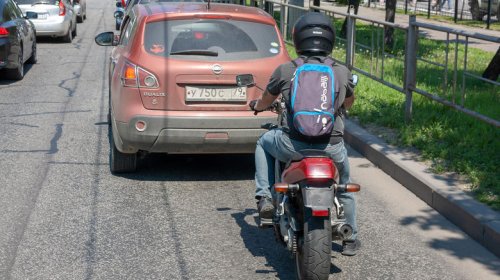
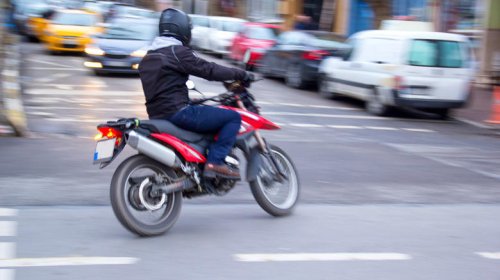





















Practice slow maneuversEvery bike has its own unique characteristics, and Harley-Davidsons are no different. A rider making the switch will naturally want to get accustomed to their new chopper before taking it out into more challenging conditions. Whether this is your first bike or just your first Harley, learning to maneuver is crucially important to developing a true connection to your new weekend toy or daily commuter tool.One of the most important things you can do when coming to grips with a new bike is practice your slow maneuvers. A set of small cones and an empty parking lot are all you need to engage in this critical practice. Set up the cones and zigzag around them, practice your turning and cornering, and even get used to maneuvering backwards with the weight of your new Harley-Davidson. All of the maneuvers you'll do at slow speeds translate into critical skills that happen at faster speeds. As well, these slow maneuvers are an under-appreciated component of standard riding. Every time you take off from a parking spot, you'll need to turn into traffic or back out in order to get yourself moving, and yet these skills are frequently forgotten about by riders looking to simply get going on the road with their new vehicle.Don't skip the riding safety courseSpeaking of critical skills, every new rider should enroll in their local riding safety course. In many jurisdictions, this course is a prerequisite for adding the M classification to your driver's license. This means that you might need to take the class before you can legally drive a motorcycle. Regardless, enrolling in the class and taking the lessons it provides can seriously set you up for success as you prepare to hit the road on a brand new (or new to you) Harley-Davidson.These classes are relatively inexpensive and may last a few hours or span a couple of sessions over the course of a weekend. In many riding safety courses, you won't even need to have a motorcycle of your own to participate. The instructors will supply new riders with everything they'll need to get moving on two wheels, including the motorcycle itself if necessary. In these classes, you'll learn everything you need to know in order to start up a motorcycle and get it moving. So long as you already know how to ride a standard bicycle, you can be taught how to ride a motorcycle in just a short period of time. Skipping the rider safety course is a great way to start your journey on a negative footing. From slow maneuvering to managing faster speeds on the highway, everything you need to know is contained in this basic ridership course.You can start a Harley-Davidson without the key fobNew Harley-Davidson models feature a high tech starting mechanism that utilizes a key fob rather than a traditional ignition key. The onboard computer is a great piece of technology, but the lack of traditional ignition tools means that maintaining backups can be a little trickier. If you've lost or damaged your key fob, you're almost certainly going to experience a flash of panic. Without it, how are you going to start the motorcycle in order to get home?Fortunately, Harley-Davidson has an answer to this question. Every modern Harley model (from at least 2022 onward) features a pin code you can use to start the motorcycle without your fob. This is a major relief for those who are forgetful or might be engaging in a lengthy motorcycle trip and can't afford to find themselves stranded out on the road. You can also change the pin to something that's easier to remember. To do this, you'll need to turn on the bike (with the fob present) and hit the ignition switch three times. Then hit your indicators in a left-left-right pattern to activate the pin change setting. Using your indicators, you'll change each digit with the left and confirm the setting with the right. Entering the pin with your turn signals without the fob then allows you to start the bike.Don't forget to put your Harley in transport mode on the trailerTransport mode is another crucial feature new Harley owners will need to become familiar with. If you plan on moving your motorcycle on a trailer or truck bed at any time, enabling transport mode is a must. Without this feature activated, you will either have to accept that your motorcycle will have its lights flashing for the entire duration of your trip, potentially killing its battery in the process, or accept the risk of theft by leaving the key fob with the bike. Both of these approaches leave you in a bad position.Turning on transport mode will turn off the security system that would otherwise raise the alarm as your bike is moved without being properly activated for use (either with the key fob or via its ignition pin code). It's incredibly simple to activate and only takes a few seconds. With the key fob, turn the ignition switch on and then back off again. Then hold both turn signals down for a few seconds and this mode will be activated. From here you can transport your motorcycle without worrying about any additional safety or power concerns.Don't drive in the center of the lane if you can help itIn addition to positioning yourself at the front of a line of traffic to create distance between you and motorists who are still moving, lane positioning is crucial to motorcycling safety. Every roadway and ride will be unique, and so there is no singular solution that will always fit every scenario. However, generally speaking it's not a good idea to position yourself in the center of a lane.Most drivers on the road travel in cars, which straddle the center portion of the roadway. This means that any leaks coming from a car will drip down in the middle of the lane as most of a typical vehicle's internal components can be found roughly along its centerline. Oil, coolant, and other fluids can regularly drip out of any of the millions of vehicles that take to the roadway in your area, creating a slicker road surface across this central area in the process. Similarly, by traveling in the middle of a lane you'll place yourself closer than necessary to other drivers. Depending on a variety of unique roadway factors, you will frequently want to try to stick to either the left or right edge of the lane you're traveling in throughout most of the a ride.Where your eyes go, your bike goesThis tip is something of a lesson in physics. People who have been on a bicycle before will know that when you turn your head your shoulders move along with it; the same principle applies to motorcycles. This means you'll begin to shift your weight and turn the steering wheel gradually when you look in one direction or another. Behind the wheel of a car, this phenomenon is far less pronounced, although it can happen when you turn around to look over your shoulder (for instance during a lane change).Knowing that swiveling your head can dictate the direction of travel of your entire body and motorcycle, it's important to realize that this can act as both a problem area and something of a solution at the same time. Those who have a wandering gaze will want to reign in their movements to ensure safe driving at all times. On the other hand, for those looking to improve their transitions around corners and elsewhere, a slight turn of the head as you approach a curve can help you gradually ease into it and make your driving smoother.Use your gas cap to keep your new Harley clean when filling upThis tip will help new Harley owners, as well as motorcyclists riding just about anything else, help keep their bike clean. Every motorist knows that when filling up at the pump, there's frequently a small drip or two left over in the nozzle when you finish refueling. In a car, you can simply bang the nozzle against the plastic components of the intake valve. There's lots of real estate there, and the geometry of the car's side also helps with this tactic.However, motorcycles feature a gas tank and refueling layout that forces you to carry the pump over your pride and joy every time you need to fill up. This increases the risk of spilling gas on the side of your bike. However, there's a simple solution to this drip problem. Grabbing your gas cap and flipping it over allows you to use it as a catch basin for the nozzle as you take it away from your motorcycle. All you have to do then is replace the gas cap and drive away, leaving gasoline drips on the pavement where they belong.Harley-Davidson financing options are availableAnother important thing to keep in mind for Harley-Davidson riders is the plethora of financing options available to buyers. Before you've even swung your leg over that new Harley headed for your garage, utilizing one of the brand's many helpful avenues into ownership can make the experience even more rewarding.There is obviously a range of in-house financing options (including "H-D Flex Financing" that operates as something like a lease) available to buyers who are shopping at the Harley-Davidson dealership. This is nothing new, but the company also offers rider-to-rider financing options that can help you buy a used Harley-Davidson motorcycle directly from another owner with the help of the company's financial support. This makes a wide range of Harleys accessible to buyers looking to finance their new purchase and opens up a world of possibilities both in the new, relatively new, and even vintage markets for eager riders.