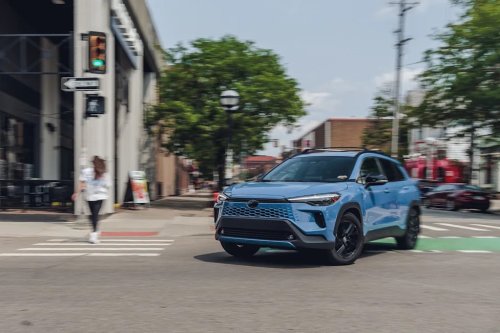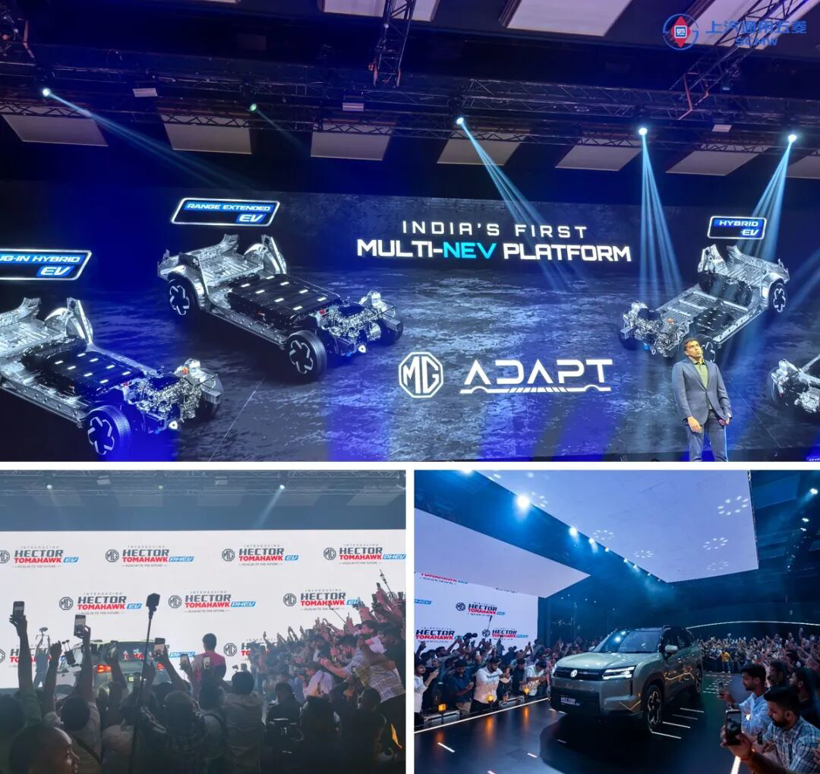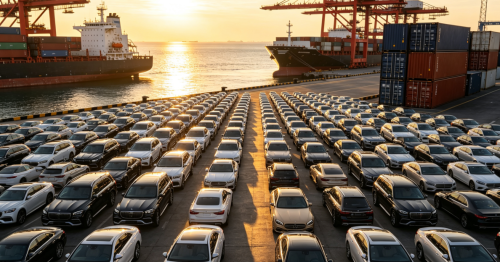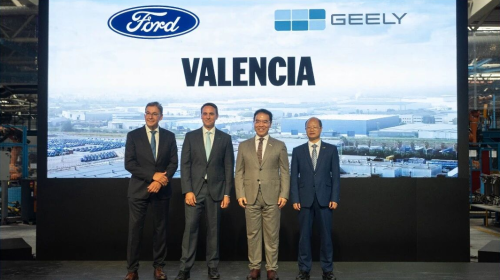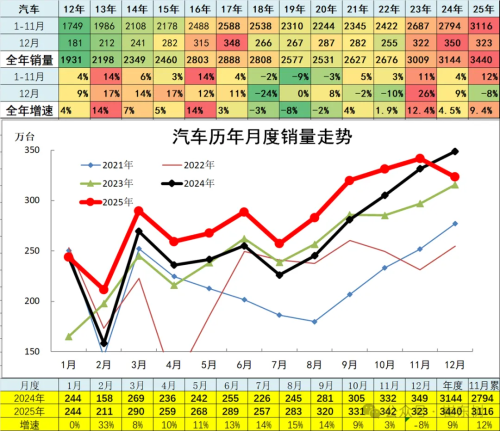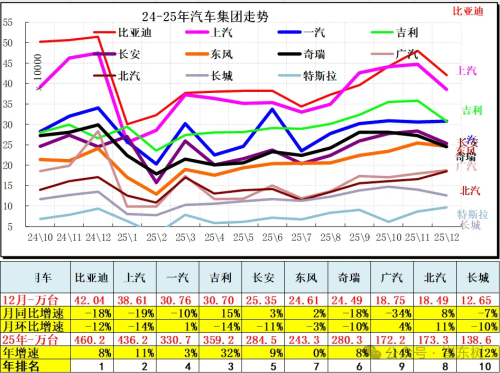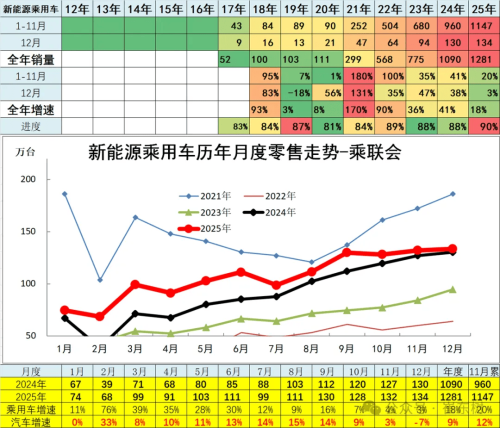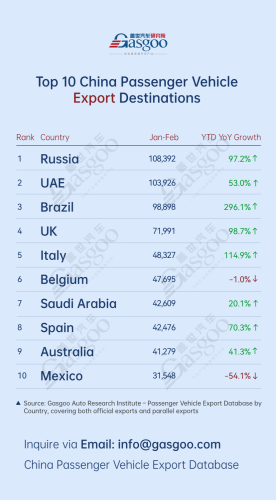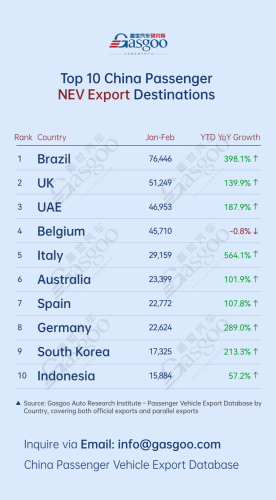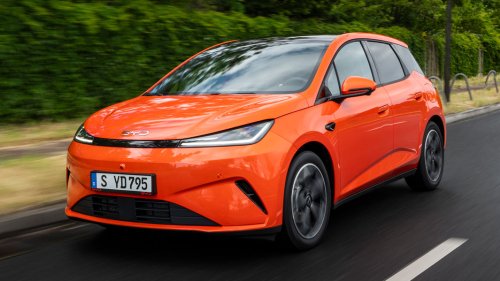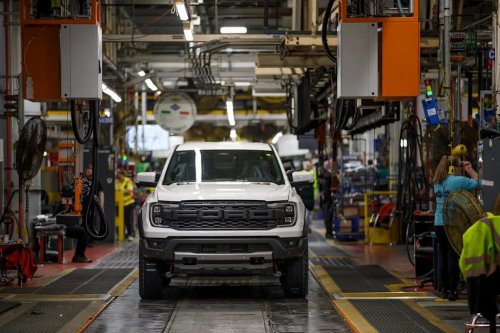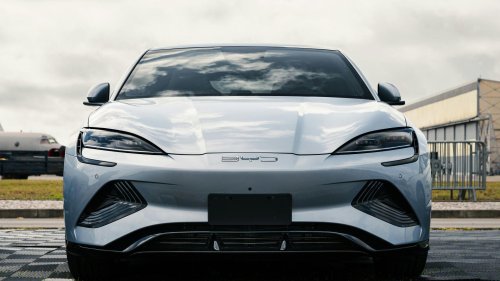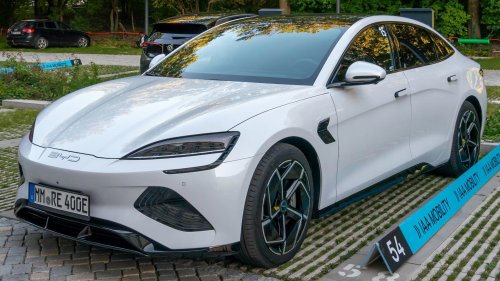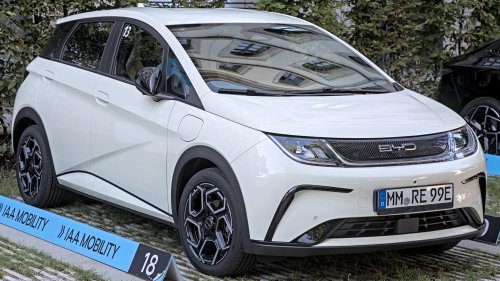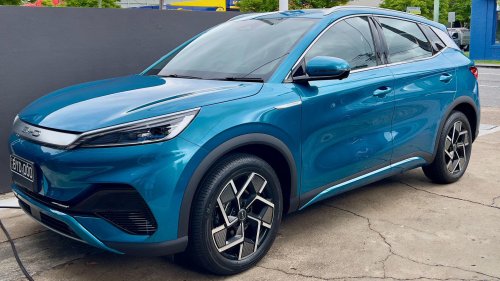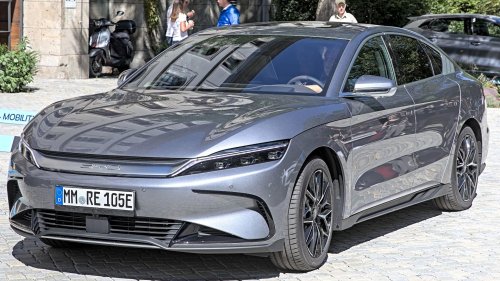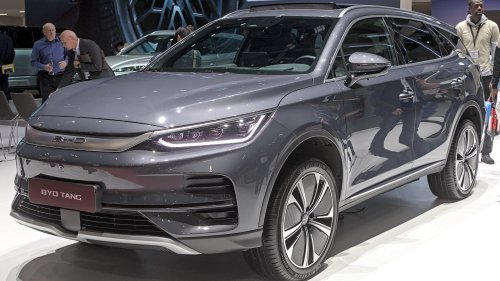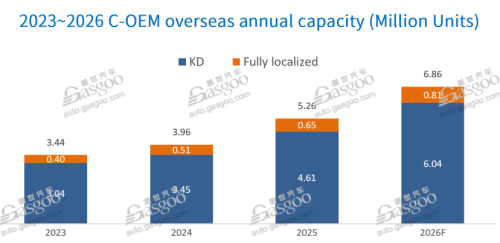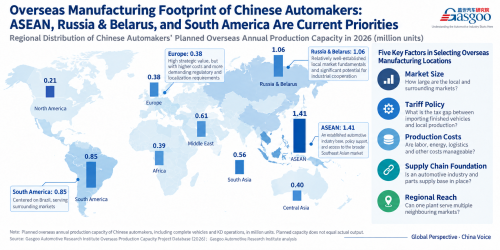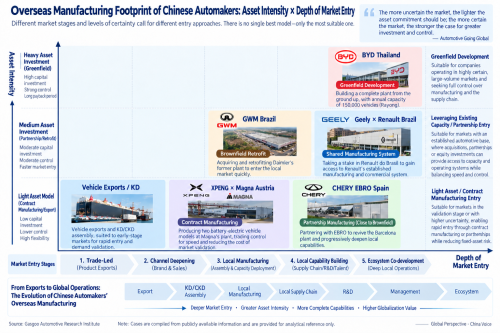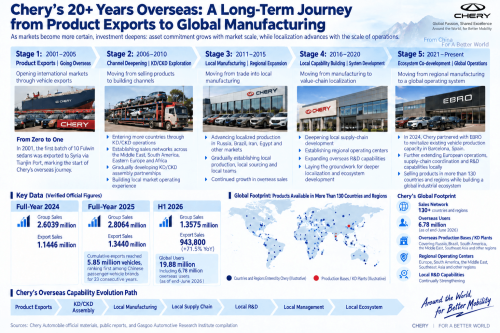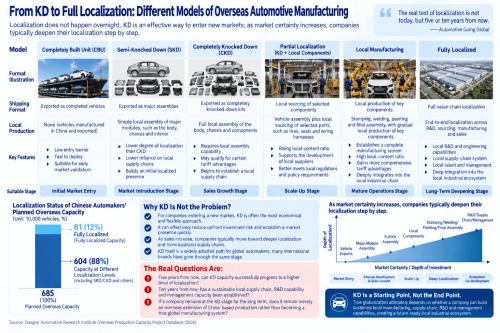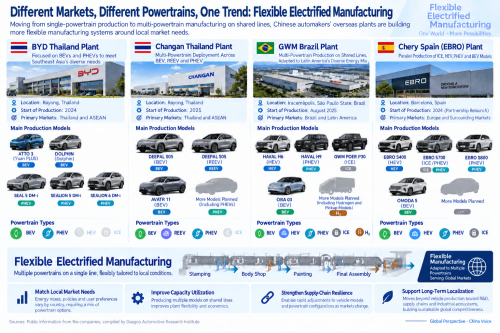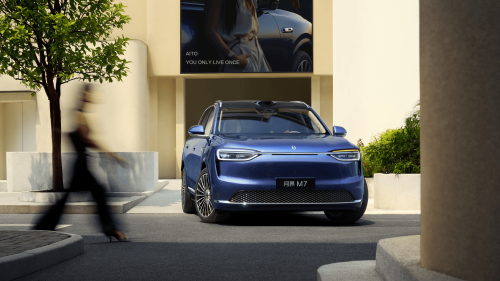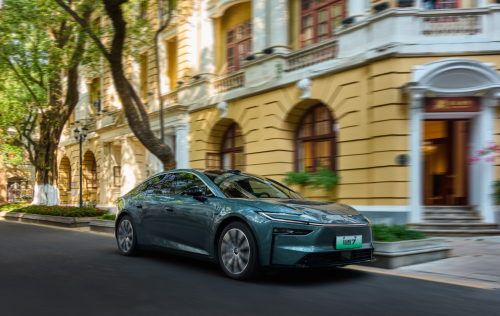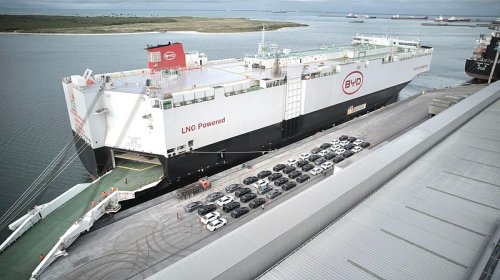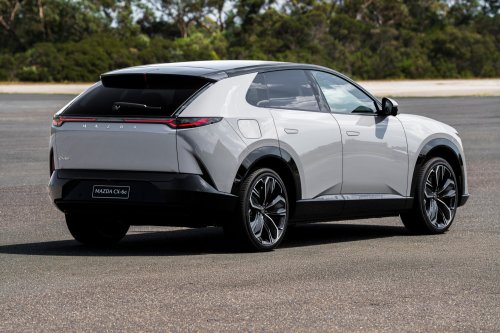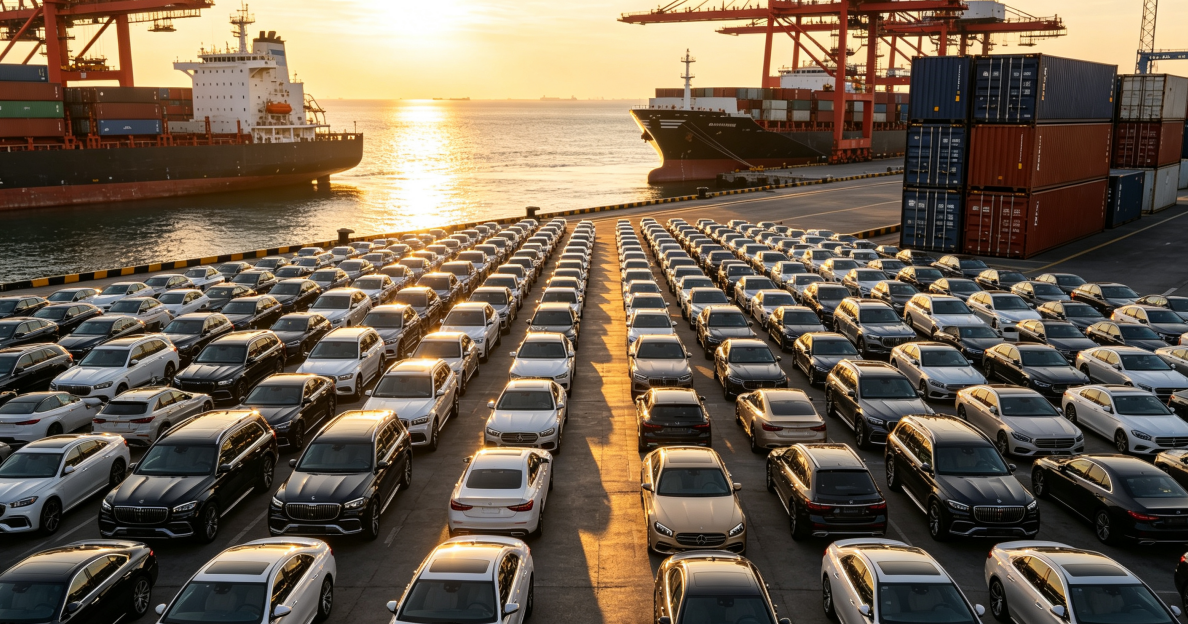
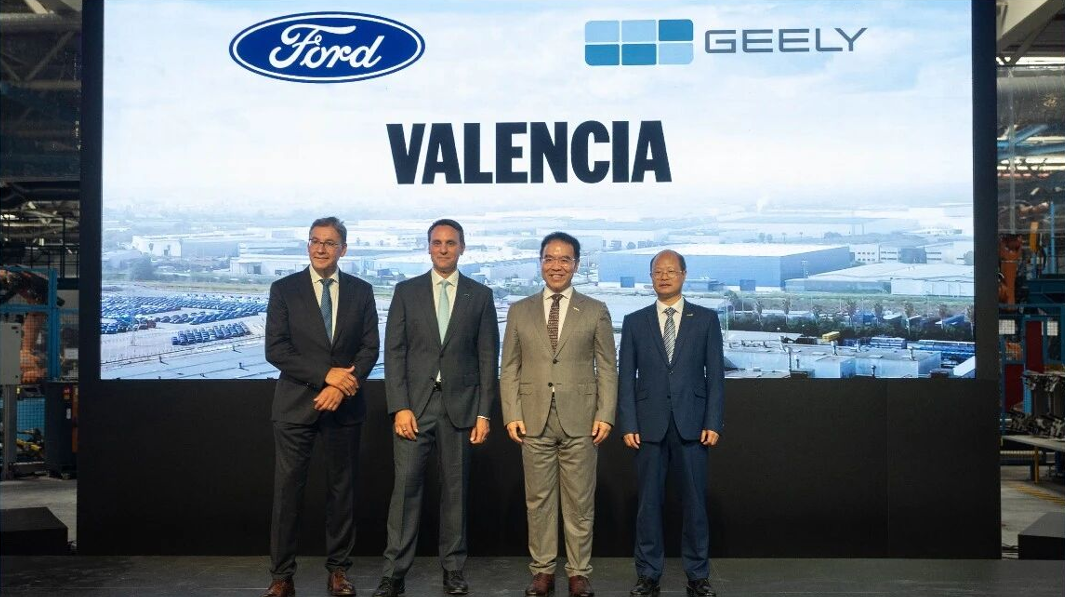



















Gasgoo Munich- The Chinese auto market is tracing a rare divergent curve in 2026 — a steep rise in exports against a persistent slide in domestic demand, creating one of the most scrutinized phenomena in the global industry. Data from the China Passenger Car Association (CPCA) shows July exports hit 1.09 million units, surging 57% year-on-year. From January to July, cumulative exports reached 6.41 million, a 54% jump.New energy vehicles (NEVs) have been the standout performers. Cumulative NEV exports for the first seven months climbed to 2.96 million, up 72% from a year earlier. By contrast, data from the Ministry of Industry and Information Technology reveals that domestic production and sales for the first half of 2026 stood at 14.993 million and 15.017 million units respectively, down 4% and 4.1%.This divergence serves as both a testament to the global competitiveness of China's auto industry and a signal of deeper challenges: mounting cost pressures along the supply chain and an urgent need for business model transformation.Surging Exports vs. Domestic PressureIn terms of export structure, NEVs have emerged as the primary engine of growth. CPCA data shows that from January to July 2026, NEV exports totaled 2.96 million units, a 72% annual increase. In July, battery electric vehicles accounted for 32% of exports, while plug-in hybrids made up 18%; the share of traditional internal combustion engine vehicles has already slipped to 35%.Image source: HuabanThis shift in powertrain dynamics reflects not only the state of infrastructure in overseas markets but also how Chinese automakers are converting their technological edge in plug-in hybrids into export competitiveness.Cui Dongshu, a secretary-general at the CPCA, noted that China's NEV export performance has exceeded expectations, driven largely by plug-in hybrids and hybrids replacing battery electrics as the new growth engine. He put it bluntly: "Because of differences in charging infrastructure, they need hybrids."The landscape of export destinations is also undergoing seismic shifts. From January to July 2026, Russia reclaimed its spot as the top export market with 542,900 units, surging 136%; Brazil jumped to second place with 427,700 units, a 144% increase; and the UK ranked third with 320,500 units, up 91%.Markets like Australia and Belgium also sustained high growth rates. However, the explosive growth in some markets bears the hallmarks of a policy window. In Brazil, automakers front-loaded shipments ahead of a unified tariff hike to 35% on July 1; once July arrived, the market underwent a deep adjustment with a month-over-month plunge. Russia's surge was largely a rebound from a low base in 2025. Whether policy-driven growth can persist remains an open question. Meanwhile, exports to the Middle East have faced significant headwinds due to geopolitical conflicts.From Product Exports to System OutputBut the expansion in export volume comes with a mounting accumulation of cost pressures across the supply chain. Lithium carbonate prices have been rising since mid-2025, with the current average breaking 140,000 yuan per ton — a roughly 140% gain from the year's low. Automotive-grade memory chips are facing a supply squeeze due to capacity absorption by the AI boom, with a fulfillment rate below 50% and prices for some high-end models soaring over 300%.William Li, chairman of NIO, didn't mince words: the biggest cost pressure for companies in 2026 comes from rising memory chip prices. Data from the China Association of Automobile Manufacturers (CAAM), based on National Bureau of Statistics figures, shows the auto sales profit margin for the first half of 2026 was just 3.8%, slipping from previous years. The simultaneous clamor of rising costs and booming exports is reshaping the industry's profit logic.In response to this landscape, China's automotive export drive is shifting from simple vehicle trading to a new stage defined by supply chain synergy and deep localization.Image source: Geely GroupIn July 2026, Geely acquired a 34% stake in Ford's Valencia plant in Spain for 221 million euros, forming a joint venture to produce NEVs. BYD confirmed its Hungary plant will start vehicle assembly in the fourth quarter of 2026; its Brazil factory went from groundbreaking to production in just 15 months, boasting an annual capacity of 150,000 units. These moves represent more than a physical migration of capacity — they signal that Chinese automakers are systematically embedding their manufacturing, technology, and supply chain capabilities into global markets.Yet the path of transformation is far from smooth. Industry consensus holds that for Chinese automakers to truly "enter and establish" themselves in overseas markets over the next 5 to 10 years, they must overcome three core challenges: insufficient brand premium, an imbalance between volume and profit, and weak local foundations.Concerns about "substitution" linger in some destination markets, where local industries fear being squeezed out by Chinese competitors. An executive at a multinational parts supplier once noted that true localization isn't simply hiring local workers or sourcing local components; it is about helping the local industry build stronger capabilities. This observation reveals a deeper truth: the globalization of Chinese automobiles is not just an expedition of products, but a co-construction of capabilities.From a competitive standpoint, Cui Dongshu pointed out that overseas markets are relatively open. "The Global South market previously did not receive effective supply," he noted, adding that factors like high oil prices make the smart and electric advantages of Chinese automakers glaringly obvious. He remains optimistic about the full-year trajectory, projecting that export volumes could reach 12 million units this year, building on last year's 8.324 million. "As long as the international environment remains stable, there is still immense room for China's auto exports to grow."China's auto exports in 2026 stand at a critical inflection point. While scale growth is all but assured, the ability to build sustainable profit models, genuine brand value, and deep local capabilities on top of that scale will determine how far this global journey can go. As the CAAM suggested regarding the forecast of 10 million exports, "we should remain cautiously optimistic." Optimism lies in the irreversible trend; caution lies in the long road of cultivation ahead.