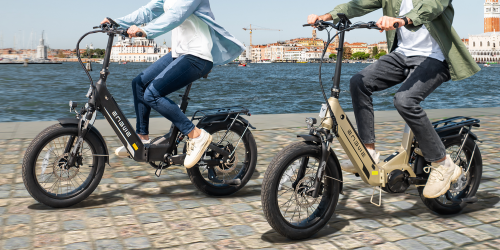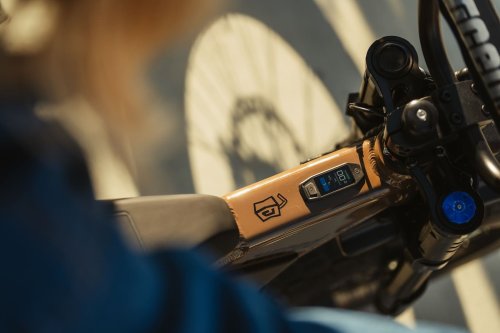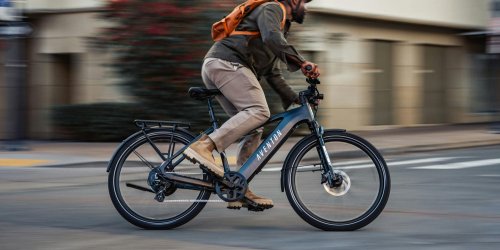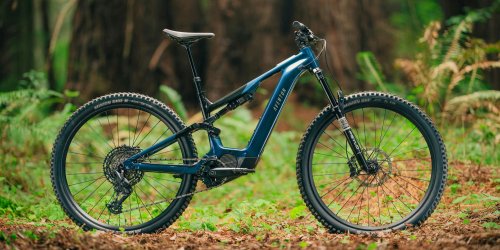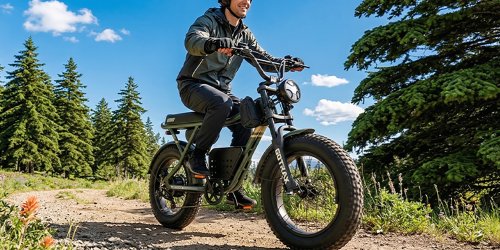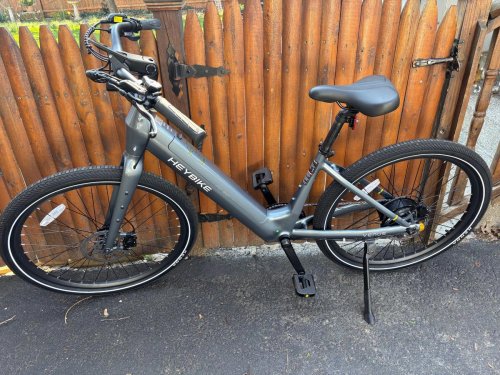

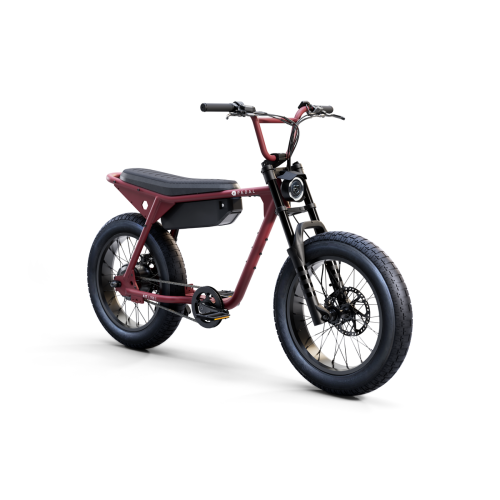




















E-bikes are having their North American moment, long after they became ubiquitous in China. In 2025, an estimated 1.5 million e-bikes were sold in the US, and 2.2 million imported (representing 29 percent growth from 2024). Since it’s relatively easy to put together a new e-bike from off-the-shelf parts, a plethora of companies are jumping in to an expanding market.The US used to lead the world in bicycle ownership, but trail just about everyone in actual use. The bikes were usually in the back of the garage, on flat tires, and covered in dust. E-bikes actually get people out and riding. In 2024, 112 million Americans took at least one bike trip—the highest number ever recorded, representing 35 percent of the population three and over. California has the highest e-bike acceptance, but Texas is coming on strong, and Austin and Dallas are competing in new infrastructure for cyclists. But assisted pedaling is gaining ground everywhere. Here are three new e-bikes, representing a wide spectrum of price and road/off-road behavior. Heybike Venus, $1,499The Heybike Venus has lots of features for an inexpensive ride.This commuter bike is on the affordable end, especially since it’s nicely equipped and specced. It’s sold in one size and weighs 45 pounds (without the battery, around 50 pounds with), sports a 48-volt, 750-watt (1,100-watt peak) Galaxy hub motor that gives it plenty of climbing power, and has 85-mile cruising range. This is a Class 2 e-bike, with a throttle and pedal assist, and it can be set to go up to 28 mph in Class 3 mode. As a commuter bike, the Venus lacks a suspension. It’s no off-roader, but urban commuting often includes potholes that can be rattling on this one. The display is in full color, and the frame-integrated turn signals are a nice addition. The “M” button gives access to a trip computer, average and maximum speeds, and voltage. The bike has both torque and cadence sensors, adjustable to the way you ride, plus a USB connector. Venus has an electric horn, a rarely seen accessory. A few more specs: the UL-listed bike comes with an eight-speed Shimano Altus drivetrain; a 48-volt, 14.1-amp-hour lithium battery with a two-amp charger that takes seven hours to full; two-piston hydraulic brakes with 180-millimeter rotors; an Alton derailleur, and it sits on 27.5-inch Kenda tires. The rear rack can handle 66 pounds. The Venus didn’t offer any surprises on the road. It’s a nice cruiser, with lots of available power. The throttle pauses before it grabs on, but it offers better-than-usual boost. On flat roads you can leave the eight-speed in a top gear and the assist settings in 3 or 4 (of five). It goes up hills like a mountain goat, even with 3-level assist. On its website, Heybike is offering fenders and a rear rack as a free upgrade for new buyers. Some of Venus’ details could be better. Why isn’t the battery cover just built into the battery, instead of a fussy separate piece? The cloth strap to pull the battery out ripped immediately. And the flimsy charger port cover refused to reseal. Despite these minor issues, the Heybike is a lot of pedal power for the money and should be just fine for use as your daily commuter ride. Lauf eElja, $6,990 The Lauf eElja, via Iceland, comes in two versions.Everything about the Lauf eElja from Iceland is different, starting with assembly. Installing the pedals, the front wheel, the handlebars—the instructions were all from the same country that brought us Bjork. Still, it was always apparent that the eElja is a beautifully built and finished (with lovely paint that changes color in different light) carbon-frame e-bike, with enclosed wiring. There are two models, Weekend Warrior Long Range and Race Long Range. The former is the (still pricey) entry level, and the latter ($8,490) adds carbon-fiber rims and crank arms, upmarket drivetrain components, and a higher level of suspension tuning. The eElja is an electric mountain bike, stripped down for serious riding. There’s no screen display, kickstand, fenders, turn signals or other signs of encroaching civilization. What it does have is two SRAM AXS battery pods, that control the drivetrain, the dropper seat and motor mode via the handlebar buttons. The left buttons control the level of assist (readable by LED lights, not a display), the right is gears (12 of them) up and down. The eElja is also Class 1, with no throttle and limited to 20 mph. The bike is set up for a tall seat position and sturdy diamond-frame top bar, which means getting on or off is best accomplished by laying the bike on its side. It helps that it’s so light, only 36 to 39 pounds, depending on tires. The base battery is a German TQ 360-watt-hour unit, but a 160-watt-hour range extender can be bolted in. Both versions of the bike get a TQ 350-watt motor, and SRAM rear derailleur, shifter and brakes. Lauf does not offer range in miles, but instead says that with the range extender the bike can offer 6,600 feet of vertical climbing with 100 percent assist. Lauf’s bike has many variables, set either on the unit itself or in the TQ app. Trial and error gets it dialed in. The pedal assist is quite natural and comes on gradually (unlike the Pedal Electric, see below), but it gets you up the hills. The motor is quiet, but the knobby Goodyear Escape Max Trail Lite tires are not. The suspension has multiple adjustments, but it handles road irregularities easily. Overall, the bike requires the rider’s full attention for assembly and setup, but the result is a very capable off-roader. Pedal Electric H/T, $2,250The Pedal Electric H/T Hardtail was designed for inexpensive around-town urban transportation.Partners Spencer Gillis and Steven Melendez founded Pedal Electric, without outside investors, in Los Angeles circa 2020. Their goal was not to build stealth motorcycles that could easily be converted to hit 40 mph, but around-town urban transportation. Tested was the H/T (a.k.a. Hardtail), a small but mighty machine. An experienced long-distance cyclist took it for a spin and commented, “That bike is just fun!” And it is. As with the previously tested Pedego Moto, it’s a bench-seat bike that taller people ride by sliding their butts backwards. The process works better on the larger Pedego. Cyclists over 5’ 10” can ride the H/T, but the effect is a bit like a Shriner’s bike. It works somehow. The aluminum-chassis Pedal Electric bike is a Class 2, limited to 20 mph (but 28 mph is possible in Class 3 mode without the throttle). It’s small but heavy at 60 pounds. Cruising range from the 750-watt rear motor is 40 to 60 miles via a 48-volt, 768-watt-hour (16 amp-hour) battery. If you add the optional 48-volt, 20 amp-hour auxiliary battery, it extends range to 100 miles—but costs a hefty $850. The rear rack is useful and cheaper ($210). The hydraulic brakes (203 mm front rotor and 180 mm rear) work well, and the front suspension is adjustable. There’s a handy USB-C phone charger and a useful odometer. Other cool and thoughtful features include the option of setting a password for the display, and a hidden AirTag holder. Where’s the battery? It’s under the bench seat. Autoweek SOC EV Newsletter sign upThis is a single-speed bike, which works well for around-town riding. There is a thumb throttle and five levels of pedal assist, but watch out, this bike is powerful! At any setting over 2, the bike just leaps forward with a big burst of power that can catch out the unwary. Even at 2, though, there’s plenty of hill climbing available. Once you’re used to the H/T bike’s secret identity as a rocket launcher, it becomes a very usable errand companion. Taller people probably won’t want to take long trips, though, even with the range-extender battery.