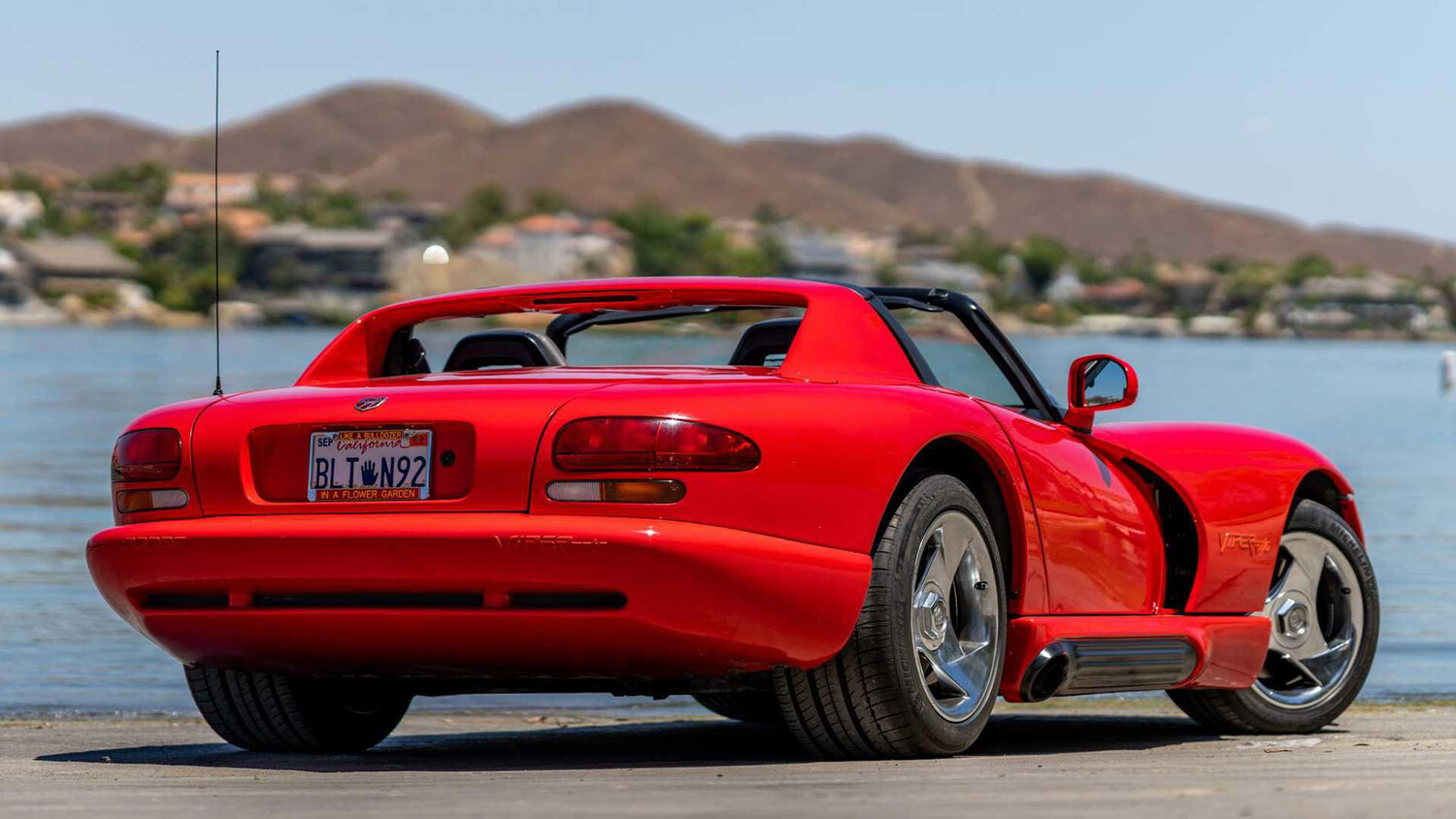
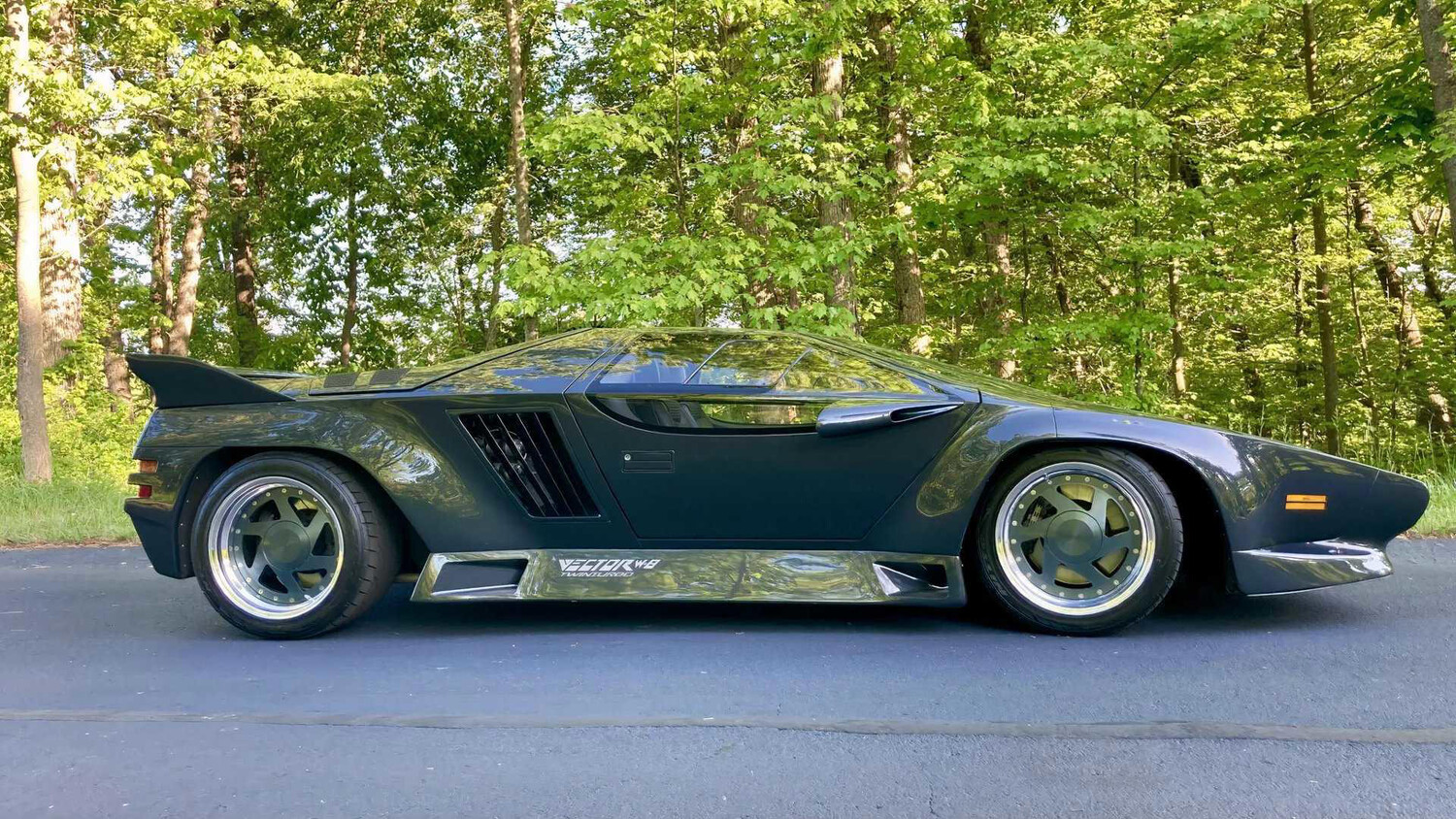
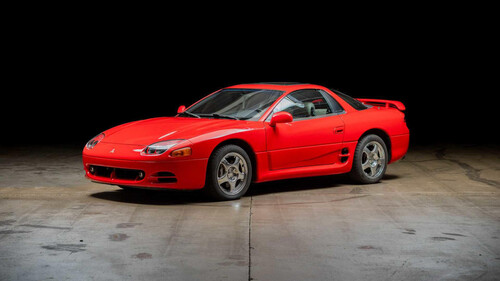
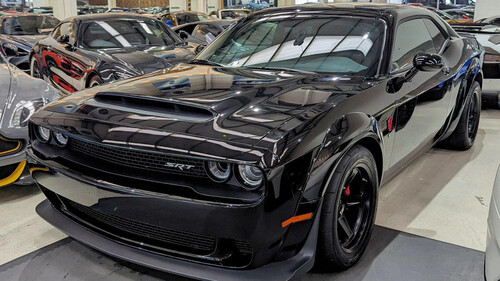
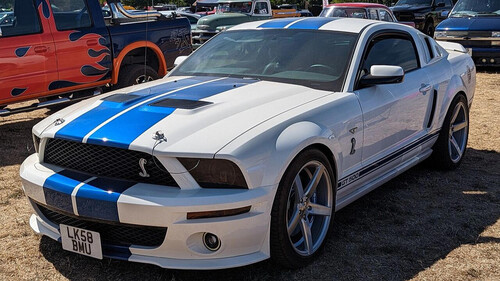
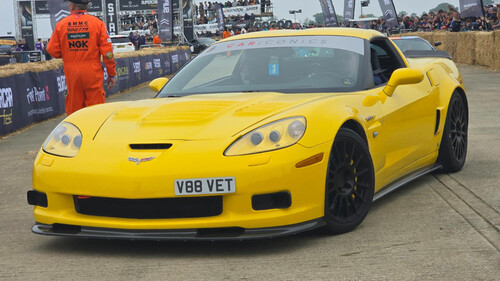
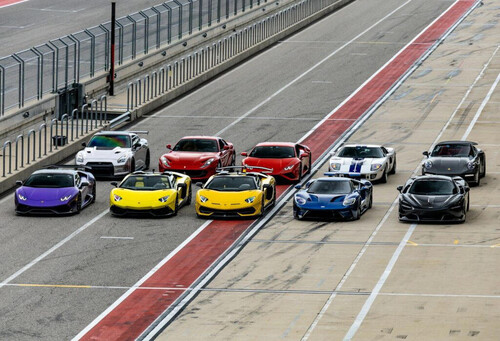
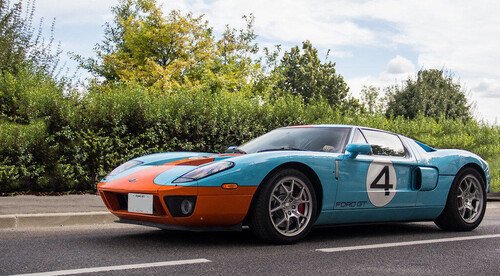
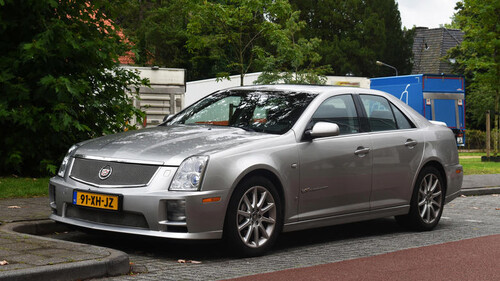
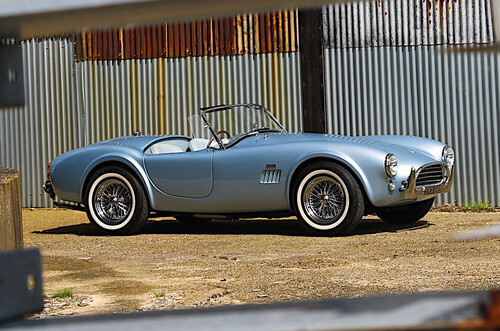
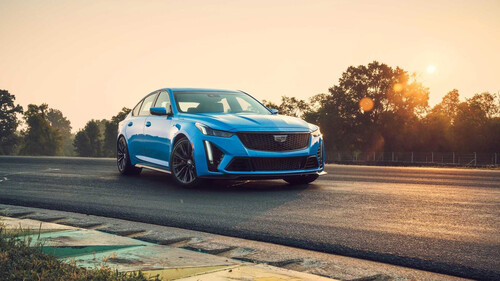
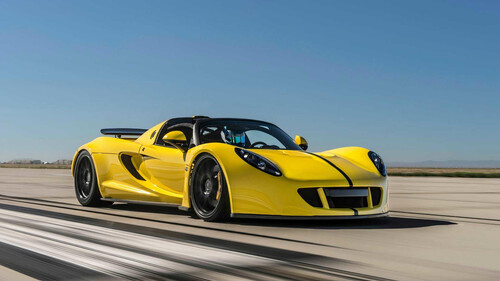
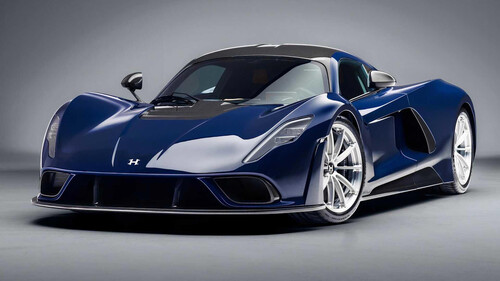
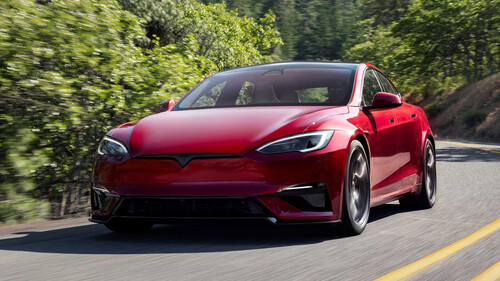
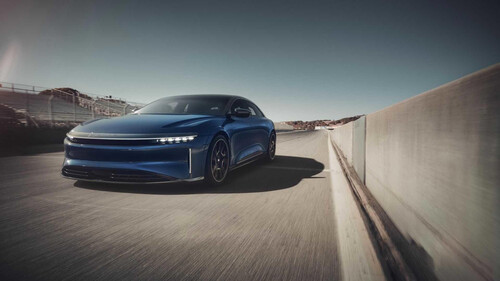
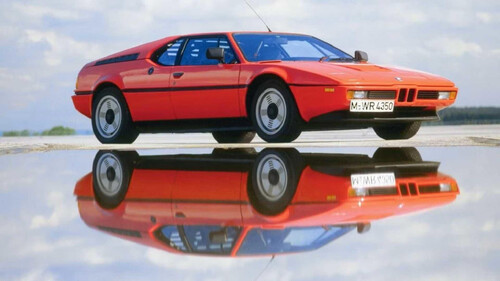
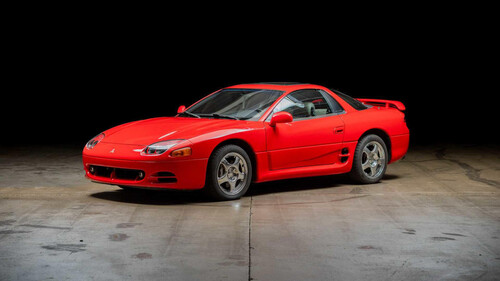
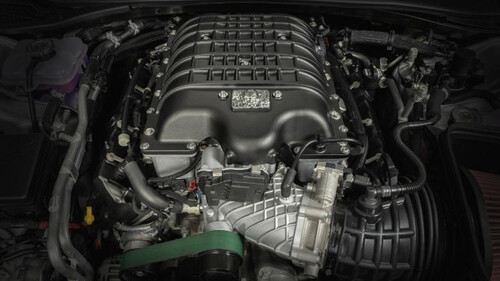
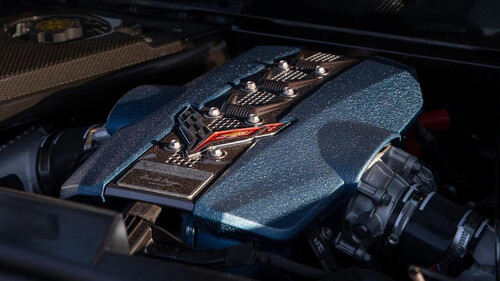
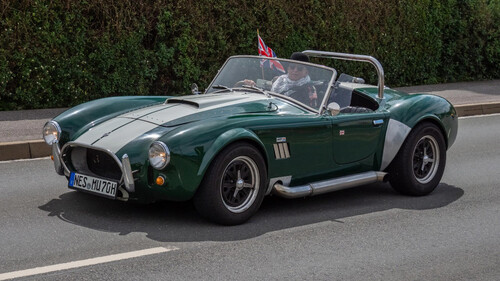
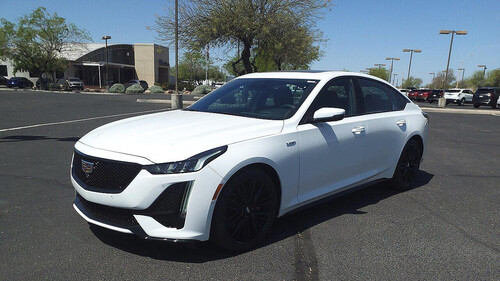
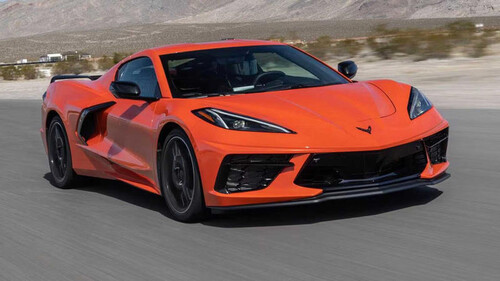
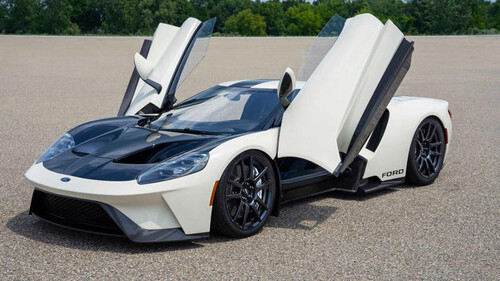
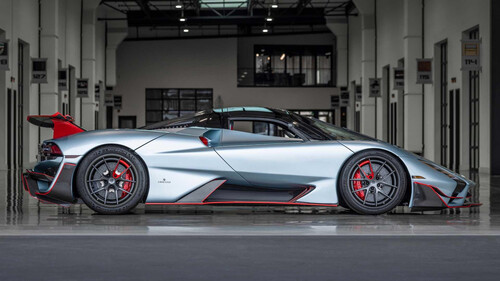
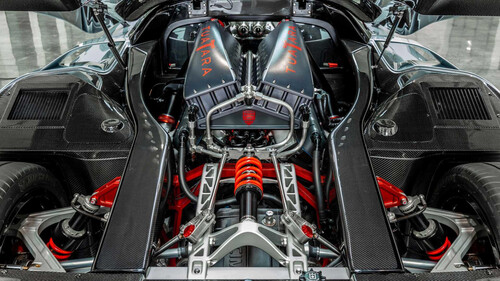
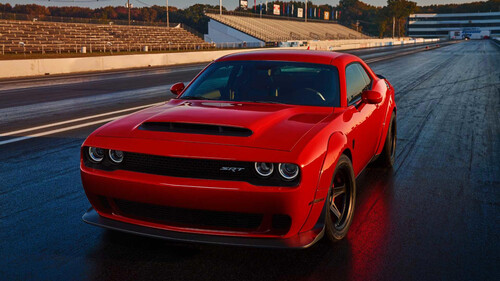
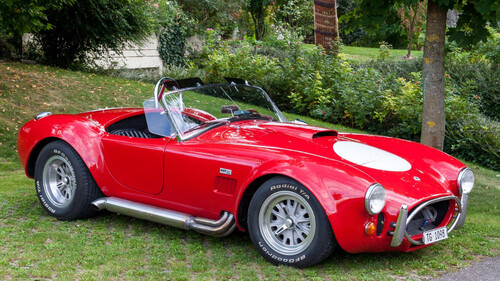
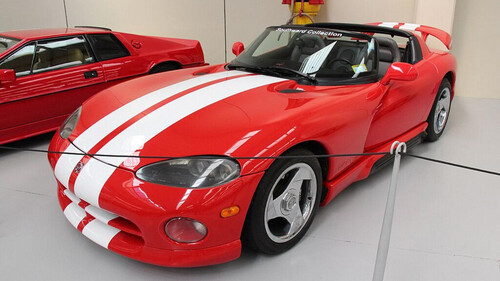
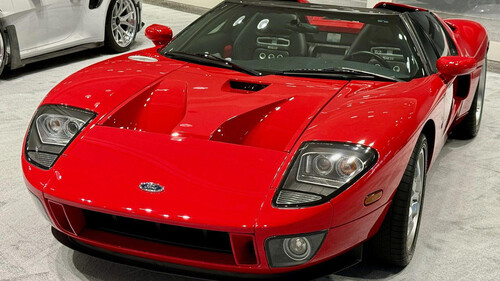
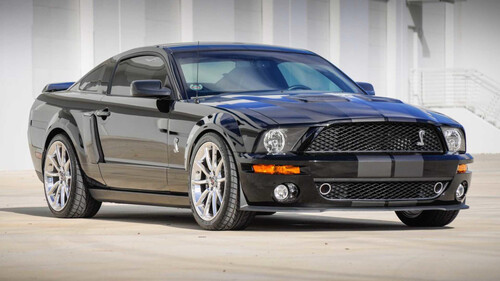
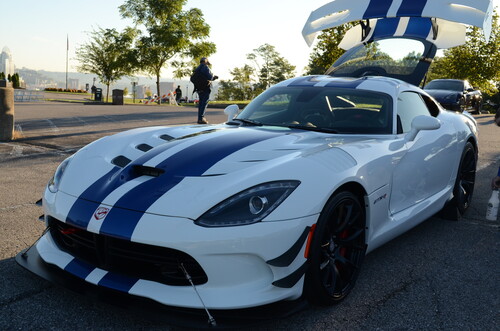
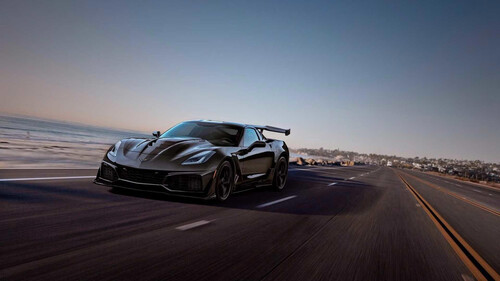
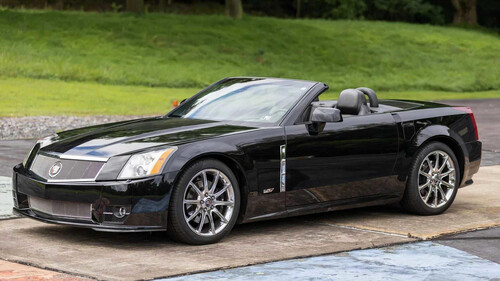
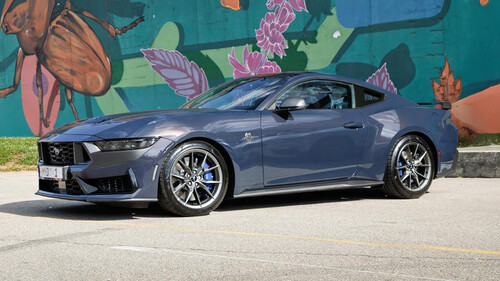
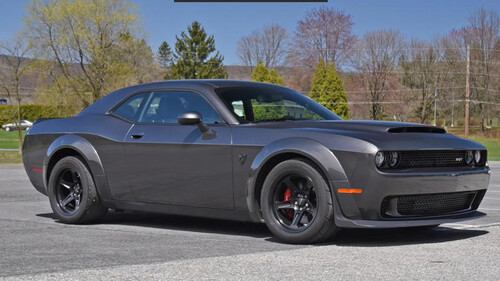
Think American sports cars and the classic muscle machines of the '60s spring to mind. These iconic creations are often as simple as they are brilliant, using everyday parts, familiar body styles, and otherworldly power from huge V8s. But what happens when American cars have obsessive levels of overengineering poured on them? The answer is: quite often, legendary models, and, from time to time, quirky and strange creations that still don't make much sense. Here are ten overengineered American sports cars – and we mean overengineered in the nicest possible sense – that will go down in history in one way or another. First-Gen Dodge Viper Bring A Trailer First Generation Dodge Viper Specs Source: DodgeThe Dodge Viper is a fairly simple car, what with the fact it makes do without those useful features we take for granted, such as exterior door handles and windows. But the 8.0-liter V10 in the Viper was a massive engineering headache. Dodge was better known for minivans in the '80s, but, wanting to create a spiritual successor to the AC Cobra, the company called on Lamborghini to turn a cast-iron, torque-rich V10 truck engine into modern sports car unit. Lambo couldn't save much of the original engine, essentially starting over, with new coolant passages, block skirt, and cylinder wall thickness, among the extensive changes that had to be made. Dodge Stealth Mecum Dodge Stealth Specs Source: DodgeYes, the Stealth borrows heavily from the Mitsubishi 3000GT, but Chrysler and Mitsubishi had been working together since the '70s, and, well, it has a Dodge badge on it. Sharing its hardware with the VR-4 version of the Mitsubishi 3000GT, the 1991 Stealth packed a twin-turbocharged, twin-intercooled DOHC 3.0-liter V6, but the tech didn't stop there. This sports car also features full-time all-wheel drive and four-wheel steering systems, as well as a pioneering (for the time) electronically-controlled, dual-mode fully independent suspension, which meant the driver could adjust it from Sport to Tour from a button in the cabin. It was just a shame that all this tech added weight, which didn't help its sporting credentials. Cadillac XLR-V Bring A Trailer Cadillac XLR-V Specs Source: CadillacThe Cadillac XLR-V is a seriously underrated car, which is a shame because Caddy put a heck of a lot of effort into it. The supercharged Northstar 4.4-liter V8 was hand-assembled "to exacting standards" at GM's Performance Build Center in Wixom, and each unit was built from start to finish by a single expert craftsperson. There was other attention to detail, too. The rear-mounted six-speed auto gearbox could be switched to manumatic mode by moving the lever, which in turn would instruct the magnetorheological shocks to switch to a sportier setting. Second-Generation Ford GT Ford Second-Generation Ford GT Specs Source: FordWhile the first Ford GT of 2005 was a masterpiece of retro looks and modern brute power, the second-generation car was an insane tech master class. The new GT, which arrived in 2017, did without a V8, instead opting for a V6. But don't let that fool you – the GT became the fastest V6 car in the world.The 660-horsepower twin-turbocharged, 3.5-liter EcoBoost V6 engine gave the GT a top speed of 216 mph and can propel it to 60 mph in 2.9 seconds. The GT features carbon fiber architecture and body, as well as active aerodynamics. For a 2020 upgrade, the GT received an Akrapovič titanium exhaust, and the EcoBoost engine featured upgrades such as gallery-cooled pistons and higher-energy ignition coils, thanks to lessons learned from the limited-edition, track-only GT Mk II. Dodge Challenger SRT Demon 170 Bring A Trailer Dodge Challenger SRT Demon 170 Source: Dodge If you want a car to run a sub-nine-second quarter mile straight out of the factory, it requires some excessive engineering. The Dodge Challenger SRT Demon 170 may have old-school muscle car looks, but it is a tech fest underneath. For example, Dodge fitted a patent-pending TransBrake 2.0 that includes a torque-shaping capability, a technology used in competitive drag racing with easier driver interaction to dial-in preset torque limits.The Demon 170 was also the first-ever factory production car built with staggered drag radial tires and fender flares, and even has aerospace-specification high-strength steel studs with steel inserts for the cylinder head. The result of all this was the NHRA-certified 8.91-second quarter mile at 151.17 mph that the Demon 170 finally posted. C8 Corvette ZR1 Chevrolet C8 Corvette ZR1 Specs Source: ChevroletLet's face it, not many people needed a Corvette that can hit 233 mph, but Chevy went ahead and did it anyway. To create one of the world's fastest hypercars, the engineers took the Z06's LT6 and changed and optimized virtually every system. The Corvette ZR1’s 5.5-liter, twin-turbo DOHC flat-plane crank LT7 engine has head castings with unique ports and a larger combustion chamber, intelligent anti-lag engine calibration techniques that adapt to the driving style, and a secondary port fuel injection system to deliver the necessary additional fuel to support the engine’s huge output. Vector W8 Bring a Trailer Vector W8 Specs Source: VectorIn 1990, Vector launched the outrageous W8. This supercar was fitted with a twin-turbo 6-liter, all-alloy V8 rated at 625 horsepower, and the claimed top speed was 242 mph – at a time when the Ferrari F40 had just cracked 200 mph. The body of the car was built using carbon fiber and Kevlar, but one of the most astonishing features was the dashboard, which looked like it had come out of a fighter jet cockpit. The screens have a dizzying array of information and the turboboost levels can be changed from a knob on the dashboard. Hennessey Venom GT Hennessey Hennessy Venom GT Specs Source: HennesseyHennessey has made plenty of bonkers cars, but perhaps the most incredible is the Venom GT. This comes down to the fact that this car started life as a Lotus Elise – yes, that flyweight, low-power British sports car and uses a 6.6-liter twin-turbo American V8 for startling results. The Venom GT has 1244 horsepower and 1155 lb-ft of torque – enough to send it to a top speed of 270.49 mph. Saleen S7 LM Bonhams Saleen S7 LM Specs Source: SaleenThe Saleen S7 is a pretty phenomenal car in its own right. Launched for the 2001 model year, this mid-engined supercar has a 7.0-liter V8 engine with an output of 550 horsepower, later going up to 750 horsepower in 2005. But this wasn't what made the S7 overengineered. It was the fact that the original car was good for over 200 mph, but that didn't stop the company revisiting it almost two decades after it launched for a special edition with more than double the power.In 2017, Steve Saleen brought back the S7 supercar with the 1300 horsepower LM edition. The car, of which just seven were produced, honored the S7R race version's success at Daytona, Sebring, Nürburgring, and the prestigious 24 Hours of Le Mans. These barely-disguised race cars for the road feature a clear-coated carbon fiber body and ride on Saleen forged, five-spoke, Le Mans-style wheel design equipped with center locking wheel nuts.