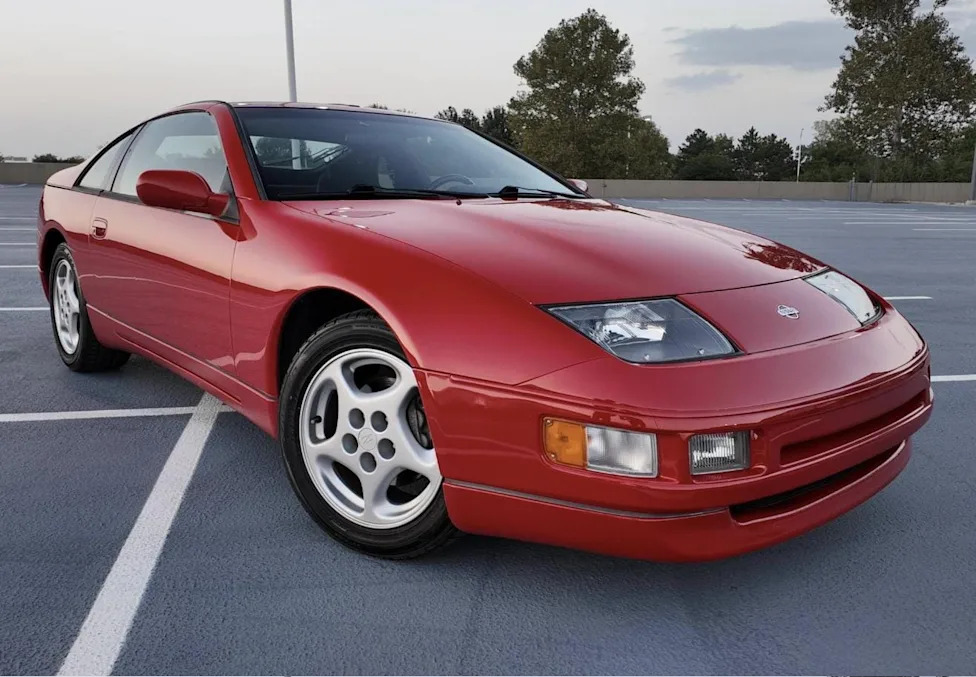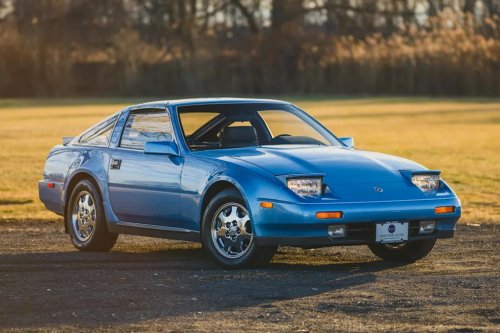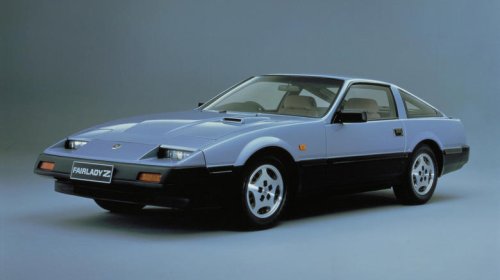
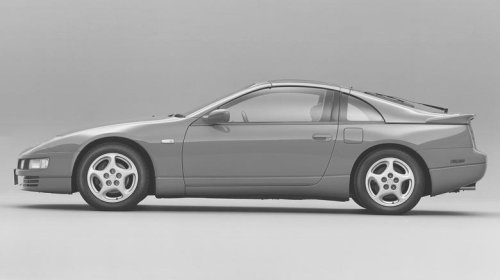
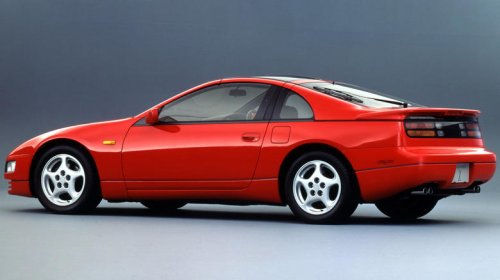
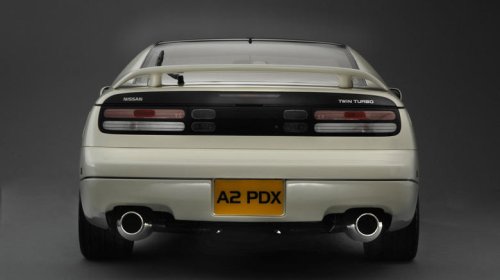
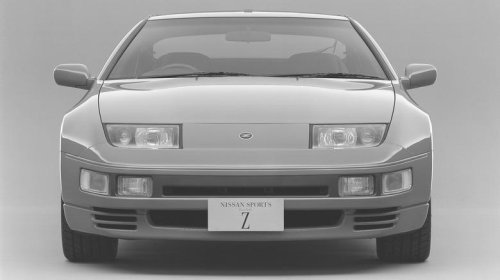

















Savior of the Z lineTo fully understand why the Z32 300ZX was such a big turnaround for Nissan, it's worth taking a look back at the previous generation Z31. It was, in the eyes of many, a disappointment that strayed away from the formula that made the original 240Z so successful. It was heavier, less precise, and more of a pseudo-sports car than an actual performance car. In an attempt to impress buyers, Nissan also burdened the Z31 with flashy tech like digital displays and spoken warnings and reminders, but most of those extras were seen as more of an annoyance than anything else.The voice warning system quickly fell out of fashion with buyers, despite being hailed by Nissan as one of the car's most innovative features. The Z31 has seen a slight popularity revival in recent years as a nostalgic classic, but it was considered to be thoroughly outdated at the time it was retired. The Z32 300ZX needed to not only bring the Z line up to par with its contemporary rivals, but it also had to shake off the slightly tacky image of its predecessor. Not an easy task, but one it achieved with such aplomb that it's arguably the reason modern Z cars are still built today.Computer-aided designComputer-aided design (or CAD) was still in its infancy at the time of the 300ZX's development, but Nissan's engineers made full use of the technology that was available and designed the car almost completely on CAD. Not only did it fit the futuristic theme Nissan was aiming for with the Z32, but it helped engineers achieve a drag coefficient of just 0.31, making it one of the slipperiest sports cars on the market.The car's design was one of its biggest selling points, and while styling is always subjective, most would agree that the car has aged well compared to competitors from the era. Its wide, low stance gave it a modern, cutting-edge appeal, even if the wedgy styling influences from the Z31 can still be seen from certain angles. It was, and still is, a unique-looking car, and it's hard to imagine that its rival Japanese manufacturers didn't take at least a little bit of inspiration from its lines when penning their own "golden era" JDM cars that emerged a few years later.Multi-link suspensionPerhaps as a response to criticism about the Z31's wallowing ride, Nissan designed an innovative multi-link suspension for the Z32 300ZX, which aimed to deliver a flatter, sportier feel without compromising on comfort. All four wheels were fitted with multi-link suspension, which at the time was highly unusual for any sports car, as it added a significant amount of extra cost and complexity.Multi-link suspension also allowed Nissan's development team more freedom to fine-tune the ride than with a traditional suspension setup, keeping the car feeling sharp despite the fact that it was relatively heavy by sports car standards. The rear suspension was derived from Nissan's 240SX sports coupe, but the front suspension was an all-new affair designed specifically for the 300ZX. In the years since the car was unveiled, the multi-link suspension has become more commonplace even in budget-oriented passenger cars, proving the 300ZX to be ahead of its time.Twin turbochargersAlthough the 300ZX could be had in naturally aspirated form, it was the top-spec Twin Turbo that was the pick of the bunch for buyers who could justify spending the cash. The Turbo boasted the fastest 0-60 mph time by a considerable margin, and with 300 horsepower available, it could reach a limited top speed of 155 mph. The idea of using two turbochargers was to ensure a more even power delivery, without the turbo lag associated with earlier turbocharged cars.It gave the car the poke it needed to fully dispel any lingering stereotypes of being a pseudo-sports car, thrusting it to the top of its segment to compete with the likes of the Chevy Corvette and Porsche 944. Today, the Turbo remains the pricier variant to buy, especially in mint condition — in extreme cases, examples have sold for well over $100,000, although most sell for less than a third of that price.60-degree slanted headlightsThe 300ZX's steeply slanted headlights might not seem unusual today, but at the time, their design was groundbreaking. The lights were the brainchild of Toshio Yamashita, the car's designer, who wanted them to slope at a 60-degree angle to fit the sleek, flowing lines of the rest of the car. He proposed the design to Nissan's engineering department, who initially thought such an angle was unachievable. They tried to convince Yamashita that more traditionally angled or even pop-up headlights would be a better proposition, but he couldn't be swayed, and eventually, engineers found a way to build the original design using small projectors.The lights were so cutting-edge that, around a decade after the 300ZX's release, Lamborghini actually borrowed them for the Diablo supercar's mid-life facelift. The units used in the Lambo still have Nissan branding on them, which is covered by a carbon fiber piece designed specifically to hide their not-so-exotic origin.