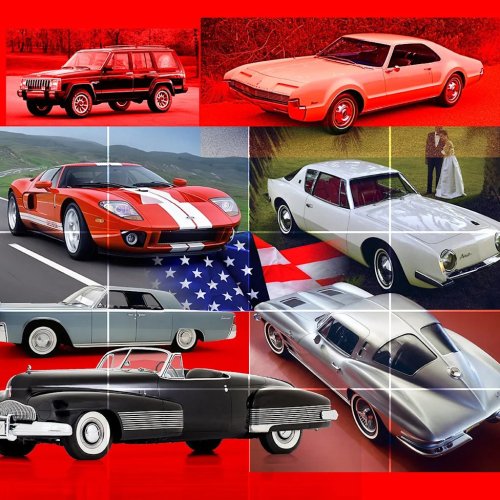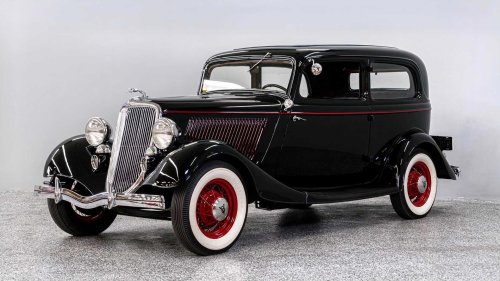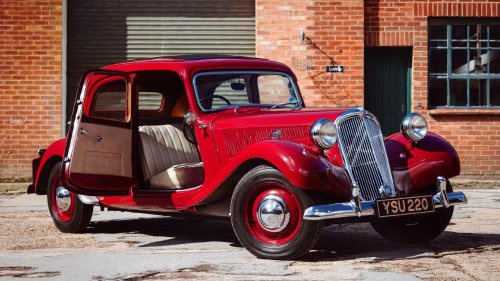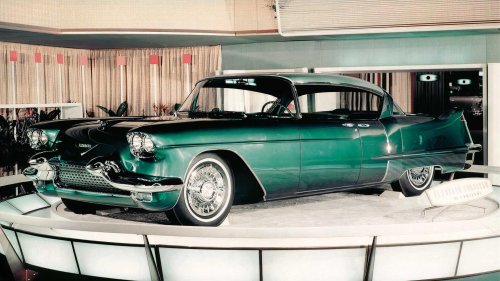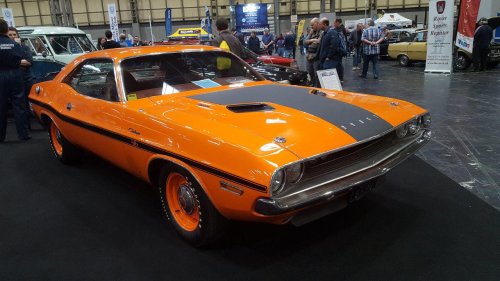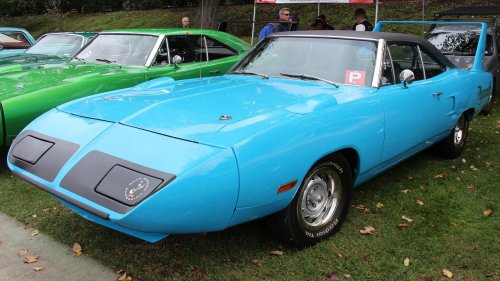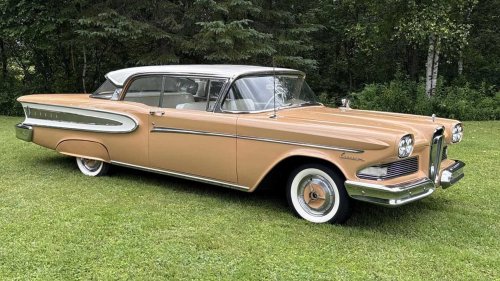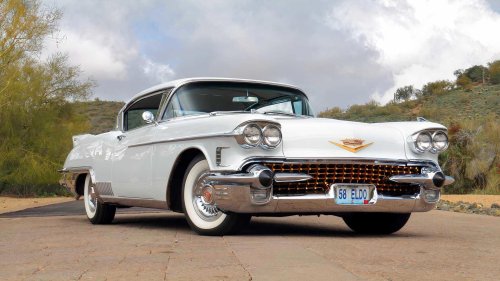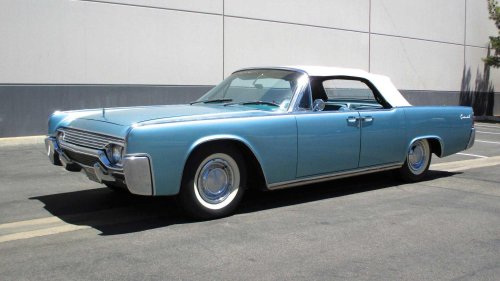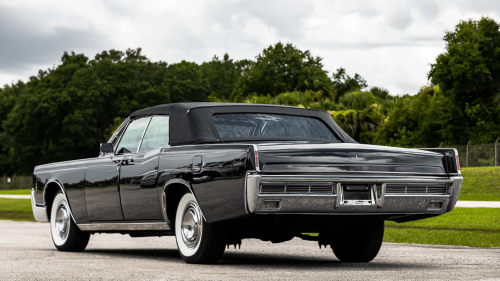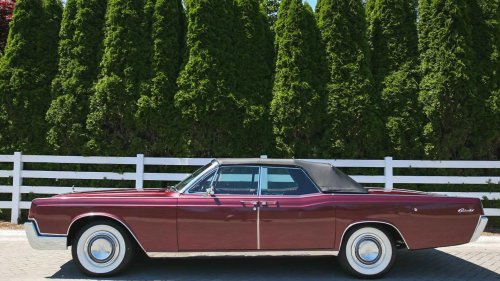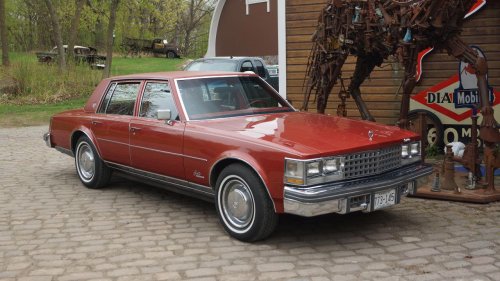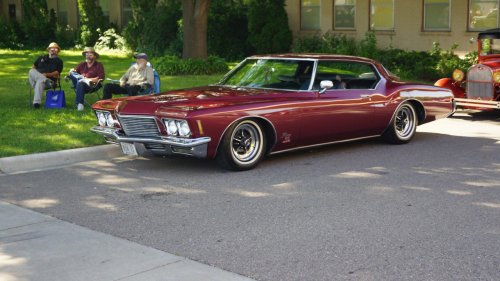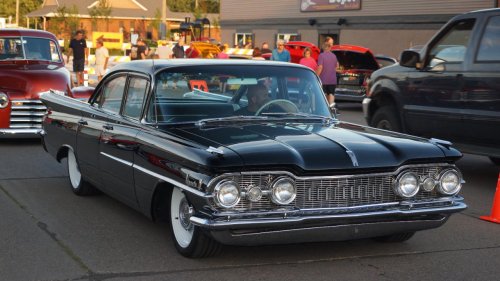






















The Jet Age left an indelible mark on car design, ushering in an era of sleek, futuristic aesthetics inspired by aviation. This design revolution brought about changes that are still evident in modern vehicles. From aerodynamic lines to new materials, the Jet Age transformed the automotive industry in numerous ways.The Birth of Aerodynamic AestheticsThe Jet Age inspired car designers to prioritize aerodynamics in a way that had not been done before. The sleek lines and smooth curves of aircraft were translated into car designs, leading to a more streamlined appearance. This shift not only improved the aesthetics of cars but also enhanced their performance by reducing drag. Incorporating aerodynamic principles meant that cars could achieve higher speeds more efficiently. Designers focused on minimizing resistance, which resulted in vehicles that not only looked futuristic but also offered better fuel economy. This emphasis on fluid design became a hallmark of the Jet Age influence in automotive styling.The Rise of Futuristic FeaturesDuring the Jet Age, car manufacturers began to incorporate futuristic features that echoed the cutting-edge technology of aviation. Features such as tailfins, wraparound windshields, and jet-inspired grilles became common, reflecting the excitement of the space race and the technological advances of the era. These design elements were not merely aesthetic; they represented a shift towards integrating advanced technology into everyday life. The introduction of features like push-button controls and elaborate dashboard designs contributed to a sense of progress and innovation, making cars not just a mode of transport but a statement of modernity.The Influence of Aviation MaterialsThe materials used in aviation also found their way into car manufacturing during the Jet Age. Lightweight yet durable materials such as aluminum and fiberglass were adopted to improve performance and fuel efficiency. These materials allowed designers more freedom to experiment with shapes and forms that were previously unattainable. By using these advanced materials, manufacturers were able to reduce the weight of vehicles, which in turn enhanced speed and agility. This not only improved driving performance but also contributed to the futuristic aesthetic that defined the era, setting the stage for modern engineering and design practices.The Evolution of Tailfins and StreamliningPerhaps one of the most iconic symbols of Jet Age influence is the tailfin. Initially inspired by aircraft design, tailfins became a defining feature of 1950s and 60s automobiles. Their exaggerated forms captured the imagination of the public and became synonymous with the optimism and innovation of the era. Streamlining, another key element, was adopted to reduce wind resistance and enhance speed. This design philosophy focused on smooth, flowing lines that mimicked the efficiency of jet aircraft. The combination of tailfins and streamlined bodies created a sense of motion even when vehicles were stationary, reinforcing the idea of a high-tech future.