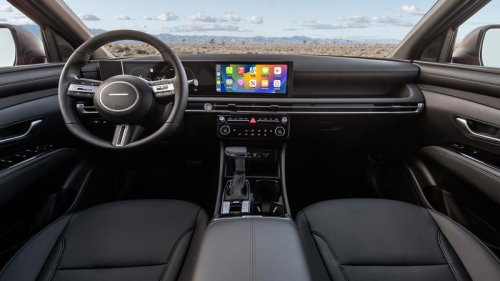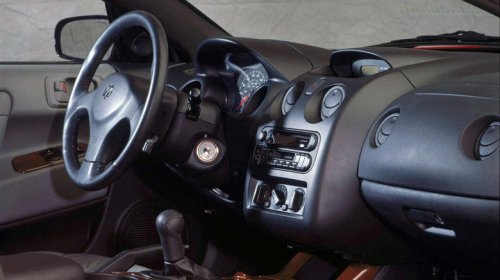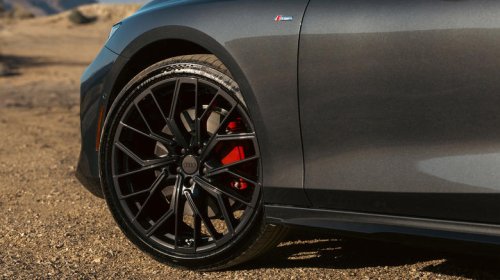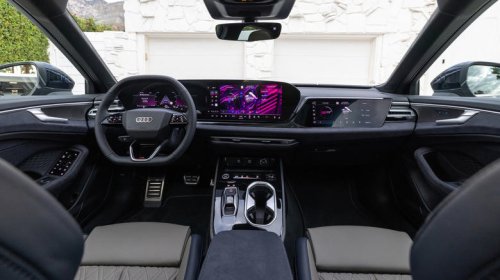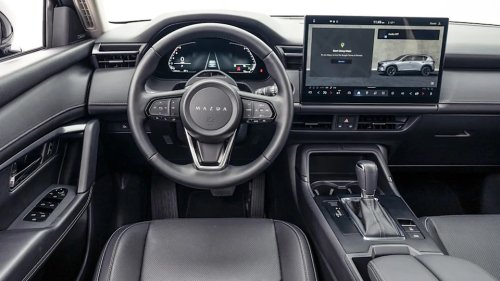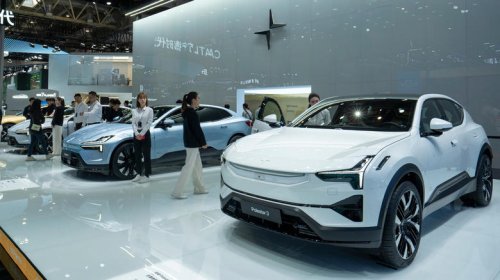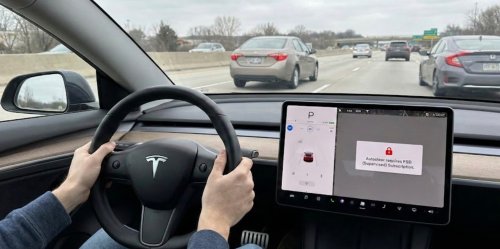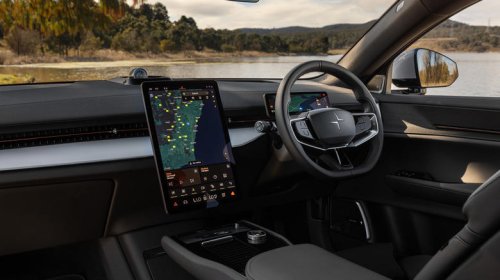
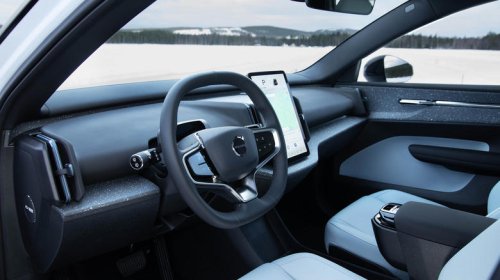
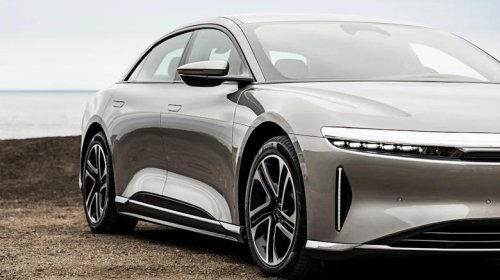
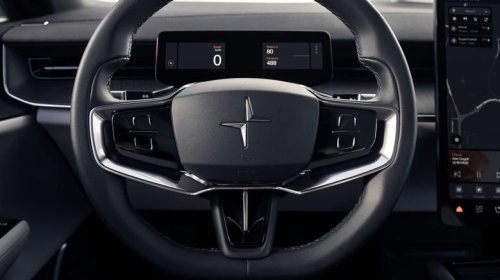
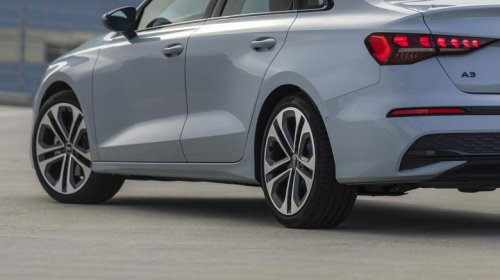
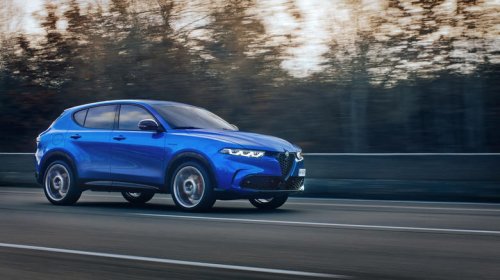
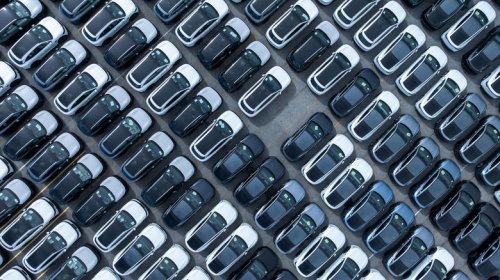



















The unintuitive infotainment of the Polestar 3Despite what their marketing teams might want you to think, not every design change that a carmaker makes is a good one. Some of these so-called improvements try to solve problems that didn't ever really exist, while others improve certain elements of the everyday driving experience at the expense of creating new annoyances. In other instances, certain design changes are primarily instigated in the name of cost-cutting, without much thought being given to how those changes might impact the driver.Every automotive era came with its own frustrating design trends, and the current era is no different. SlashGear's review team drives a huge range of cars every year, from budget econoboxes to cutting-edge supercars, and these five trends are some of the most annoying trending design features that we've come across. Before you sign the dotted line for a new car, it's worth checking whether it has any of these features. If it does, be sure to test them out before you buy, to make sure they're not dealbreakers for you. Large infotainment touchscreens with few buttonsThe minimalist interior of the Volvo EX30Touchscreen-based infotainment systems can now be commonly found in cars at virtually all price points. Despite their ubiquity, JD Power's 2026 vehicle dependability study found that infotainment problems were by far the most frequent area of complaint for drivers.As well as software bugs and glitches, some current infotainment systems can be very unintuitive. Key functions can be hidden behind layers of menus that are difficult to access while driving, and some systems can suffer from lag or are prone to freezing. The problem is often exacerbated by a lack of physical switchgear, which forces drivers to rely on the touchscreen or on temperamental voice controls. Electronic door handles and keyless entry systemsClosepup of the retractable door handles of the Lucid AirUnless you drive a gullwing-doored supercar or a huge lifted truck, you probably expect to be able to get in and out of your car without ever thinking about it. Unfortunately, some modern cars make it trickier than you'd expect. Keyless entry systems are sometimes to blame for this, like they were in the case of the Polestar 3 we drove in 2025.The Polestar's key fob sometimes wasn't picked up by the car, and the accompanying NFC card was fiddly to use, since it had to be pressed against a very specific part of the door to work. It isn't just Polestar either: we ended up being locked out of our 2024 Lucid Air Pure on its first day with us, since the fob's battery unexpectedly died and the NFC card wouldn't open the door. To be fair, the Lucid was a pre-production car, but the two examples of the Polestar 3 that we tested had no such excuses.Alongside misbehaving keyless entry systems, retractable door handles can also cause problems with modern cars, since they can be prone to freezing shut in cold weather. The Tesla Model 3 owner's manual suggests that owners could use WD-40 on their retractable handles before freezing weather hits, and if that isn't an option, it suggests hitting the area around the handle with your fist until something moves. If that sounds like a hassle, it might be worth avoiding cars with retractable door handles if you live in a colder area. Unlabelled switchgearUnlabelled steering wheel buttons on the Polestar 3Getting into our Polestar 3 wasn't as easy as it should have been thanks to the keyless entry system, but even once we got into the car, the problems didn't end. We found the car's control layout to be among the most confusing of any modern car, with key functions being difficult to find and buttons being too easy to accidentally press. Even worse, the buttons on the steering wheel were unlabelled, leaving us to work out what they did partly through trial and error.Drivers of base-spec cars will probably be familiar with "poverty buttons," which are the blank spaces on steering wheels and center consoles that would otherwise house buttons for additional features that top-spec models receive. Aside from being a visible reminder that a top-spec trim was beyond your budget, they don't affect the driving experience. The Polestar's buttons are arguably worse, since the blank buttons do all serve a function, but unless you consult the owner's manual, you won't know what any of them actually do.Much like the tetchy keyless entry systems, Polestar isn't the only company with these annoying features. The 2025 Ford Expedition also has multiple unlabelled buttons on its steering wheel, all of which will require scouring the owner's manual (or simple trial and error) to understand. Even more annoyingly, adjustments like tilting the steering wheel can only be done via the unlabelled buttons in the Explorer, so if you want to get comfy, you haven't got a choice about using them. Bigger rims with skinnier tiresRear 3/4 view of the Audi A3As well as offering a wider range of comfort and convenience features, plenty of carmakers differentiate top trims of a model from the rest of the range by fitting them with larger wheels. Bigger alloys with low-profile tires might look good, but the smaller tire sidewalls can have a negative impact on the car's ride quality. How much difference there is between wheel sizes will vary between different models of car, but it's worth test driving multiple trims before you buy if you can.After a 1,200-mile road trip in the 2026 Lexus GX, SlashGear's reviewer was convinced that the 20-inch wheels that were available on lower trims were superior to the 22-inch wheels on the top-spec Luxury+ trim. Ride quality was worse on the pricier variant since it had skinnier tires, which can hold a smaller amount of air and therefore had less cushioning to soak up imperfections in the road. Large, heavy vehicles might see particularly noticeable changes in ride quality with larger wheels, but the effect is still the same on smaller vehicles. The skinny tires on our 2025 Audi A3 were one of the few things we didn't like about the car. Over-sensitive safety assistsAlfa Romeo Tonale on the roadThe best safety assists give drivers additional reassurance on the road without becoming intrusive, but some new cars don't get the execution right. When testing the 2026 Kia Carnival in busy Los Angeles traffic, we found the minivan's driver aids to be over-sensitive, with the adaptive cruise control being easily spooked by bends in the road and nearby cars. The safety assists on the 2025 Honda CR-V Hybrid were similarly panicky, frequently triggering alert chimes whenever we drove on a congested highway.In the worst cases, these overactive driver assists can trigger so often, and for so little reason, that they become essentially meaningless. The 2025 Alfa Romeo Tonale we tested was one of the worst recent offenders, spewing warning chimes on almost every journey without even giving us an accompanying warning message in many cases. Our reviewer couldn't figure out why the chimes kept triggering even after a week of driving. Thankfully, warning systems that are this over-sensitive should be easy to spot on a test drive. To be on the safe side, we'd suggest making sure your test route includes a busy highway too, so you can evaluate how the driver aids perform in heavier traffic. How we picked these questionable design choicesNew cars ready for shippingSlashGear's review team regularly puts the latest cars from virtually every major manufacturer to the test, so to compile this list of potentially annoying design features, we dove deep into our back catalog of reviews. Each of the listed features has been a bugbear on multiple recent cars we have driven, and each one is available on a range of new cars. Want the latest in tech and auto trends? Subscribe to our free newsletter for the latest headlines, expert guides, and how-to tips, one email at a time. You can also add us as a preferred search source on Google.