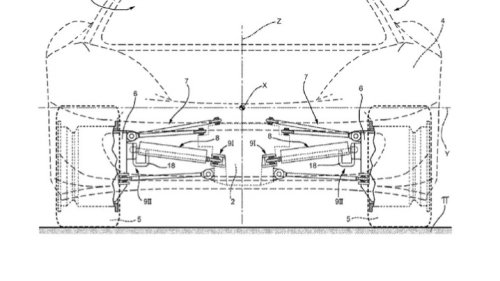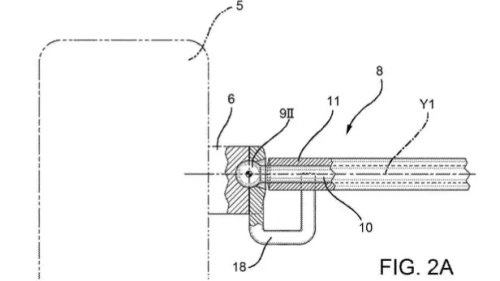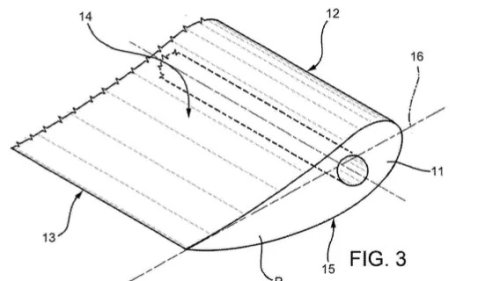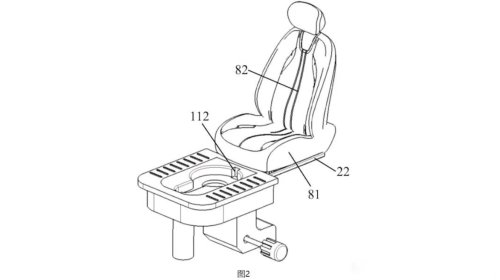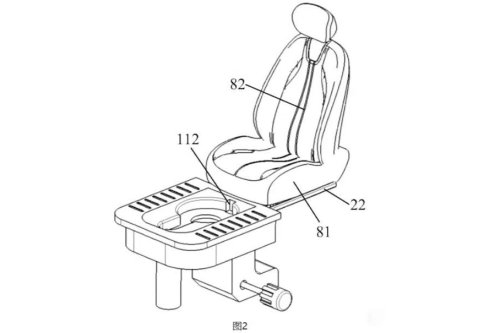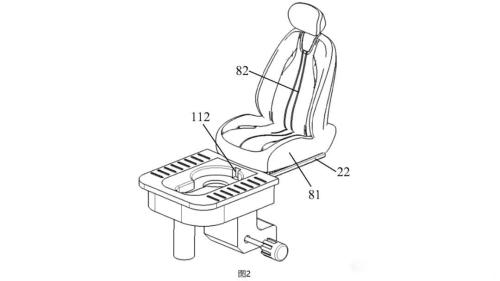
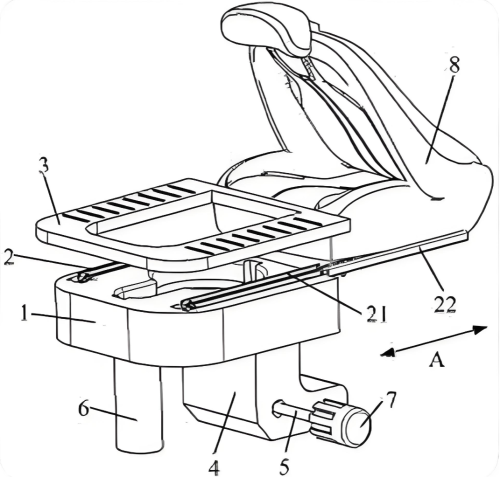
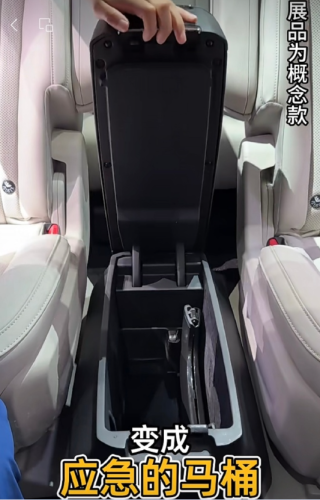
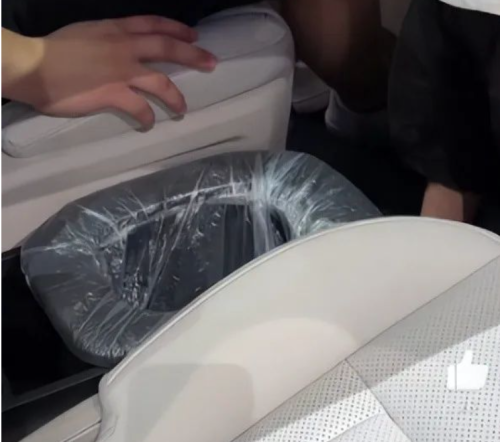
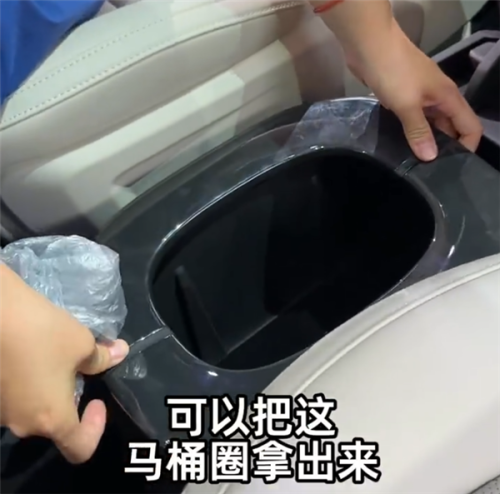
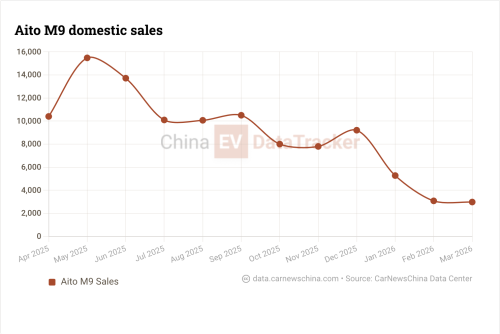
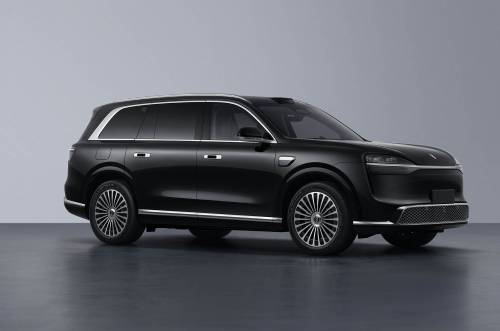



















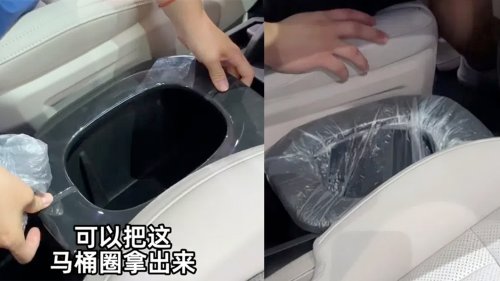

Patent illustration 1. Credit: Seres Understand China EV’s Market Real-time notifications when critical EV data is released All important data in one place 2,000,000+ data points Become a member Aito vehicles’ manufacturer Seres has officially been granted a utility model patent for an “in-vehicle toilet and vehicle,” with authorization announcement number CN224104011U. The patent, filed on April 22, 2025, was authorized on April 10, 2026, and currently remains in valid status, as reported by Sanyan Tech. According to the patent abstract, the device consists primarily of a toilet body and a sliding rail assembly. The sliding rail assembly includes a fixed track installed on the upper portion of the toilet body, while the sliding track features a structure for connecting to the vehicle seat. When needed, the toilet can be pulled out from beneath the seat and pushed back for concealment after use, occupying minimal interior space. The patent’s IPC classification is B60R15/04, categorized under vehicle sanitary equipment arrangement. Patent illustration 2. Technical innovation: a “drawer” hidden under the seat While the concept has drawn amusement online, the technical details are rigorous. The core innovation lies in space utilization. In space-constrained vehicle interiors – especially new energy vehicles with battery-packed undercarriages – integrating a toilet without sacrificing passenger comfort presents an engineering challenge. Seres’ solution fully embeds the toilet into the unused space beneath the seat, achieving true invisibility. In-car toilet, Polestones’ solution. Credit: Polestones This design approach is unprecedented in the industry. Previously, Polestone proposed a “vehicle-mounted toilet” concept involving a toilet seat ring stored in the central storage box for use with disposable plastic bags – essentially a portable toilet storage solution. In comparison, Seres’ design achieves higher integration and concealment, considered the most practical in-vehicle toilet solution currently proposed. Huawei and Seres’ Aito M9’s sales performance. Source: China EV DataTracker Challenges ahead The path from patent to production faces significant hurdles. Technical challenges include arranging drainage pipes within compact chassis layouts, wastewater storage solutions, ensuring sliding rail durability, and achieving absolute sealing for odor prevention—particularly difficult for pure electric vehicles where battery packs occupy substantial chassis space. Psychological acceptance may prove even more challenging. Despite sealing lids and deodorizing measures, many users may struggle with the psychological barrier of “using the toilet inside a car.” While mass production remains uncertain, the design is expected to become available as a personalized optional configuration. New Aito M9 by Huawei and Seres. Source: MIIT Editor’s comment Polestones’ built-in toilet is likely just a marketing stunt. Seres’ patent might be another trick – honestly, for their sake, it better be.