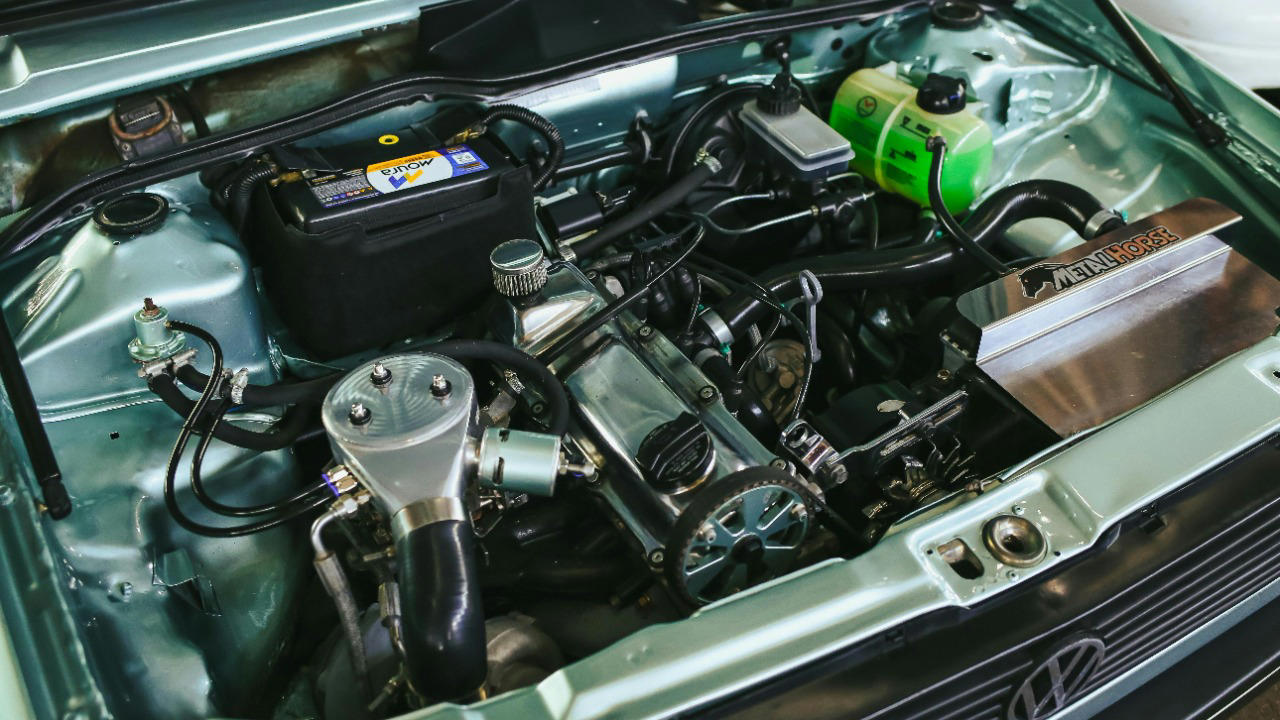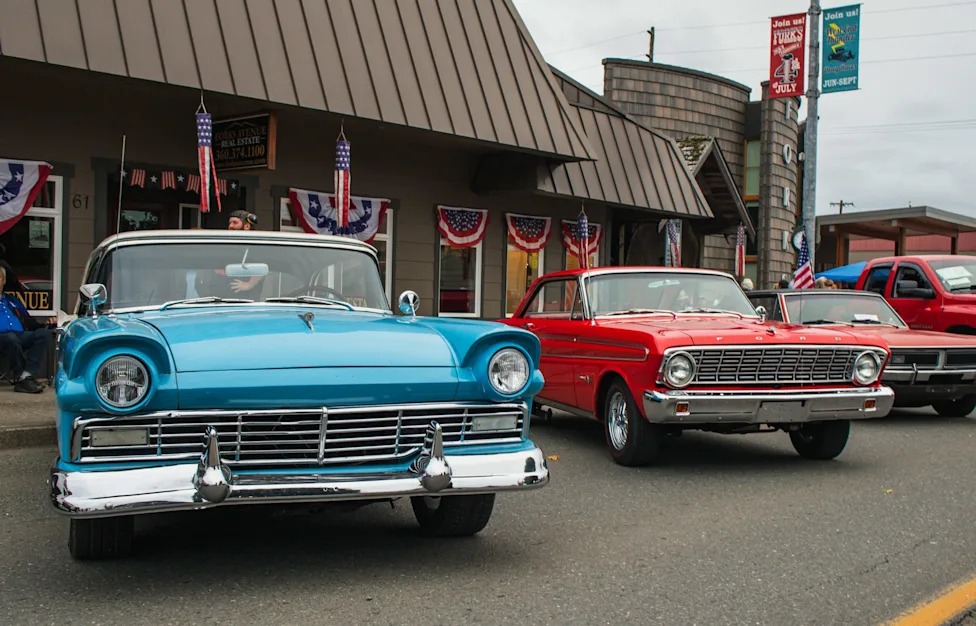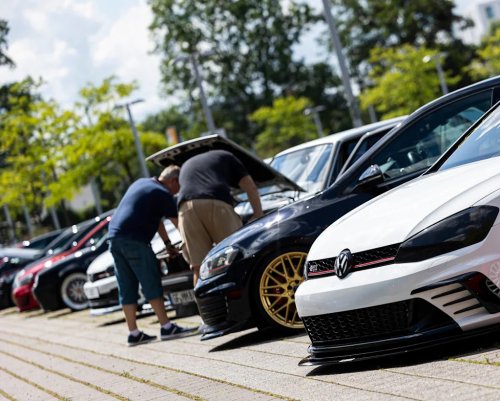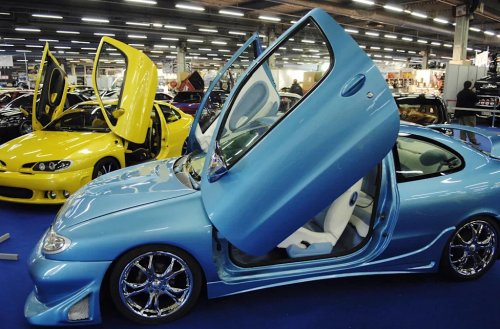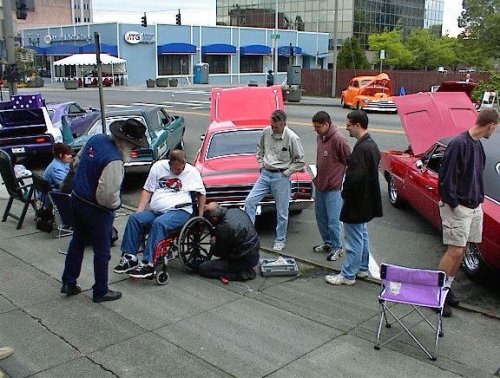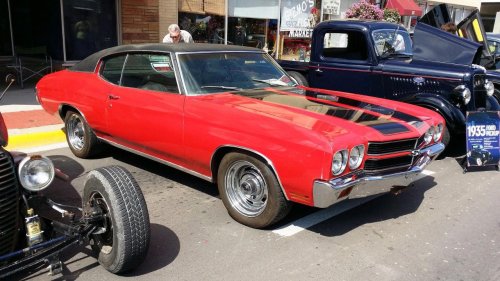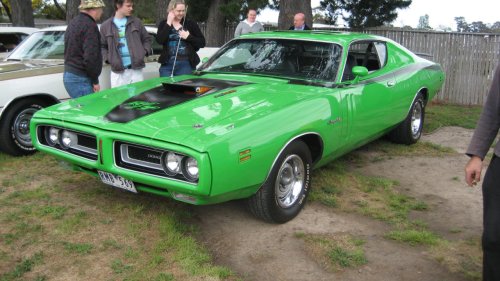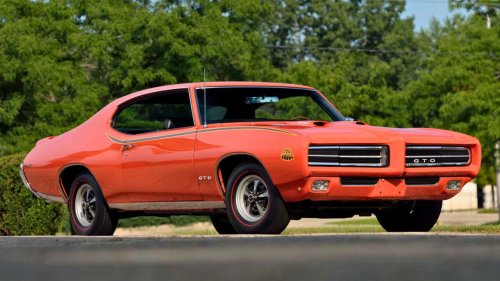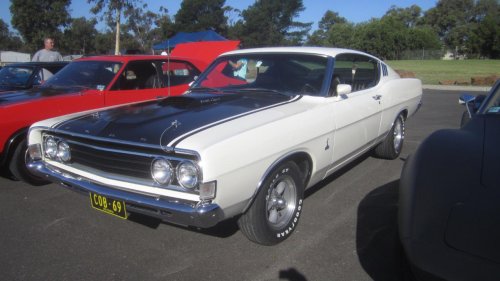



















Classic car culture then vs now what actually changedThe allure of classic cars has captivated enthusiasts for generations, creating a vibrant culture around vintage automobiles. As I reflect on the evolution of classic car culture from its early days to the present, I find it fascinating to see how the community and its practices have transformed. From the origins of car ownership to the latest restoration techniques, each phase tells a story of passion, innovation, and adaptation. Historical Context of Classic Car Culture The classic car movement began to take shape in the mid-20th century, a time when automobile ownership became synonymous with freedom and status in post-war America. The economic boom following World War II allowed many families to purchase their first cars, which sparked a surge in interest in customizing and personalizing vehicles. During this era, car culture blossomed, with the rise of car clubs and the emergence of events like the Pebble Beach Concours d’Elegance, which celebrated automotive artistry and engineering. Key milestones defined early classic car culture, such as the establishment of the Antique Automobile Club of America (AACA) in 1935, which aimed to preserve and promote antique vehicles. Throughout the 1950s and 1960s, car shows became increasingly popular, serving as platforms for enthusiasts to showcase their prized possessions and share their passion with like-minded individuals. The excitement surrounding brands like Ford, Chevrolet, and Chrysler, along with their iconic models such as the Mustang and Corvette, solidified the foundation of classic car culture. Classic Car Ownership Then vs. Now Accessibility and affordability have changed dramatically over the decades. In the 1960s and 1970s, many classic cars could be purchased for a few hundred dollars, making it easier for young enthusiasts to enter the hobby. Today, however, prices for classic models have skyrocketed, driven by demand from collectors and investors. For instance, a 1967 Ford Mustang Fastback, once a common sight, can command prices well into six figures, particularly if it’s a sought-after variant like the GT500. The demographics of classic car owners have also shifted. While men predominantly dominated the scene in the past, there is now a growing number of women entering the hobby, bringing fresh perspectives and enthusiasm. Additionally, younger generations are becoming increasingly interested in classic cars, seeking to connect with their automotive heritage. The impact of technology cannot be overstated; modern tools and resources, such as online forums and social media groups, have made it easier for new enthusiasts to learn about restoration and maintenance, bridging the gap between generations. Classic Car Events and Gatherings Car shows have evolved from small, local meets to large-scale international events that draw participants and spectators from around the globe. Events like the Goodguys Rod & Custom Association shows and the SEMA Show in Las Vegas now feature thousands of vehicles, ranging from vintage restorations to innovative custom builds. These gatherings not only highlight the beauty and craftsmanship of classic cars but also serve as networking opportunities for enthusiasts and industry professionals. In the digital age, online communities and virtual car shows have emerged, enabling enthusiasts to share their passion beyond geographical limitations. Platforms like Facebook and Instagram have become essential tools for connecting with fellow car lovers, showcasing projects, and gaining inspiration. The focus of these events has also shifted, with more emphasis on innovation and customization. While nostalgia remains a key element, modern car shows often celebrate the latest trends in automotive design and technology, merging the old with the new. Restoration Trends and Techniques Restoration methods have evolved significantly over the years. In the past, restoring a classic car required a high level of skill and a deep understanding of mechanical systems. Enthusiasts often relied on traditional techniques, such as hand-painting or metal fabrication, to bring their vehicles back to life. Iconic models like the 1955 Chevrolet Bel Air or the 1969 Dodge Charger often necessitated extensive labor and craftsmanship, making the process both a challenge and a labor of love. Today, modern restoration technologies have revolutionized the way classic cars are restored and preserved. Tools such as 3D printing and computer-aided design (CAD) allow for precise replication of parts that may be difficult to source. Additionally, digital tools enable restorers to create detailed plans and track progress more efficiently. However, this evolution has sparked a debate within the community: should restoration prioritize authenticity, or is it acceptable to modernize certain elements for better performance and safety? The balance between preserving history and embracing innovation remains a topic of passionate discussion among enthusiasts. Classic Car Clubs and Communities Classic car clubs have long served as a cornerstone of the classic car community, fostering camaraderie and providing a support network for enthusiasts. Clubs like the Classic Car Club of America (CCCA) and the Vintage Motorcar Club of America (VMCCA) offer resources, events, and opportunities for members to connect. These organizations help to maintain the spirit of community that has characterized classic car culture from the beginning. Changes in club structures and the influence of social media have transformed how enthusiasts engage with one another. Traditional club meetings have been supplemented by online forums and social media groups, allowing for instant communication and sharing of experiences. Niche communities have also emerged, focusing on specific brands, models, or eras. For instance, groups dedicated to the restoration of classic Porsche models or vintage American muscle cars provide dedicated spaces for enthusiasts to share knowledge and resources. This evolution reflects the broader trend of community-building in the digital age, where connections are forged across distances and diverse interests. Impact of Legislation and Environmental Concerns Legislation and environmental concerns have increasingly affected classic car ownership in recent years. Regulations around emissions and safety standards have become more stringent, impacting how enthusiasts restore and modify their vehicles. For example, California’s stringent emissions laws have forced many classic car owners to find creative solutions to comply with regulations, such as installing modern fuel injection systems or catalytic converters. As awareness of environmental issues grows, the classic car community has begun to respond. Many enthusiasts are exploring sustainable practices, including the conversion of classic cars to electric or hybrid systems. Companies like Electric GT and Zelectric Motors are at the forefront of this movement, offering conversion kits that allow classic car owners to retain the aesthetics of their vehicles while benefiting from modern electric drivetrains. This shift not only addresses environmental concerns but also opens new avenues for classic car appreciation among younger generations who prioritize sustainability. The Role of Media and Popular Culture Media and popular culture have played a pivotal role in shaping perceptions of classic cars over time. In the past, films like “American Graffiti” and “Bullitt” celebrated the allure of classic cars, embedding them into the cultural fabric of their respective eras. These films helped to create a nostalgic image of classic cars as symbols of freedom, rebellion, and adventure. Today, the portrayal of classic car culture in contemporary media has evolved, with social media platforms serving as powerful tools for showcasing automotive passion. Influential figures in the classic car community, such as Jay Leno and Chip Foose, have leveraged their platforms to share their love for classic cars, inspiring new generations of enthusiasts. The rise of YouTube channels dedicated to automotive restoration and customization, like “Dude’s Garage” and “Hoovies Garage,” has further democratized access to knowledge and appreciation of classic cars, allowing anyone to engage with the culture. Market Trends and Economic Factors The classic car market has experienced significant fluctuations over the years, driven by various economic factors and trends. The value of classic cars can be influenced by factors such as rarity, condition, and historical significance. For example, the 1962 Ferrari 250 GTO is one of the most valuable classic cars in the world, with auction prices reaching upwards of $48 million, making it a prime example of how market demand can drive prices to staggering heights. The role of auctions and online marketplaces has also transformed the classic car economy. Platforms like Bring a Trailer and Hemmings have made it easier for buyers and sellers to connect, expanding the market beyond traditional bidders at classic car auctions. This accessibility has democratized classic car ownership, allowing a broader audience to participate in the market. However, potential buyers must also consider investment perspectives; while classic cars can be lucrative assets, the market can be volatile, and ownership costs, including maintenance and restoration, can add up quickly. The Future of Classic Car Culture As I look to the future, predictions for the evolution of classic car culture are shaped by emerging trends and technological advancements. The rise of autonomous vehicles and electric cars presents both challenges and opportunities for traditional car culture. While some fear that the essence of driving and car ownership may be lost, others see potential for innovation and adaptation. Younger generations are redefining classic car ownership and appreciation in their own ways. Many are drawn to the idea of restoring and modifying classic cars while incorporating modern technology, resulting in unique builds that honor the past while embracing the future. Events that celebrate this melding of old and new, like the Radwood car shows, emphasize the cultural significance of vintage vehicles while welcoming contemporary modifications. The classic car community is poised for continued evolution, and as we adapt to changing interests and values, the passion for vintage automobiles remains as strong as ever. More from Fast Lane Only Unboxing the WWII Jeep in a Crate 15 rare Chevys collectors are quietly buying 10 underrated V8s still worth hunting down Police notice this before you even roll window down *Research for this article included AI assistance, with all final content reviewed by human editors.