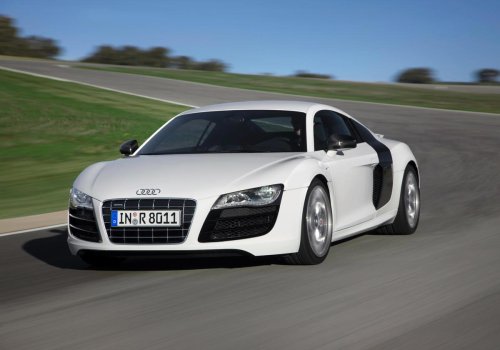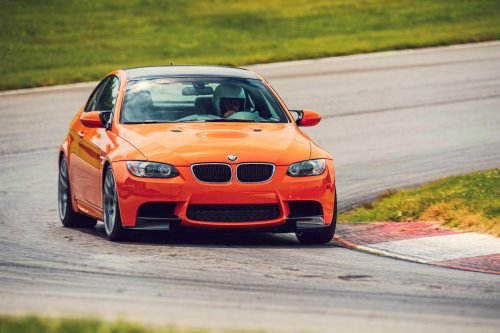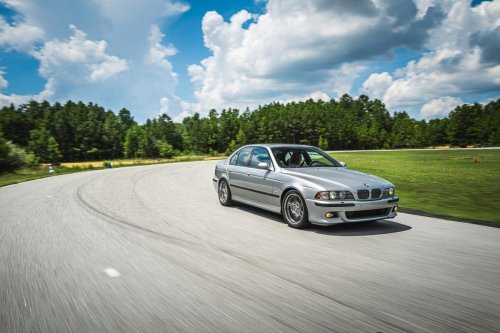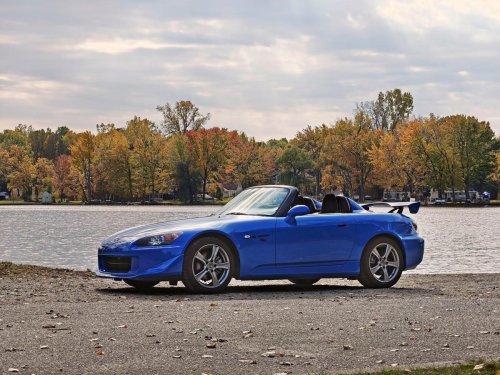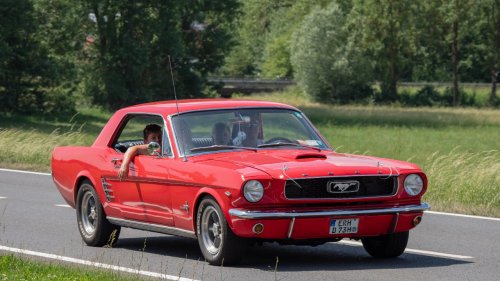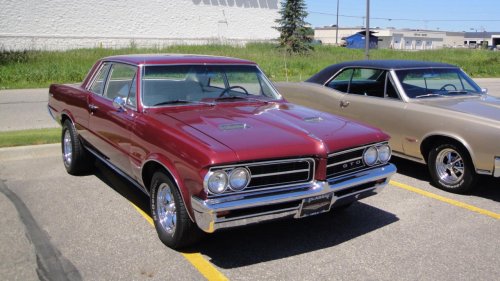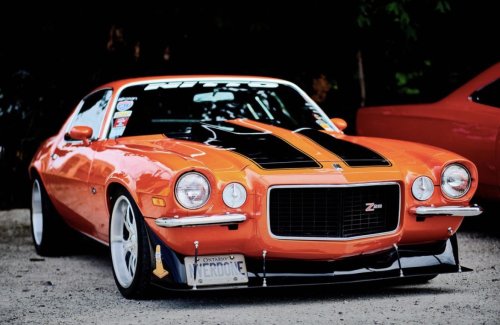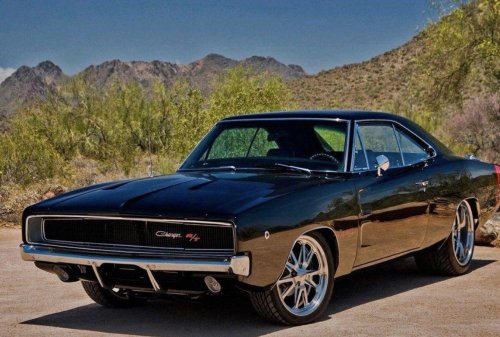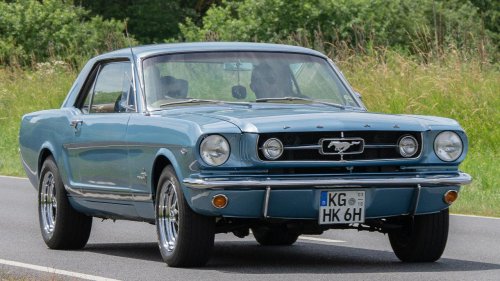
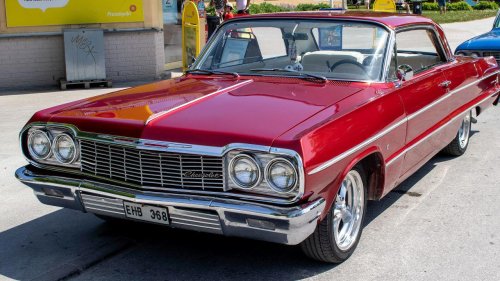
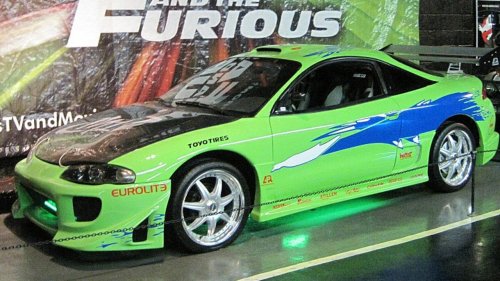
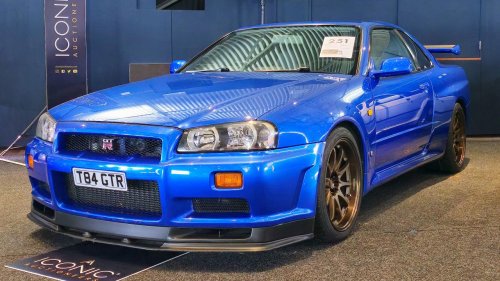
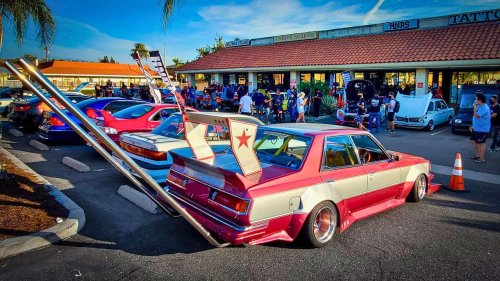
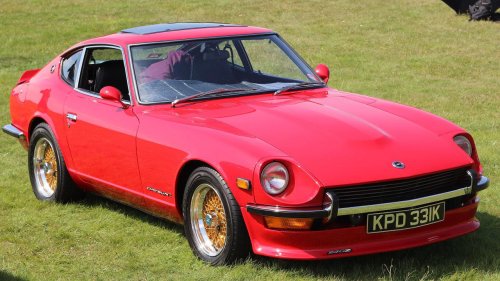
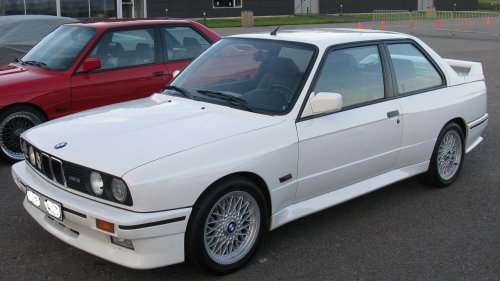

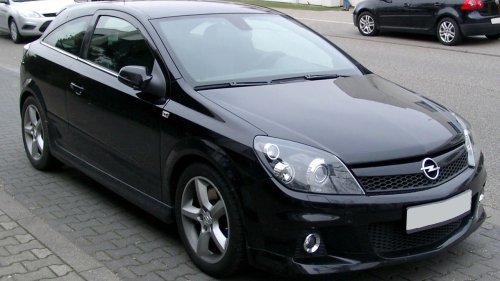
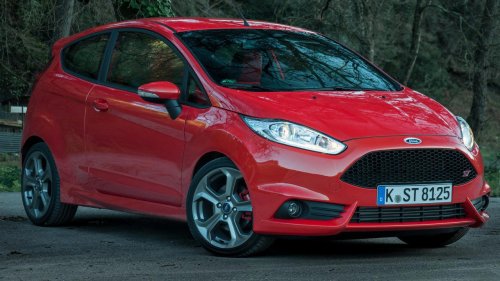
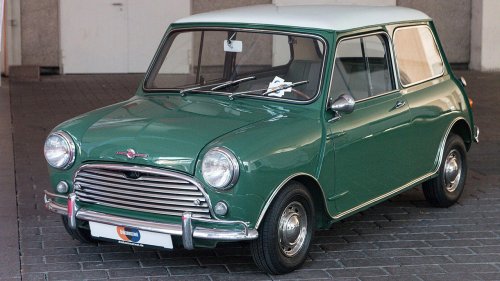
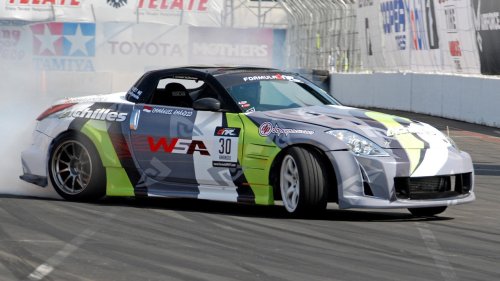
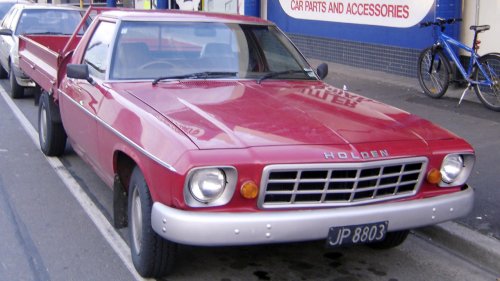
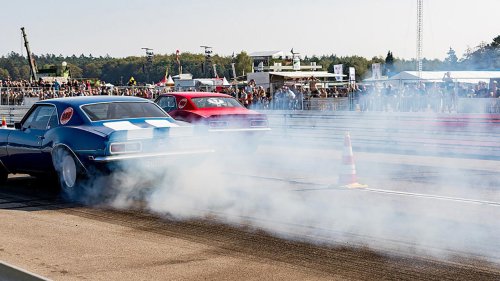
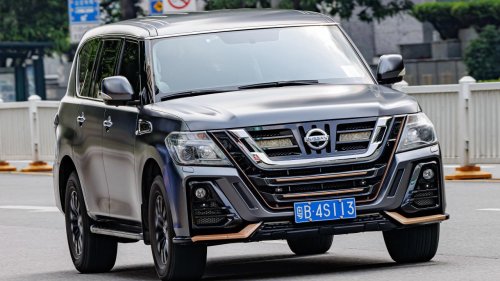



















Car modification culture is a fascinating global phenomenon, reflecting diverse tastes, styles, and philosophies. From the sleek streets of Tokyo to the sun-drenched roads of Los Angeles, enthusiasts worldwide transform their vehicles into personal expressions of identity and creativity. This exploration delves into how car modification cultures vary across different countries and what drives these unique automotive customs. The United States: A Melting Pot of Styles Muscle Car Madness Image Credit: Ermell, via Wikimedia Commons, CC BY-SA 4.0 The United States is renowned for its muscle car culture, a legacy that began in the 1960s with iconic models like the Ford Mustang and Chevrolet Camaro. These powerful vehicles are celebrated for their high-performance engines and bold designs. Enthusiasts often modify muscle cars to enhance their speed and aesthetics, adding features such as superchargers, custom exhaust systems, and striking paint jobs. The muscle car scene remains a vibrant part of American automotive culture, with events like the Woodward Dream Cruise showcasing these modified masterpieces. Lowriders and Custom Cruisers Image Credit: Bene Riobó, via Wikimedia Commons, CC BY-SA 4.0 Originating in the Chicano communities of Southern California, the lowrider movement is a unique aspect of American car culture. Lowriders are characterized by their lowered suspension, intricate paintwork, and hydraulic systems that allow them to “bounce.” These vehicles are more than just cars; they are rolling works of art and symbols of cultural pride. The lowrider scene continues to thrive, with clubs and events celebrating this distinctive style across the country. Import Tuning Scene Image Credit: Thomas R Machnitzki (thomas@machnitzki.com), via Wikimedia Commons, CC BY 3.0 The import tuning scene in the United States gained momentum in the 1990s, fueled by the popularity of Japanese and European cars like the Honda Civic and Volkswagen Golf. This culture emphasizes performance enhancements and aesthetic modifications, often inspired by media such as the “Fast & Furious” franchise and racing video games. Import tuners focus on upgrading engines, suspension systems, and body kits to create high-performance, visually striking vehicles. Japan: A Blend of Tradition and Innovation JDM (Japanese Domestic Market) Phenomenon Image Credit: Calreyn88, via Wikimedia Commons, CC BY-SA 4.0 Japan’s car modification culture is epitomized by the JDM phenomenon, which celebrates vehicles designed for the Japanese market. JDM cars like the Nissan Skyline GT-R and Toyota Supra have gained a global following due to their performance capabilities and unique styling. Japanese car brands and motorsports heavily influence modification trends, with enthusiasts worldwide seeking authentic JDM parts to enhance their vehicles. Bosozoku and Shakotan Styles effspot/YouTube The Bosozoku style, rooted in Japanese biker gang culture, is known for its exaggerated and flamboyant modifications. These include extended exhaust pipes, oversized spoilers, and vibrant paint schemes. In contrast, the Shakotan style focuses on lowering cars to achieve a sleek, wide stance. Both styles reflect a rebellious spirit and a desire to stand out on the streets of Japan. Kyusha Culture Image Credit: Charles01, via Wikimedia Commons, CC BY-SA 4.0 Kyusha, meaning “classic car” in Japanese, is a culture dedicated to the restoration and modification of vintage Japanese vehicles. Enthusiasts cherish models from the 1970s and 1980s, such as the Datsun 240Z and Toyota Corolla. The kyusha scene is driven by nostalgia, with owners striving to preserve the original character of these cars while incorporating modern enhancements. Germany: Precision and Engineering Excellence Performance Tuning Image Credit: nakhon100, via Wikimedia Commons, CC BY 2.0 Germany is synonymous with precision engineering, and this is reflected in its car modification culture. Performance tuning is a key focus, with enthusiasts seeking to enhance engine power and handling capabilities. The Autobahn, with its unrestricted speed limits, serves as a testing ground for these high-performance vehicles. Brands like BMW and Mercedes-Benz offer extensive aftermarket options, allowing owners to customize their cars to exacting standards. Aesthetic Modifications Image Credit: kieranwhite599 is licensed under CC BY 2.0, via Flickr German car enthusiasts often favor subtle and sophisticated aesthetic modifications. This approach emphasizes clean lines and understated elegance, with modifications such as custom wheels, aerodynamic body kits, and high-quality paint finishes. The influence of German car brands is evident, as they provide a wide range of factory-approved accessories that maintain the integrity of the original design. Regulatory Environment Image Credit: Rudolf Stricker, via Wikimedia Commons, CC BY-SA 3.0 Germany’s strict regulations on car modifications present challenges for enthusiasts. Modifications must comply with the TÜV (Technischer Überwachungsverein) standards, ensuring safety and environmental compatibility. Despite these constraints, German car enthusiasts find creative ways to personalize their vehicles while adhering to legal requirements, balancing innovation with compliance. United Kingdom: A Heritage of Motorsport Hot Hatch Culture Image Credit: David Villarreal Fernández, via Wikimedia Commons, CC BY-SA 2.0 The UK is known for its love of hot hatches, compact cars with powerful engines that deliver thrilling performance. Models like the Ford Fiesta ST and Volkswagen Golf GTI are popular choices among enthusiasts. Key modifications include engine tuning, suspension upgrades, and lightweight components, all aimed at enhancing speed and agility on the road. Classic Car Restoration Image Credit: Calreyn88, via Wikimedia Commons, CC BY-SA 4.0 Classic car restoration is a cherished tradition in the UK, with enthusiasts dedicated to preserving and modifying vintage British vehicles. Cars like the Mini Cooper and Jaguar E-Type are lovingly restored, often with modern enhancements to improve performance and reliability. The classic car community faces challenges such as sourcing rare parts, but the passion for these timeless vehicles remains strong. Drifting and Rally Influence Image Credit: Toglenn, via Wikimedia Commons, CC BY-SA 3.0 The UK’s motorsport heritage, particularly in disciplines like drifting and rally, heavily influences car modifications. Drifting events and rally competitions inspire enthusiasts to modify their cars for improved handling and control. The UK plays a significant role in the international drifting scene, with events like the British Drift Championship showcasing the skill and creativity of drivers and their modified machines. Australia: Adventure and Outback Modifications Utes and Off-Road Vehicles Image Credit: The original uploader was ElBarto at English Wikipedia., via Wikimedia Commons, CC BY-SA 2.5 In Australia, utility vehicles, or “utes,” are a staple of car culture. These versatile vehicles are often modified for off-roading and outback adventures, with enhancements such as lift kits, bull bars, and all-terrain tires. The rugged Australian landscape demands vehicles that can handle challenging conditions, and enthusiasts take pride in customizing their utes for both performance and practicality. Street Machines and Burnouts Image Credit: Sven Mandel, via Wikimedia Commons, CC BY-SA 4.0 The street machine scene in Australia is vibrant, with a focus on high-performance modifications and eye-catching designs. Burnout competitions and car shows are popular events, where enthusiasts showcase their modified vehicles and driving skills. The culture celebrates power and spectacle, with cars often featuring powerful engines, custom paint jobs, and unique styling elements. Legal Landscape Image Credit: Dinkun Chen, via Wikimedia Commons, CC BY-SA 4.0 Australia’s modification laws and regulations can be complex, impacting the creativity and innovation of car enthusiasts. Modifications must comply with safety and environmental standards, and navigating these regulations requires knowledge and expertise. Despite these challenges, the Australian car modification scene remains dynamic, with enthusiasts finding ways to express their individuality within the legal framework. Like Fast Lane Only’s content? Be sure to follow us. Here’s more from us: Unboxing the WWII Jeep in a Crate The Fastest Farm Truck Ever Built *Created with AI assistance and editor review.