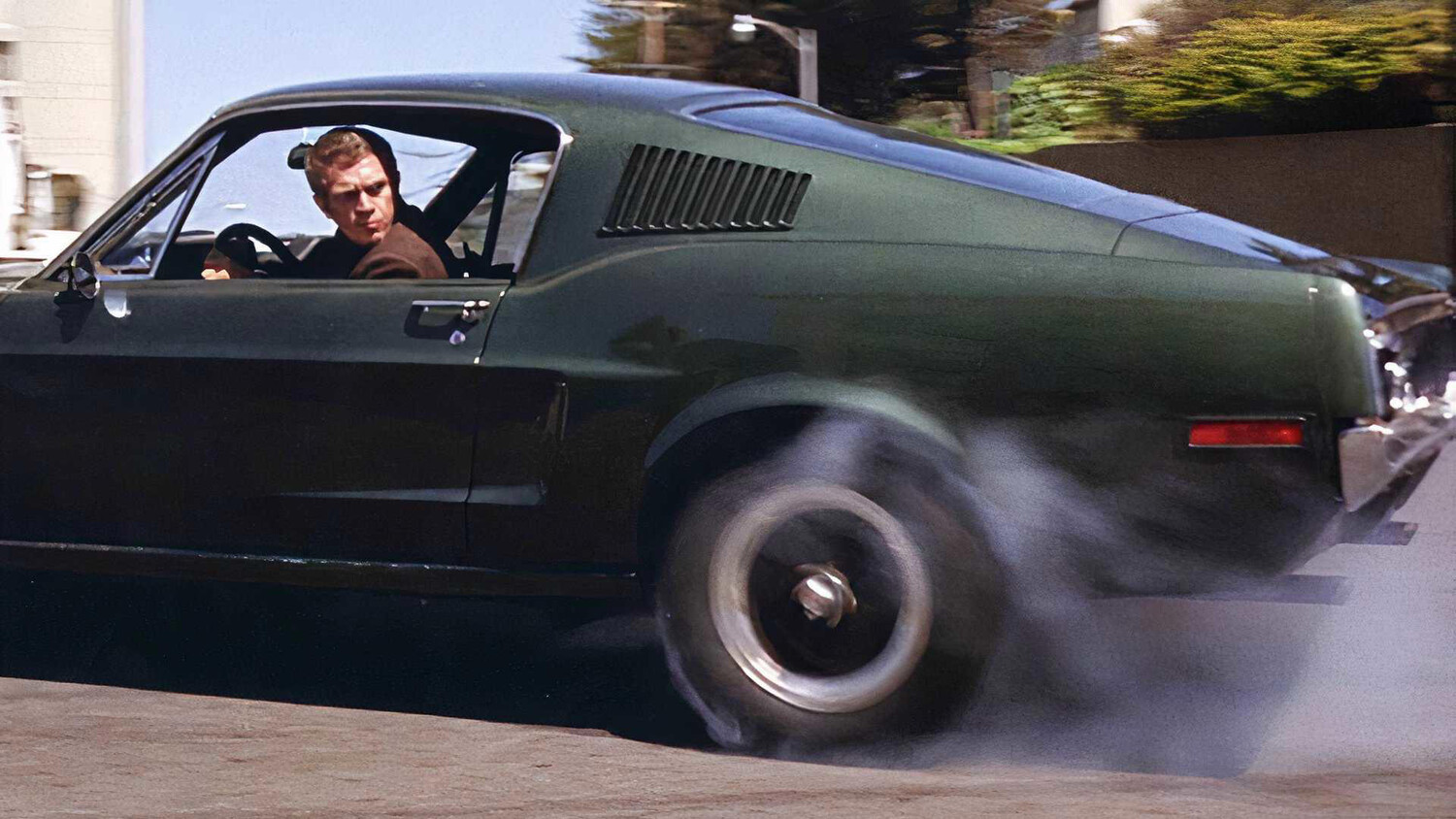
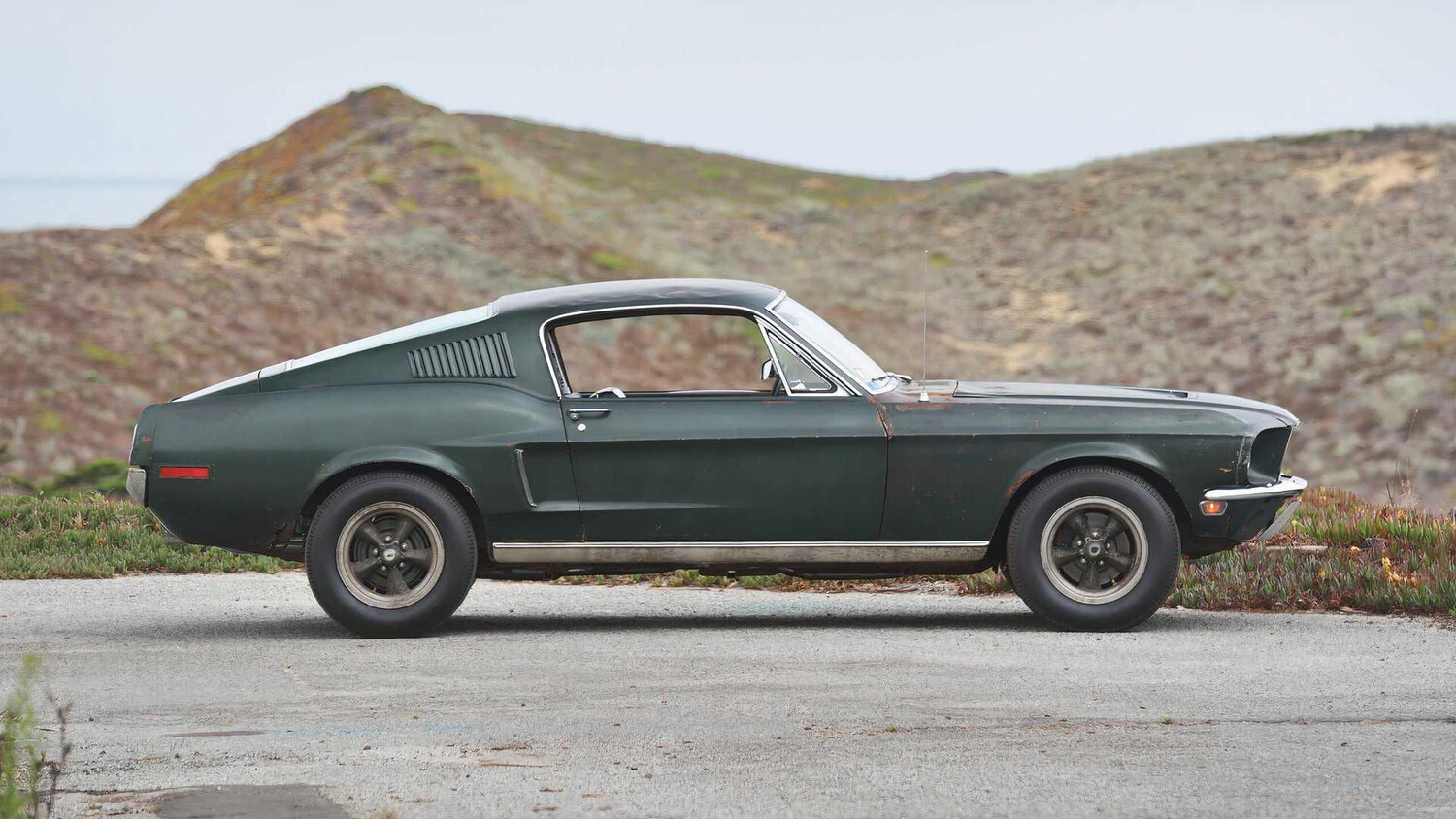
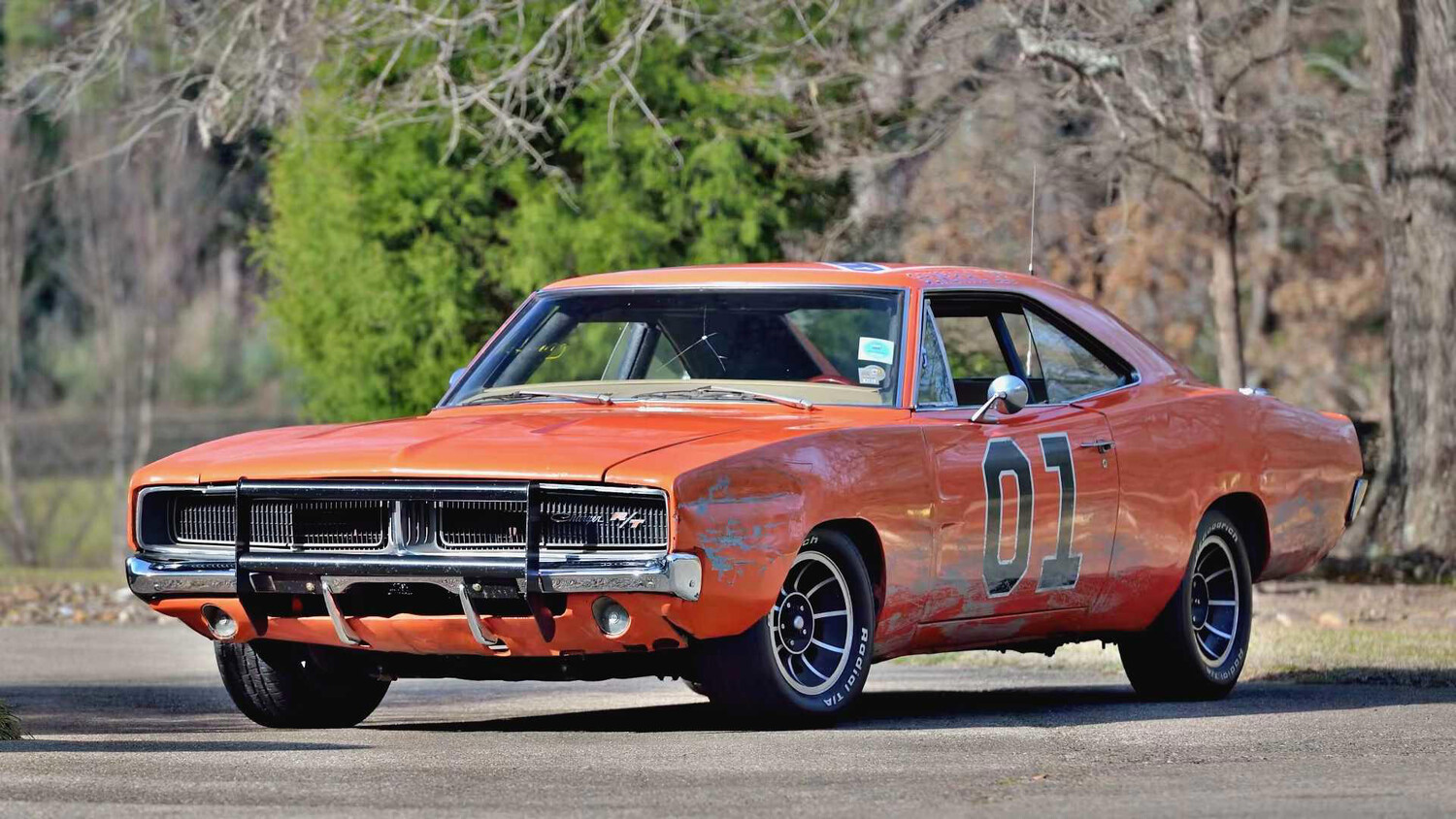
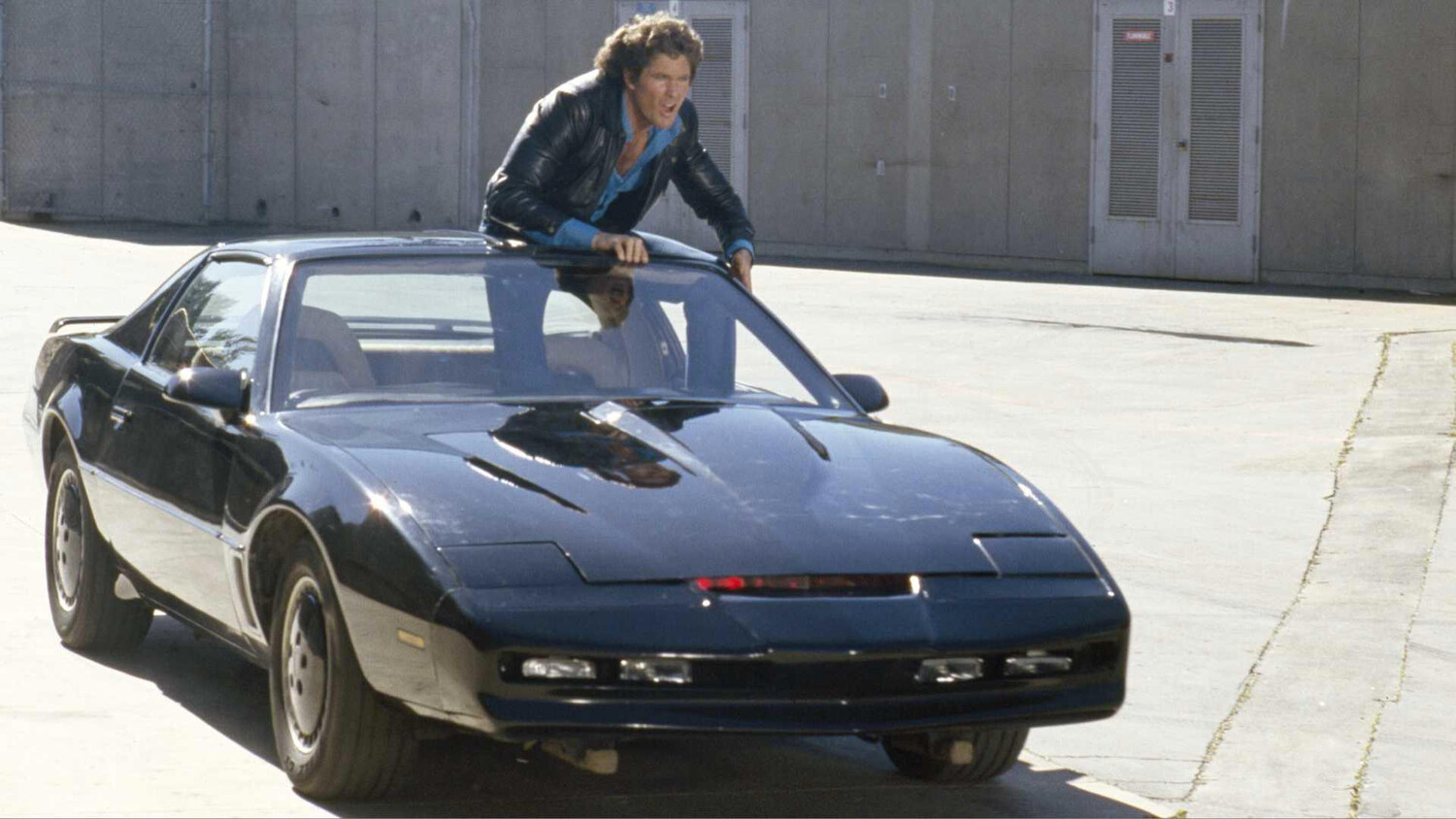
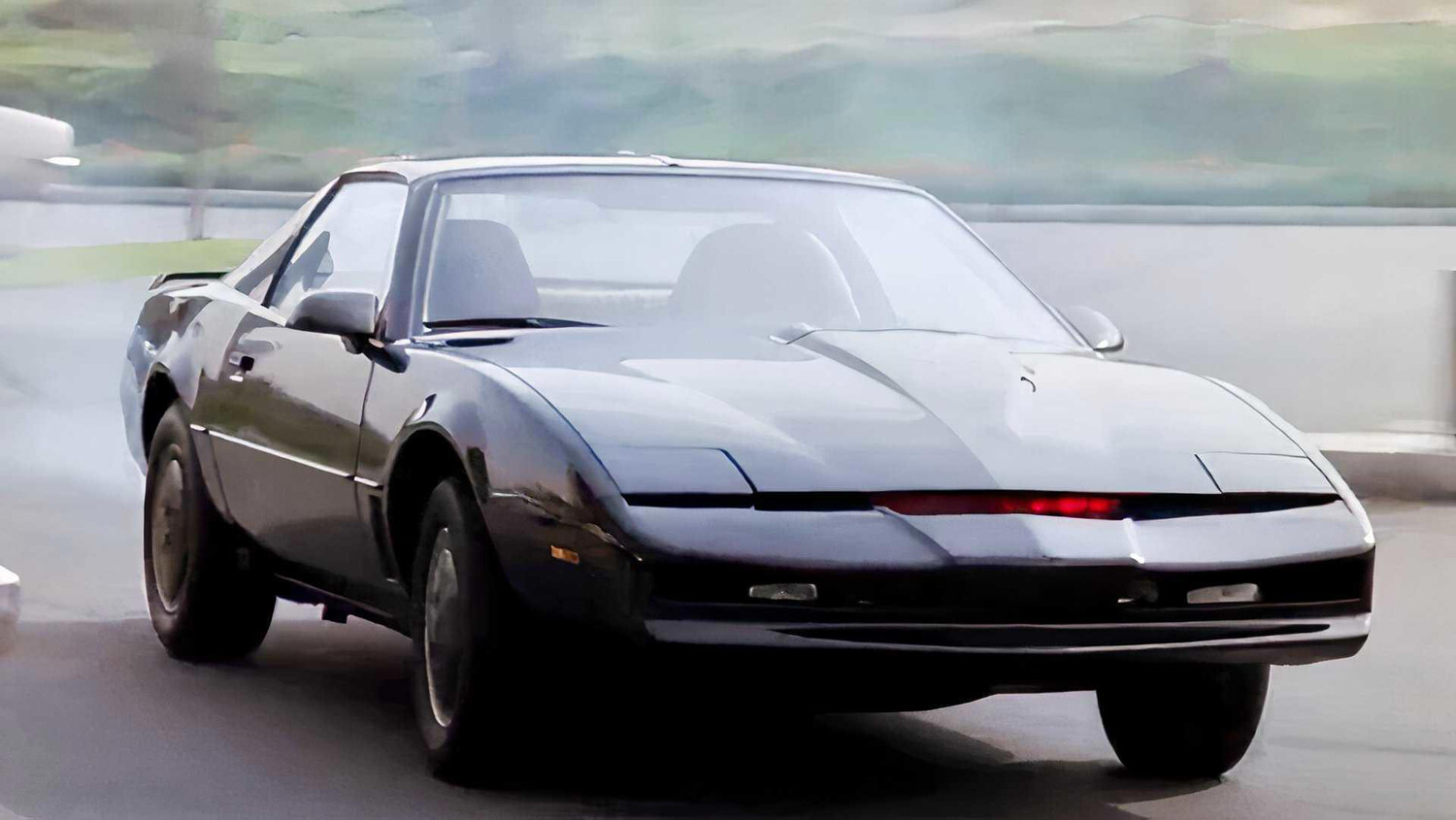
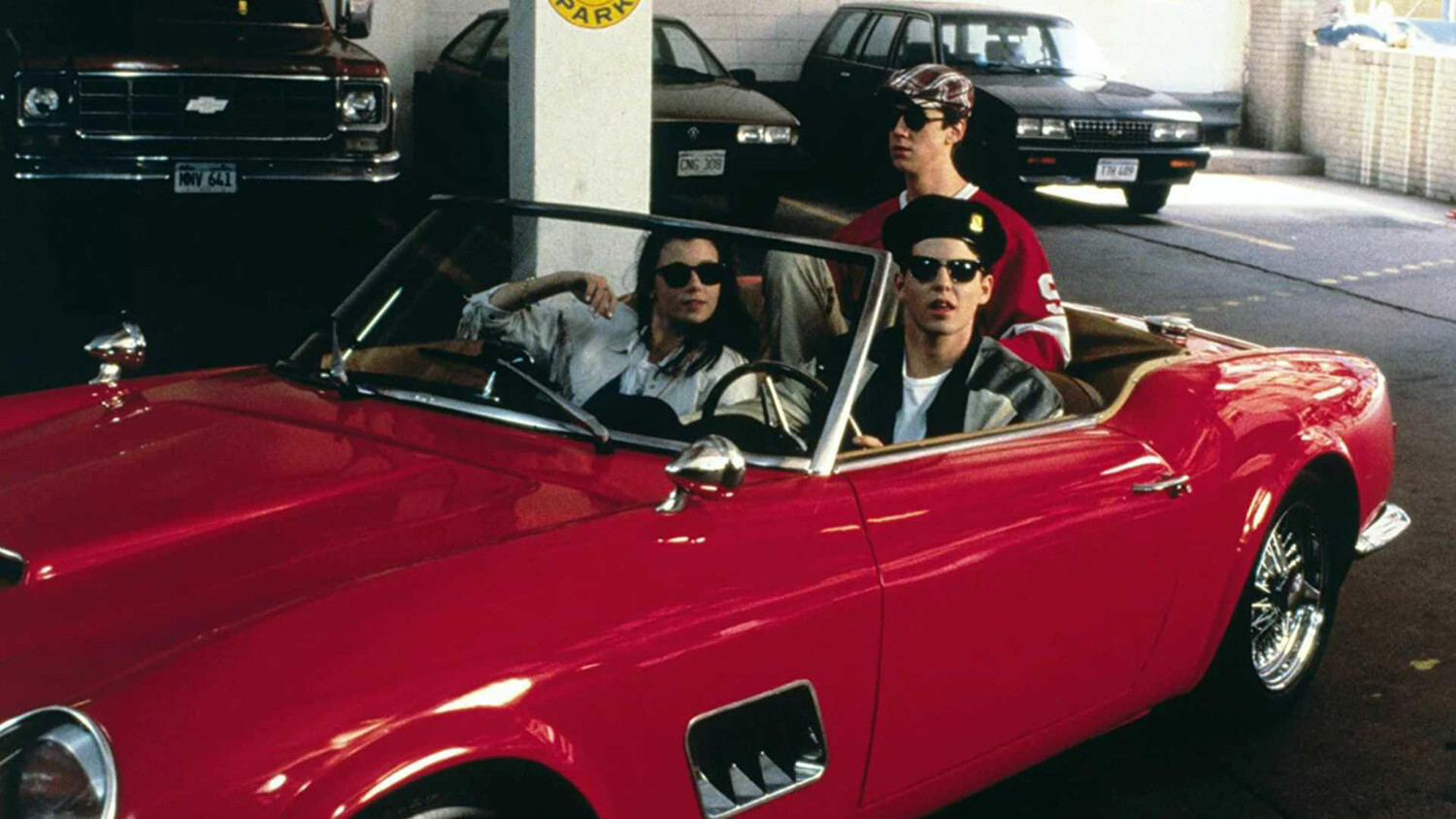
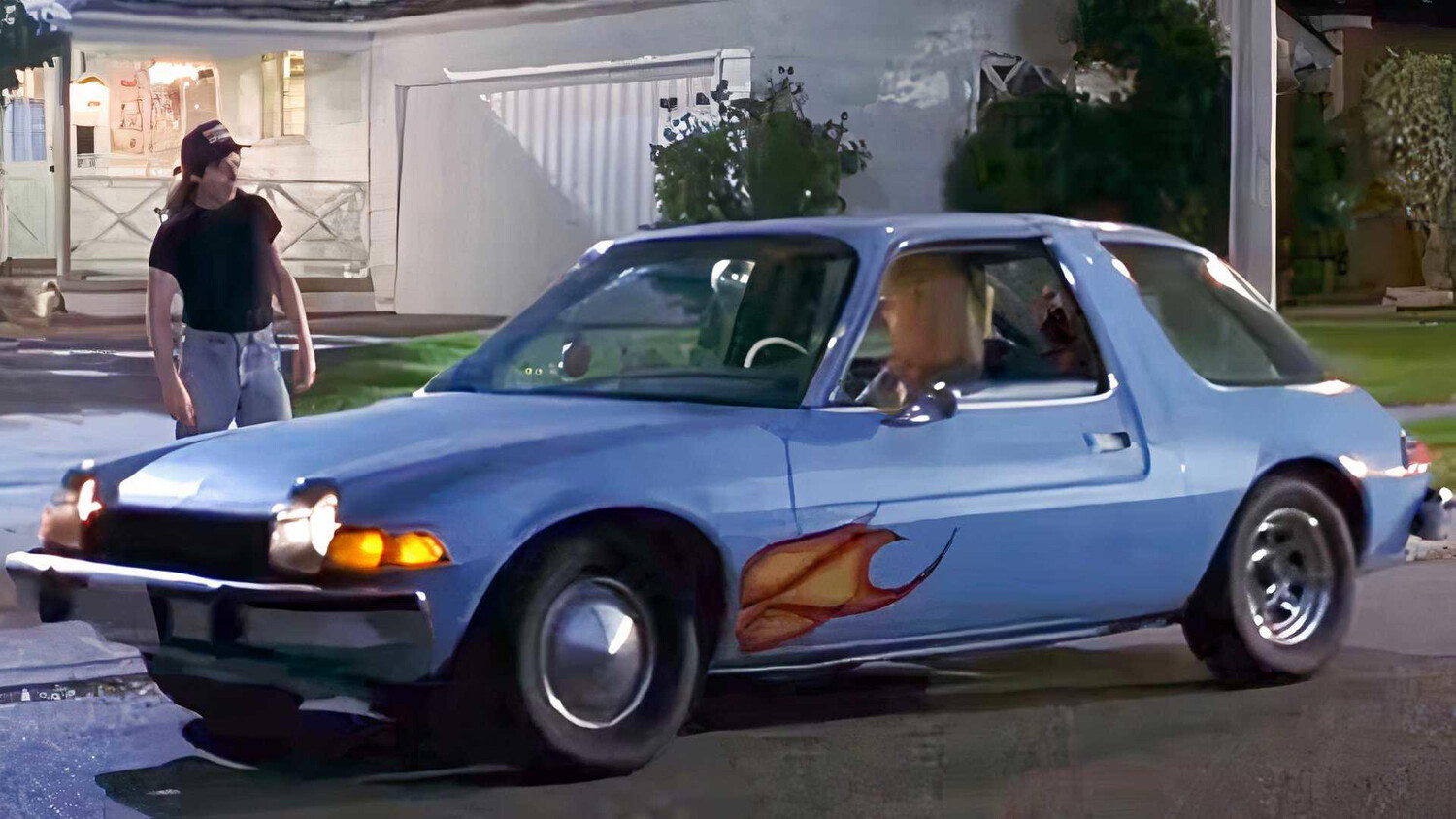
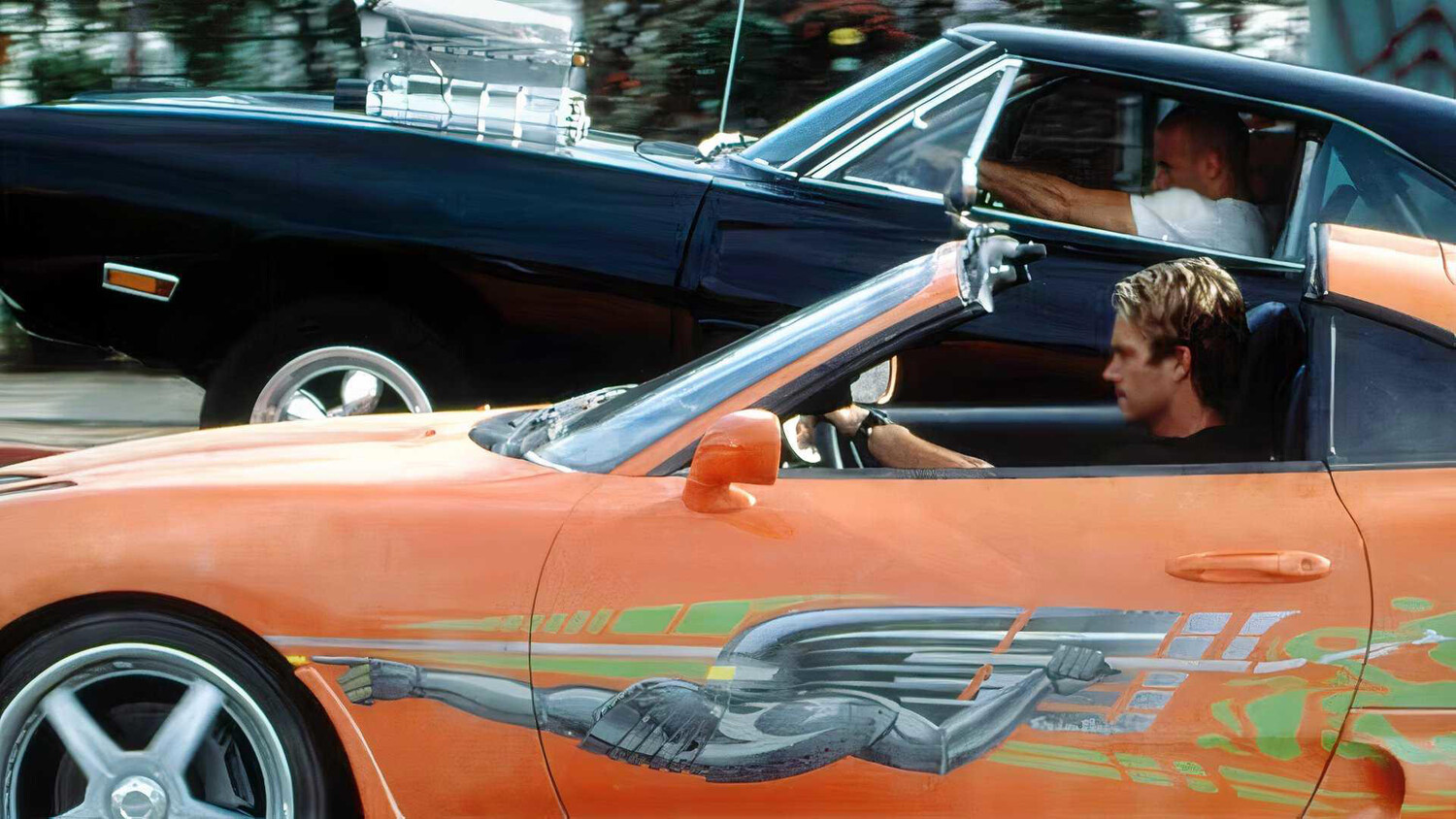
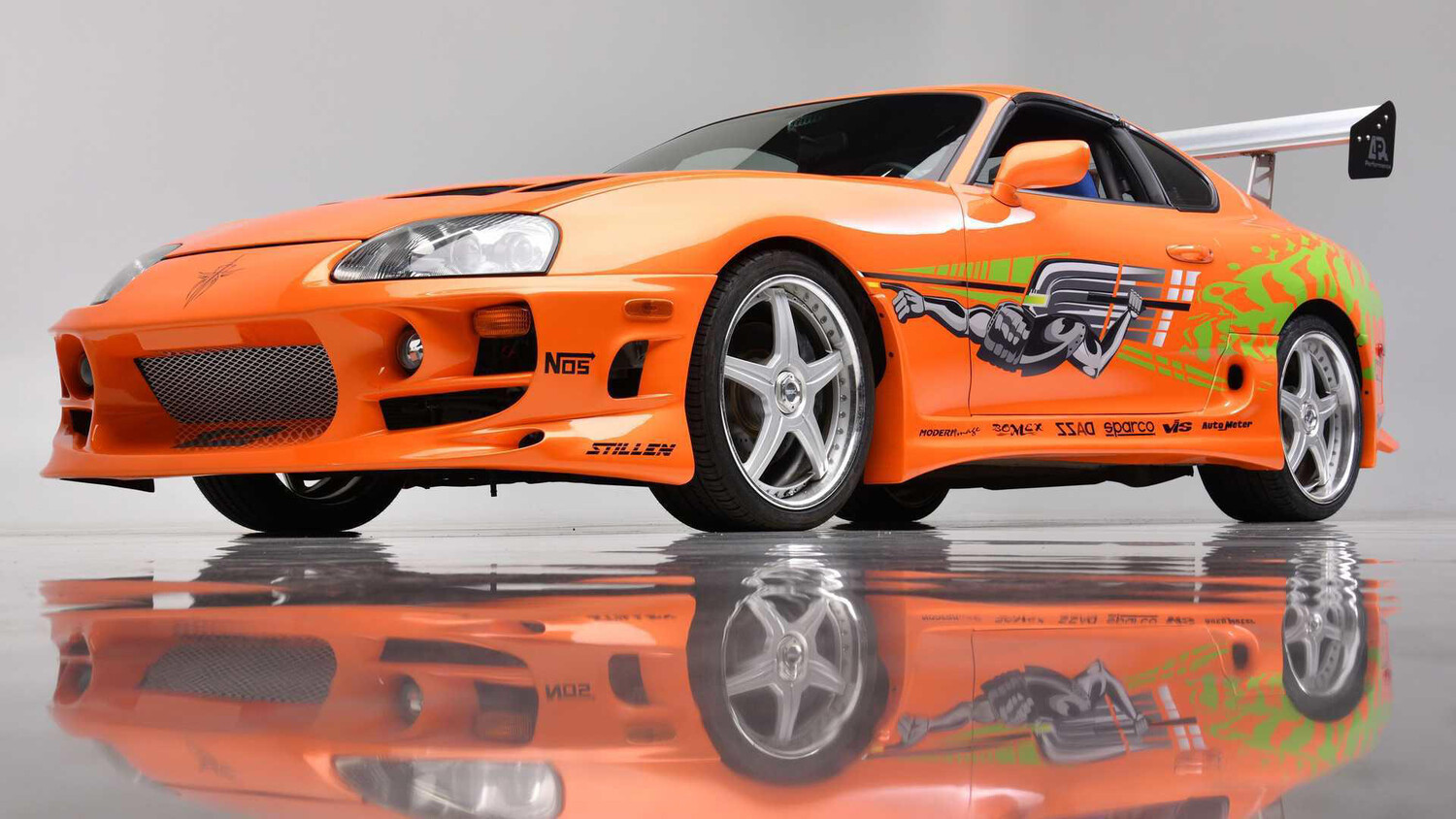
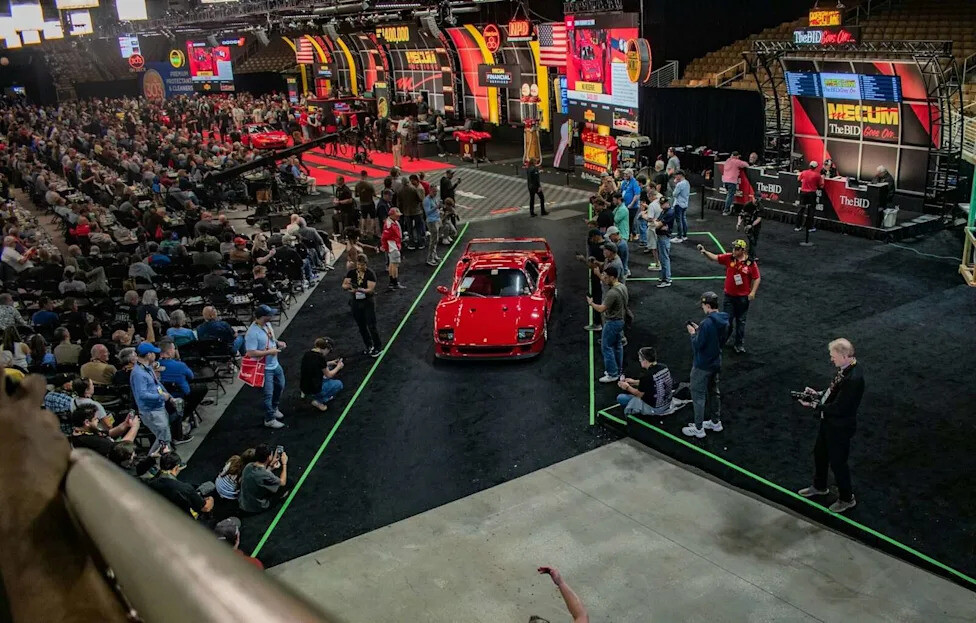
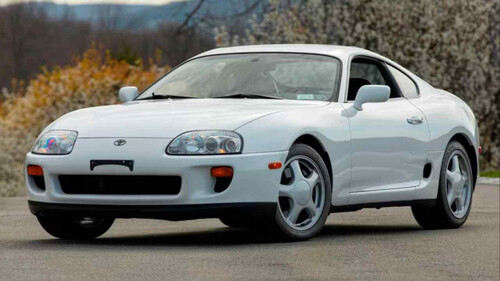
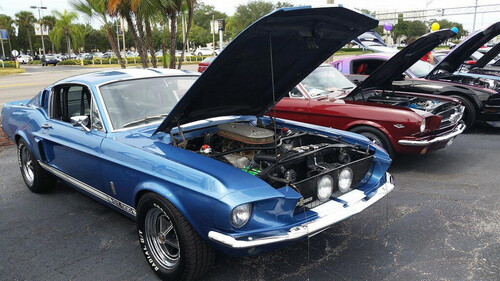
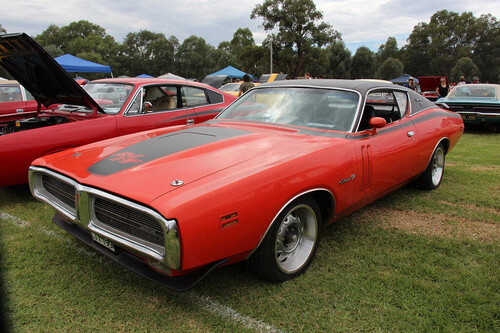
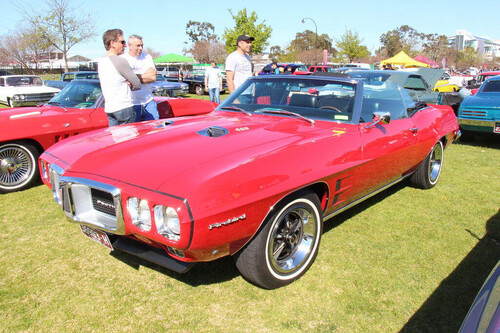
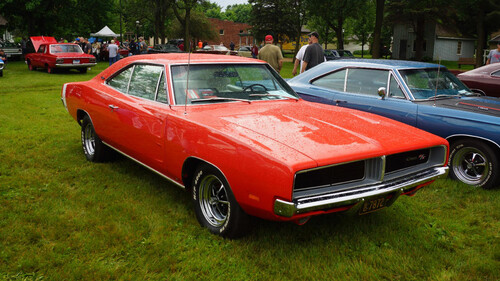
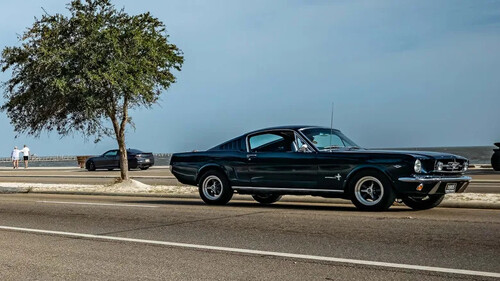
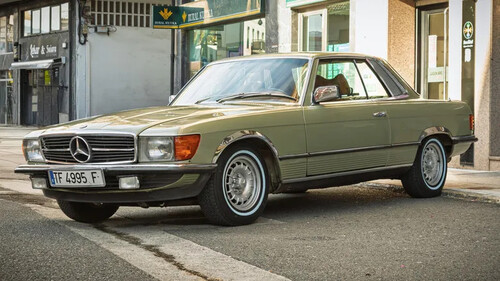
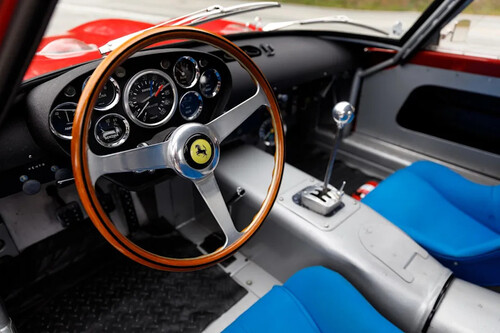
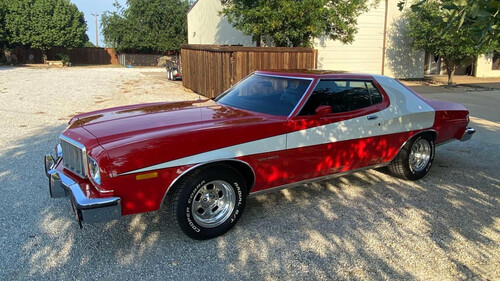
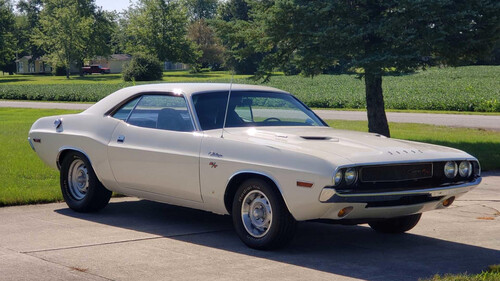
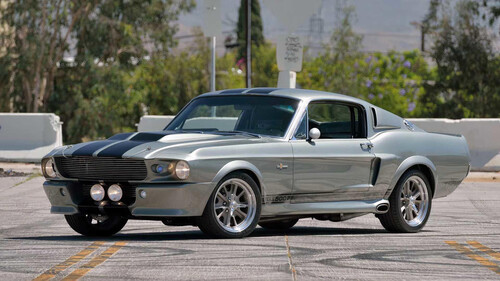
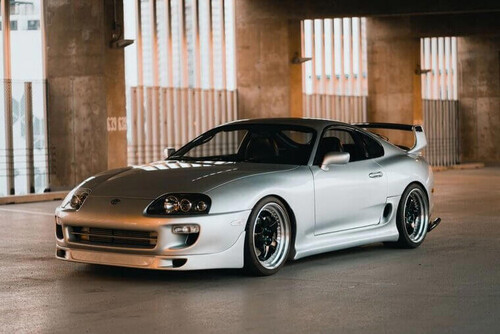
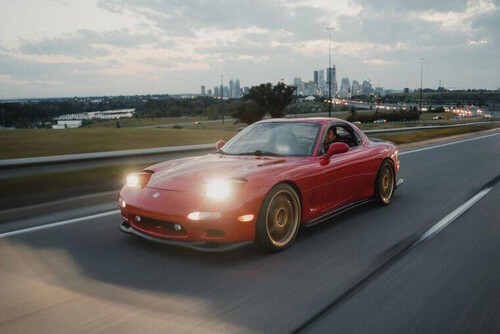
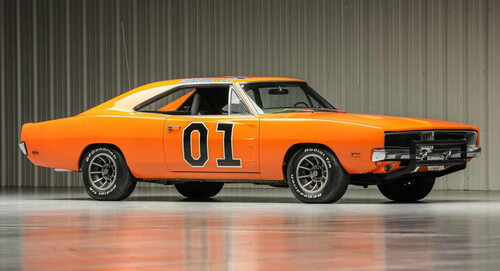
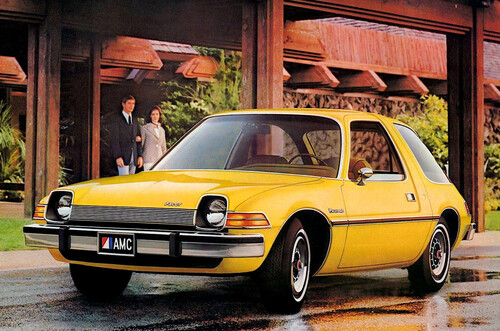
Historically, racing victories have been powerful forces behind the reputation and legacy of cars. 'Win on Sunday, sell on Monday' was a product of this phenomenon. Another factor behind the legacy of the greatest icons is Hollywood. Thanks to their roles in certain feature films and TV shows, some models became household names overnight.Some examples of cars made popular by movies include the custom '48 Ford Deluxe Convertible from Grease, or the '68 Mustang GT fastback from Bullitt, but there are many more. Some, like the Batmobile, are completely custom designs, while others, like the Toyota Supra above, have a clearer link to their production car origins. Let's take a look at some of the most memorable examples from movie history. There are too many to list here—comment below with the ones we missed.Models are listed in chronological order. 1964 Aston Martin DB5 Goldfinger (1964) The ConversationThis model will, for many, be a James Bond car first and foremost, but the Aston Martin DB5 is also widely regarded to be one of the most beautiful models from the British marque. It followed the DB4, although it used the same chassis, with an upgraded 4.0-liter straight-six engine, and 282 horsepower was on offer. Features like a four-speed manual transmission and disc brakes were fitted; the car could hit 143 mph.RM Sotheby's The DB5 was the official Bond car for Goldfinger, driven by Sean Connery, and famously fitted with various weapons and defense systems. While there were four DB5s used in the film and for promotional purposes, the car supplied by Aston Martin was actually a DB4 prototype, disguised and modified to look like a DB5 — this example was used for filming some scenes in the film. Today, even standard DB5 coupes are worth more than $500,000, according to Hagerty. 1968 Ford Mustang GT 390 Fastback Bullitt (1968) Warner Bros.Another icon that will forever be linked to cinematic history, despite only appearing in one film alongside Steve McQueen, 1968's Bullitt. The model was a first-gen facelifted Ford Mustang GT fastback with the 390 FE engine, displacing 6.4 liters, making 325 horsepower and 427 pound-feet of torque, according to most sources. It was modified with the memorable Dark Highland Green paint, was debadged, featured black trim, and featured aftermarket wheels. Of the two cars in the film, one featured modified suspension for the film's driving sequences.Mecum Auctions Actor McQueen drove the car himself in some of the scenes, aside from the more dangerous ones where stunt drivers were used. One of the most iconic parts of the film is the 10-minute car chase sequence through the streets of San Francisco, where the Mustang pursues a Dodge Charger R/T; a car chase that went on to influence cinematic history. One of the Mustangs sold for nearly $4 million at auction back in 2020. Ford went on to honor the Bullitt Mustang with various special editions across subsequent Mustang generations. 1977 Pontiac Firebird Trans Am Smokey And The Bandit (1977) Universal Pictures The Pontiac Firebird Trans Am was another movie car with a real pedigree, thanks to its inclusion in car chases and stuntwork. As a Trans Am, it features upgraded suspension, brakes, cosmetic details, and, of course, the V8 engine, which was a 6.6-liter '400' Pontiac V8. Thanks to emissions regulations, the engine only made around 180 horsepower and 330 pound-feet in standard tune. A W72 package was also available late in '76 that boosted power slightly to 200 horsepower.Bring a TrailerIt was decorated with the now-iconic Screaming Chicken on the hood and black and gold paint, with a T-top roof, all screaming 70s American attitude. All the movie's Trans Ams were destroyed in filming, although mostly by stunt drivers, as Burt Reynolds handled the less dangerous scenes. Interestingly, the cars used in the film were modified 1976 Trans Ams, with the front fascia altered to feature the new 1977 styling. After the film, there was a surge in Trans Am sales thanks to its popularity. 1969 Dodge Charger “General Lee” The Dukes Of Hazzard (1979-1985) Warner Bros. Pictures For the Dukes of Hazzard TV series, the second-generation Dodge Charger was used — a '69 Charger R/T, modified with orange paint, a Confederate roof flag, '01' decals, and other details. Being an R/T, it featured the 440 Magnum V8, although the 383 and the 426 Hemi were available on production R/Ts. The 375-horsepower, 7.2-liter Magnum offered adequate torque for the series' many chases, jumps, and other stunts, while the 426 Hemi was sometimes also used among the many Chargers that were used.MecumIt's an iconic car, made more iconic thanks to its aesthetic and also the punishment that it endured. The doors in the TV show were welded shut, which was explained as a safety measure similar to that of racing cars (increased rigidity and no risk of the doors opening in a collision). Today, the '69 Charger R/T is worth $60,000 on average with the 440 Magnum, or $100,000 with the Hemi engine. 1981 DeLorean DMC-12 Back To The Future (1985–1990) Universal Pictures Yet another car that is defined largely by its starring role as a time machine in the Back To The Future series, first in 1985 and again in '89 and '90. There was also an animated TV series that featured the DMC-12. It was modified for the movie with many aesthetic components, such as vents, wiring, blinking lights, and other features, to make it look futuristic. The reality is that the DeLorean DMC-12 was a commercial failure in real life, and it fell short of expectations.Bring A Trailer It should have been nothing short of interesting, to say the least. Unpainted aluminum body panels, gull-wing doors, and a V6 engine, rear-engined, rear-wheel drive. It had a Giorgetto Giugiaro design and was even partly engineered by Lotus. John DeLorean, who worked for GM, including Pontiac and Chevrolet, conceived of the idea of the DMC-12, eventually becoming lured to Northern Ireland to build his factory with financial incentives in exchange for jobs for the local population. Following production difficulties and financial troubles, the company went bankrupt, and 1982 was the only official model year with models built as '83 model-year units. The Renault-Peugeot-Volvo V6 only made 130 horsepower, which wasn't potent enough for the 2,700-pound DMC-12, resulting in performance that fell somewhat short of the car's image. 1982 Pontiac Firebird Trans Am (KITT) Knight Rider (1982–1986) Universal Television Most of the intrigue of 'KITT' from Knight Rider comes from its self-driving, sentient personality and blinking red lights on the front. It was a modified third-gen Trans Am, with an elongated nose that housed the 'scanner' with its red lights, and the interior housed an extremely futuristic cabin outfitted with lots of flashing lights, buttons, and screens. In the series starring David Hasselhoff, the car was said to be almost indestructible thanks to its 'Molecular Bonded Shell', and its turbo-jet engine was said to be able to enable KITT to hit 60 mph in two seconds and hit 200 mph.Universal Various models were used for the show, some for stuntwork and others for hero shots and closeups. The real Trans Ams that the public could buy were far less exotic: the Trans Am's 5.0-liter V8 made 145 horsepower or 165 horsepower for the new fuel-injected option of the same capacity. Torque was still substantial at around 240 pound-feet for the latter, but 0-60 mph was around 9-10 seconds depending on the engine. Hagerty estimates that the '82 Trans Am with the lesser-powered V8 is worth about $10,000 on average. 1961 Ferrari 250 GT California Spyder Ferris Bueller’s Day Off (1986) Paramount Pictures Sharing its basic chassis design and engine with the race-bred Ferrari 250 GT SWB homologation model, the 250 GT California Spyder is the flagship, luxurious, convertible of the 250 range, and extremely rare and valuable. Built as an opulent grand tourer rather than an aggressive coupe like the 250 GT, it does share the same 3.0-liter Colombo engine that made around 240-280 horsepower. The iconic V12 engine was also used for the slightly longer 250 GT Lusso, another grand tourer. Performance was impressive for the California, with 0-60 mph coming in at under six seconds. It is rarer than the 250 GT SWB, with only about 100 units made.BonhamsIn the film, the car stars as an object of value and rarity, becoming a plot device as the rebellious youngsters steal it from one of their fathers to go on a joyride. At the end, the car is destroyed — replicas were used for most of the filming and the wreck scene due to the value of California, though a real model was used for close-up shots. Today, this machine is seriously valuable, and Hagerty suggests you would need about $13 million to get your hands on one. 1976 AMC Pacer Wayne’s World (1992) Hagerty Made famous by Mike Myers and Dana Carvey's Wayne and Garth, respectively, the AMC Pacer was supposed to be a comedic prop and one that reflected the duo's personality. It didn't need to make the Pacer famous — the compact car was already well-known — but it brought the car well and truly into pop culture thanks to its ridiculous flame decals, its licorice dispenser, and, of course, the in-car Bohemian Rhapsody sing-along scene.Bring A Trailer The AMC Pacer was considered radical for the time, thanks to its design that was short but unusually wide for its footprint. It also had a significant percentage of glass real estate (some sources state 40 percent of the body glass). Engines for the '76 model year consisted of a 3.8-liter straight-six or a 4.2-liter, but the vintage hatchback was heavy, so 90-110 horsepower from the archaic, carburetor-driven mills was overpowered by the 3,000-pound heft of the Pacer. Later on, V8s were added to the range, but it didn't make the AMC compact a Mustang rival. A Barrett-Jackson auction saw this machine change hands for around $70,000 in 2022. 1970 Dodge Charger R/T The Fast And The Furious (2001–present) UniversalDom Toretto's Dodge Charger R/T is one of the major icons from The Fast and the Furious franchise. In the story, this muscle car was crashed by Dom's father in a race and kept under wraps ever since, with his son living in fear of it and with unresolved grief. Vin Diesel's character later on takes the car to save Brian. Depicted as having a supercharged Hemi, the Charger in the story was also said to have 900 horsepower. Its huge blower sprouting from the hood is a key feature of its design. The model reappeared various times throughout the franchise's history.Volo Auto Museum In reality, the Charger R/T was available with either the 440 Magnum or the 426 Hemi, which made 375-425 horsepower, though these engines can be modified with superchargers to make more power. The real Charger R/T could hit 60 mph in about six seconds despite its 3,600-3,800-pound weight. Values are high, and just like the '69 Charger R/T that inspired General Lee, the '70 Charger R/T is also a valued commodity. For the 426 Hemi, which is the most valuable version, about $111,000 is the going rate, according to Hagerty. 1993 Toyota Supra MkIV The Fast And The Furious (2001) Screen Rant The Fast and the Furious franchise gave birth to another icon that refuses to die: the Toyota Supra driven by Brian, and portrayed by the departed Paul Walker. Thanks to its fictional turbocharged engine and nitrous oxide system, the car managed to beat Dom's Charger in a race during the film. The JDM hero is a poster child for tuning culture, and the film's role added to the Supra's already legendary status, especially since the passing of Walker. In 2021, the Supra was sold at auction for $550,000.Barrett JacksonIn the real world, the MKIV Toyota Supra is a legend thanks to its place in 90s JDM folklore as well as its legendary engine, the 2JZ straight-six — a strong and durable engine that has proven to be highly tuneable. The twin-turbo versions are the most sought-after, and they made 320 horsepower in the US. Tuning opened up the door to 1,000 horsepower. It makes sense that the manual versions of the twin-turbo Supra are worth the most, and of course, they are in short supply. Hagerty says that the '90s Supra is worth an average of $90,000-$100,000 today, and the JDM hero looks to show no intention of slowing its climb any time soon.