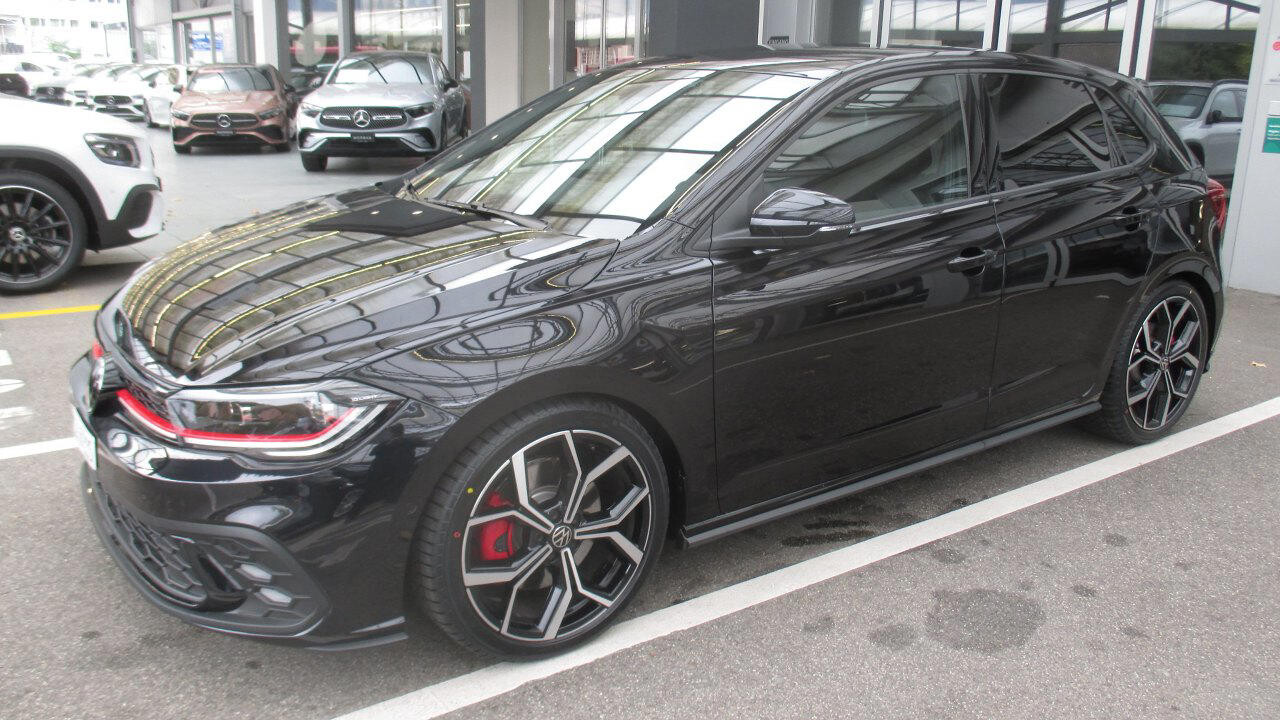
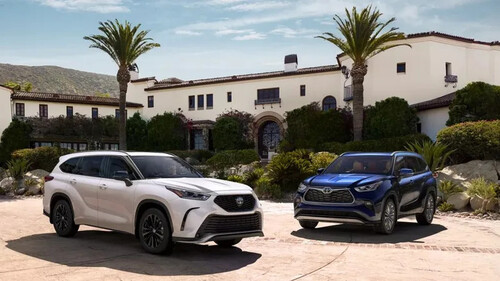
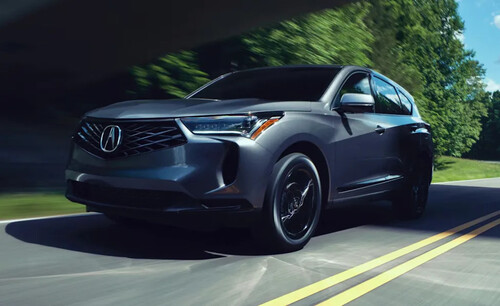
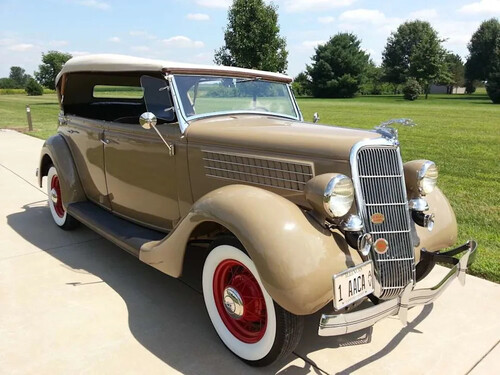
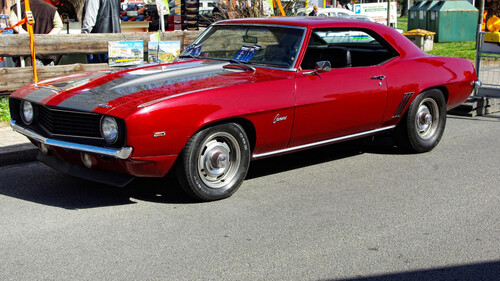
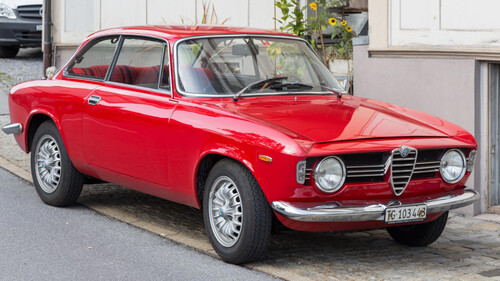
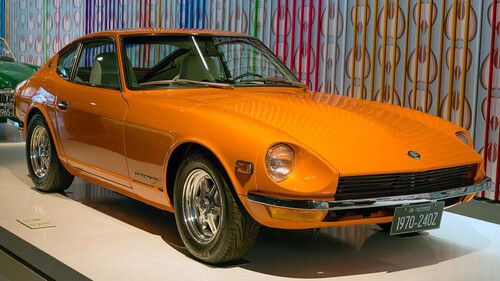
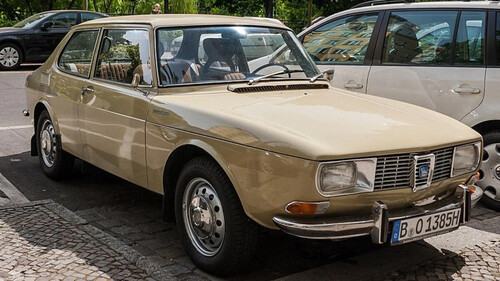
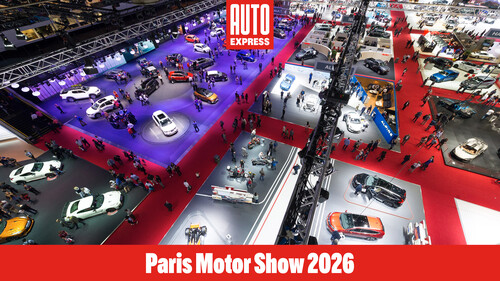
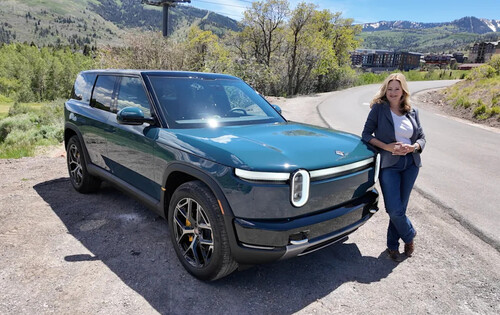
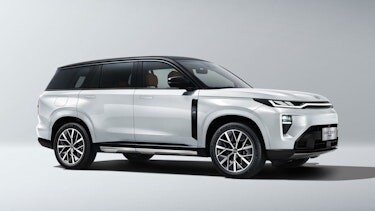
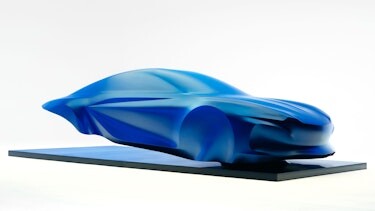
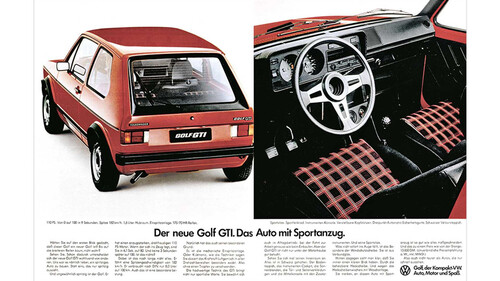
South Africa boasts a vibrant car culture that reflects the nation’s diverse heritage and economic landscape. From the bustling streets of Johannesburg to the scenic coastal roads of Cape Town, South Africans have cultivated a unique automotive scene characterized by distinct vehicle models and community-driven car events. This article delves into the elements that make South African car culture stand out and highlights some of the unique models that have captured the hearts of car enthusiasts. The Evolution of Car Culture in South Africa Image Credit: FaceMePLS from The Hague, The Netherlands, via Wikimedia Commons, CC BY 2.0 The history of car culture in South Africa is deeply intertwined with the country’s socio-political landscape. During the apartheid era, strict import restrictions and economic sanctions limited the availability of foreign vehicles, which significantly influenced the local automotive industry. This period saw the emergence of locally assembled vehicles, as international manufacturers like Ford and General Motors established plants in South Africa to circumvent import restrictions. These policies not only shaped the types of cars available but also influenced ownership patterns, with cars becoming symbols of status and identity. Following the end of apartheid, South Africa experienced a surge in international car trends, which were quickly adapted to local tastes. The newfound freedom allowed for a greater influx of foreign vehicles, and South Africans eagerly embraced a diverse range of models. Car clubs and communities began to flourish, fostering a sense of camaraderie among enthusiasts. These groups played a crucial role in shaping contemporary car culture, organizing events and gatherings that celebrated both local and international automotive trends. Unique Automotive Models in South Africa Image Credit: Sicnag, via Wikimedia Commons, CC BY 2.0 South Africa has produced several unique automotive models that have left a lasting legacy on the car culture. One notable example is the Perana performance cars, which were developed by Basil Green Motors in the 1970s. These high-performance vehicles, based on Ford models, became icons of South African engineering prowess and remain highly sought after by collectors today. The Perana brand exemplifies the innovative spirit that characterizes South African car culture. Another distinctive model is the Volkswagen Citi Golf, a South African-specific adaptation of the original Volkswagen Golf Mk1. Produced from 1984 to 2009, the Citi Golf became a cultural icon due to its affordability and reliability. Its enduring popularity highlights the local market’s preference for practical and durable vehicles. Additionally, the influx of grey imports and parallel imports has introduced a variety of international models to the South African market, further diversifying the automotive landscape. Car Modifications and Customization Trends Image Credit: Sokrates 399, via Wikimedia Commons, CC BY 4.0 Car modifications and customization are integral aspects of South African car culture, with enthusiasts constantly seeking ways to personalize their vehicles. Popular modification styles range from performance tuning, which enhances engine power and handling, to aesthetic enhancements like custom paint jobs and body kits. These modifications reflect the individual tastes and creativity of car owners, contributing to the vibrant and diverse automotive scene. The influence of international car shows and digital media has played a significant role in shaping local customization trends. Platforms like Instagram and YouTube provide enthusiasts with access to global car culture, inspiring new ideas and techniques. However, vehicle modifications in South Africa are subject to strict regulations, with laws governing aspects such as noise levels and emissions. Enthusiasts must navigate these legal frameworks to ensure their modifications are compliant, adding an additional layer of complexity to the customization process. Car Events and Gatherings Image Credit: Ossewa, via Wikimedia Commons, CC BY 4.0 South Africa’s car show scene is a testament to the country’s passion for automobiles, with numerous events held throughout the year. These gatherings provide enthusiasts with an opportunity to showcase their vehicles, exchange ideas, and celebrate their shared love for cars. Key events like the South African Festival of Motoring and the Knysna Motor Show attract large crowds and play a vital role in promoting car culture across the nation. Street racing and underground car meets also form a significant part of South Africa’s automotive landscape. While these activities often operate outside the law, they highlight the social aspect of car culture, bringing together diverse groups of enthusiasts. Online communities have become instrumental in organizing and promoting these events, using social media platforms to connect with like-minded individuals and coordinate gatherings. Challenges and Future Prospects of South African Car Culture Image Credit: Alexander Migl, via Wikimedia Commons, CC BY-SA 4.0 The future of car culture in South Africa faces several challenges, primarily driven by economic factors. The rising cost of living and fluctuating exchange rates impact car ownership and maintenance, making it increasingly difficult for enthusiasts to pursue their passion. Additionally, the automotive industry must contend with environmental concerns, as there is a growing push for sustainable practices within the community. This includes the adoption of electric vehicles and the implementation of eco-friendly modifications. Technological advancements and policy changes are poised to shape the future of South African car culture. The increasing availability of electric and hybrid vehicles presents new opportunities for enthusiasts to explore innovative technologies. Moreover, government policies aimed at reducing carbon emissions and promoting sustainable transportation will likely influence the types of vehicles on the road. As the automotive landscape continues to evolve, South African car culture will undoubtedly adapt, maintaining its unique character while embracing new trends and technologies. Like Fast Lane Only’s content? Be sure to follow us. Here’s more from us: Unboxing the WWII Jeep in a Crate The Fastest Farm Truck Ever Built *Created with AI assistance and editor review.