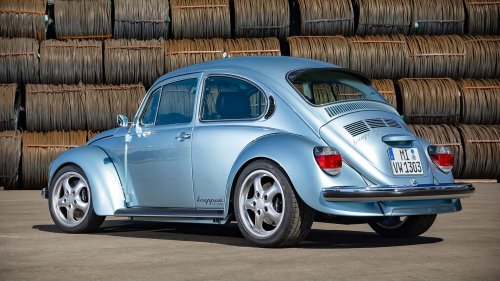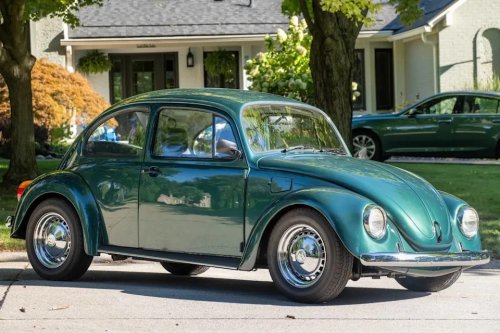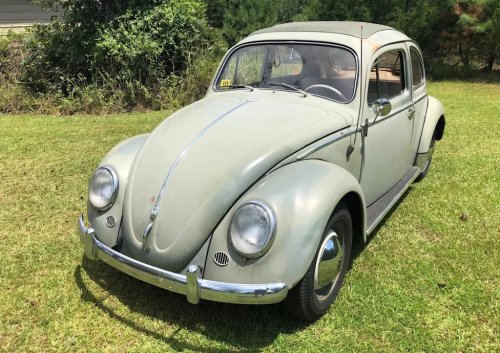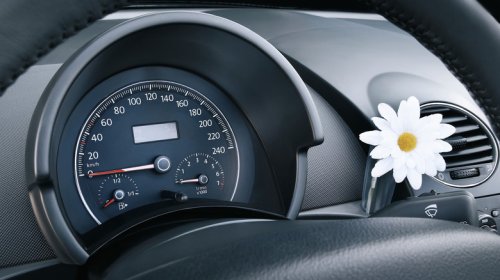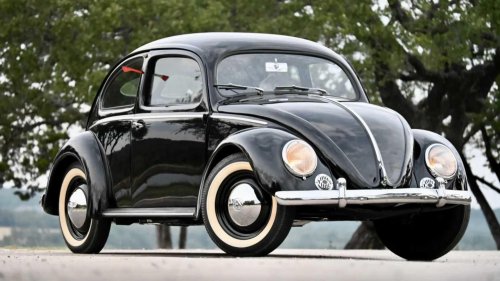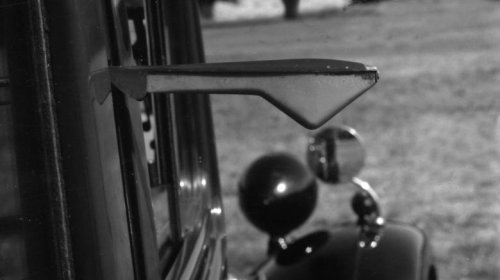
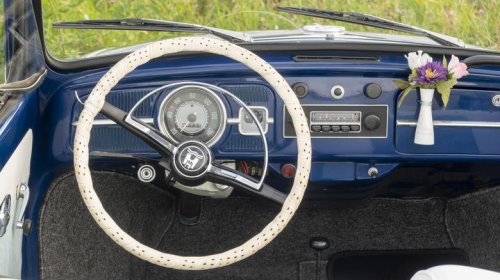
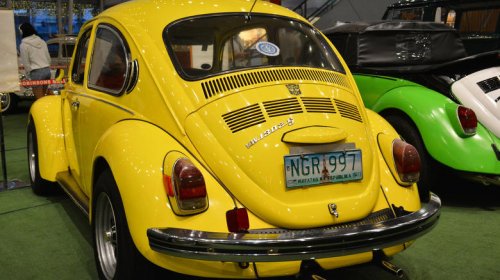
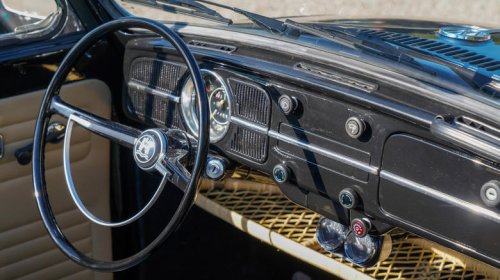
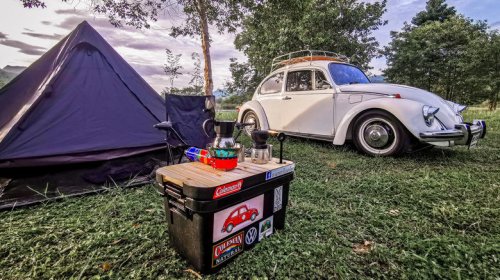



















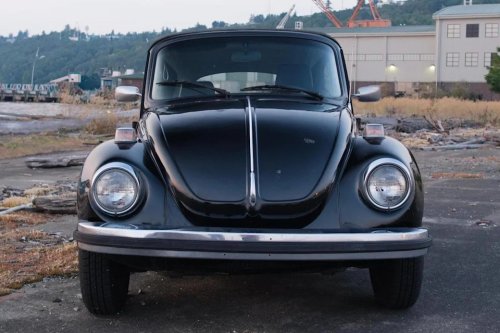
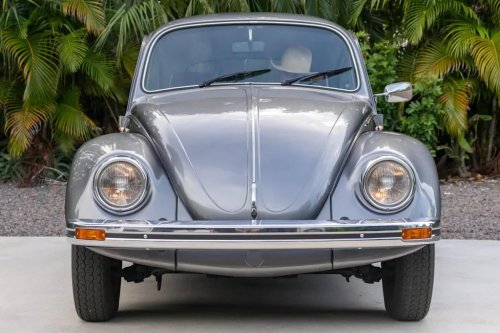

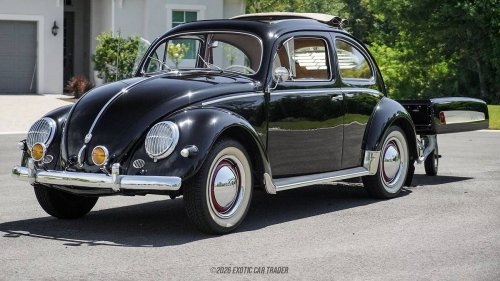
Semaphore turn signalsPrior to the tail-light turn signals that fill today's traffic, there were a few different designs that hit the market. The pre-1960 Volkswagen Beetle came equipped with semaphores, a unique way for the driver to let those around know which way they were turning.Semaphores are different from other traditional turn signals in several ways. Rather than being installed on the rear of the Bug, semaphores are attached to the door pillars of the car. When activated, the semaphore lifts up from the side of the car and lights up on the side the driver intends to turn. The retro, pop-out function of semaphores is an appropriately eye-catching feature on these older Volkswagen models and a testament to just how stylish Beetles have been throughout their history.The semaphore turn signal was a popular choice for pre-1960 vehicles, however, any older model vehicles on the road today have likely been upgraded to more modern turn signals to fit more modern driving requirements. Nevertheless, the semaphore is definitely one of the more remarkable attributes of the early Volkswagen Beetle.A flower vase dash attachmentWhile the Volkswagen Beetle is already adored for its unique bubble design, it's the addition of the "blumenvase," or "bud vase," that adds just the right amount of whimsy to make an already stand-out vehicle even cooler. The vase hit the market in the United States in the 1950s, and it stood out with designs from German porcelain manufacturers. It could be placed in several locations around the car and gave the car owner another way to make their car unique.Flower vases in cars weren't always such a novelty item. As early as 1895, flower vases were kept in cars so that the added floral scents would hopefully work hard and cover up any other unpleasant smells that may be in or around the automobile. What was once a rather pleasant way of trying to mask a few unpleasantries was transformed by the designers of the Bug into a simple and memorable customization option. These small flower vases were included as an option in many of Beetle's designs all the way up until 2011, when they were done away with for good. Older model bugs on the road may still be driving around with some pretty petals peeking out from their dash, though.Rear-window variantsWhen the Beetle was first designed, its rear window was smaller and more simplistic, although it was an integral part of its eye-catching design. This was the design of choice until the Beetle became available in the United States in 1949. When this happened, the VW's design was altered and the oval shape of the rear window was split down the middle, adding to the car's unique appearance.The split window design was produced until 1953, when it was transformed yet again. This time it was removed in favor of one larger oval window design. The larger oval window allowed for better visibility for the driver and more of a modern look for the Beetle. As the Beetle's popularity grew, so did the innovation behind it. Each new model was released with the intent to propel the little car forward, attract new customers, and retain current ones. By keeping the design unique and everchanging, the manufacturers of the Bug created a novelty that would last generations.A gas heaterThere's a long list of features on the Volkswagen Beetle that allowed it to grow in popularity and find its way into the hearts of millions. However, along with all that good came one or two additions that even the most passionate consumers were apprehensive about. The Volkswagen's gas heater was one of these additions.The heating system in the Beetle was done in a way that wasn't the most efficient, safe, or ideal for those riding in the car. A heat exchanger built into the car's exhaust system allowed hot air to be blown into the vehicle. Volkswagen did offer an alternative to this — a gas-powered heater that would blast hot air throughout the car and warm it up. Not many car buyers loved the idea of a gas-powered heater running in their vehicle, possibly for one flammable reason or another. Even though the heater was technically a safe option for VW owners, it was never a popular feature.A dash-mounted coffee makerArguably the most unique feature in Volkswagen Beetle history is the Hertella Kaffeemachine. A dash-mounted coffee maker. This VW accessory is so rare that hardly any are around today as evidence these caffeine-providing machines ever existed at all. This dash-mounted café on the go didn't require much power as it simply plugged into the car's cigarette lighter and began warming up to the appropriate brewing temperature. There were two porcelain cups included that featured metal bottoms to magnetically hold them to the coffee maker. Those who had their own Hertella Kaffeemachine back in its height of popularity would have paid a hefty price tag for a coffee brewing car accessory, at what today would be around $136. While coffee makers in cars aren't really a popular addition nowadays — and weren't necessarily back when they were an option on the Beetle, either — the novelty of a cup of joe on the go will never wear off.