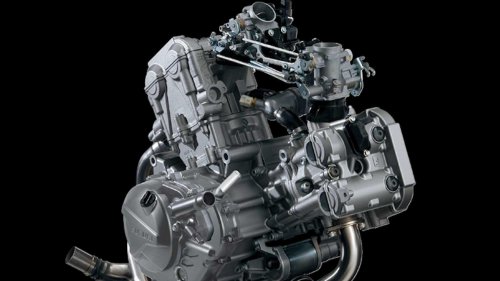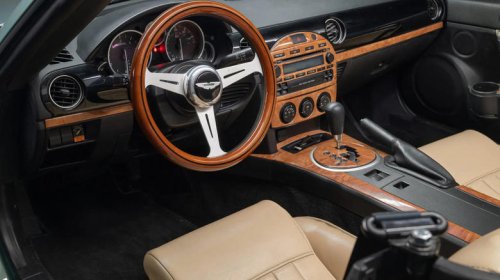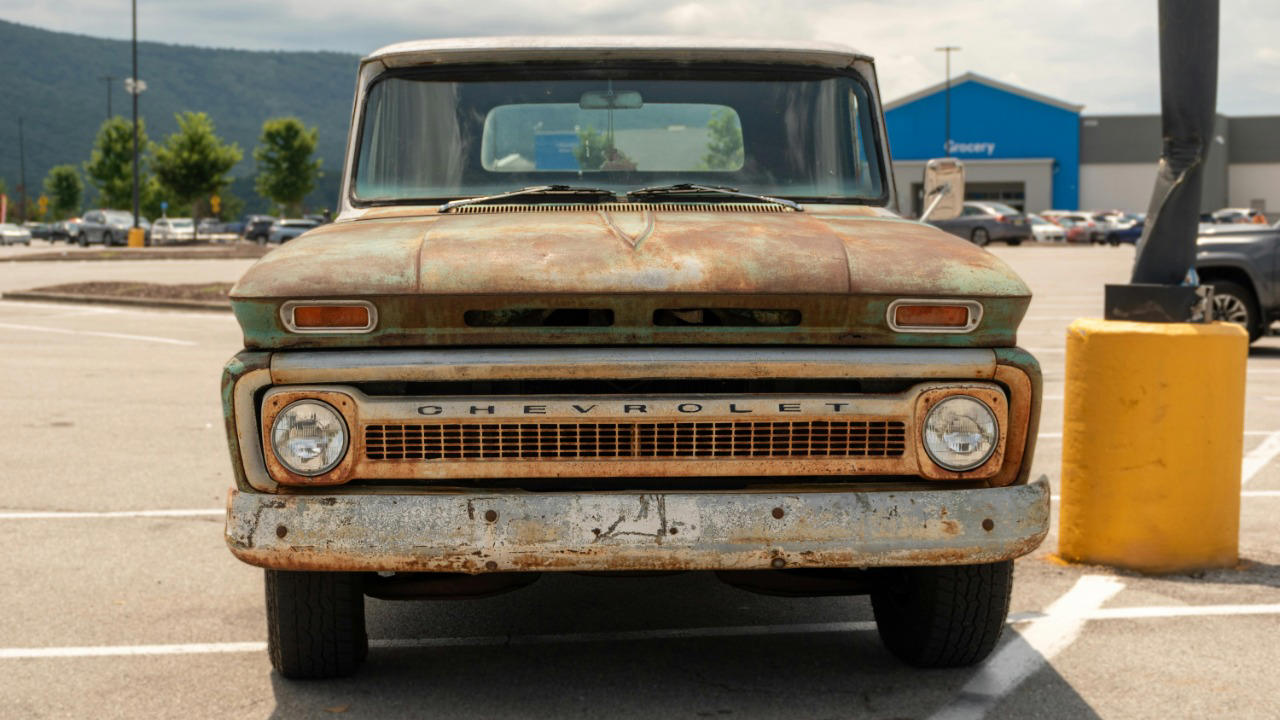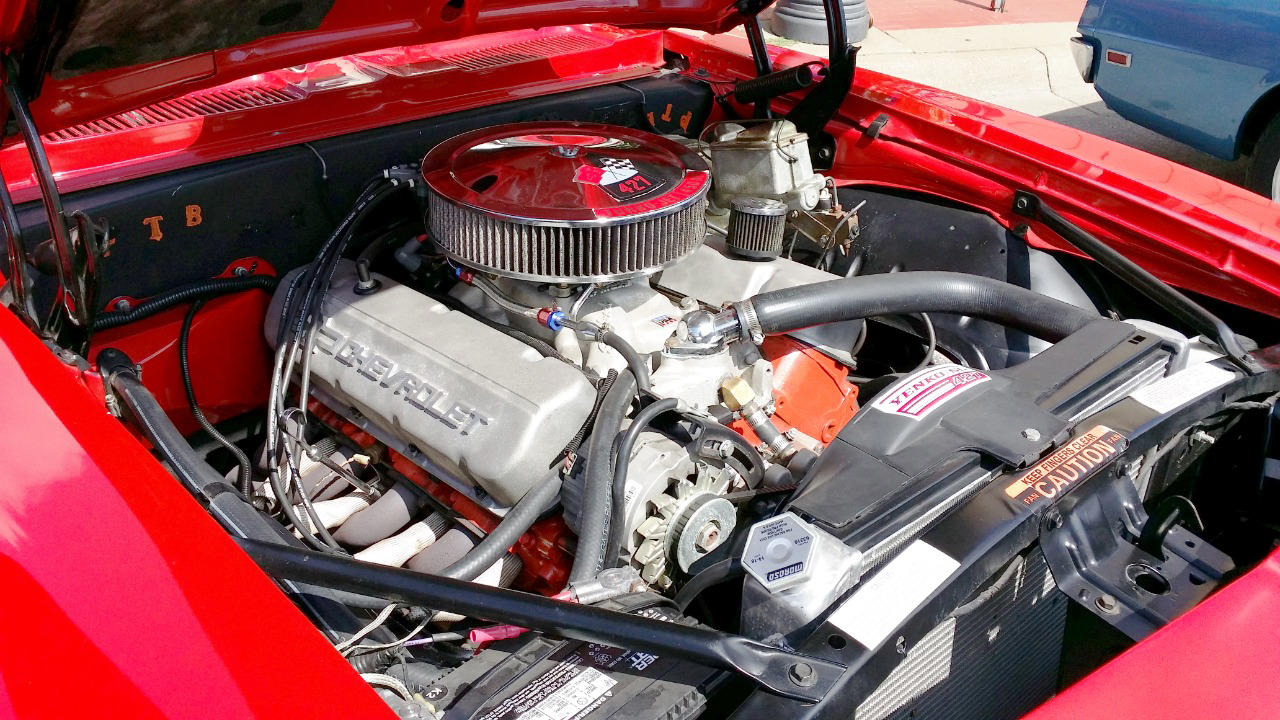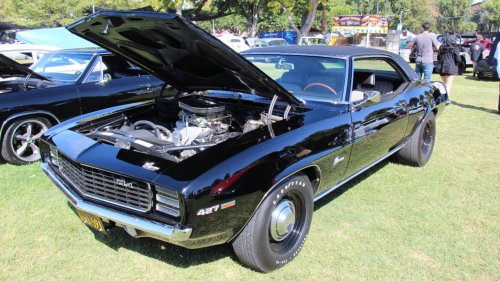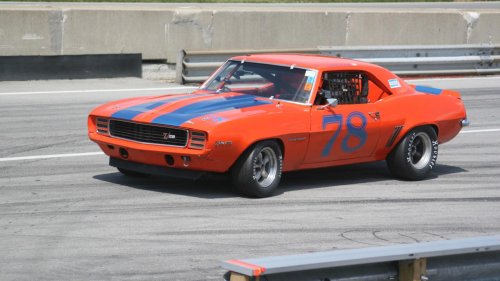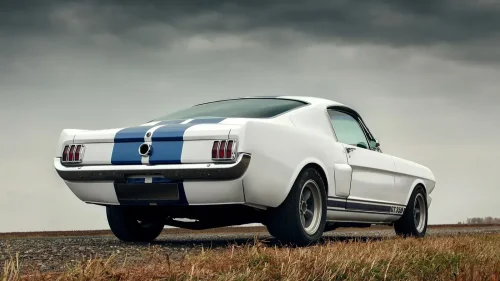



















Matching VINs vs upgraded drivetrains which one matters more nowThe debate between matching VINs and upgraded drivetrains has become increasingly relevant among car enthusiasts, collectors, and buyers. As the automotive market evolves, understanding which aspect holds more value can significantly impact investment decisions and ownership satisfaction. I will explore both sides to help readers make an informed choice. Understanding VINs A Vehicle Identification Number (VIN) is a unique code assigned to each individual vehicle, consisting of 17 characters that provide specific details about the car. This alphanumeric sequence serves various purposes, including identification, registration, and tracking of vehicle history. The VIN can reveal crucial information about a vehicle’s make, model, year of manufacture, and even its place of assembly. For classic and collectible cars, matching VINs are especially important. A vehicle with original components and the corresponding VIN can command a higher price in the market. Collectors often seek authenticity, and a matching VIN is a clear indicator that the vehicle has retained its originality, which can significantly boost its value. Additionally, matching VINs can influence insurance premiums, as insurers may offer better rates for vehicles with verified authenticity. The Significance of Upgraded Drivetrains An upgraded drivetrain typically includes enhancements to components such as the engine, transmission, and differential. Common modifications might involve swapping in a more powerful engine, adding performance exhaust systems, or installing high-efficiency transmissions. These upgrades are often undertaken to enhance the overall performance, driving experience, and reliability of a vehicle. Many modern vehicles benefit significantly from drivetrain upgrades. For instance, a Chevrolet Camaro from 2016 can see substantial performance improvements with a supercharger added to its V8 engine, increasing horsepower and torque. These enhancements not only make the car more enjoyable to drive but can also positively influence its resale value. Buyers increasingly seek vehicles that offer both performance and reliability, making upgraded drivetrains an attractive feature. Market Trends: Current Preferences Among Buyers Recent market analyses reveal a notable trend in buyer demographics regarding preferences for matching VINs versus upgraded drivetrains. Younger buyers, particularly millennials and Gen Z, are increasingly drawn to vehicles that combine performance and modern enhancements. For example, a generation raised on video games and high-performance vehicles often prioritizes upgraded drivetrains, viewing them as essential for an engaging driving experience. A recent auction of classic cars revealed that while some buyers still place a premium on matching VINs, others are willing to overlook this aspect if the car features significant performance upgrades. For instance, a 1970 Ford Mustang with a non-matching VIN but equipped with a modern engine swap attracted considerable interest due to its enhanced performance attributes. Online communities and social media platforms like Instagram and TikTok have amplified this trend, showcasing cars that emphasize modern performance over traditional authenticity. Case Studies: Classic Cars vs. Modern Vehicles In the realm of classic cars, having a matching VIN is often paramount. Take, for instance, the 1969 Chevrolet Camaro Z/28. Vehicles like these are highly sought after, and a matching VIN can dramatically increase their value. A Z/28 with its original VIN can fetch prices upwards of $75,000, whereas a non-matching example might only see offers around $50,000, despite similar conditions. Conversely, in the modern vehicle market, drivetrain upgrades can significantly bolster a car’s value. A 2019 Ford Mustang GT with a performance package, including an upgraded supercharger and a tuned engine, can command a higher resale price compared to a stock model. Reports indicate that such modifications can lead to appreciation rates that surpass those of stock vehicles. This trend illustrates how drivetrain enhancements can resonate with buyers looking for both power and modern driving experiences. Emotional vs. Practical Value The emotional attachment to original parts and authenticity plays a pivotal role in how collectors and enthusiasts perceive value. For many, a car is not just a mode of transport; it represents a connection to history and nostalgia. The allure of owning a vehicle with a matching VIN can evoke feelings of pride and satisfaction, as it signifies preservation of heritage and craftsmanship. On the other hand, the practical benefits of performance and reliability from drivetrain upgrades cannot be overlooked. For instance, a classic car with a modern drivetrain upgrade, like a 1967 Chevrolet Corvette fitted with a contemporary LS engine, marries the charm of vintage aesthetics with modern performance. This balance allows owners to enjoy the best of both worlds, driving a classic while benefiting from improved reliability and efficiency. Legal and Regulatory Considerations There are important legal implications surrounding VIN alterations, as tampering with a VIN is illegal and can lead to severe penalties. Each state has different regulations regarding vehicle modifications and VIN tracking, making it crucial for buyers and sellers to be aware of local laws. A vehicle’s VIN should match its title and registration documents, and any discrepancies can raise red flags during inspections or registrations. Additionally, drivetrain modifications can affect warranty coverage and compliance with emissions regulations. For example, a car modified with a high-performance exhaust system may no longer meet local emissions standards, potentially leading to fines or requiring costly adjustments. Proper documentation of modifications is essential for maintaining compliance and ensuring a smooth resale process. Buyers should always ask for documentation and receipts when considering vehicles with significant upgrades. Expert Opinions: What Do Collectors Say? Automotive experts often weigh in on the value of matching VINs, emphasizing the significance of authenticity in the collector car market. For instance, Keith Martin, a noted collector car expert and publisher of “Sports Car Market,” has stated that a matching numbers car generally commands a premium due to its authenticity. Collectors are often willing to pay a higher price for vehicles that can be verified as original, as they are seen as more valuable long-term investments. Conversely, performance enthusiasts often advocate for the benefits of drivetrain upgrades, arguing that the driving experience should take precedence over original parts. Many automotive influencers on platforms like YouTube regularly showcase upgraded vehicles, providing insights into how modifications can not only enhance performance but also create a more enjoyable driving environment. As the automotive landscape evolves, these differing perspectives contribute to an ongoing dialogue about value assessment. Future Outlook: What Will Matter More? As we look to the future, predictions about the automotive market suggest potential shifts in buyer preferences. With the rise of electric vehicles and hybrid technologies, traditional notions of value may evolve. For instance, a classic car with a matching VIN may still hold strong appeal, but the market may increasingly favor performance-oriented vehicles that integrate modern technology. The trend of electrification could also lead to a resurgence of interest in performance upgrades, as technology improves and new aftermarket components become available. Moreover, environmental regulations are likely to play a significant role in shaping buyer preferences. As concerns about emissions and sustainability grow, buyers may prioritize vehicles with upgraded drivetrains that offer improved fuel efficiency or reduced emissions. This shift could create a more nuanced discussion about what constitutes value in the automotive world, making it essential for both buyers and sellers to stay informed about market trends and technological advancements. Making an Informed Decision When considering a vehicle with VIN concerns or drivetrain upgrades, several key factors should be evaluated. First, research the specific model and its market value, paying attention to how matching VINs or upgrades have historically impacted prices. It’s also advisable to assess the quality and extent of any modifications made to the drivetrain, ensuring they align with personal preferences and driving style. Additionally, verifying the authenticity of a vehicle’s VIN and understanding the documentation surrounding any upgrades is crucial. Services like Carfax and AutoCheck can provide valuable history reports that detail a vehicle’s background, including any accidents, title issues, or modifications. Utilizing resources like these can help buyers make more informed decisions and avoid potential pitfalls. More from Fast Lane Only Unboxing the WWII Jeep in a Crate 15 rare Chevys collectors are quietly buying 10 underrated V8s still worth hunting down Police notice this before you even roll window down *Research for this article included AI assistance, with all final content reviewed by human editors.