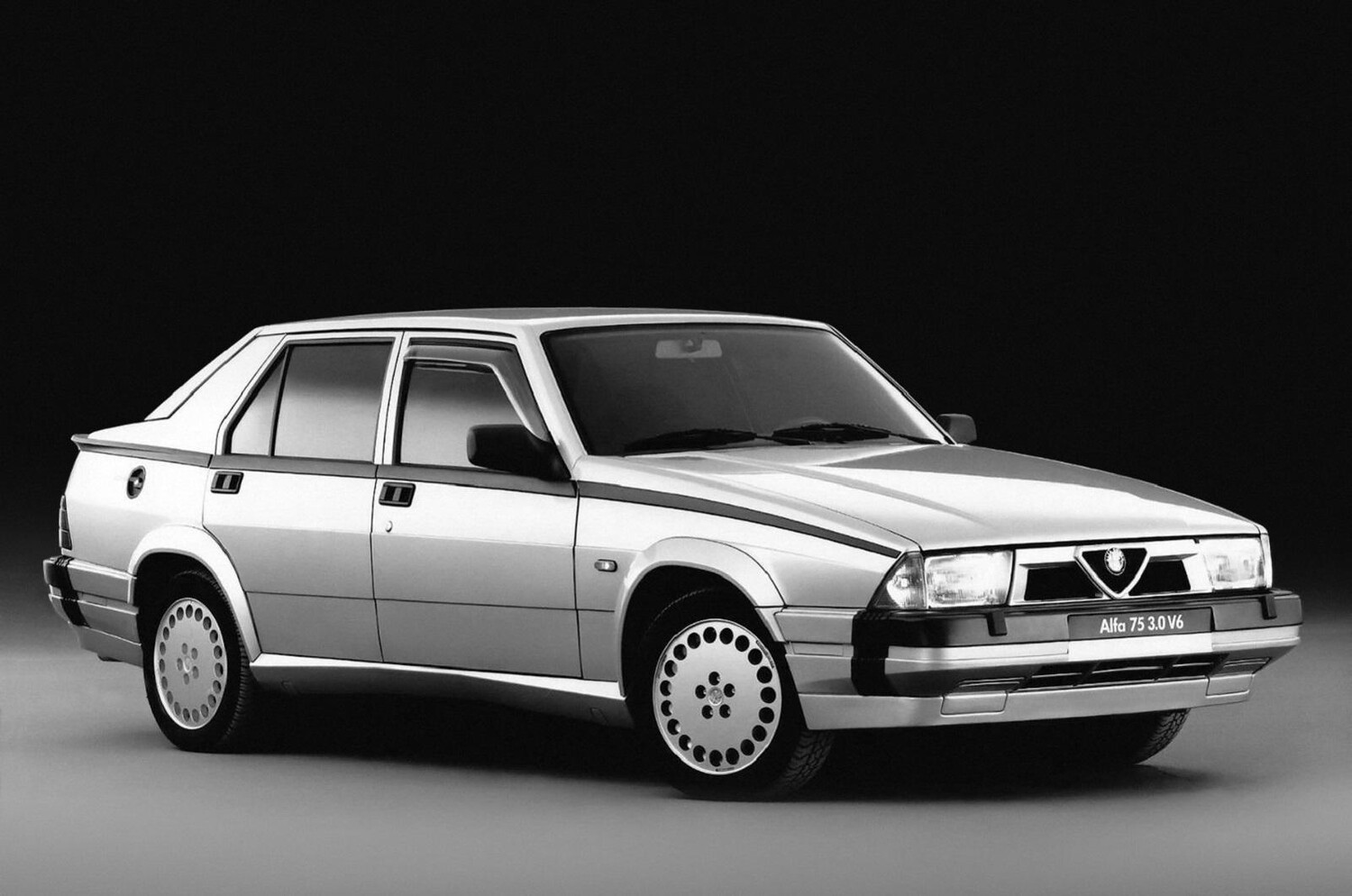
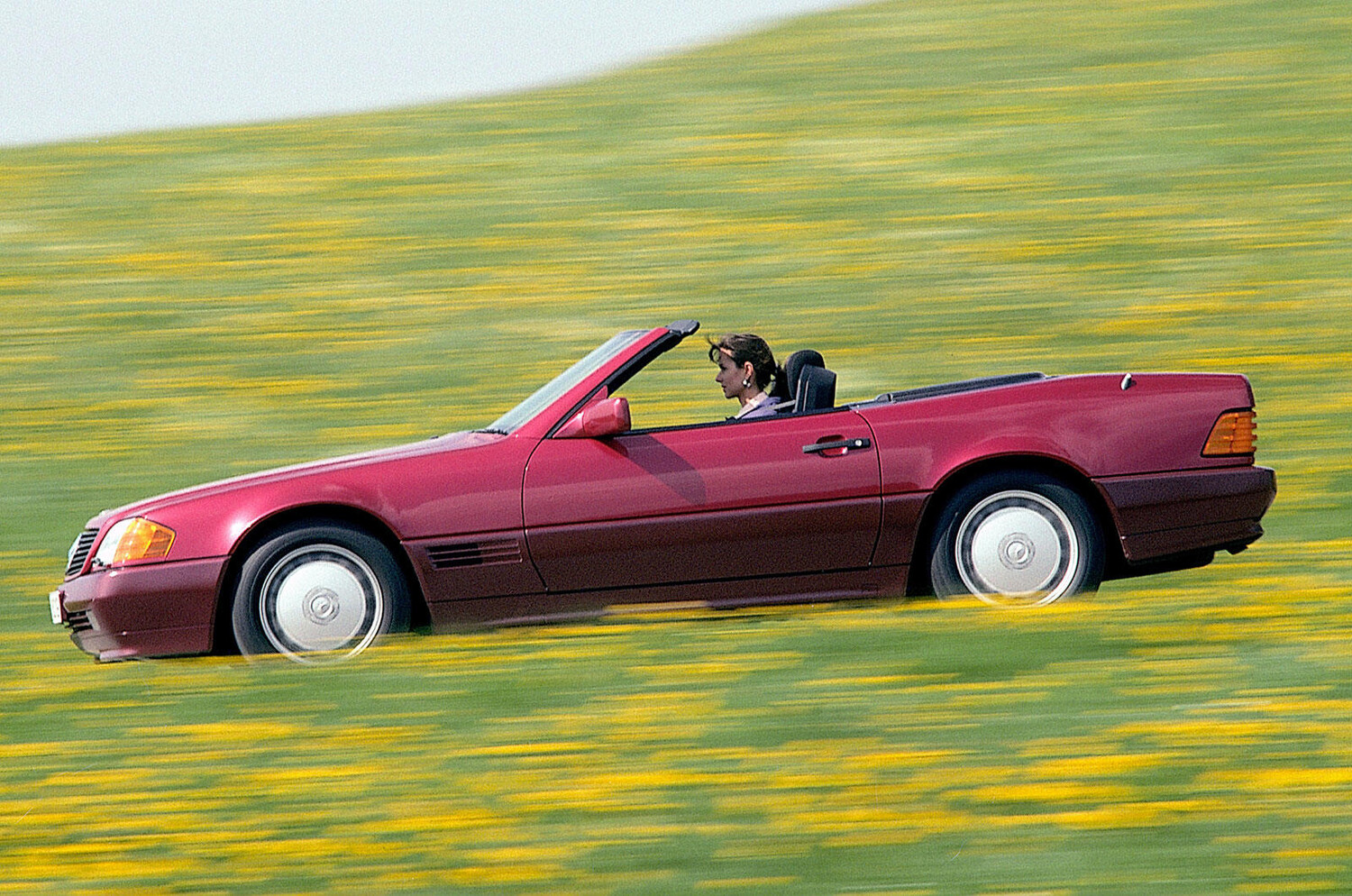
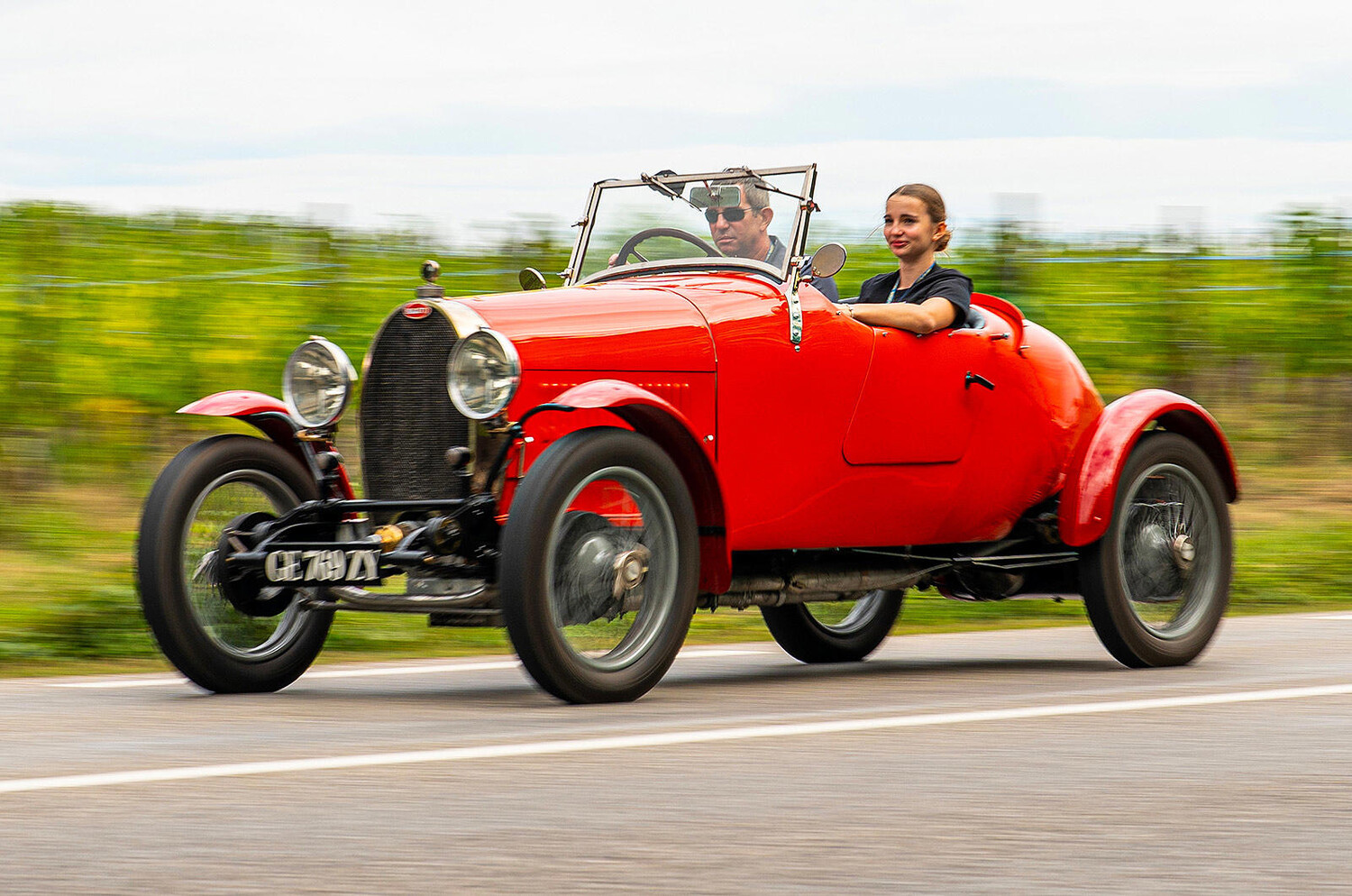
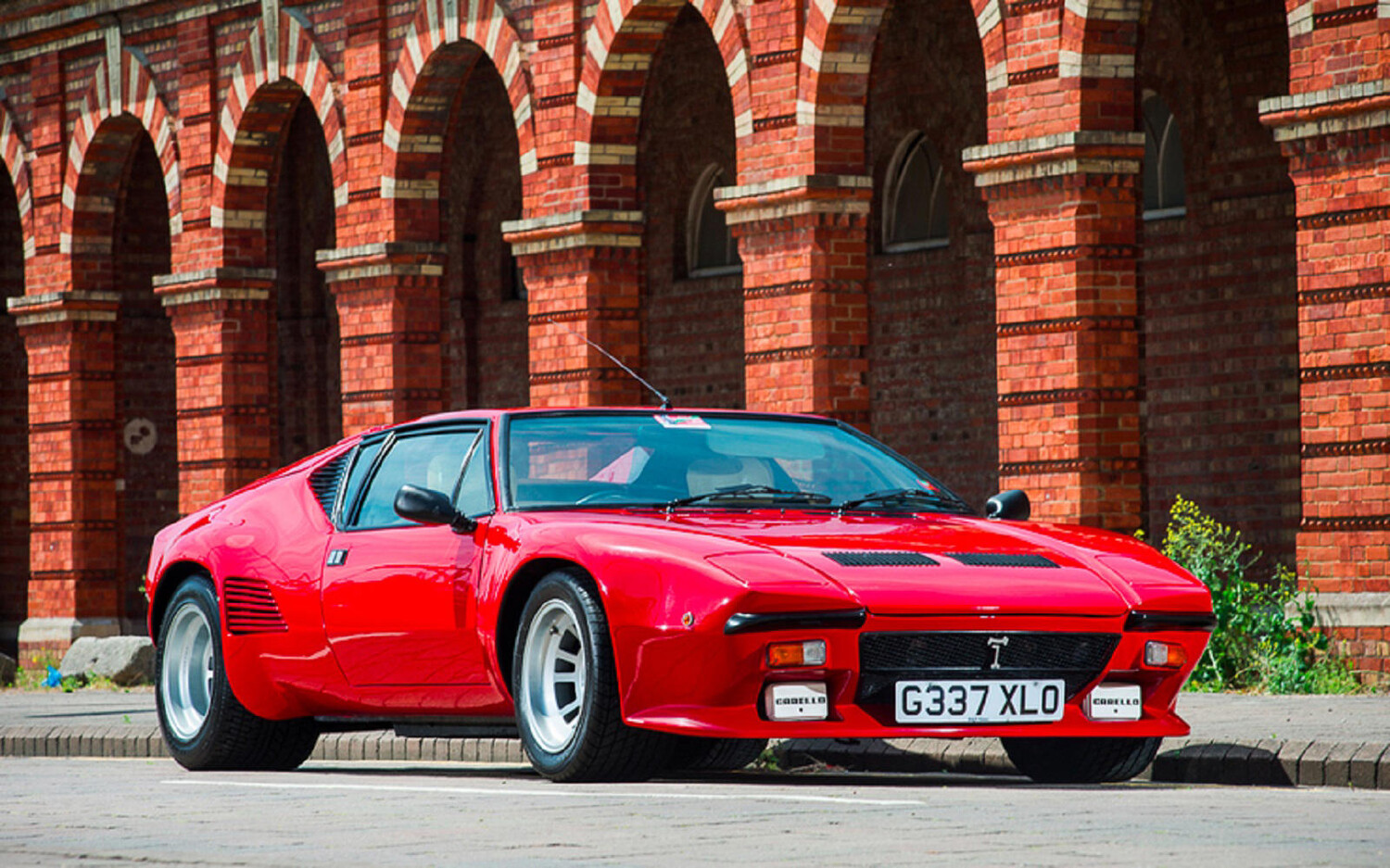
The Lotus Carlton looked like a family sedan from the Vauxhall showroom, yet it could top 176 mph. That is the whole appeal of a sleeper: ordinary sheet metal wrapped around hardware that has no business in a commuter car. The best ones fooled everybody at the stoplight. Restoring one is a different story. A sleeper hides its special parts, so a car that looks like a common sedan, wagon or pickup often depends on components that only a few thousand buyers ever owned. When those parts wear out, a donor from the scrapyard rarely helps. These eight are our picks for the sleepers we think are harder to bring back than they look. The judgment is our opinion. The production numbers, engines and special equipment behind it come from factory records, owners’ clubs, auction listings and period reviews. 1. 1993 Vauxhall Lotus Carlton Group Lotus built the Lotus Carlton and its Opel Omega twin at Hethel, England, from 1990 until production stopped in December 1992. Only 950 cars were completed across both badges. The twin-turbo 3.6-liter six made 377 horsepower, and the six-speed ZF manual came from the Corvette ZR-1. That is the easy part. According to Classic Trader’s Lotus Carlton buying guide, the suspension is mostly unique to the car, and the fibreglass body kit varied in quality. Lotus also drilled the original panels to fit it, which may have compromised the rust proofing. Brake pads and discs last well, but replacement parts are expensive. Our take: a Lotus Carlton looks like any Carlton until you need a part. Every one left the factory in a single color, Imperial Green, so even a respray has to be exactly right. Buy the most original car you can afford, because recreating one is a long and costly job. 2. 1993 Mercedes-Benz 500 E 6.0 AMG Hammer The 500 E was already a sleeper. Porsche helped engineer the W124-based sedan and hand-assembled chassis parts at its Reutter-Bau plant in Zuffenhausen, and Mercedes built 10,479 of them in all. The 6.0 AMG version went further still, with a bigger V8 rated at 381 PS instead of 320 PS. Here is what that conversion involved. Broad Arrow’s listing for a similar 1993 car describes a factory-finished 500 E that went to Affalterbach for AMG work. That meant an AMG exhaust, sport suspension, a 300 km/h speedometer, Recaro front seats and 17-inch AMG Aero I wheels. The AMG work alone cost nearly 71,000 Deutsche marks on top of a purchase price just under 159,000. Restoring a Hammer means proving and preserving every one of those AMG pieces. In our view, the paperwork matters as much as the parts. Without the AMG order form, a 6.0 is just a nicely modified 500 E. 3. BMW M5 3.8 E34 From the outside, an E34 M5 looks much like any other E34 5 Series. Underneath, the 3.8 version that arrived in January 1992 carried the S38B38, a 3,795 cc straight six that BMW Group Classic calls the biggest six-cylinder engine BMW ever built. It made 340 horsepower at 6,900 rpm and pushed the sedan to 155 mph. BMW built the 3.8 from December 1991 to July 1995. It cost DM 120,850 when new. We covered the earlier car in our look at the E34 M5 as a sleeper saloon, and the 3.8 only raises the stakes. Our take: the body shell is shared with everyday 5 Series cars, but the engine is a high-revving M six. A rebuild of a big M six is specialist work, so budget accordingly before you fall for a cheap one. 4. 1998 Volvo V70 R The first V70 R looked like a family wagon with nicer wheels. Curbside Classic’s review of the 1998 car lists a turbocharged 2.3-liter five-cylinder with 236 horsepower, full-time all-wheel drive and a four-speed automatic. The as-tested price was $42,165. The R also carried its own body and trim parts. That review mentions a front spoiler with integrated fog lights, flared front fenders and 16-inch five-spoke alloy wheels. It also notes saffron paint, plus a cabin with leather, wood or brushed-alloy trim and dual-zone climate control. Volvo’s broader R history is in our story on Volvo’s R cars. Our take: a regular V70 donor gives you doors and glass, not the R’s fenders, spoiler or drivetrain. Finding a clean saffron car is the real challenge, so start with the best body you can find. 5. 1994 Ford F-150 SVT Lightning The first Lightning hid its performance in an F-150 pickup. Hagerty’s buyer’s guide says Ford sold fewer than 12,000 in three years. Power came from a 240-horsepower 351 Windsor V8 with GT40 head castings, a new intake and tubular exhaust manifolds. Ford also paired it with the heavy-duty E4OD automatic, stiffer springs and sway bars, and 17-inch wheels. The color-matched grille, air dam and neon Lightning bedside decal set it apart. Those pieces are what separate a real Lightning from a tribute truck. If you want the full backstory, our feature on the SVT Lightning as an early sport truck covers it. Values have climbed, too. Hagerty notes a 1995 truck sold for $28,600 at Barrett-Jackson’s 2019 Palm Beach auction. In our view, the trim and engine parts are the hard part, because the plain F-150 they hide inside was everywhere. 6. Audi S4 Avant C4 The first Audi S4 started life as a sporty version of the fourth-generation Audi 100. According to Secret Classics, its turbocharged 2.2-liter five-cylinder made 230 horsepower and 350 Nm of torque. Quattro all-wheel drive came standard. Buyers could choose a five- or six-speed manual or a four-speed automatic, though the six-speed never reached the US. Then, in the fall of 1994, the 100 became the A6 and the S4 became the S6. That left the C4 S4 Avant with a short run under its original name. Our take: a turbocharged five with quattro is a complex package wrapped in a modest wagon body. When a part specific to the S4 wears out, an ordinary 100 Avant is little help, so look for complete, well-documented cars. 7. 1992 Ford Sierra Sapphire RS Cosworth 4×4 The Sapphire RS Cosworth 4×4 used the plain four-door Sierra Sapphire shell, and Ford assembled it in Genk, Belgium, from 1990 to 1992. The RS Owners Club puts approximate production at 12,250. Power came from the 1,993 cc YBG turbocharged 16-valve engine, sent through a Ferguson-patented four-wheel-drive system and an MT75 gearbox. The RS-specific parts list is long. It includes 7×15-inch RS alloy wheels and polyurethane spoilers, side sills and bonnet louvres. The club also lists RS front spring rates, a 30 mm front anti-roll bar and a 25% larger intercooler on the 4×4. Our take: the shell may look like a rep’s company car, but almost everything that makes it special is unique. Restoring one properly means tracking down correct RS parts, so a car with original panels and drivetrain is worth paying for. 8. Mercedes-Benz 190 E 3.2 AMG W201 The compact 190 E was Mercedes’ sensible small sedan, and the 3.2 AMG turned it into something else. Evo’s AMG history describes a 234-bhp 3.2-liter straight six, 0.6 liters bigger than the engine Mercedes thought appropriate for the car. It also marked the first time Mercedes dealerships sold an AMG directly, according to Evo. Before that, buyers went to AMG itself. In other words, the 3.2 AMG brought the tuner’s work into ordinary showrooms. Our take: an AMG-specific engine in a body shared with thousands of ordinary W201s is the definition of hard to restore. Common 190 E parts are plentiful, but the pieces that make the 3.2 AMG special are not. Buy one with its AMG history intact.