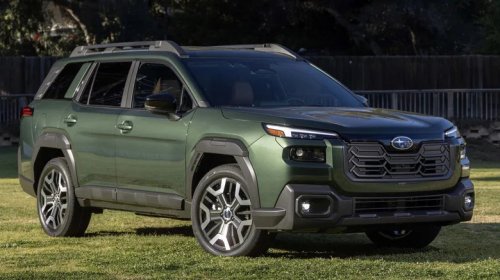
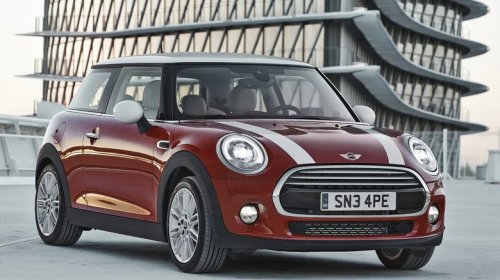
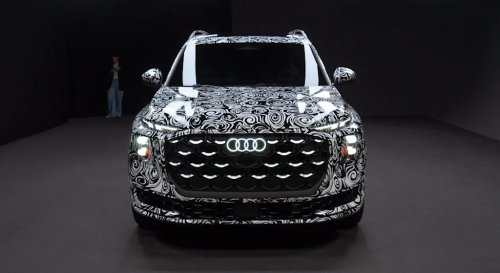
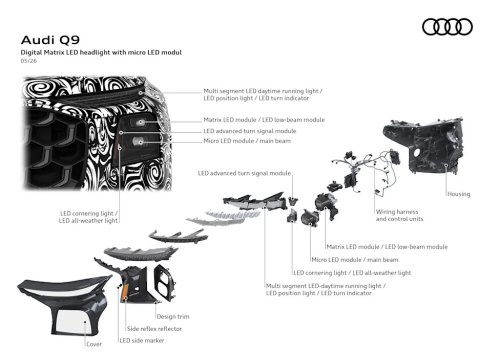
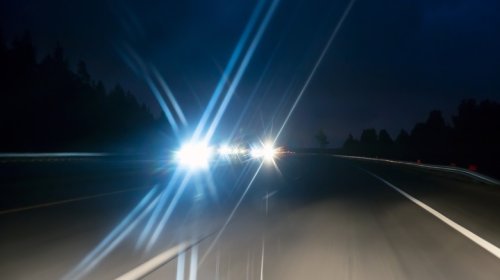
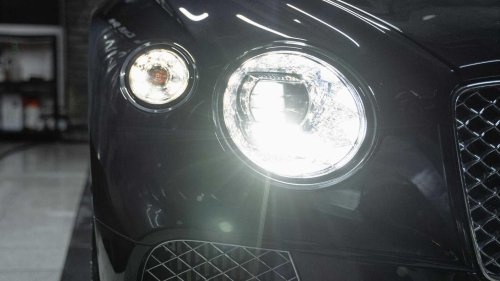
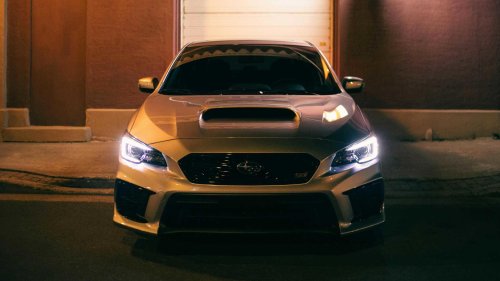
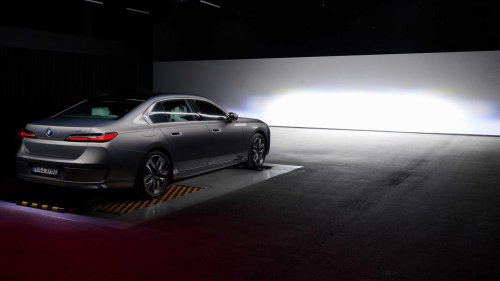
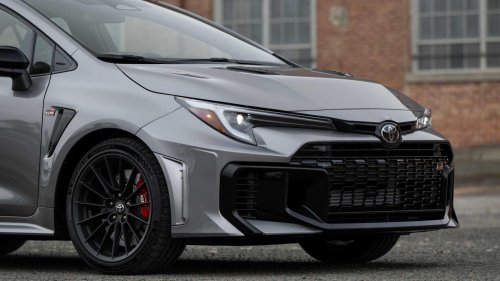
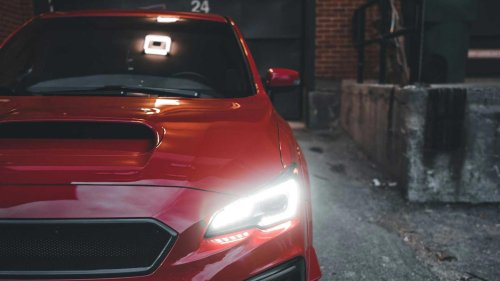
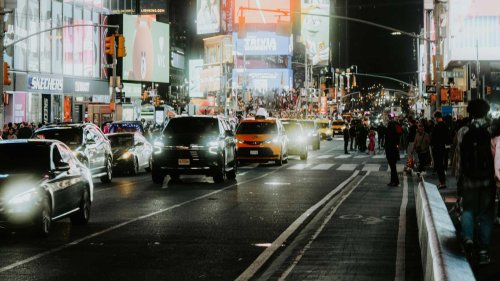
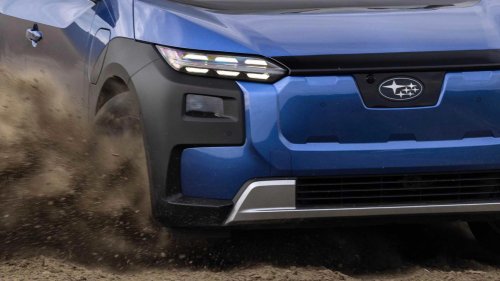
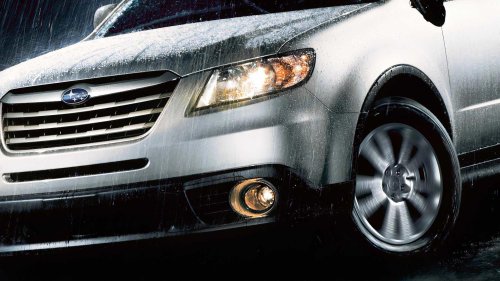
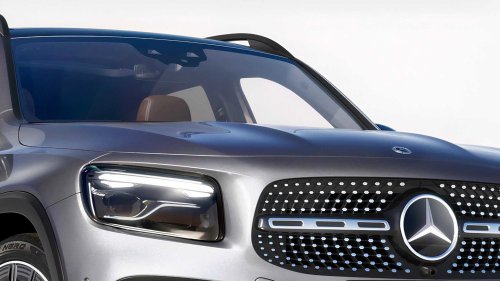
Jump LinksStandard LED HeadlightsAdaptive Driving BeamsWhen Are LED Headlights Legal?When Are LED Headlights Illegal?Brightness & VisibilityLifespansEnergy ConsumptionImagine this: you’re driving down a dimly lit road in your entry-level Nissan Versa, your halogen bulbs barely making a dent in the darkness. Suddenly, you're blinded by the searing white light of an oncoming vehicle with LEDs. This is a daily reality for many modern motorists, and it’s sparked heated debates and legislative scrutiny. The automotive industry’s shift to light-emitting diodes has revolutionized nighttime visibility, promising superior output and efficiency.Yet, in the US, this technological leap has outpaced regulatory frameworks, and it’s left drivers confused about what is permitted and what is prohibited. So, exactly how and where are LED headlights legal? And what does the law actually say about these systems?This article acts as a guide on LED headlights. Consumers are encouraged to read up on this vital aspect of modern motoring and ensure that their vehicles adhere to legislation. When Were LED Headlights Legalized In The US? Tima Miroshnichenko / Pexels The framework that makes LED headlights in the United States legal is a story of rapid engineering evolution bashing heads with sluggish bureaucratic mechanics. Having debuted with the Audi A8L W12 in 2005, factory-fitted LED systems have been perfectly legal for many years, provided they were originally engineered and certified by the automaker as complete, sealed, and integrated headlamp assemblies that were compliant with Federal Motor Vehicle Safety Standard (FMVSS) 108. The real legislative milestone, however, occurred very recently concerning "smart" lighting.For decades, the US lagged behind European and Japanese markets by rigidly prohibiting advanced matrix lighting architectures due to an outdated interpretation of high-beam and low-beam definitions. This finally shifted in February 2022 when the National Highway Traffic Safety Administration (NHTSA) issued a final rule amending FMVSS 108, officially legalizing Adaptive Driving Beam (ADB) technology. This mandate, accelerated by the Bipartisan Infrastructure Law, permitted automakers to deploy dynamic headlighting systems that actively shade out oncoming traffic while maintaining high-beam illumination elsewhere.“NHTSA prioritizes the safety of everyone on our nation’s roads, whether they are inside or outside a vehicle. New technologies can help advance that mission. NHTSA is issuing this final rule to help improve safety and protect vulnerable road users.”- Dr. Steven Cliff, NHTSA’s Deputy AdministratorDespite this progressive ruling for OEM applications, the federal framework remains archaic when it comes to aftermarket modifications. While factory setups advanced into the 21st century, the legislative text surrounding replacement bulbs remained tethered to halogen filament geometry, setting the stage for a massive compliance gray area that millions of drivers must navigate daily. Two Types Of LED Headlights Standard LED Headlights Are The Most Common Erik McLean / PexelsStandard LED architectures have become the default factory equipment across almost all modern passenger vehicles, all ranging from entry-level hatchbacks to premium SUVs. Unlike traditional setups that generate light by heating a tungsten filament, LED systems utilize semiconductor diodes to produce bright, highly focused illumination. The diodes are permanently integrated into a sealed assembly made up of meticulously calibrated reflectors and projector lenses that are designed exclusively for the light-emitting characteristics of the diode. Because the light source and housing are engineered as a cohesive unit, these standard configurations deliver a sharp cutoff line. While highly efficient, these are static systems, and the driver must manually switch between low and high beams. The New Kid: Adaptive Driving Beams BMW Adaptive Driving Beams represent the pinnacle of headlight engineering, at least to date. Rather than relying on a static beam pattern, ADB systems function as active safety equipment. They utilize high-resolution forward-facing cameras, steering angle sensors, and complex data processing software to continuously monitor the road environment. When the software detects an oncoming vehicle or a leading car in your lane, the system deactivates or dims specific diodes to cast a dynamic shadow over the other vehicle. The rest of the road, including shoulders and distant signage, remains fully illuminated by the equivalent of high beams. What The Law Says About LED Headlights When Are Your Car's LED Headlights Legal? Toyota Firstly, we must understand that the law regulates the complete headlamp assembly, not just the bulb. Under federal regulations (specifically FMVSS 108), LED headlights are strictly legal when they are installed as original factory equipment by the vehicle manufacturer. These OEM (original equipment manufacturer) systems undergo rigorous photometric testing to ensure the entire assembly - comprising the diodes, heat sinks, reflectors, and projector lenses - works in unison to deliver a compliant beam pattern.Complete aftermarket replacements can also serve as fully legal LED headlights. If you replace the entire factory halogen housing with a brand-new, sealed LED projector housing that has been independently tested and certified to meet all FMVSS 108 requirements, you are operating within the bounds of the law. These compliant complete housings are engineered to harness the intense output of light-emitting diodes and ensure that the light is directed cleanly onto the tarmac rather than scattered into the eyes of oncoming traffic. And When Are LED Headlights Illegal? Erik McLean / Pexels When drivers ask, "Can I put LED headlights in my car?", the market is oversaturated with misinformation, but the federal reality is uncompromising: aftermarket "drop-in" LED replacement bulbs installed into housings designed for halogen bulbs are strictly illegal under FMVSS 108. Why? Because it is fundamentally an engineering mismatch. Halogen reflectors and projectors are mathematically calculated to focus light emanating from a 360-degree cylindrical tungsten filament.An aftermarket LED bulb, consisting of flat diodes mounted on a central stalk, acts as a dual-sided point light source. When you drop this flat light source into a spherical halogen reflector, the optical geometry fails completely. The resulting beam pattern is chaotic, scattering intense light above the mandated horizontal cutoff line and producing a blinding glare that impedes other motorists.Despite packaging claiming to be "DOT Approved," the US Department of Transportation does not certify aftermarket replacement LED bulbs for halogen housings because no testing protocol exists for them. The federal standard states that a replaceable light source must match the physical and photometric parameters of the original equipment. While federal enforcement is virtually nonexistent and policing is left to state-level vehicle inspections, mounting these bulbs means you are operating a non-compliant, federally prohibited lighting system that actively compromises road safety. Headlight Etiquette On The Road Luke Miller / Pexels Regardless of whether your vehicle is equipped with archaic halogen reflectors or cutting-edge matrix diode technology, driver responsibility dictates safety. Headlight etiquette is not merely courtesy, but a critical component to prevent a crash. If you operate a vehicle with static lighting, you must manually dip your high beams when approaching oncoming traffic or closing in on a vehicle ahead. Failing to do so visually impairs other drivers. Proper headlight alignment is important, too, because even a perfectly legal factory LED system becomes a hazard if the vehicle is overloaded at the rear or if the suspension has been modified without re-aiming the headlamps.Five simple tips to exercise headlight etiquette on the road: Turn off your high beams well before approaching or following another car. Re-aim your headlights lower if you are towing, carrying a heavy load, or driving a lifted vehicle. Leave extra space when driving a tall truck or SUV so you don't blind the driver in front of you. Keep your fog lights turned off unless you are actually driving in fog, rain, or snow. Clean cloudy or yellowed headlight covers, so the light hits the road instead of glaring into oncoming traffic. LED vs Halogen: Here’s What To Know Brightness & Visibility Remains Key, Either Way 2026 Subaru TrailseekerHalogen bulbs operate by passing an electrical current through a tungsten filament encased in a halogen gas-filled quartz capsule. This process generates a relatively warm, yellowish light with an average color temperature resting between 3,000 and 3,500 Kelvin. In terms of raw luminous flux, a standard halogen low beam produces roughly 700 to 1,200 lumens. While this is sufficient for low-speed driving in the city, it struggles to efficiently brighten the road in deep darkness.LED architectures are dramatically superior in both volume and quality of light. By utilizing semiconductor chips to emit photons, these systems typically operate at a color temperature of 5,000 to 6,000 Kelvin, closely mimicking the spectrum of natural daylight. Drivers frequently ask, are 6000K LED headlights legal? Yes, provided they are integrated into a federally compliant housing that strictly controls the beam pattern without emitting excessive blue light. A factory-engineered LED low beam easily pushes 2,000 to 4,000 lumens. LED & Halogen Headlights Have Different Lifespans Subaru Halogen bulbs are inherently fragile. The tungsten filament degrades continuously as it burns, slowly thinning out every time the lights are activated. Because the filament is suspended within the glass capsule, it is highly susceptible to damage from road vibrations, severe impacts, and thermal shock. Consequently, the average halogen bulb boasts a relatively brief operational lifespan, typically burning out after 500 to 1,000 hours of use. For a daily commuter, this often means replacing bulbs every year or two.Because LEDs are solid-state components with no moving parts or fragile filaments to burn up, they are resilient against mechanical vibration and shock. Provided the assembly features an adequate thermal management system - such as aluminum heat sinks or active cooling fans to draw damaging heat away from the diode substrate - an OEM LED headlight unit is designed to last the entire lifespan of the vehicle. These systems can deliver between 15,000 and 30,000 hours of continuous, peak-performance illumination. Energy Consumption For Both Headlight Setups Porsche Halogen bulbs are known for their inefficiency. They operate as small heaters that happen to emit light as a byproduct. To generate their luminous output, a standard halogen headlight draws approximately 55 to 65 watts of power from the vehicle's electrical system. Shockingly, roughly 80% of that consumed energy is wasted purely as infrared heat, with only 20% successfully converted into visible light. This inefficiency places a continuous load on the alternator, which marginally impacts fuel economy in internal combustion vehicles.LED technology represents a massive leap in electrical efficiency. The semiconductor process converts electricity directly into photons with minimal thermal waste at the emitting surface. A high-output LED low beam typically requires only 15 to 20 watts to generate double or triple the lumens of a 55-watt halogen counterpart. This dramatic reduction in current draw eases the burden on the vehicle's charging system. Conclusion: Why LEDs Should Be Your Go-to Mercedes-BenzUpgrading from halogen technology is no longer just an aesthetic choice, but an active investment in your safety on the road. The superior brightness, extended lifespan, and energy efficiency make LEDs the undisputed standard for modern automotive engineering. However, the regulatory landscape demands careful navigation. Instead of risking the glaring hazards and legal liabilities associated with illegal aftermarket drop-in bulbs, drivers should invest in complete, DOT-compliant housing assemblies or prioritize factory-installed LED packages when purchasing a new vehicle.



















 +34 others