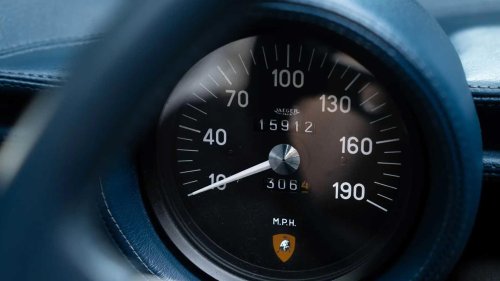
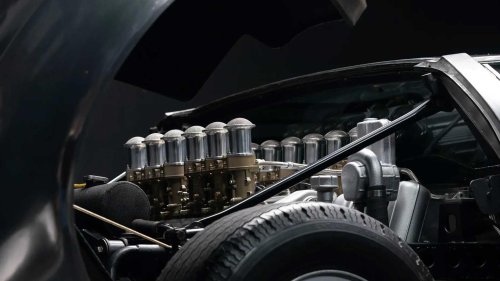
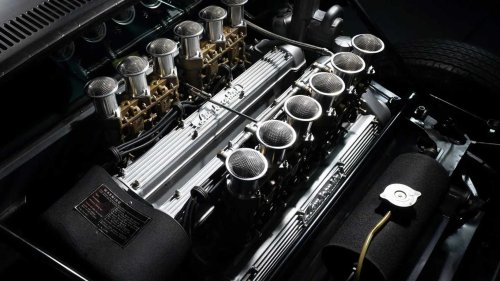
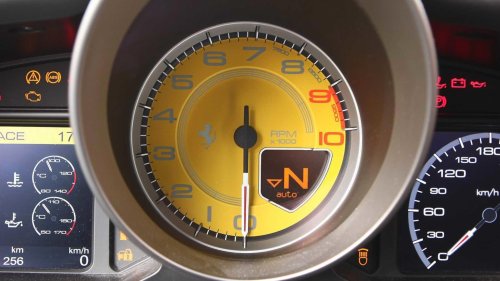
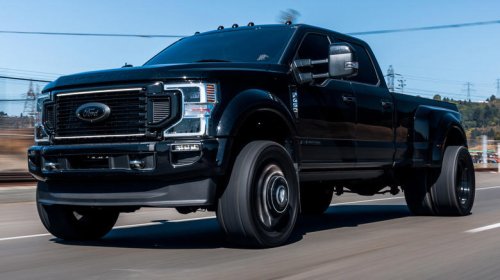
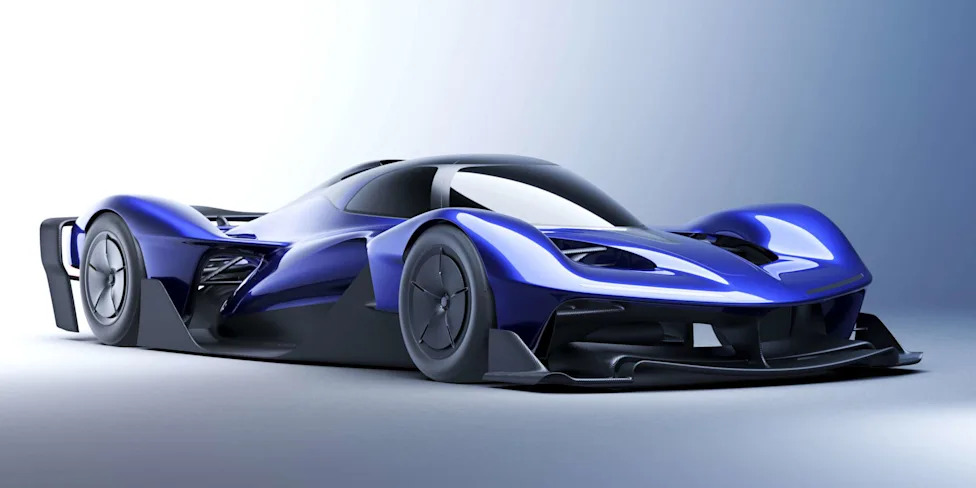
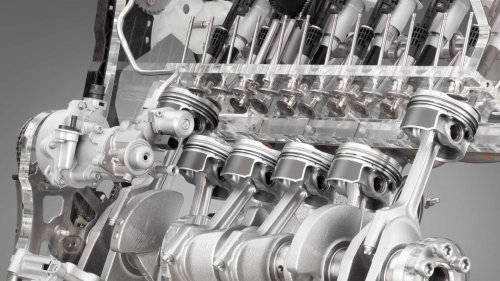
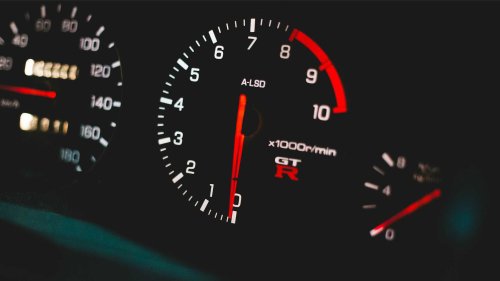
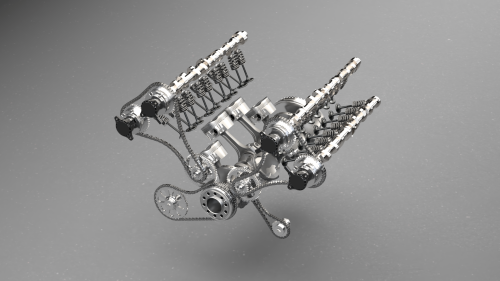
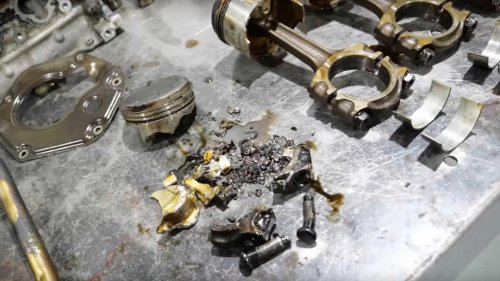
Jump LinksThe Internal Combustion Engine: Just An Air PumpA Measurement Of Engine SpeedRecipe For High RPM'sPushing The LimitsWhat is the RPM profession?What does 1,000 RPM mean?What is the normal RPM for a car?When discussing speed in relation to a car or truck, the conversation usually refers to miles per hour a vehicle can travel, as seen on a speedometer. However, aside from the vehicle, the engine too has a speed of its own. This engine speed is called revolutions per minute, or rpm. The definition of RPM is the measurement of how many times an engine's crankshaft makes one complete rotation within one minute. Engines like the one found in the Lamboghini Temerario can achieve up to an astounding 10,000 RPM while engines like the 6.7 Cummins diesel will only spin to around 3,000 rpm. In this article we will explore engine rpm and its role in horsepower and torque production.Not all engines operate in the same rpm band. The numbers below are presented as average rpm in normal driving conditions, unless expressed otherwise. Not all engines will experience catastrophic engine failure due to overrevving. That is a worst-case scenario. Always check your oil - always. Engine Operation 101 BMW The Internal Combustion Engine: Just An Air Pump At its very core, an engine is just an air pump. Sure, there are a lot of other things going on, especially in a late-model engine, but if you peel back all the layers of this onion, every internal combustion engine does the same thing. Air gets pulled in, compressed and pushed back out all in the name of power production. This is all achieved by a set of pistons mounted on connecting rods, that are all attached to and rotate a common crankshaft. This is what makes up the rotating assembly that resides within the engine block. The movement of the pistons within the cylinder bore of that block, compressing a mixture of fuel and air that is then ignited, forces the piston down within the cylinder, rotating the crankshaft. This measured action happens hundreds to thousands of times within one minute, converting piston movement into rotational force. In a standard internal combustion engine, this gets broken down into four cycles, or strokes of the piston. Intake, compression, power and exhaust, in that order, spinning the crankshaft. This is the mechanical action of horsepower and torque production. Of course, that's a very simplified explanation. In reality, the engine is a well orchestrated series of combustion events and physics involving a plethora of precision-made engine parts working together, in time - to achieve a common goal without self-destructing.Key engine components include:Engine blockCrankshaftConnecting rodsPistonsCamshaft Heads Valves (intake and exhaust) Push rods Valve springs Lifters Timing components Intake manifold Exhaust manifold Fuel delivery (carburetor or fuel injectors) Spark plugs Distributor or coil packs The Heartbeat Of An Engine Erik McLean/Unsplash A Measurement Of Engine Speed Engine rpm is often equated to the heartbeat of an engine. If the rpm is too low, the engine shuts down, while very high rpm can put the engine t risk of severe damage or, in the worst cases, total destruction. In a performance capacity, it's crucial to keep a watchful eye on the speed of the engine as over revving can be damaging to the engine. The tachometer is a gauge used to monitor the speed of an engine. Depending on the vehicle, a tachometer can get its rpm reading in different ways. One method includes a signal from a simple hall effect style pick - up and a wheel. These are usually mounted somewhere near the balancer, or the main crank pulley with the wheel mounted next to the balancer on the snout of the crank. Otherwise, engines use crank position sensors mounted in roughly the same location, and send a signal to the car's computer, ultimately sending the engine speed signal to the tachometer.One term thrown around a lot when referring to engine rpm is "redline." The term redline is used for the red hash marks on the face of the tachometer that indicate an unsafe engine speed or rpm. Most daily driven engines found in the family minivan or pick - up truck operate between 1,500 and 3,000 rpm under normal driving conditions, with a redline of around 6,000 rpm on average. In the world of high performance, an engine rpm can easily double that. The FIA, the governing body for international motorsports, limits modern F1 cars to 15,000 rpm. It is noted that for fuel efficiency reasons, most drivers operate in the 10–12,000 rpm range, which is still amazing considering all the things happening inside an engine, especially at that rpm. How Does RPM Affect Power? BMW There are a multitude of characteristics in an engine that directly affect one another. Cylinder bore and piston stroke affect both rpm and engine output. An engine has a limited range that it can safely and effectively operate in. On the low end, at idle, an engine will typically run at around 600–1,000 rpm. At this speed, the engine isn't producing a lot of power and since there is minimal load being put on the engine, a lot of power isn't necessary. Every engine has a range of rpm that is most efficient and/or produces the most power. This range of rpm is called the engine's power band. Peak horsepower and torque can also be observed at an even more specific range of rpm: 350 horsepower @ 5,600 rpm, for example. Recipe For High RPM Generally, an engine that is oversquare can achieve a higher rpm, and rev quicker as well. An oversquare engine means that the cylinder bore is larger relative to the piston stroke. An oversquare design is beneficial for high rpm and horsepower production due to a few factors. The shorter stroke of an oversquare engine design allows less distance for the piston to travel, lowering inertial forces and reciprocating mass. These two attributes lend to a faster revving engine. Typically, more rpms will create more horsepower because of the higher number of combustion events happening in that rpm range. Additionally, a larger cylinder bore offers better volumetric efficiency and allows for larger intake and exhaust valves that can help move more air through the engine. This is important because as rpms go up, torque tends to taper off due to breathing constraints. Other factors like mechanical limits being reached, and overall efficiency drops, compound the torque loss at higher rpm.McLaren Conversely, an undersquare engine has a larger stroke in relation to its cylinder bore. In this scenario, not only does the piston have more traveling to do in the cylinder, but there is more reciprocating mass and inertial force at play. However, the longer stroke of an undersquare engine applies a greater leverage upon the crankshaft, thus producing lots of low - end torque. Since the undersquare design doesn't reach high rpms, horsepower output does suffer. But undersquare engines that spin lower rpm are known to be more efficient. Pushing The Limits Just like a car has a top speed, an engine too has a maximum number of revolutions that it should not exceed. When an engine is overrevved - hitting an rpm that is too high - it is at risk of severe damage or, in the worst cases, total destruction. A lot of things can go wrong quickly at such high engine speeds, and inertia can play a large part in catastrophic engine failure. As previously mentioned, when an engine reaches its redline, it is at its physical limits of operation. Pushing the engine past this crucial rpm range can be detrimental to the engine's health. The internal components of an engine are both robust and fragile at the same time. Basically, they're good until they're not.I Do Cars / YouTube Crankshafts, connecting rods, pistons, and engine bearings are all designed to work within a certain parameter. With higher RPM's come additional heat and stress on these key parts. Running an engine at the edge of its capabilities for an extended amount of time will potentially cause overheating, valve float, and mechanical fatigue, as key components are pushed beyond their design limits. In some cases, lubrication is hindered at dangerously high rpm, exacerbating an already critical situation. It's paramount to know the limits of an engine for reasons such as longevity, overall engine health, and for performance applications."Maximum is 12,500 RPM. Get to 12,600, you break the engine; if you only get to 12,400 you're too slow."- Nicki Lauda, F1 Driver FAQs What is the rpm profession? The term rpm profession is not widely adopted by anyone or any part of the automotive industry. But it could easily be used to describe the engine building profession. Professional engine builders are not only experienced machinists, but highly knowledgeable in the ways of building an engine for optimal horsepower and torque production. What does 1,000 rpm mean? 1,000 rpm means that the crankshaft is spinning a thousand times per minute inside an engine. What is the normal rpm for a car? Even though car and truck engines are different from one manufacturer to another, they all typically have the same normal operating range of rpm, which is 1,500–3,000 rpm under normal driving conditions.




















 +64 others