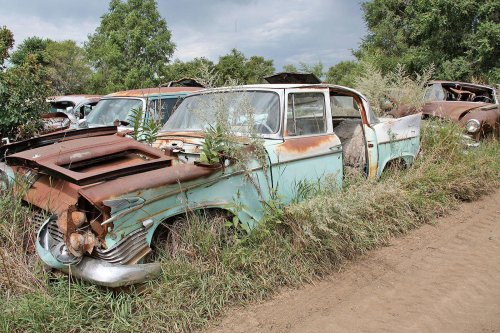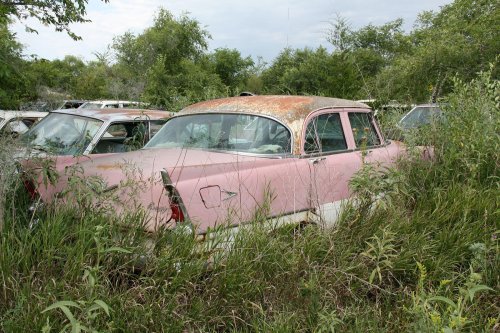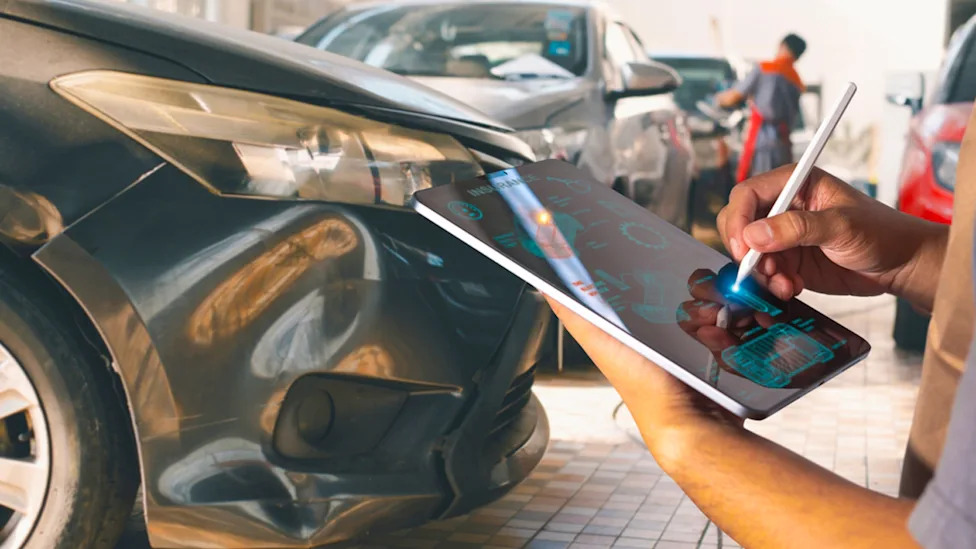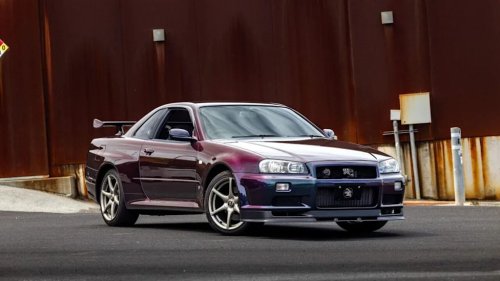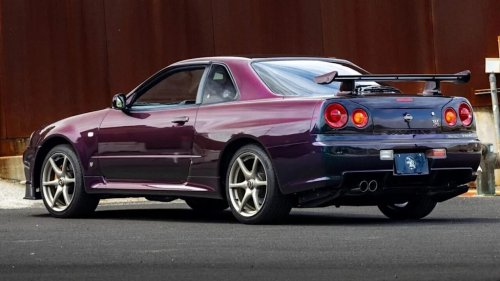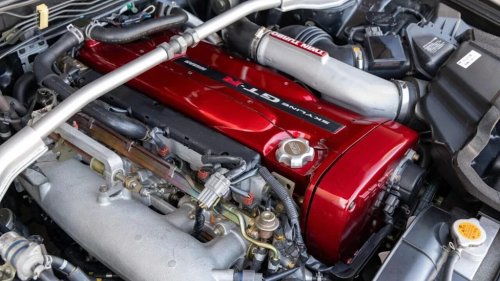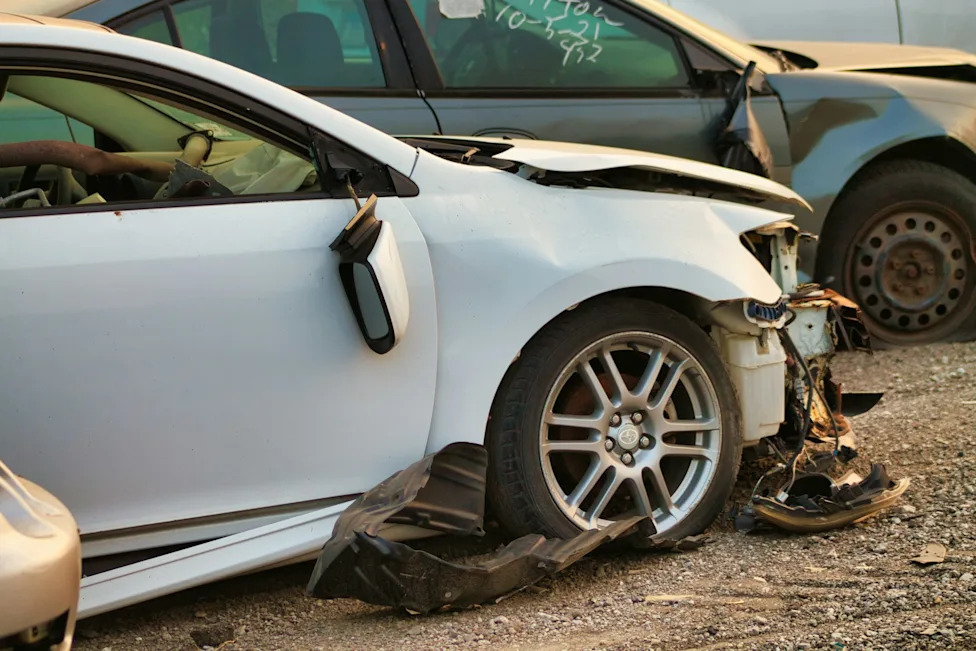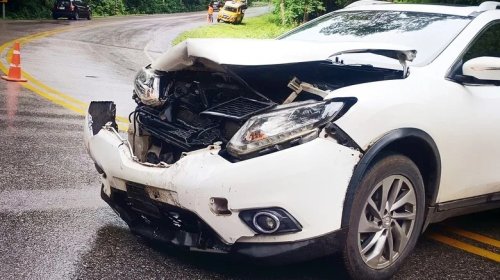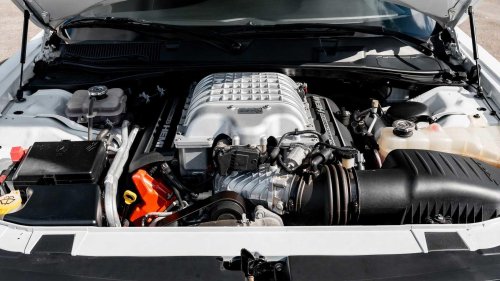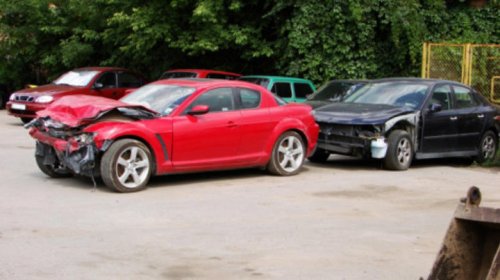
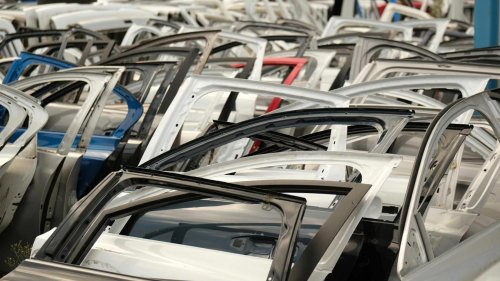
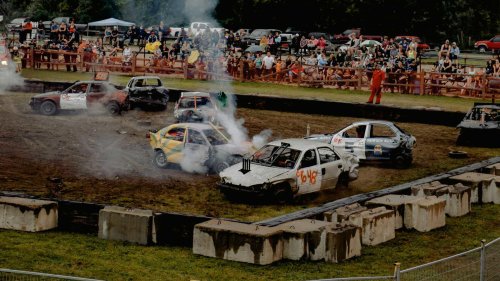


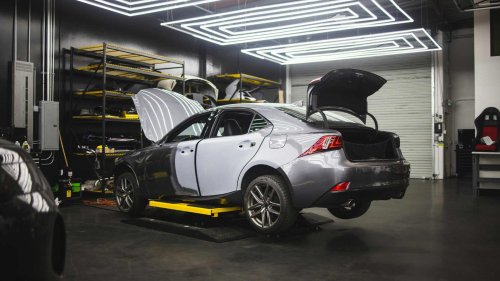
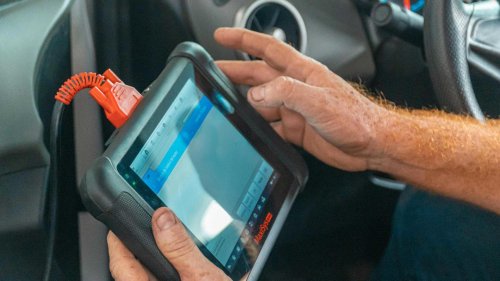
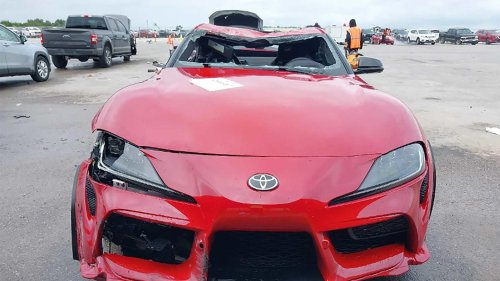



















Jump LinksThe Mechanics Of The "Total Loss" Designation#1: Stripped For Its Parts#2: A Project Car Is Likely The Most Rewarding#3: An Inexpensive Way To Acquire A Track Car#4: Low-Cost Transportation#1: Green Light For Insurance#2: Safety & Structural Integrity#3: Resale Value Virtually Non-ExistentThe Pros You Need To UnderstandThere Are Cons To DiscussWhy should I not buy a salvage title?Can I drive a car with a salvage title in Indiana?What's the difference between a rebuilt title and a salvage title?The allure of a deeply discounted vehicle is an undeniable force, drawing thousands of buyers into the murky waters of the second-hand market every year. You spot a high-end luxury vehicle priced at a fraction of its Blue Book value, only to scroll down and spot the red flag: the title status. Before you transfer a single dollar, you need to understand the precise salvage title meaning. This isn't merely a clerical designation; it is a profound legal and structural warning that fundamentally alters how you should approach a vehicle.A salvage title legally means that an insurance company has deemed the vehicle a total loss, likely - and typically - because the cost of repairs exceeds its pre-crash or pre-flood market value. So, if you are asking yourself, "What does salvage title mean for my daily commute?", the answer is rooted in risk mitigation and compromised asset valuation. Let’s explain.This article is not a justification for or an against to salvage title vehicles, but an explanation of what it means and what buyers should be aware of. What Is A Salvage Title Vehicle? The Mechanics Of The "Total Loss" Designation Aleksandr / Pexels A salvage vehicle represents an economic threshold crossed. When a vehicle sustains severe damage - be it from a collision, a hurricane-induced flood, fire, or even deep-rooted vandalism - an insurance provider calculates the necessary repair costs against the Actual Cash Value (ACV) of the car. If the repair costs surpass a legally mandated threshold (often between 70% to 90% of the ACV, depending on state jurisdiction - although some sources indicate a wider variation), the insurer declares it a total loss. If, for example, a vehicle’s ACV is $20,000 and the state’s threshold is 75%, repair estimates exceeding $15,000 will automatically trigger the total-loss protocol. The insurer pays out the claim to the owner, takes possession of the wreck, and the state's Department of Motor Vehicles (DMV) strips its clean title and replaces it with a salvage certificate.This legal branding is permanent, meaning there is no way for anyone to reverse the new certificate. The salvage title serves as a warning to all future buyers that the vehicle has suffered structural or systemic trauma. Moreover, a car bearing this title cannot legally be driven on public roads, nor can it secure standard registration. And even if it undergoes a rigorous rebuilding process to get it to road-legal status, the ghost of its salvage status remains permanently linked to its Vehicle Identification Number (VIN) history. Common Uses For A Salvage Title Car #1: Stripped For Its Parts Aziz Er / Pexels The most sound application for a salvaged vehicle is to dismantle it. Auto recyclers, salvage yards, and private mechanics acquire these total-loss assets specifically to strip them of high-value, undamaged OEM (Original Equipment Manufacturer) components. A rear-end collision, for example, might destroy the trunk and frame, but leave a pristine, low-mileage engine, transmission, and front-end electronics entirely intact. Scavenging these parts provides a highly lucrative margin for profits and a cost-effective solution for consumers needing expensive replacements. For a mechanic, a salvage car is not a vehicle; it is gold, and the currency is inventory. Harvesting doors, quarter panels, airbags, and complex sensor systems from a salvaged asset bypasses the exorbitant markups of dealership parts departments. #2: A Project Car Is Likely The Most Rewarding For purists and enthusiasts, a salvage vehicle offers a deeply discounted way for extensive custom project builds. When the objective is to heavily modify a chassis, execute an engine swap, or completely rebuild a vehicle from the ground up, starting with a clean-title car is often a financially poor choice. A salvaged chassis, however, provides the architecture required for a build at a fraction of the cost. Restomod creators, custom hot-rod builders, and off-roaders intentionally seek out these depreciated assets. The ultimate value of a project car lies in the aftermarket engineering rather than its factory resale value. The “salvage” title is rendered largely irrelevant to the builder's end goal. #3: An Inexpensive Way To Acquire A Track Car motorsport car crashMotorsport is an expensive hobby, which is why salvage vehicles become the right economic choice for dedicated track cars. Building a vehicle for drifting, autocross, or wheel-to-wheel circuit racing requires stripping the interior, installing a roll cage, and pushing the powertrain to its absolute thermal and mechanical limits. Purchasing a legally totaled vehicle with cosmetic or non-critical structural damage allows racers to bypass the heavy depreciation curve of track days that a clean title car would experience. The funds saved by purchasing a salvage title can be reallocated toward high-performance suspension setups, aerodynamic aero-kits, and specialized racing tires. #4: Low-Cost Transportation Operating a salvaged vehicle as a daily commuter is the highest-risk, highest-reward scenario. However, this is only viable if the vehicle passes the strictly regulated requirements. To legally transition a salvage car back to public roads, it must be fully repaired and pass a stringent, state-mandated structural and safety inspection to obtain a "Rebuilt" title. However, this demands critical assessment because you are essentially betting against the insurance company. The viability of acquiring a salvage title car with the intent of using it daily hinges entirely on verified, documented repair protocols and successfully navigating the DMV’s processes. The Challenges With Salvage Title Vehicles #1: Green Light For Insurance Antoni Shkraba Studio / Pexels Securing comprehensive insurance for a vehicle with a salvaged or rebuilt history is a massive hurdle that must be overcome—let alone the hoops you have to jump through—as actuaries and underwriters view these assets as statistical liabilities. Because the vehicle has already been declared a total loss, determining an accurate replacement value for a second payout is inherently problematic. Most mainstream insurance carriers will flatly refuse to offer collision or comprehensive coverage on a rebuilt title, which restricts the owner to bare-minimum liability insurance. In other words, if you cause an accident, or if the car is stolen or damaged by weather, you absorb 100% of the financial loss. Even when specialty insurers agree to underwrite full coverage, the premiums are typically heavily inflated. #2: Safety & Structural Integrity The structural integrity of a repaired salvage vehicle remains the most critical unknown variable. Modern automotive architectures rely on highly engineered crumple zones designed to absorb kinetic energy during impact. Once these high-tensile steel structures are compromised, they rarely return to factory safety tolerances, even after professional frame-straightening. Water damage from floods can introduce microscopic corrosion into the vehicle's electrical harnesses, leading to delayed failures of vital safety systems like airbags, ABS braking, and autonomous collision avoidance sensors. If the rebuilding process was executed with substandard aftermarket parts or rushed labor, the car becomes a hidden hazard. #3: Resale Value Virtually Non-Existent Image: Antoni Shkraba Studio / Pexels From a purely financial perspective, a salvage title is a permanent anchor on a vehicle's liquidity. The depreciation curve for these vehicles is brutal and inescapable. Even after a flawless, fully documented restoration and transition to a Rebuilt title, the market will continue penalizing the vehicle. Dealerships will almost universally refuse to accept them as trade-ins, as they cannot be financed through traditional lending institutions or sold as Certified Pre-Owned (CPO) vehicles. Consequently, you are restricted to the volatile private seller market, where educated buyers will demand extreme discounts. The Pros & Cons Of A Salvage Title The Pros You Need To Understand Auto Records / Pexels Despite the inherent systemic risks, the salvage market can be a very effective space for a subset of automotive consumers. By bypassing the premium associated with a clean title, buyers can access higher-tier vehicle models, premium trim levels, or vast parts inventories that would otherwise be locked behind high price tags. For entities that do not require road-legal status or traditional financing, the salvage market can be a source of valuable finds.Pros: Drastically reduced upfront purchase price compared to clean-title equivalents. Access to high-value, OEM parts for dismantling and profitable resale. Cost-effective chassis for heavy modification and custom builds. Ability to secure luxury or performance models otherwise out of budget. Lower tax liability in certain jurisdictions due to depreciated asset valuation. There Are Cons To Discuss Jose Ricardo Barraza Morachis / PexelsThe disadvantages of salvage vehicles are rooted in liability, safety, and financial friction. Engaging with this market requires accepting severe compromises regarding the vehicle's legal operation and long-term economic viability. Moreover, it is nearly impossible to completely verify the structural health of a previously totaled chassis. This uncertainty triggers a wave of secondary issues that effectively lock the vehicle out of traditional financial, insurance, and retail ecosystems.Cons: Difficulty securing insurance coverage. Inability to obtain traditional auto loans or dealership financing. Permanent knock to the vehicle's long-term resale value and liquidity. Possible hidden, long-term mechanical or electrical failures, particularly in flood cars. Bureaucratic friction and strict DMV structural inspections required for road use. Conclusion: Is A Salvaged Title Car A Bad Thing? IAAI Auction To definitively label a salvage title car as "bad" is to misinterpret how asset depreciation works. It is not inherently bad; just highly situational. If you are an average consumer seeking a reliable and insurable daily driver to finance through a bank, a salvage title is one of the riskiest routes and should be avoided. However, if you are into project cars, require a track-day racer, or are a parts dismantler, then a salvage title is merely a wholesale pricing mechanism. The value proposition relies entirely on your technical capability, risk tolerance, and intended use. Buy a salvage title blindly and it can turn into a financial disaster. But if you go about it strategically, it becomes a masterclass in financial gains. FAQs Why should I not buy a salvage title? If you require reliable transportation acquired through bank financing or need comprehensive insurance, a salvage title should be avoided. Hidden structural damage, electrical gremlins from floods, and abysmal resale value make it a high-risk financial liability. Can I drive a car with a salvage title in Indiana? No, you cannot legally drive a vehicle with a strictly "salvage" brand on Indiana public roads. To drive it legally, the vehicle must be fully repaired, pass an official Indiana State Police inspection, and be issued a "Rebuilt" title by the BMV (Indiana Bureau of Motor Vehicles). What's the difference between a rebuilt title and a salvage title? A salvage title marks a vehicle as a total loss, legally barring it from public roads. A rebuilt title is issued only after that salvage vehicle has been fully repaired and successfully passed a rigorous, state-mandated safety and structural inspection. This process confirms the rebuild’s road-legal status.