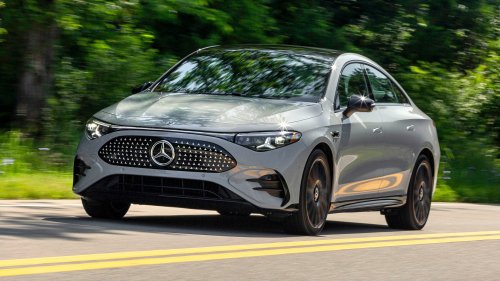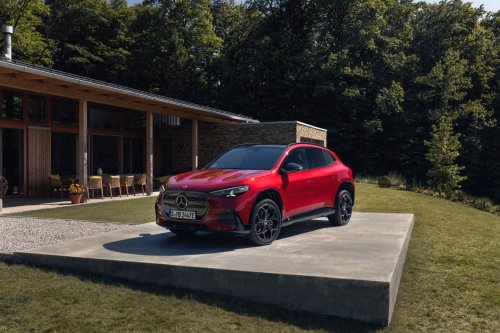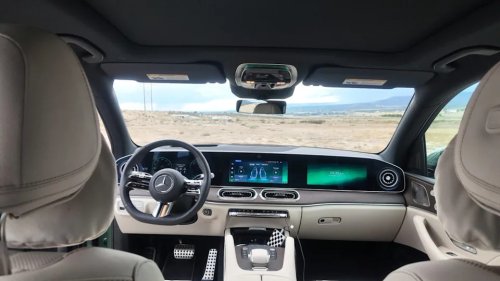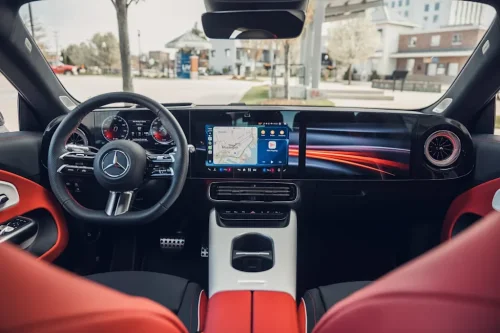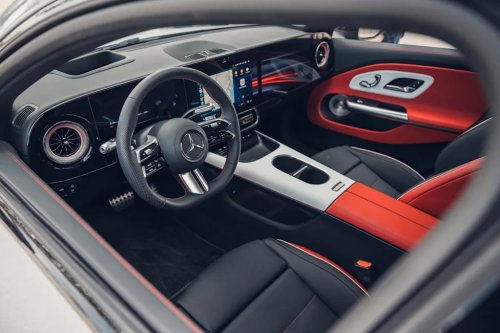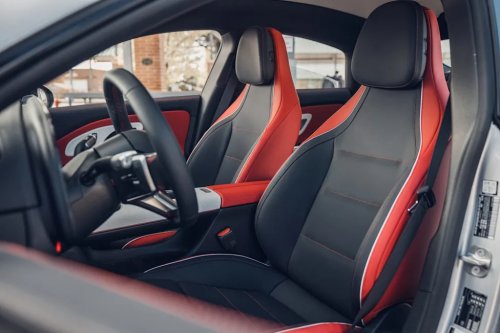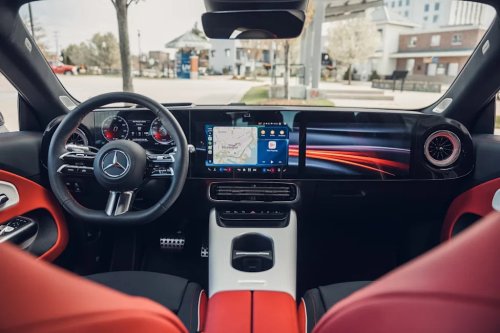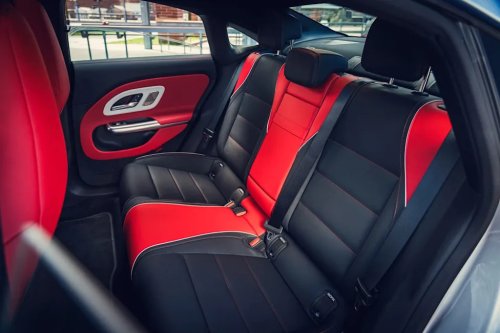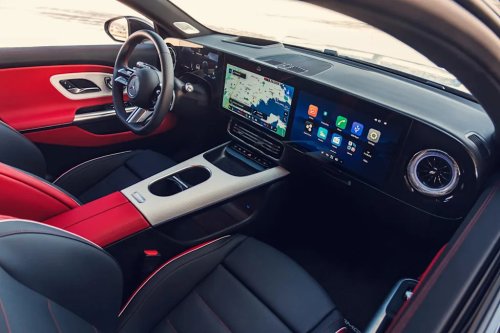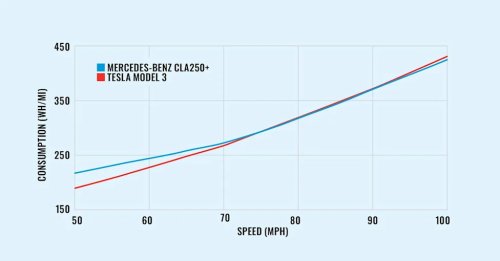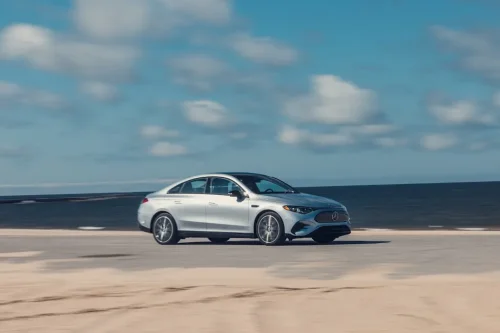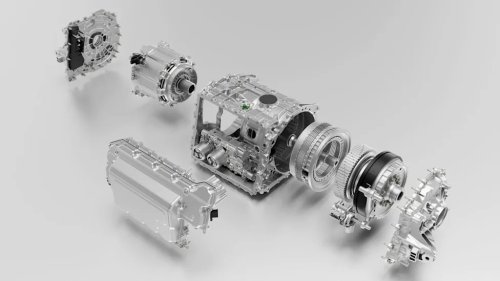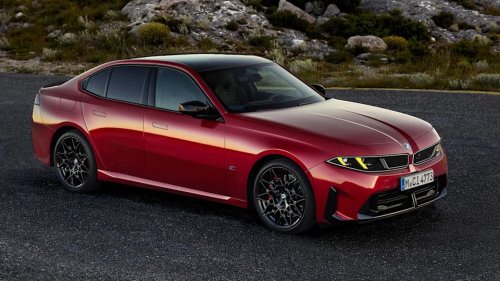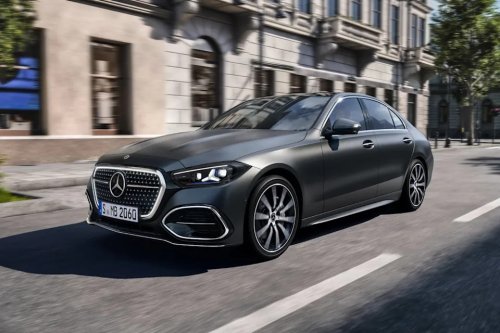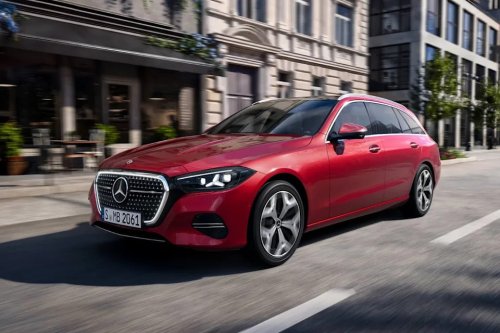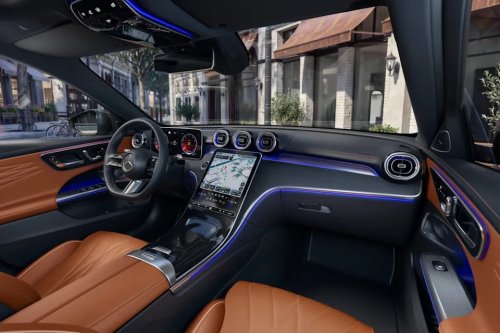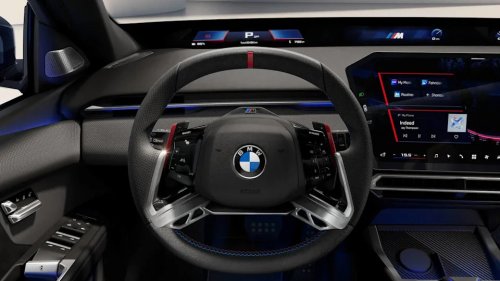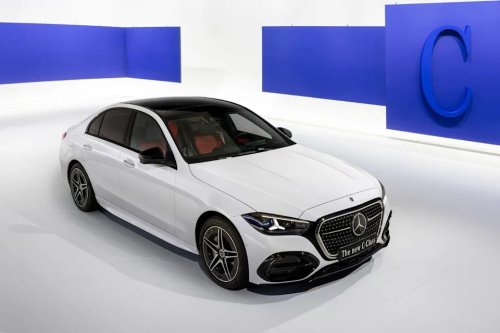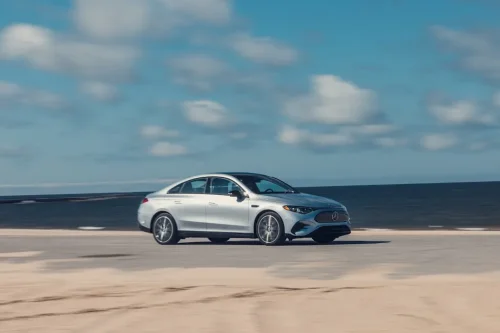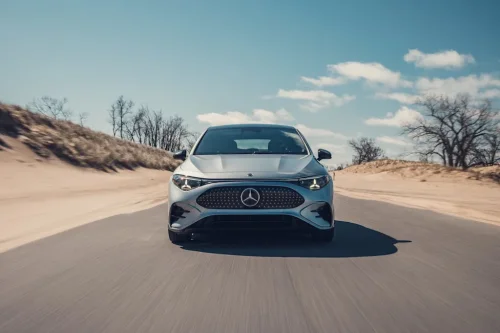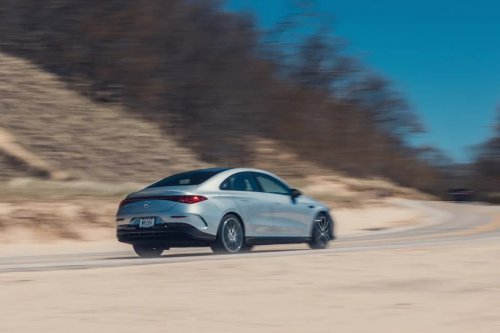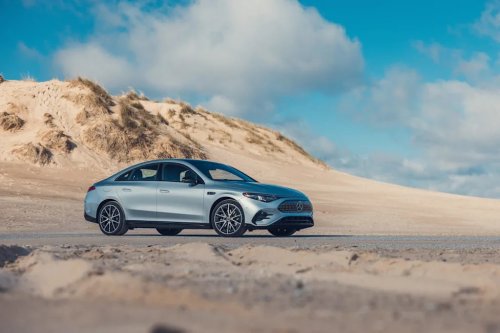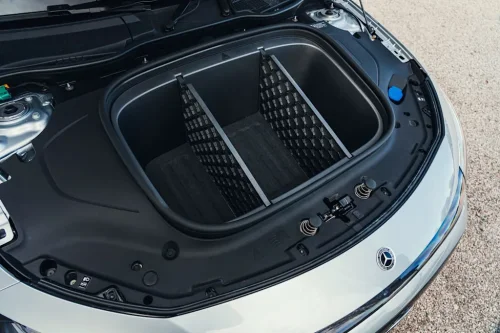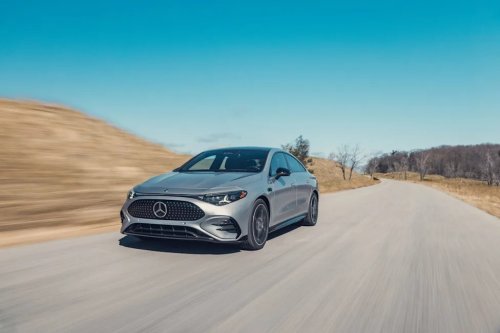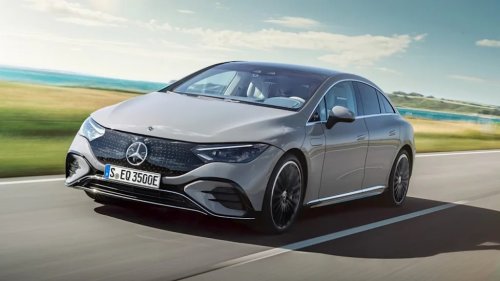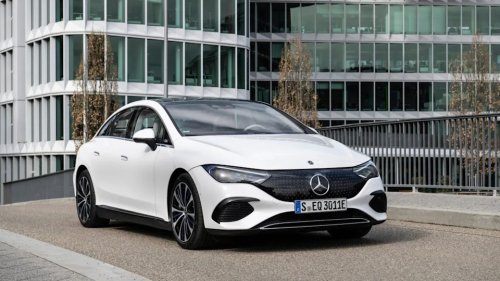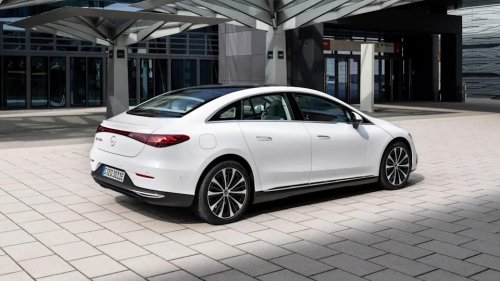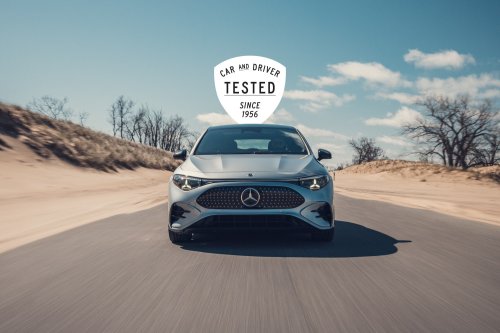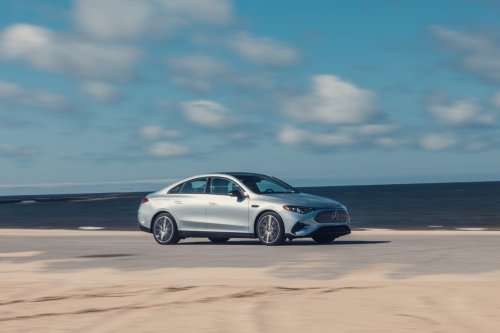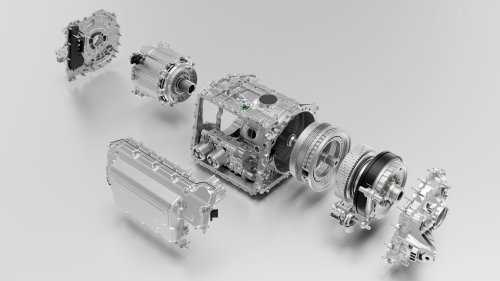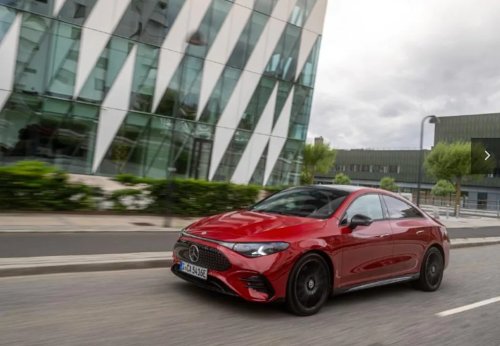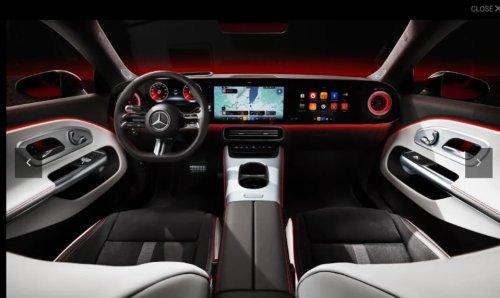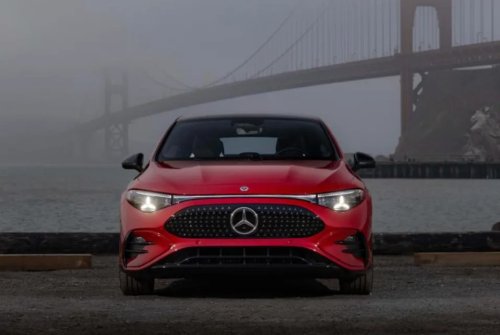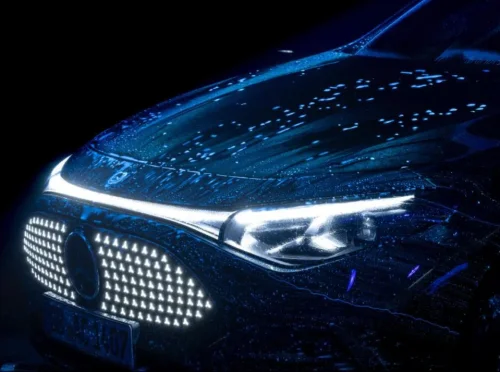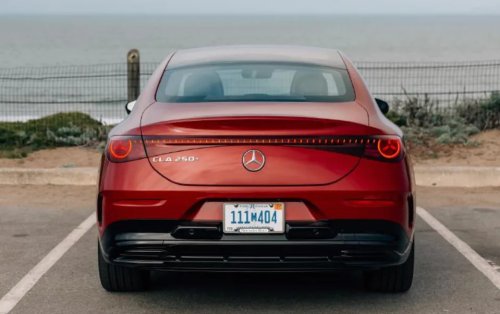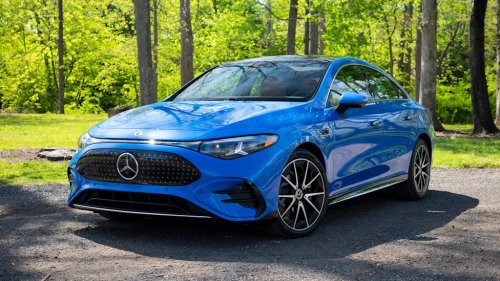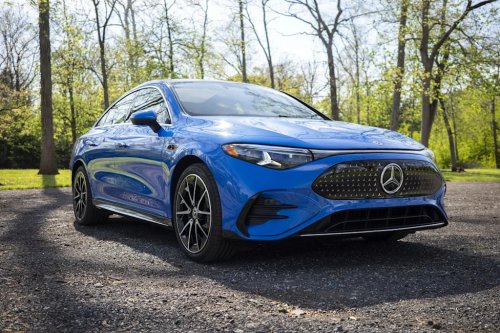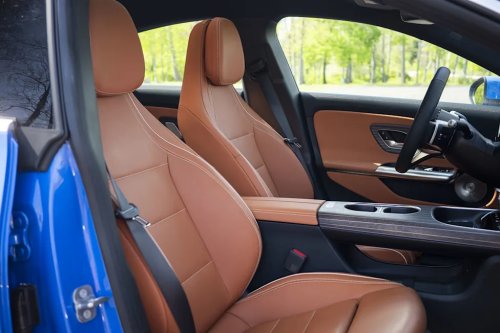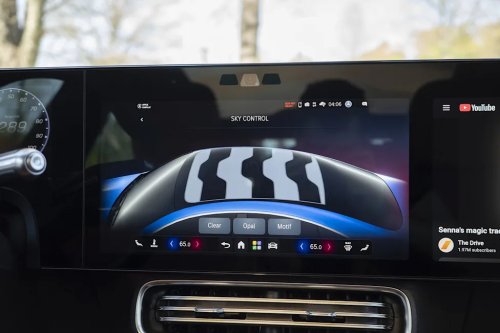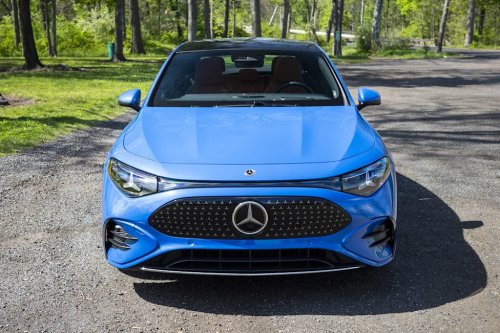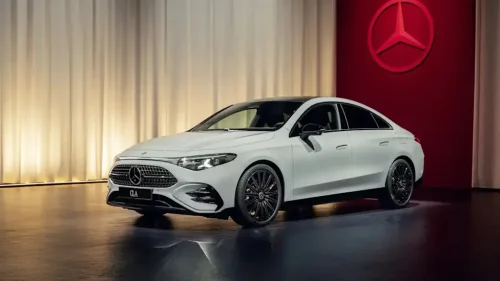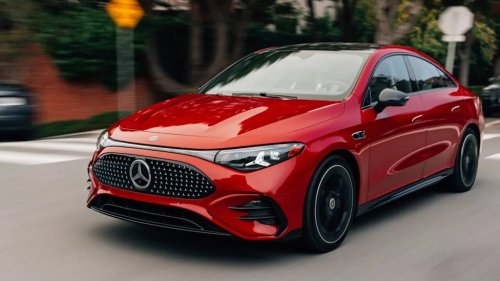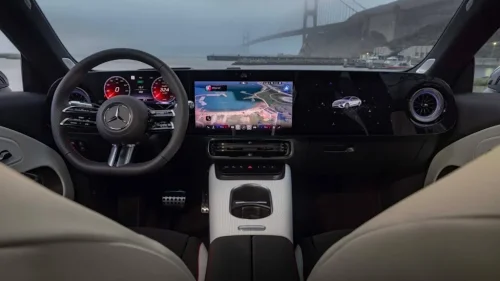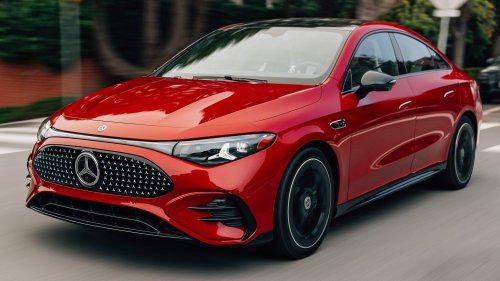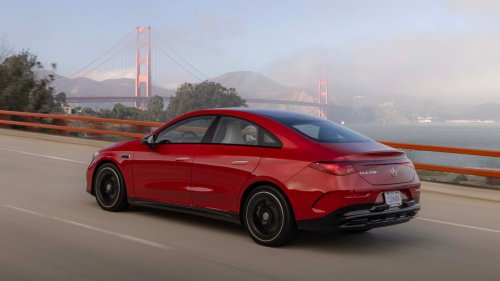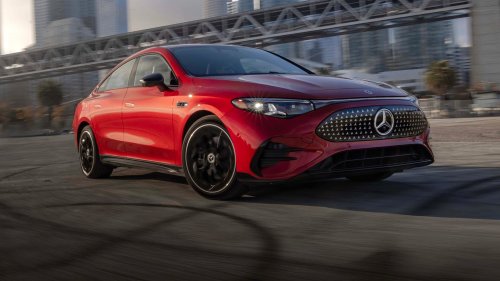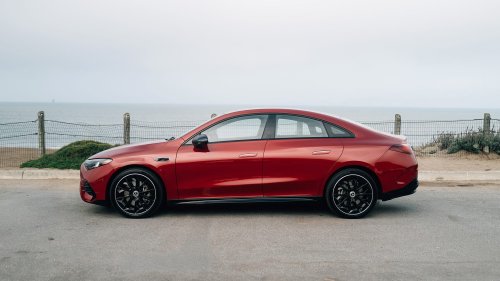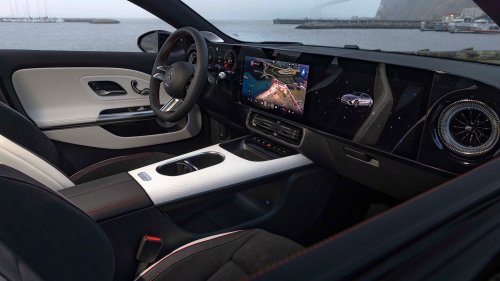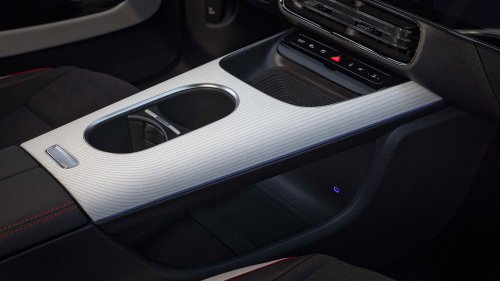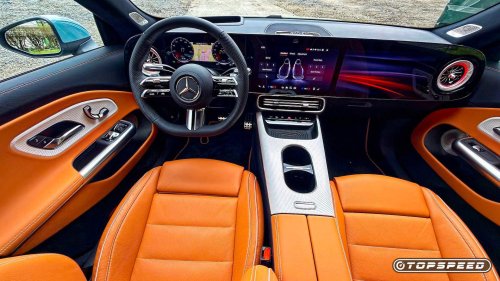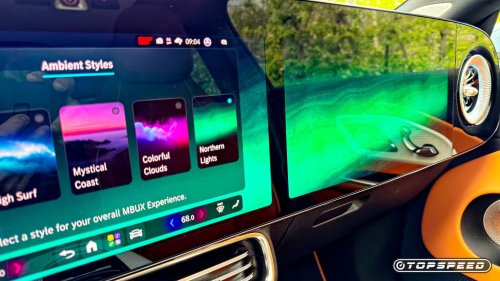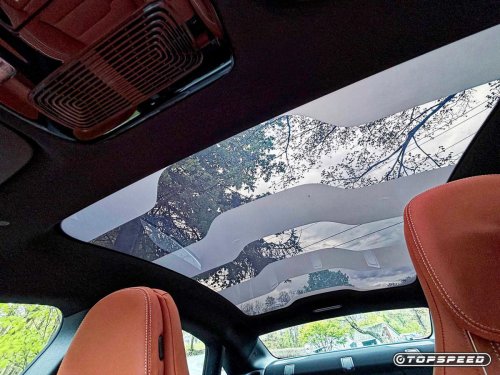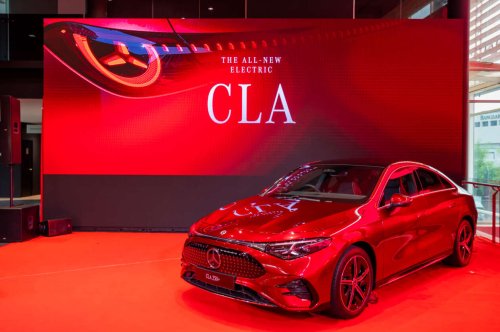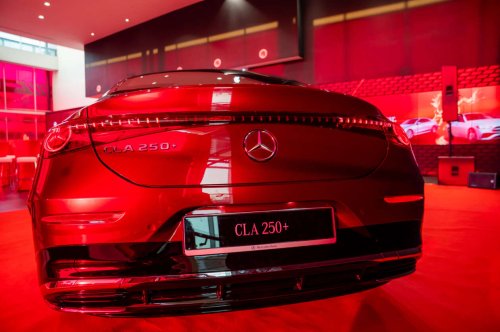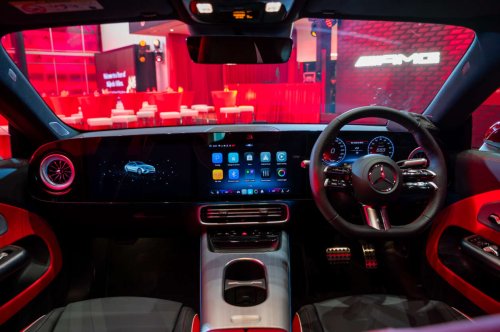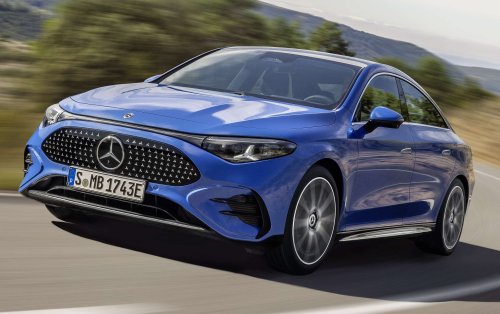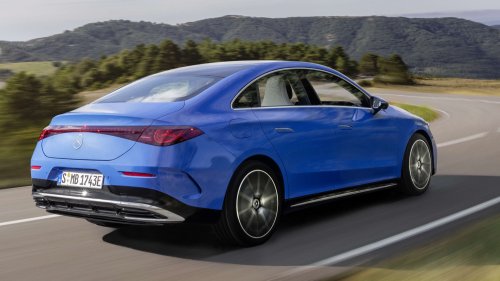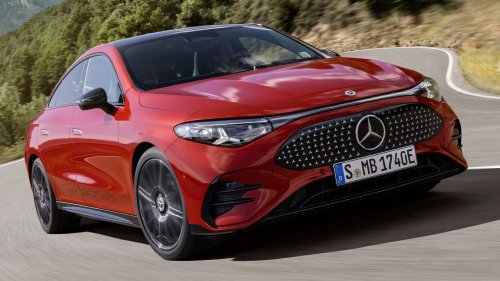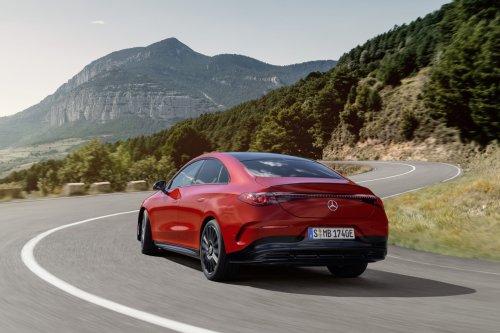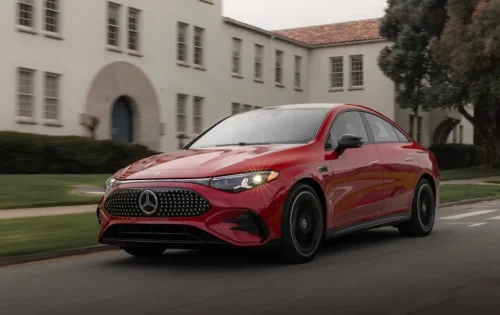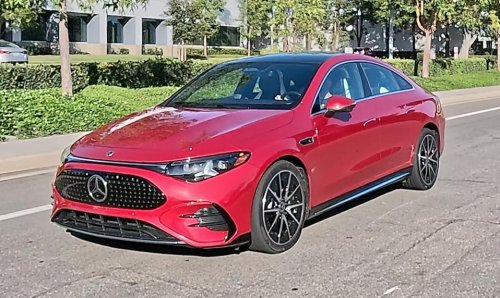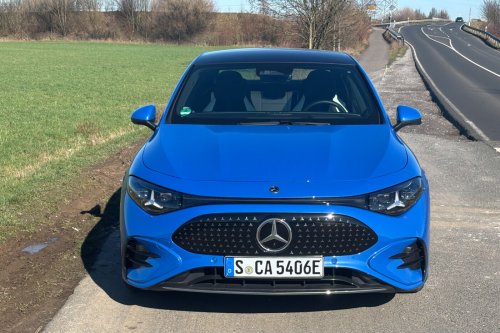
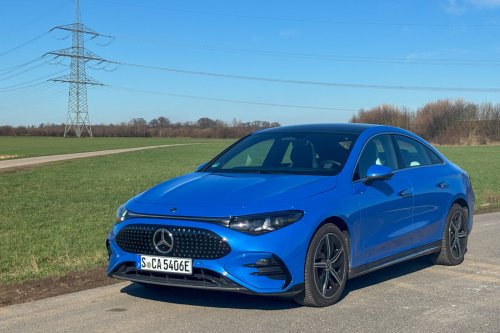
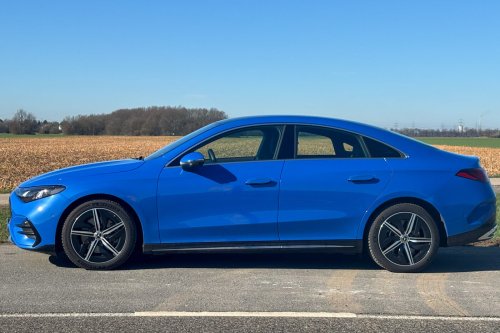
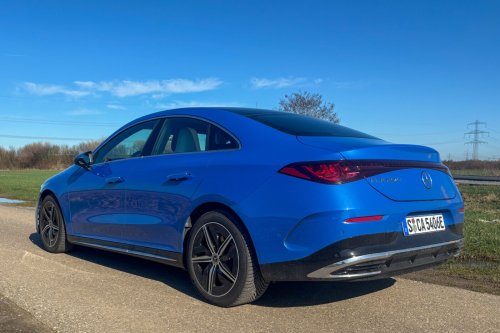
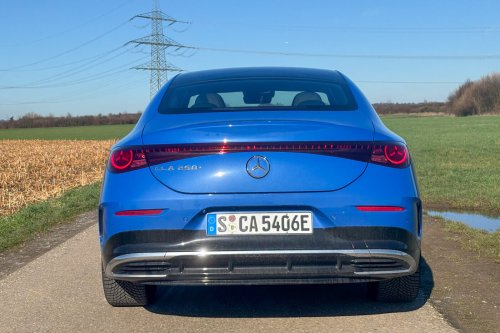
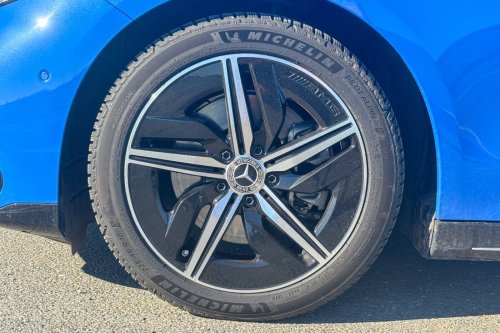
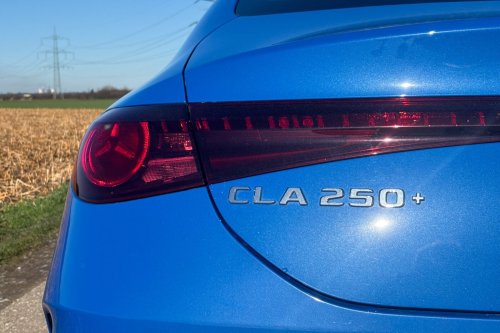
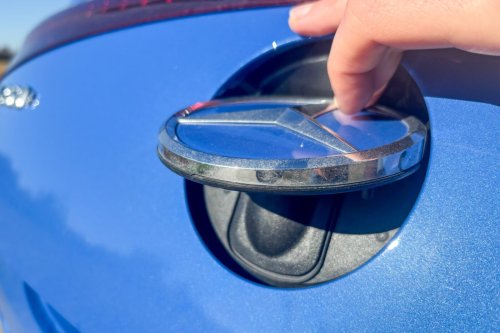
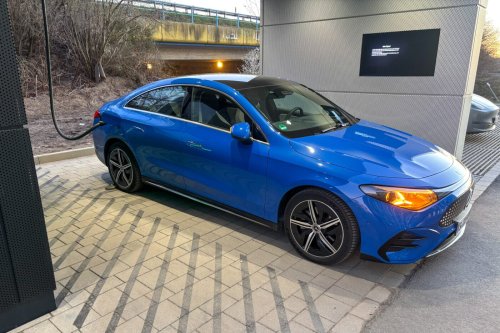
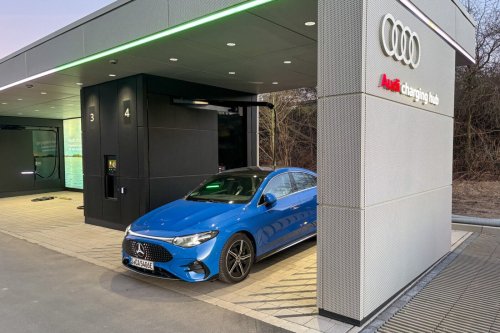
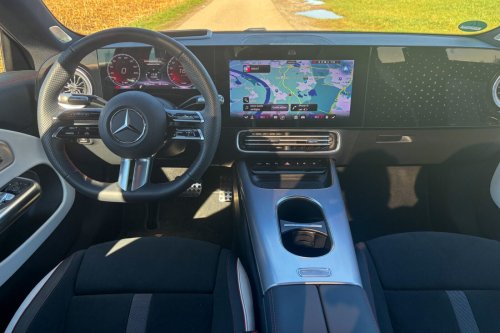
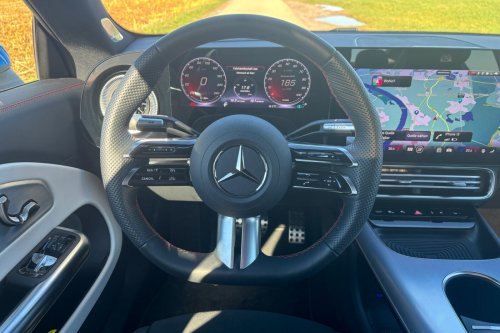
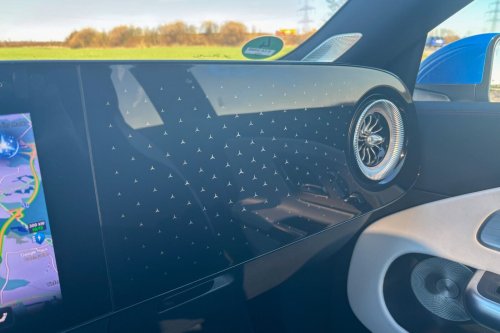
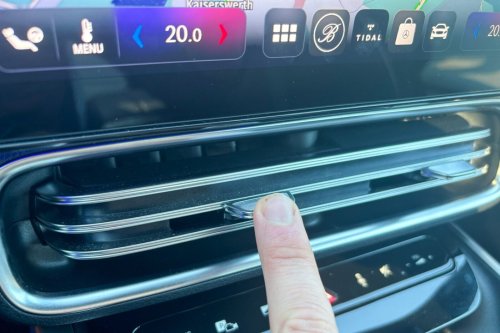
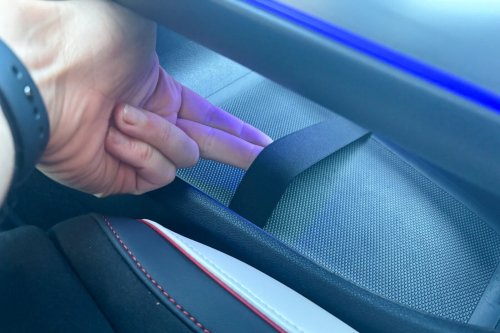
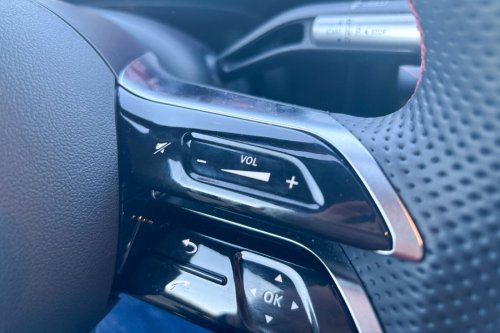
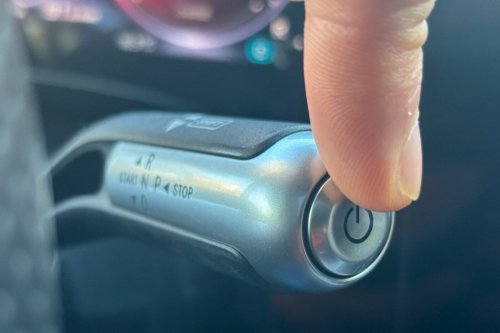
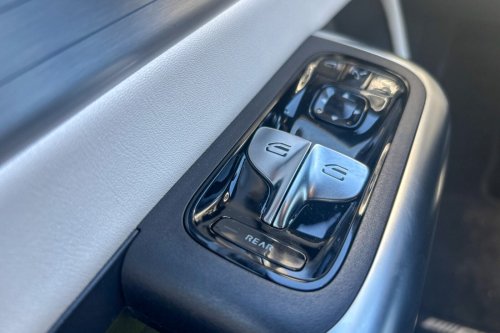
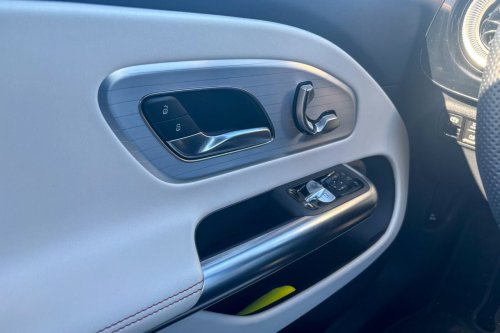
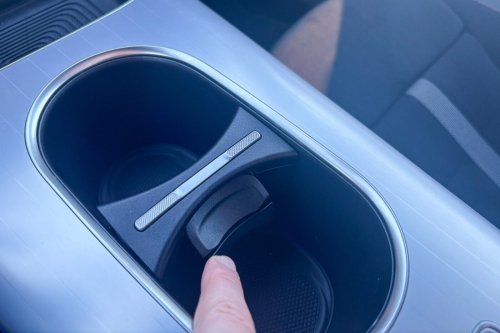

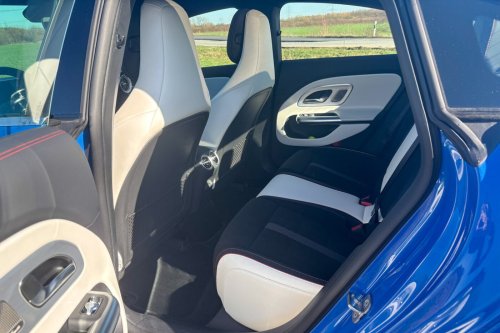
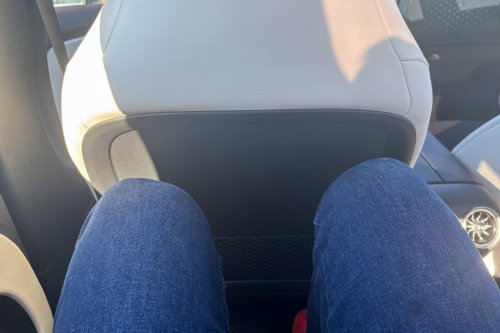
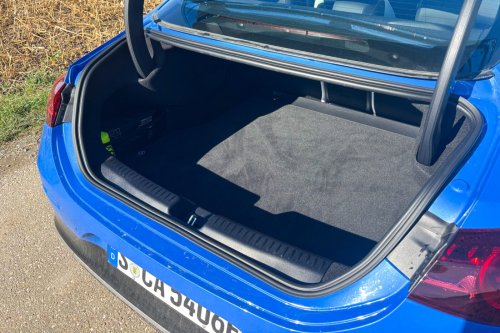
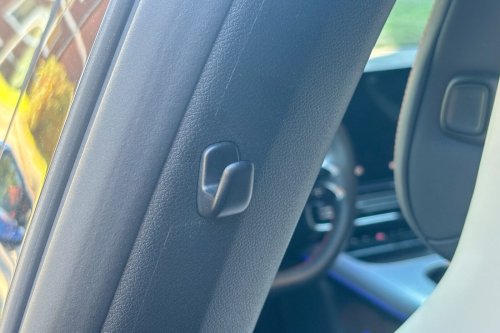
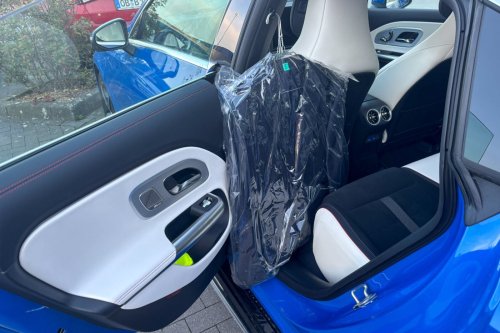



















The Mercedes-Benz CLA with EQ technology is the highest-scoring car ever tested in the individual assessment by Auto, Motor und Sport. The best car—full stop. Not just the best electric car, but the best car overall. No petrol, diesel, or hybrid from premium or luxury brands has achieved a higher score in the AMS individual test than this battery-electric CLA. The AMS editorial team had never previously awarded 678 points to any other vehicle.The reason this review does not end here is not solely because AMS tested the all-wheel-drive version, the CLA 350 4MATIC, while I tested the longest-range version, the CLA 250+. It is also because the ‘best car ever tested’ should, in theory, excel in almost every category—from the drivetrain (including charging performance in electric vehicles) to the suspension, build quality, and both major and minor features. However, as this test reveals, the CLA does not fully live up to that expectation.My expectations for the CLA were high. Not only because of its test results in Auto, Motor und Sport, but also because I have followed the vehicle and its development for some time. During a technology workshop in autumn 2024 at the Sindelfingen plant, Mercedes presented the drivetrain and battery concept of the then-upcoming CLA and its underlying MMA (Mercedes Modular Architecture) platform. At the time, Mercedes confidently described the CLA as the ‘one-litre car for the electric age‘—everything was designed for efficiency without compromising the typical practicality of a CLA.On paper, the test vehicle certainly looks impressive: the battery, made from NMC cells, offers 85 kWh of usable net energy content and up to 792 kilometres of range according to the WLTP cycle—though this figure may vary slightly depending on the equipment. The test vehicle was not fully loaded, featuring only 18-inch alloy wheels and lacking the optional passenger display. Mercedes’ list of optional extras offers much more, which can either directly (e.g., less aerodynamic wheel designs) or indirectly (via additional weight) reduce the (standardised) range. The 200 kW rear-axle drivetrain, combined with a two-speed transmission for improved efficiency, is designed to contribute to the high range regardless of the equipment. Image: Sebastian Schaal Image: Sebastian Schaal Image: Sebastian Schaal Image: Sebastian Schaal Image: Sebastian Schaal Image: Sebastian Schaal Image: Sebastian Schaal Image: Sebastian Schaal Image: Sebastian Schaal Image: Sebastian Schaal Image: Sebastian Schaal Image: Sebastian Schaal Image: Sebastian SchaalHowever, after the first test drive, my initial enthusiasm gave way to some disappointment. Admittedly, with outside temperatures around ten degrees Celsius and winter tyres fitted to the test vehicle, the conditions were not ideal for achieving record-breaking efficiency. But the fact that, after around 210 kilometres of driving (mostly on the motorway in Eco mode at a cruising speed of 120 km/h), the battery level dropped from 91 to 44 per cent did come as a surprise. Forty-seven per cent of 85 kilowatt-hours equates to roughly 40 kWh for 210 kilometres. In other words, a consumption of 19.0 kWh/100 km under conditions that were not extreme but also not optimal. This did not quite match the first impression of a ‘one-litre car for the electric age.’Good efficiency, but no standout performanceFurther test drives on short distances, country roads, and additional motorway stretches yielded slightly lower consumption figures, but these still mostly ranged between 17-18 kWh/100 km. For a car of this size and performance, these are not bad values, but they are not exceptional either—other efficient electric cars like the Hyundai Ioniq 6 or Tesla Model 3 can achieve similar results, at least subjectively and not in a direct comparison.However, in hindsight, the winter tyres may have played a significant role. In discussions with a journalist colleague, I later learned that he had recorded the exact same motorway consumption of 17-18 kWh/100 km in an identical blue CLA—but at a cruising speed of 150 km/h, not 120 km/h in Eco mode as I had. Additionally, his test took place in slightly warmer conditions, and the CLA was already fitted with summer tyres. This seems to make a noticeable difference between decent and very good efficiency!Based on my test consumption, the 85 kWh net energy content translates to a real-world range of around 485 kilometres on a full charge, or 340 kilometres in the typical long-distance window of 10 to 80 per cent charge. On such journeys, the CLA’s high charging power of up to 320 kW is meant to enhance efficiency—’time-efficient,’ as Mercedes put it during the 2024 tech workshop.And indeed: for the nearly 600-kilometre route from Düsseldorf to Berlin (starting with almost 80 per cent charge), the CLA plans just one charging stop—lasting only eleven minutes. However, this would leave you arriving in Berlin with a nearly depleted battery. If you set it to 50 per cent charge upon arrival, the system schedules a second charging stop just a few kilometres before reaching the destination. With another eleven-minute charging session, you would arrive at the Brandenburg Gate with 50 per cent charge.Under 15 minutes of charging time for the journey from the Rhineland to Berlin is impressive. Arriving after over six hours of driving with a half-full battery after just eleven minutes of stretching your legs is also excellent!The CLA’s preference for two short charging stops over one longer one has a good reason: its charging curve. The car is rated for a peak charging power of 320 kW, but this is only available for a very short time at low charge levels.During testing, I never saw the display show 320 kW; the peak was 305 kW. From this level, the charging power steadily declines. At 50 per cent charge, it drops to just under 200 kW, and at 80 per cent, it falls below 100 kW. In other words, while charging from 10 to 30 per cent took just under five minutes, the same increase from 60 to 80 per cent took around nine minutes. On long journeys with multiple charging stops, it can therefore be faster to take advantage of the higher charging power up to 60 per cent (around 160 kW in our test) more frequently, rather than charging less often but for longer periods.If you prefer breaks of 20-30 minutes, you can simply stay at the charging station a little longer—the route planning adjusts the navigation to account for the higher charge level.In the end, the test charging session from 6 to 82 per cent took 23 minutes and 25 seconds—Mercedes states 22 minutes for 10 to 80 per cent, so our test matches this claim. And this was even though the peak 320 kW charging power was not reached, which surprised me.Mercedes provides real-time transparency on the display about the current possible charging power and the factors limiting it. For example, when approaching the charging station, 220 kW was possible, limited by temperature. With ongoing preconditioning, I could watch the possible charging power increase on the display, jumping to 220 out of 320 kW just before arrival.I connected the CLA to a charging point with up to 400 kW capacity, and I was the only one at the location, so the power did not need to be shared. Yet, only 305 kW was achieved. Not a dealbreaker, but we are talking about the best car ever tested!I can fully agree with the points praised by AMS, such as the ‘skilfully tuned suspension,’ which ‘offers both excellent ride comfort and agile cornering.’ And it is not just the suspension—the CLA’s charging performance also makes it fully suitable for long distances. However, there are aspects of the CLA that the AMS test, which focuses on measurable values, does not fully capture. These add up to ensure the CLA is not the best car I have ever driven.One such aspect is space. At 4.70 metres, the CLA is certainly not a small car. However, due to its mixed platform (a hybrid version with an electrified petrol engine will follow), it cannot fully leverage the space advantages offered by electric cars built on a dedicated EV platform.The front seats offer adequate space, but it is not particularly generous. The rear seats, however, feel noticeably more cramped, and since the rear doors do not open as wide, entry and exit are somewhat awkward. If adults frequently travel in the back, the saloon version of the CLA, with its coupé-like roofline, is not the ideal choice. The CLA Shooting Brake, with its estate rear, might offer more headroom. Alternatively, if you are looking for an efficient electric saloon, the Hyundai Ioniq 6 provides significantly more rear space than the Mercedes, which is also noticeable in terms of legroom for rear passengers.Pure EVs offer more spaceIn terms of practicality, the CLA also remains fairly average. The boot holds 405 litres and is accessed via a relatively small boot lid, which is not particularly convenient—though the same can be said for the Ioniq 6 and Model 3. However, the additional storage compartment under the boot floor is significantly smaller in the CLA than in the Model 3. On the plus side, the CLA features a 101-litre frunk under the bonnet.Inside, the storage options are not particularly practical either. The centre console is dominated by two centrally placed cupholders. Towards the front, near the touchscreen, there is an inductive charging pad for a smartphone, and behind the armrest, there is a locked compartment. There is no simple way to stow your wallet or keys after getting in—only the cupholders or the smartphone charging pad, which are intended for other purposes. The compartment under the armrest, located quite far back, is not easily accessible for quick storage, and the same goes for the storage space under the floating centre console. This compartment is positioned in a way that makes it difficult to reach while driving or during entry and exit. Image: Sebastian Schaal Image: Sebastian Schaal Image: Sebastian Schaal Image: Sebastian Schaal Image: Sebastian Schaal Image: Sebastian Schaal Image: Sebastian Schaal Image: Sebastian Schaal Image: Sebastian Schaal Image: Sebastian Schaal Image: Sebastian Schaal Image: Sebastian Schaal Image: Sebastian Schaal Image: Sebastian Schaal Image: Sebastian Schaal Image: Sebastian Schaal Image: Sebastian Schaal Image: Sebastian SchaalThe cupholders deserve closer scrutiny: a standard water bottle – typically secure in most test vehicles and even designed for bicycle mounts – was not held firmly in place. Instead, it moved noticeably in the centre console under acceleration, braking and steering inputs.Mercedes integrates a small, spring-loaded plastic lever that can be extended at the push of a button to stabilise the bottle. In practice, however, the mechanism only provides support in the longitudinal direction. In corners, the bottle continues to shift. Notably, this concerns a larger cycling bottle, not a slim can or small coffee cup.The choice of this solution over more conventional rubberised supports is difficult to fully understand.On the topic of perceived quality, the CLA’s interior is generally well executed. The white-and-black colour scheme of the test vehicle, combined with silver accents, is a matter of taste – although the lighter materials on the seat bolsters and door panels did not appear particularly robust.As noted, the test car did without the optional passenger display and instead featured only the standard 10.25-inch central touchscreen. In its place sits a glass panel with subtly illuminated Mercedes stars. Visually, however, the large inactive surface is not entirely convincing, nor is the noticeable gap between the panel and the touchscreen cover glass – though this ultimately comes down to personal preference.In direct sunlight, the expansive glass surface tends to produce reflections, regardless of whether it houses a display or serves purely as a decorative element.Operating the touchscreen poses no real challenges: anyone familiar with a modern Mercedes will quickly find their way around the CLA. Key functions such as climate control remain permanently accessible at the lower edge of the display, while in the map view, shortcuts to media or smartphone integration are readily available. The app overview and vehicle settings are also only a tap away.The steering wheel controls are less convincing. Mercedes continues to rely on touch-sensitive surfaces – a solution that others, such as Volkswagen, have already begun to phase out. While the sliders and buttons can be learned over time, the glossy black finish tends to attract fingerprints and dust.A similar approach is taken with the window controls: instead of four switches, there are only two, combined with a touch-sensitive selector for the rear windows. In everyday use, this proves more inconvenient than practical. The cost saving may be minimal, but the compromise feels out of place in a vehicle positioned as a premium product. Image: Sebastian SchaalMercedes also omitted the grab handles in the roof lining and the coat hooks usually hidden there. Instead, the coat hook was placed on the B-pillar—and seemingly ticked off the to-do list without proper testing. Even though the CLA, until the initially unplanned but now announced A-Class, is the entry-level model in Stuttgart’s brand hierarchy, Mercedes customers might occasionally travel with a blazer or suit jacket.However, hanging a suit jacket on the coat hook is not just impractical with a hanger—the jacket also hangs down into the door area. When I had to pick up a suit from the dry cleaner during the test period, the only practical solution was to lay the garment across the back seat. Hanging it up? No chance.ConclusionDepending on perspective, the CLA proves to be a good to very good electric car. Range and charging performance are strong, even if Mercedes does not quite deliver on the ambitious promise of a ‘one-litre car for the electric age.’ Still, the figures are more than sufficient for most use cases without significant compromises. Whether this will remain competitive in the longer term is another question: rivals such as the Xpeng P7+ are already demonstrating how quickly charging times are evolving. Mercedes may yet respond with future updates or model revisions.The drivetrain and suspension leave a positive impression, but the CLA is not without its shortcomings. Some are minor, others more noticeable in everyday use. The issue of space, for example, may only be fully addressed by future models such as the upcoming electric C-Class, which is expected to move away from the mixed MMA platform.Ultimately, it is the smaller details that stand out. Elements like the cupholders may seem trivial, but they shape daily usability – and in a vehicle with premium ambitions, expectations in this area are correspondingly high.