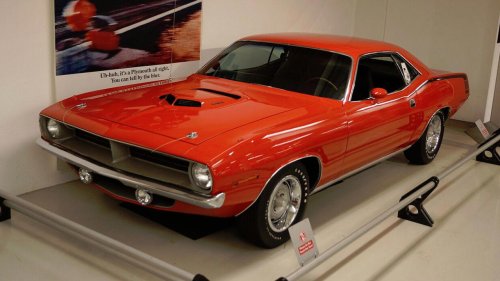
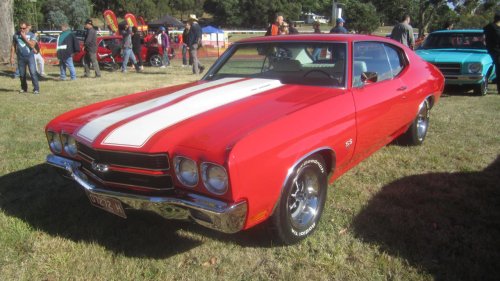
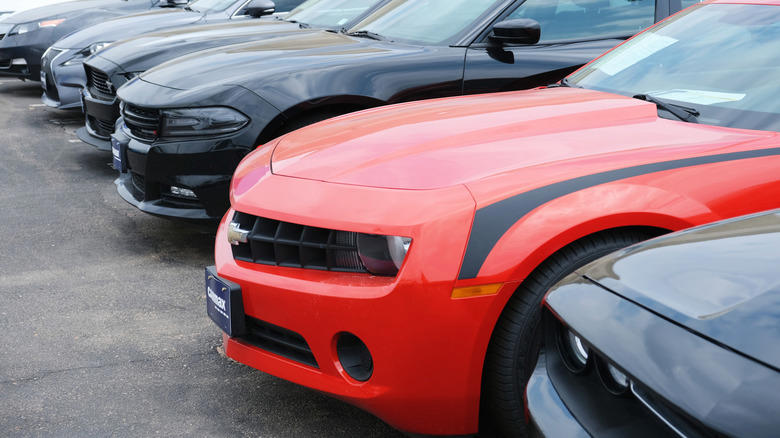
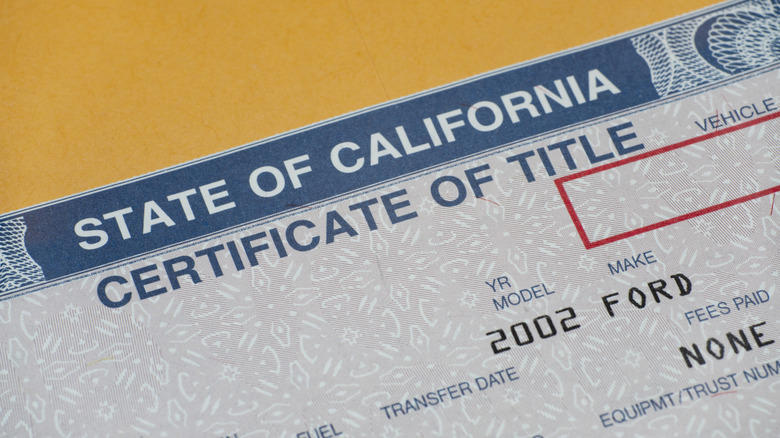
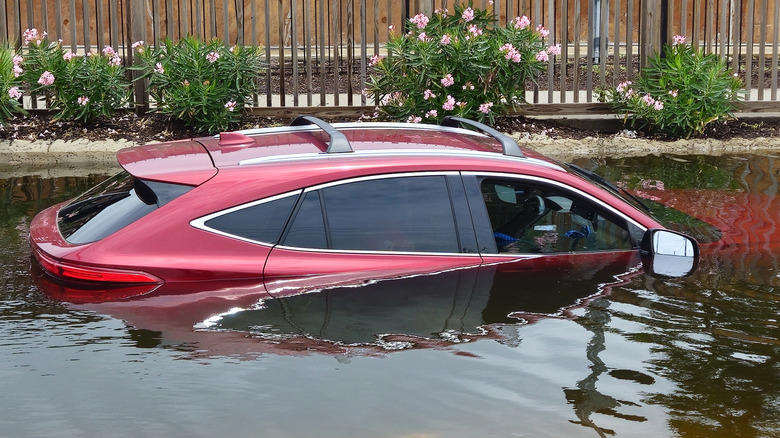
A red Chevrolet Camaro parked in a lineup of used muscle cars.From shady car dealers to worries about reliability, buying a used car can be a minefield for buyers. Title washing makes matters worse. It's the illegal practice of hiding a negative title history by transferring registration to a state with less restrictive laws and procedures. As a result, a used car can have a salvage or flood background that isn't reflected on the title certificate. Title washing can also occur in other situations, such as when previously flooded supercars are sold at auction and buyers then try to cover up the damage.The extent of title washing is hard to pin down. By some estimates, 1 in 325 used cars have a washed title. That translates to 0.30% of cars, which might make the chance of buying a vehicle with a sketchy title seem slim, but it amounts to thousands of dollars in lost value per automobile. A car with a salvage history can be worth 20% to 40% less than a clean-title counterpart.The best defense is not to rely only on printed title documentation. A vehicle history report may show a title brand (salvage, flood, etc.) from a previous registration state. Companies like Carfax, AutoCheck, and GoodCar access the same title data from the National Motor Vehicle Title Information System (NMVTIS) –a federally run database that compiles DMV data from different states. How title washing worksA California car title certificate.Title washing starts with a vehicle that already has a branded title. Flood, salvage, rebuilt, and fire damage are just a few examples. The American Association of Motor Vehicle Administrators (AAMVA) publishes a list of almost 100 title brand codes. While some don't negatively affect value (like classic or antique), most do.The challenge is that not all state DMVs uniformly apply these title brands. For example, Vermont uses a Vandalism brand (code 05) on its printed title certificates, but Florida doesn't. However, in the case of a title transfer with this brand, Florida stores the information in its electronic records. Depending on the situation, the title brand may transfer to a different designation or not at all.That's the loophole that fraudsters try to take advantage of. You can purchase a vehicle with what appears to be a clean title, but is actually the opposite. At least, if you purchase a salvage car upfront, you can decide whether to take the gamble. How to spot title washing before you buyA red SUV covered by flood waters.While buying a used car should include a test drive and pre-purchase inspection, a thorough review of the title and the vehicle's past also belongs in the process. The amount spent on a history report can uncover inconsistencies that may not appear on the title certificate.With this information in hand, be alert to multiple title transfers within a short period, especially those involving different states. This doesn't always indicate title washing, but it's a red flag that needs a harder look. Also, pay attention to geography. For instance, a car coming from a high-risk state for flooding (such as Florida, Texas, or Louisiana), particularly after a significant weather event, requires extra scrutiny. Before spending money on a pre-purchase inspection (PPI), you can check for signs of flood damage yourself. If nothing turns up, then have a mechanic look for warning signs as part of the PPI process. Want more like this? Join the Jalopnik newsletter to get the latest auto news sent straight to your inbox, and add us as a preferred search source on Google.



















 +77 others







!['What the [Expletive] Is That?:' Customer Complains Car is 'Shaking Like Crazy.' Then His Mechanic Takes a Closer Look At The Tire](https://cdn.topcarnews.net/thumb/id/aHR0cHM6Ly9jZG4ubW90b3IxLmNvbS9p-bWFnZXMvbWdsLzQwRTk0cS9zMS9tYXpk-YS1taWF0YS1vbi1zdHVkZGVkLXdpbnRl-ci10aXJlcy10ZXN0LmpwZw/79e14514a276098b50ad4c871b42cc60.jpg?t=20261007&post_id=3458)
!['What the [Expletive] Is That?:' Customer Complains Car is 'Shaking Like Crazy.' Then His Mechanic Takes a Closer Look At The Tire](https://cdn.topcarnews.net/thumb/id/aHR0cHM6Ly9jZG4ubW90b3IxLmNvbS9p-bWFnZXMvbWdsL01rWVFNNC9zMS9pbWdf-ODY0Mi5qcGc/6f1ec4b4318a8b257cc3e8a877ffe35f.jpg?t=20261007&post_id=3458)
!['What the [Expletive] Is That?:' Customer Complains Car is 'Shaking Like Crazy.' Then His Mechanic Takes a Closer Look At The Tire](https://cdn.topcarnews.net/thumb/id/aHR0cHM6Ly9jZG4ubW90b3IxLmNvbS9p-bWFnZXMvbWdsL2xFM3dsVy9zMS9pbWdf-ODY0OC1jb3B5LmpwZw/347bc674f00c1700fd29d2c57e842287.jpg?t=20261007&post_id=3458)
!['What the [Expletive] Is That?:' Customer Complains Car is 'Shaking Like Crazy.' Then His Mechanic Takes a Closer Look At The Tire](https://cdn.topcarnews.net/thumb/id/aHR0cHM6Ly9jZG4ubW90b3IxLmNvbS9p-bWFnZXMvbWdsL2JnMTJHdi9zMS9tYXpk-YS1taWF0YS1vbi1zdHVkZGVkLXdpbnRl-ci10aXJlcy10ZXN0LTAxLmpwZw/93bb67d2c8cc97fba8d2ff15175061ca.jpg?t=20261007&post_id=3458)
!['What the [Expletive] Is That?:' Customer Complains Car is 'Shaking Like Crazy.' Then His Mechanic Takes a Closer Look At The Tire](https://cdn.topcarnews.net/thumb/id/aHR0cHM6Ly9jZG4ubW90b3IxLmNvbS9p-bWFnZXMvbWdsL3BiM3E5by9zMS9tYXpk-YS1taWF0YS1vbi1zdHVkZGVkLXdpbnRl-ci10aXJlcy10ZXN0LTAyLmpwZw/99624eda68d3f45fcbd7939f0443e37f.jpg?t=20261007&post_id=3458)
!['What the [Expletive] Is That?:' Customer Complains Car is 'Shaking Like Crazy.' Then His Mechanic Takes a Closer Look At The Tire](https://cdn.topcarnews.net/thumb/id/aHR0cHM6Ly9jZG4ubW90b3IxLmNvbS9p-bWFnZXMvbWdsL1hCNlBYVi9zMS9tYXpk-YS1taWF0YS1vbi1zdHVkZGVkLXdpbnRl-ci10aXJlcy10ZXN0LTAzLmpwZw/544d73fd805018640d3a35252e9dbb76.jpg?t=20261007&post_id=3458)