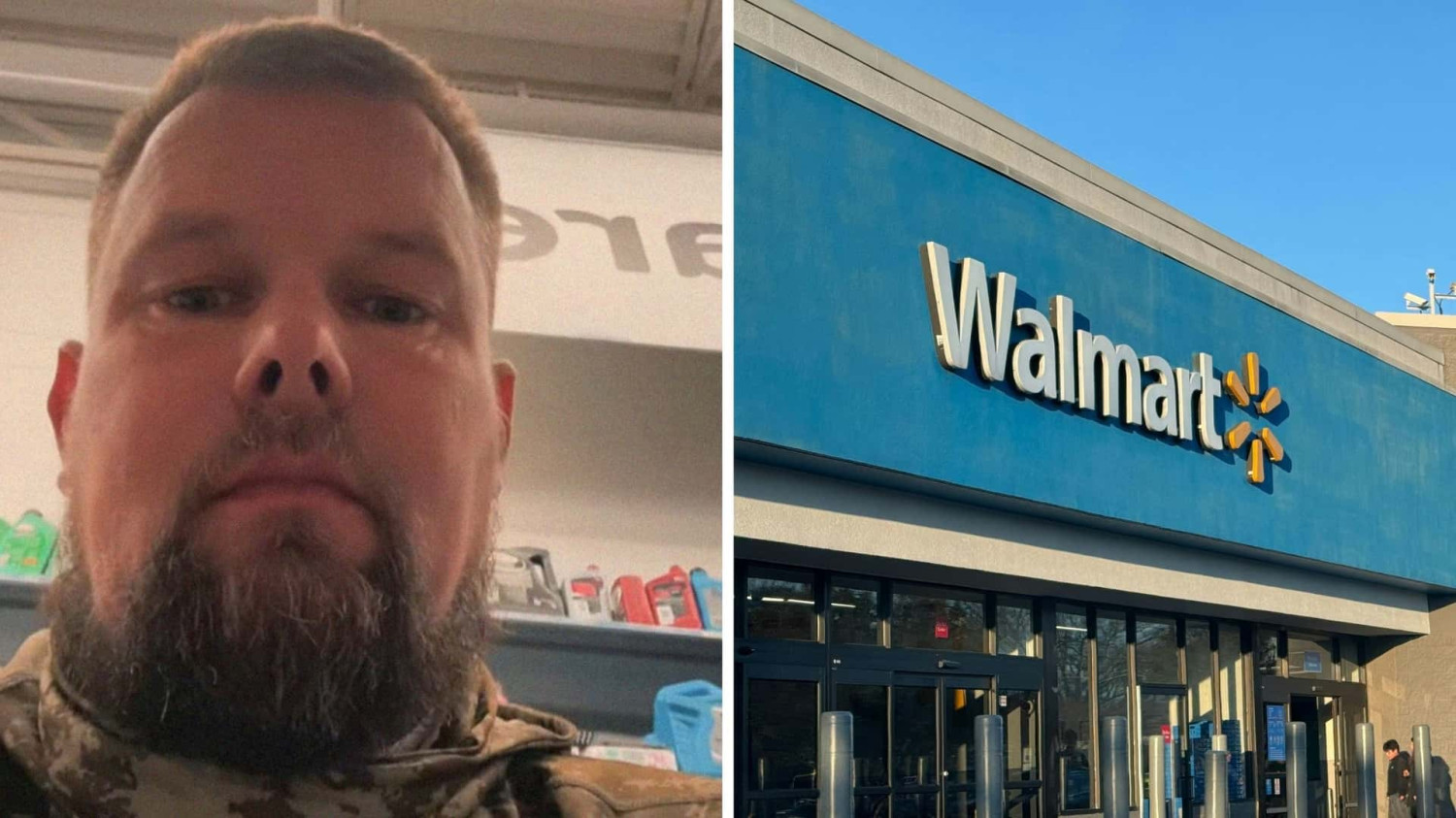



















The box felt wrong the second a suspicious man picked it up; too heavy, and too solid for a Toyota cartridge filter. A few steps later, the truth spilled out: someone with shifty hands in a Walmart automotive section had swapped the real part with a cheaper SuperTech knock-off, turning a routine oil change run into a small lesson in retail survival. The clip from TikTok creator Dan2fs2ns (@sharpintx) illustrates why more and more retail items are being moved behind locked display cases. "Somebody swapped it out, paid way less than what the Toyota filter probably cost, and stole," he said in the clip. "But I get home and have these garbage filters in here that don't fit my car." While the moment is played for frustration and surprise, it resonated with viewers because many recognized the exact scenario. The comments quickly filled with people describing their own encounters with switched parts on store shelves. One user wrote that he once found a Fram filter stuffed inside a Mobil1 box, a swap with nearly a $20 price difference, mirroring an increasingly common form of return fraud. Another described opening a box of new wiper blades only to find "old ones someone put back." Retail theft is already a major driver of why stores like Walmart, Target, and CVS have been locking up more items behind glass cases. A study by the National Retail Federation estimated that losses from theft, fraud, error, and damage totaled over $112 billion nationwide in 2022, prompting chains to reevaluate their open-access shelving models. That trend now extends into the automotive aisle, where parts are relatively small, easy to swap, and easy to return without scrutiny. Return Fraud Hits the Automotive Aisle Auto parts are especially vulnerable to "switcheroos" because packaging often conceals what's inside, and staff rarely open boxes to verify contents during returns. A customer can purchase an OEM filter, such as Toyota's 04152-YZZA6, remove the genuine cartridge, replace it with a cheaper unit, then return the box as if unused. Unless an employee inspects the contents, the counterfeit return is returned to inventory and ends up in the hands of unsuspecting buyers. The problem isn't hypothetical. Retail analysts and loss-prevention experts have documented the issue for years. Cahoot Technologies, an industry outlet that tracks return fraud trends, notes that product-switching schemes continue to grow in frequency because the payoff is high and the risk of being caught is low. Auto parts chains such as AutoZone and O'Reilly Auto Parts have implemented stricter return-counter inspection policies, but big-box stores where returns are processed at a general customer service desk are less consistent. Mechanics say they see the consequences. A commenter claiming years of shop experience summed it up: "Can't tell ya how many times… old wiper blades in the box. Customer service doesn't look at the returns." While the TikTok moment is relatable and mildly absurd, the stakes are real. Installing an incompatible oil filter can lead to oil starvation, pressure loss, or improper filtration, any of which can cause engine damage. Cartridge-style filters like Toyota's 04152-YZZA6 are structurally and functionally different from spin-on canisters like the discarded SuperTech filter shown in the video. They are not interchangeable, and forcing one into place could easily generate costly repair bills. Consumer advocates have long recommended inspecting auto parts before installing them, but with the rise of retail shrinkage and mischievous returns, drivers may need to double-check before even leaving the store shelf. The move toward locking up oil filters and wiper blades, which once felt excessive, now reflects a broader reality: these products have become targets for low-risk, high-reward fraud. Does Walmart Carry Toyota Parts? Some commenters questioned whether the box itself could even be legitimate. "Toyota filters at Walmart? Is this some kinda rage bait?" one user joked. But big-box retailers have been stocking OEM Toyota, Honda, and Hyundai filters for years, capitalizing on the growth of DIY maintenance and demand for dealership-quality parts at lower prices. Walmart's online marketplace shows multiple genuine Toyota filter kits available both online and in stores. The takeaway from Dan2fs2ns' video isn't that shoppers should panic, but that they should stay alert. Several commenters echoed a similar coping strategy: they open the box before heading to checkout, confirm the gasket is included, and inspect for signs of tampering. Some even weigh the filter in hand, knowing when something feels off. Return fraud isn't the consumer's fault, but consumers increasingly have to adapt to it. As more retailers lock down shelves, require associate assistance, and introduce anti-theft packaging measures, the automotive aisle is evolving into a place where vigilance is part of the shopping experience. Motor1 reached out to the creator via direct message and comment on the clip. We'll update this if he responds. We want your opinion! What would you like to see on Motor1.com? Take our 3 minute survey. - The Motor1.com Team