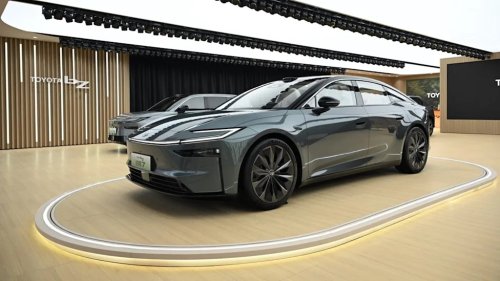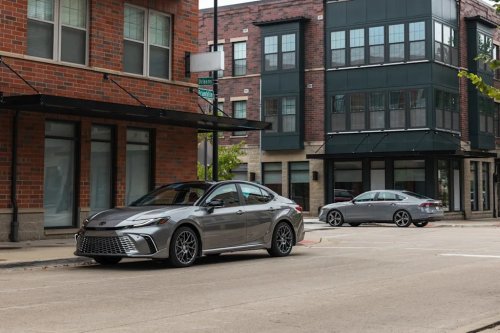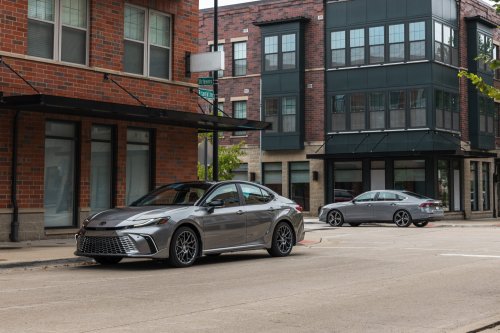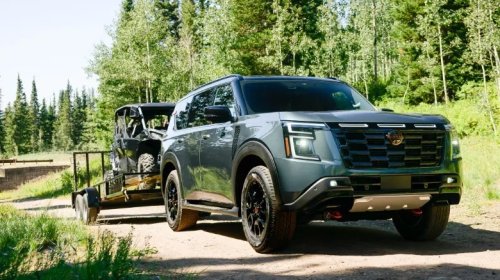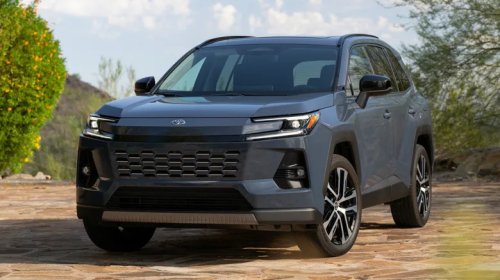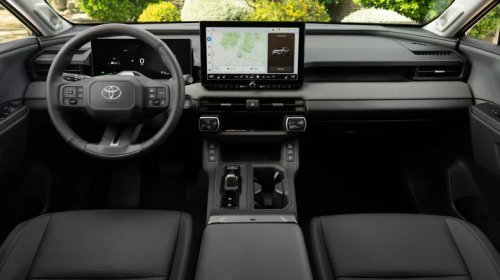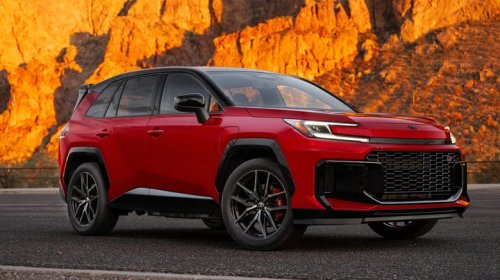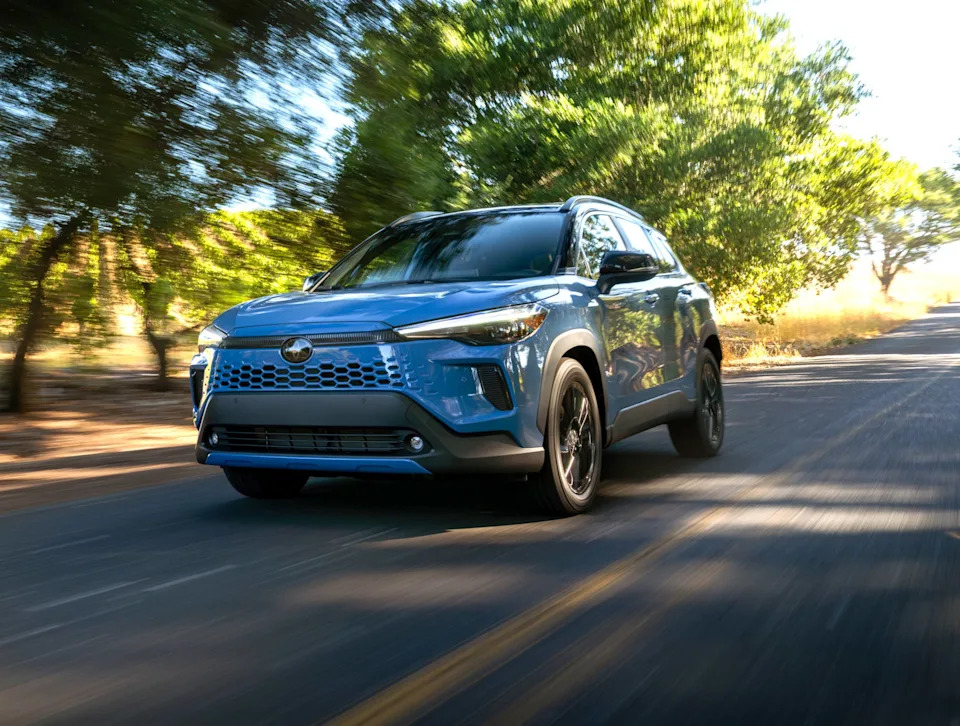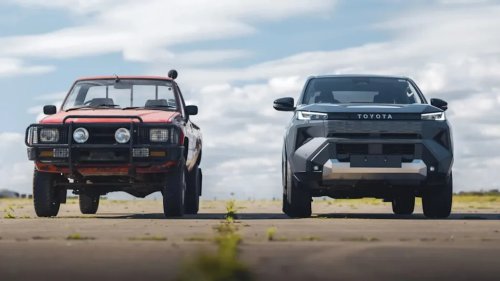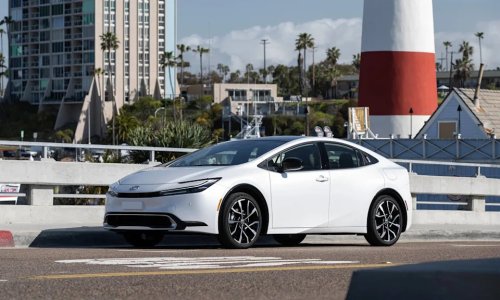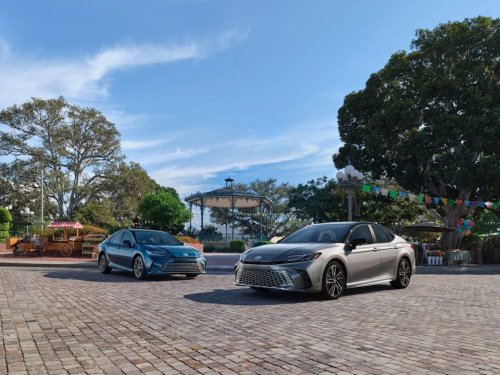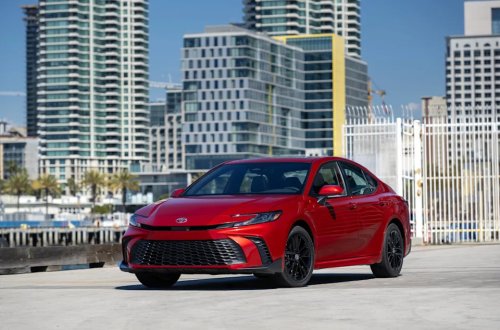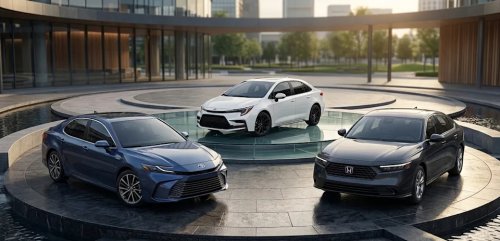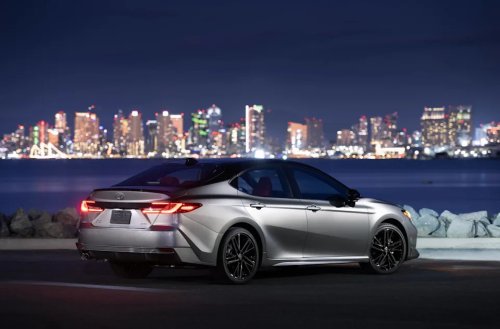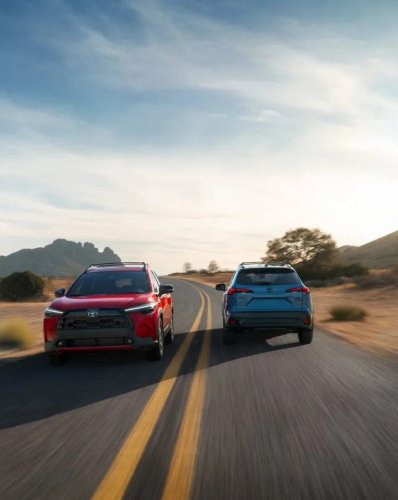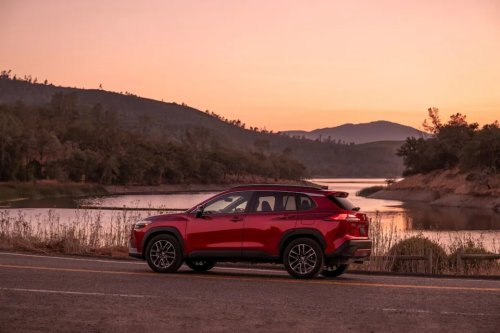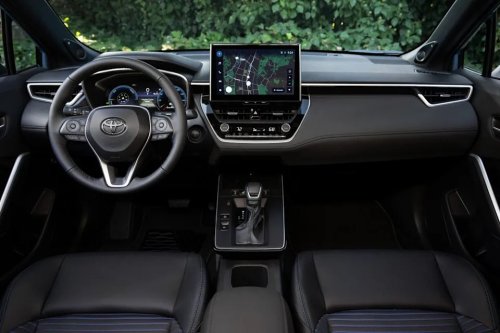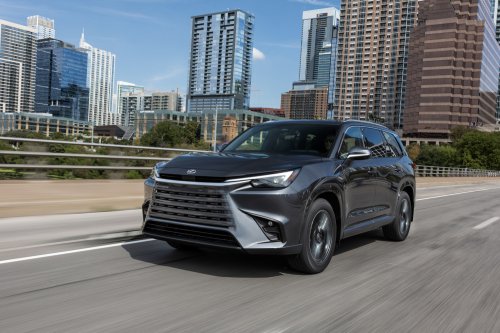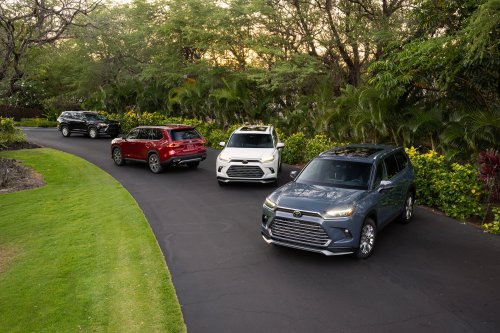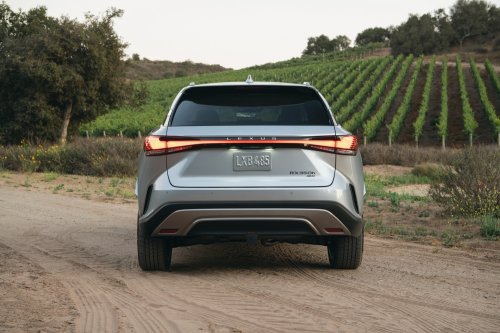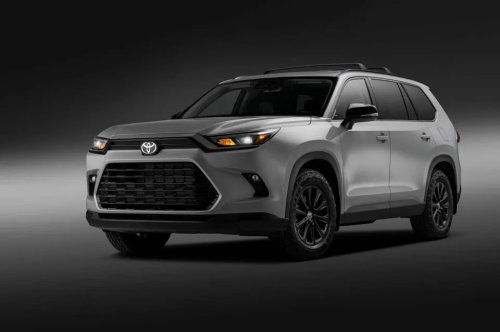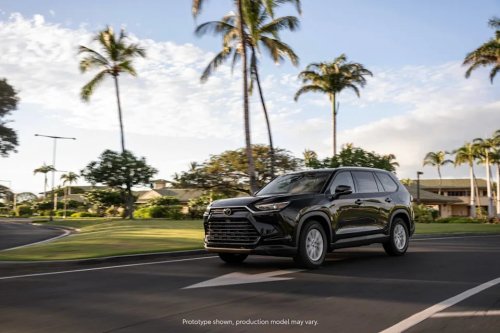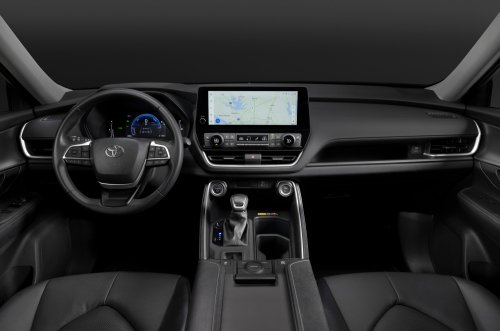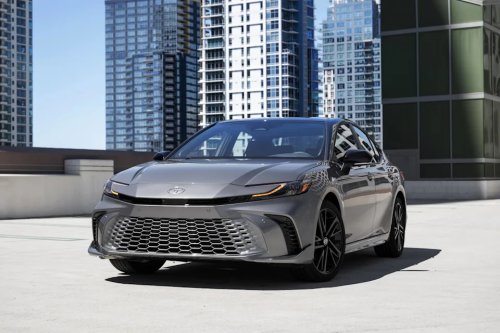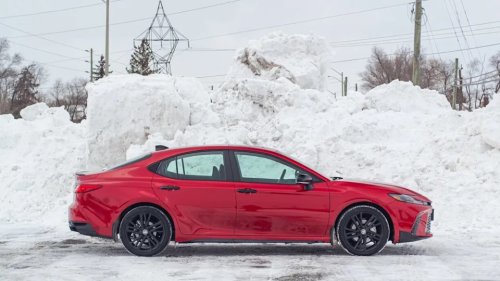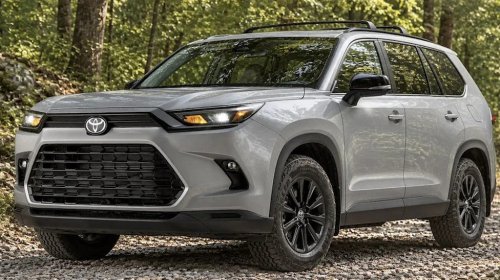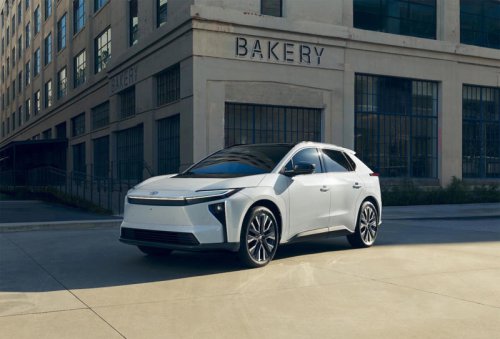
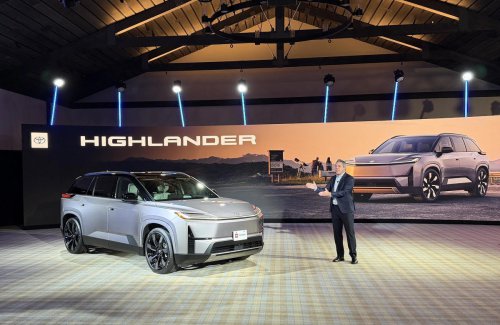
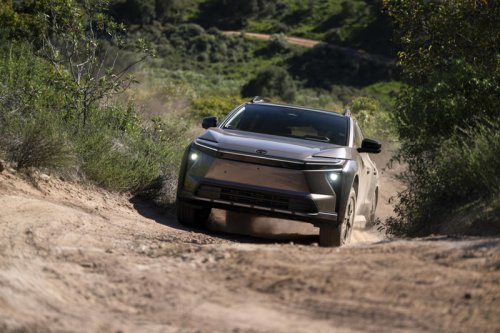
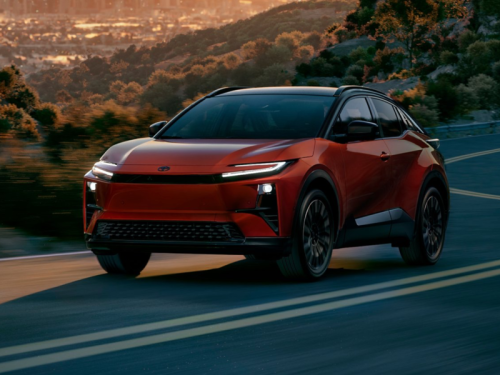
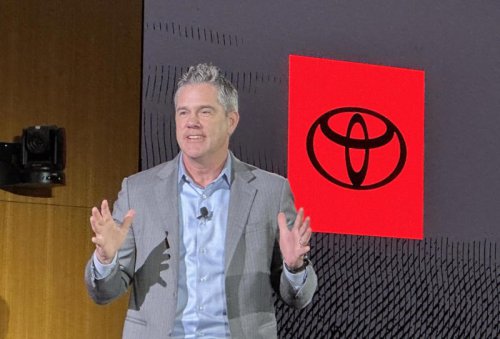
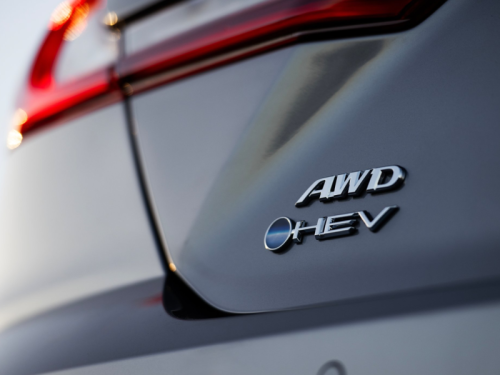
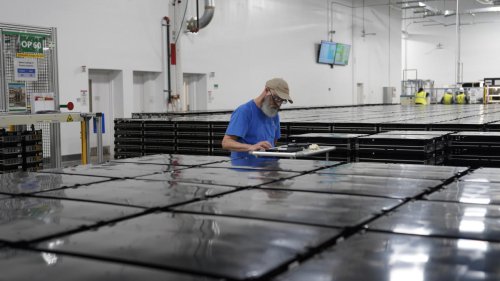



















No brand has made a bigger bet on battery power than Toyota. Of the products it offers in the U.S. today, 16 are offered in gas-electric form. With a growing number of models, like the latest Camry, they’re only available as hybrid.The 2026 Toyota bZ got a shorter name but significantly better performance and range. On the flip side, the Japanese automaker has been among the slowest to adopt pure battery-electric technology. Until now, anyway. Entering the new year, the Toyota brand offered only one EV in the U.S. market, the newly renamed bZ. But with this month’s debut of the Highlander EV that number will quadruple.Bucking the TrendThis surge comes at a curious time, EV sales entering a slump following the phase-out of federal tax credits last September. And most analysts expect only a slow rebound in demand. That’s led a number of manufacturers to trim back their plans. Ford in December ended production of the F-150 Lightning and scrapped plans for a 3-row SUV. Mazda is delaying by two years its next EV roll-out.Toyota brand boss David Christ revealed the 2027 Highlander EV during a California media event this month. So, why is Toyota moving so quickly to expand its own EV line-up? (And it’s expected to not only grow the Toyota brand’s battery-electric family but expand offerings in the Lexus line-up, as well.) “We see it as a market opportunity,” Group Vice President David Christ told Autoblog following last week’s debut of the Highlander EV.“We Need Multiple Products” For years, hybrids accounted for little more than an asterisk on U.S. sales charts. Demand has rapidly accelerated with the launch of more models covering a broader range of product segments, industry analysts note, growing from a mere 3% in 2020 to 9% in 2024 and 12% last year. Toyota has handily outpaced the overall market. As it has expanded its range of options, electrified models – including conventional and plug-in hybrids, as well as EVs - jumped from 16% to 47% of U.S. sales over that same time span.Christ, the General Manager of the Toyota Division at Toyota Motor North America, believes that the automaker needs to follow a similar strategy. “Our approach, we feel, is that we need multiple products in the EV space. With only one, the bZ, it was hard to get more share.”Big and Small With bZ, Toyota had a hard time winning over many buyers who found the EV too small – or too big – or too expensive. The new line-up is more a Goldilocks approach, but with a fourth pot of porridge. It starts with the little C-HR, then the bigger bZ. The new bZ Woodlands package adds another 6 inches in length, as well as modest off-road capabilities. And the line-up is topped off by the three-row Highlander EV.Once the latter model rolls into showrooms, by early 2027 at the latest, said Christ, Toyota’s EV line-up will reflect the breadth of its conventional crossover family. About the only other automaker that has followed a similar path is General Motors’ Cadillac brand and, it should be noted, the luxury division was among the very, very few marques to increase EV sales in 2025.PR SpeakIs Toyota brand boss Christ simply putting a good spin on a bad situation? Not everyone buys Toyota’s explanation. One long-time industry insider, asking not to be quoted by name, described Toyota’s espoused strategy as “PR Speak,” putting a good spin on a troubled strategy. While not quite so critical, Sam Fiorani, lead analyst at AutoForecast Solutions, told Autoblog that Toyota really didn’t have much of an option. The Woodlands, C-HR and Highlander EV programs were all initiated three to four years ago, at a time when the Biden administration and the California Air Resources Board had put in place demanding new mileage and emissions rules expected to lead to a surge in EV demand. Consulting firm AutoPacific, Inc. previously expected to see EVs reach a 25% share of the U.S. market by 2029. Since Trump came back into office it’s cut that number in half.But Fiorani doesn’t dismiss Toyota’s strategy outright. If anything, he added, the automaker attracts buyers particularly open to electrification and may, indeed, benefit from an expanded line-up of EVs. “The history of Toyota’s hybridization makes their customer base more inclined to buy an EV,” he said. And, by having more of them in the line-up you have a better chance of (attracting) those buyers.”Jumping the ChasmSixteen of Toyota's models are now offered as hybrids. Some, like the latest-generation Camry, are only available in gas-electric trim. Toyota Stephanie Brinley, principal auto analyst with S&P Global obility, agrees. “The chasm between early EV adopters and mainstream buyers has yet to be jumped,” she said, and it’s likely to be some time before that will happen. But with its success in the hybrid market, she added, Toyota may now be better positioned than most competitors to convince buyers to make that leap. “The broader line-up could make a difference for Toyota.”Perhaps, but Fiorani is ready to place a large bet that Toyota has made some major changes in its volume forecasts since it launched development of its three new EVs, especially after the phase-out of the U.S. tax credits. And not only will the numbers come down, he said, but the automaker’s costs will rise. The industry, as a whole, is having to increase subsidies – read: incentives – to keep potential EV buyers in the market.Economies of ScaleToyota's all-new battery plant in Liberty, North Carolina. The good news for Toyota, said Brinley, is that these new models will find outlets on the global stage, from Berlin to Beijing, spreading out the costs of vehicle development and production. Meanwhile, the new EVs will be getting their batteries from a new Toyota plant that opened last autumn in North Carolina, helping improve economies of scale, further reducing manufacturing costs.For his part, Toyota VP Christ said that having a broader EV line-up will pay off in the long-run. “Even if only 5% of the market (is EV this year), we want to have our share. And we think it will be bigger than that.” By planting a flag in a wide range of segments, the executive believes, Toyota will better establish itself as an EV leader once demand does begin to rebound.