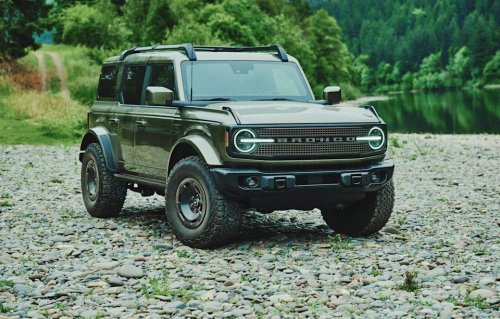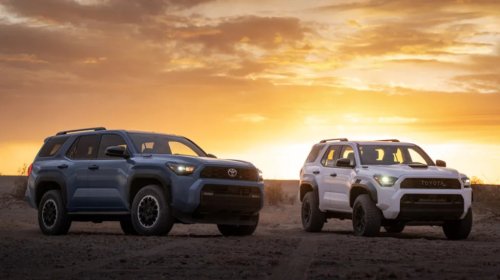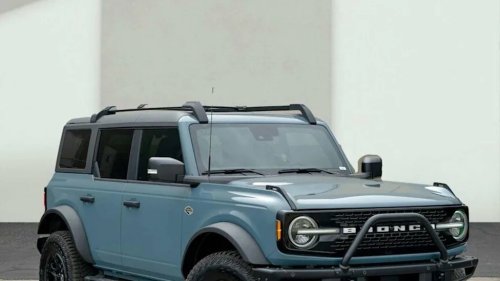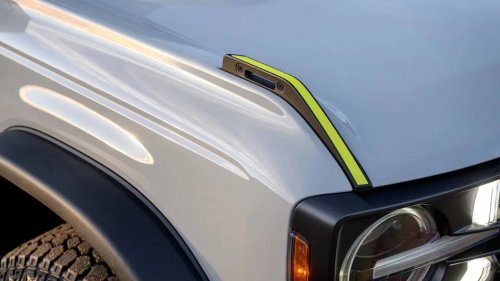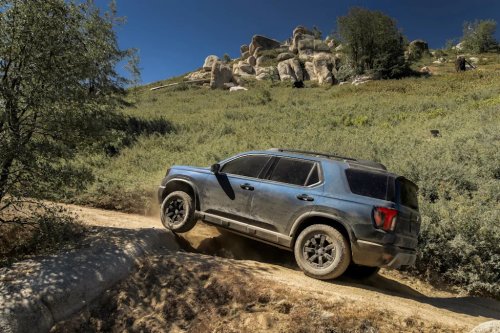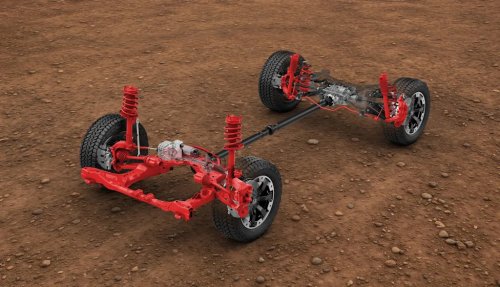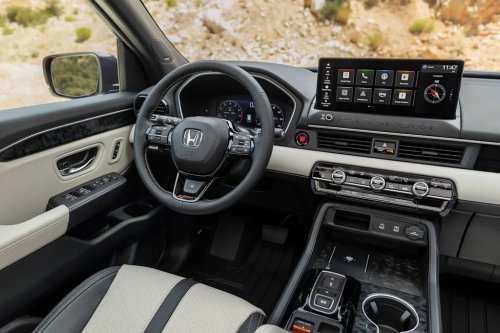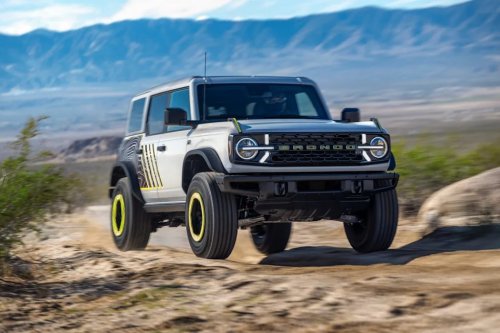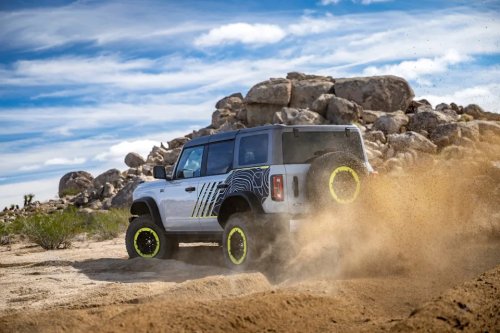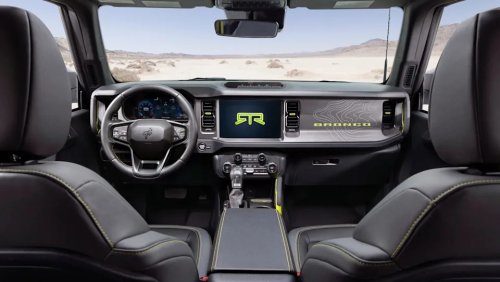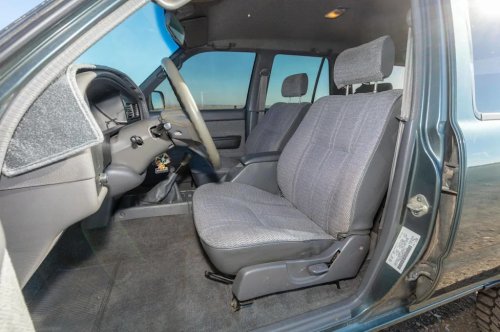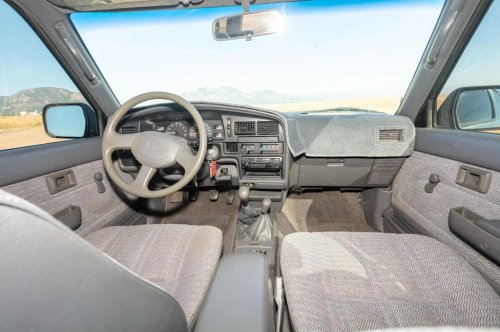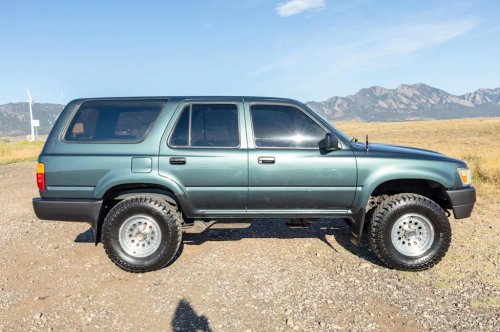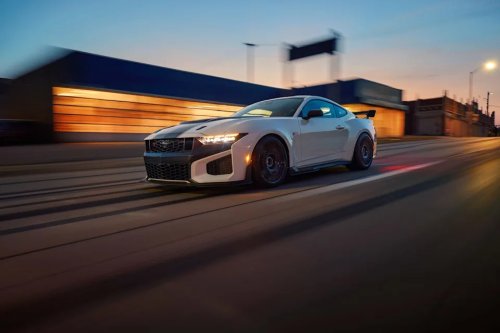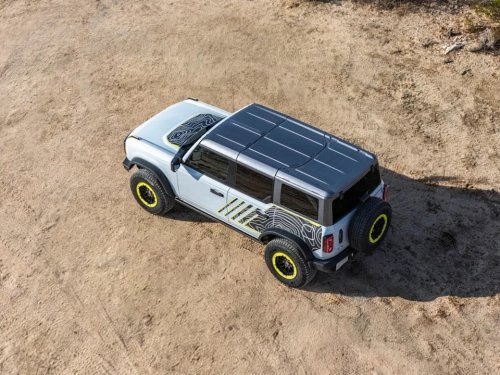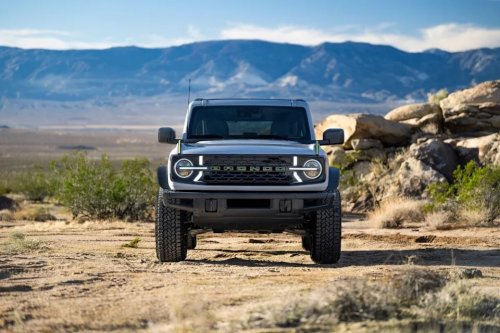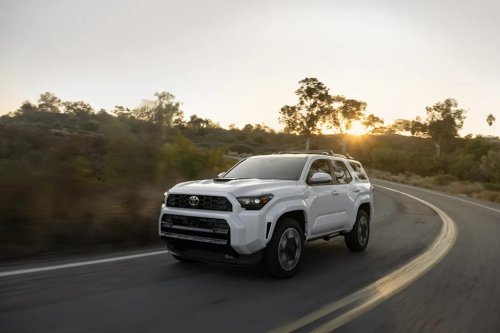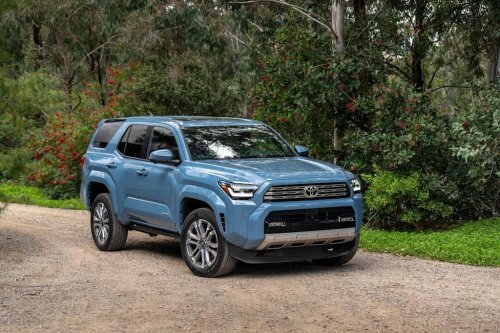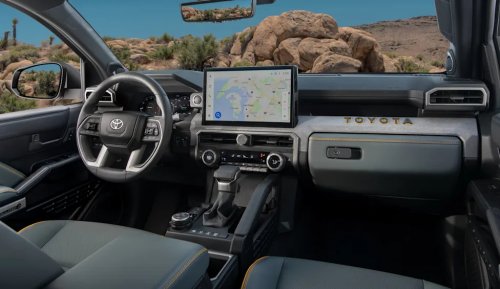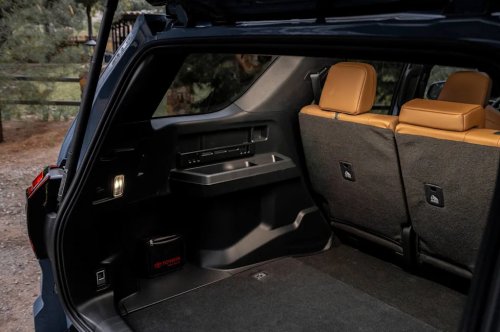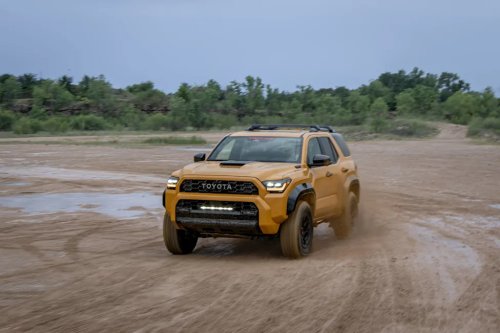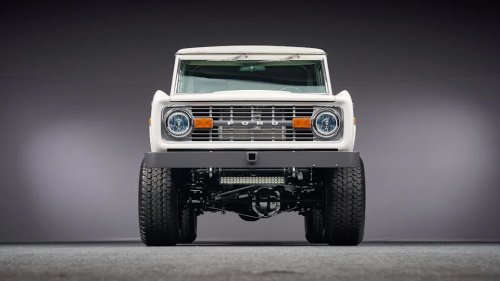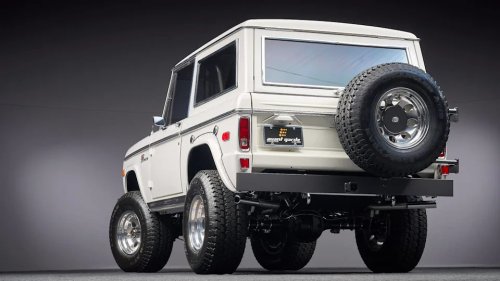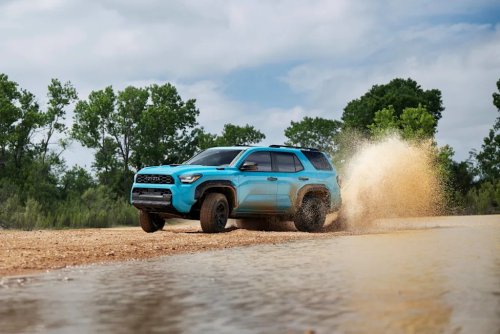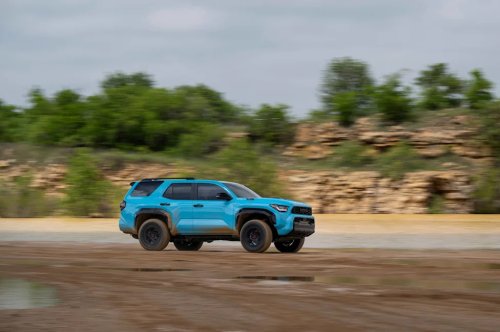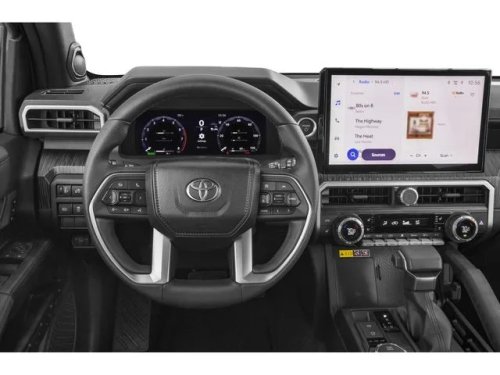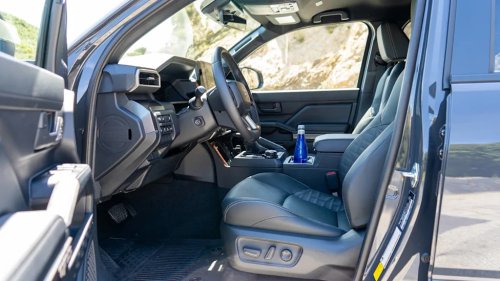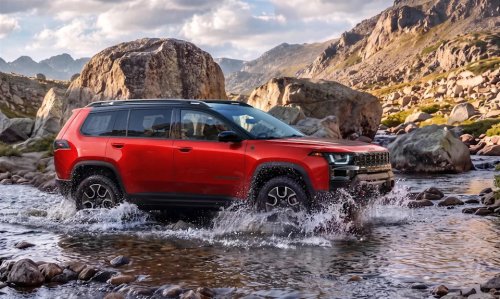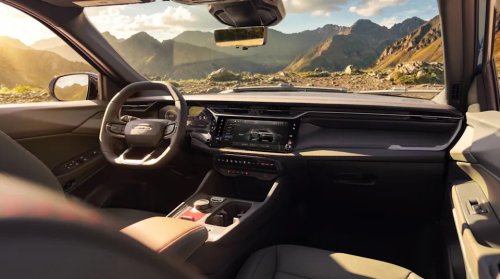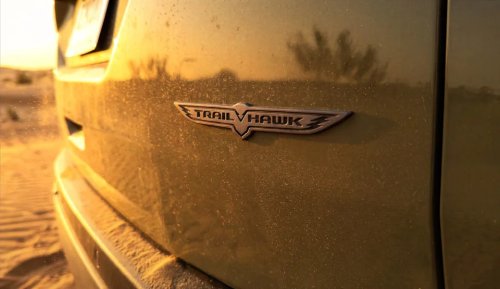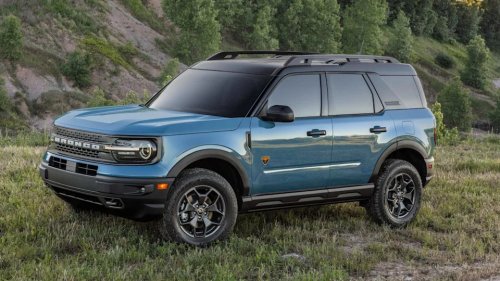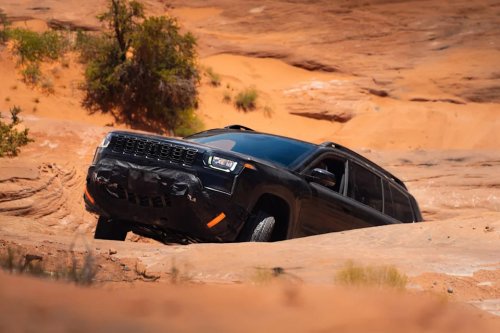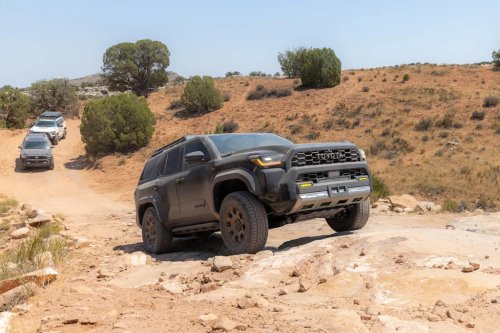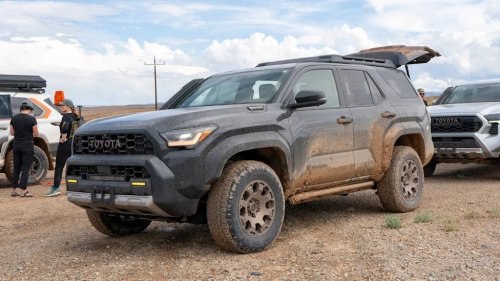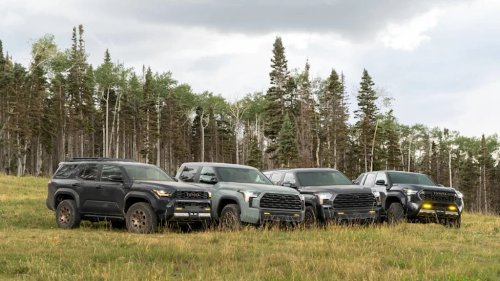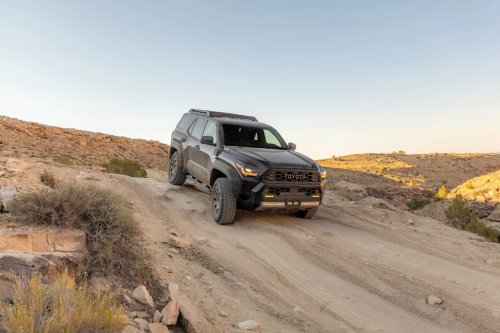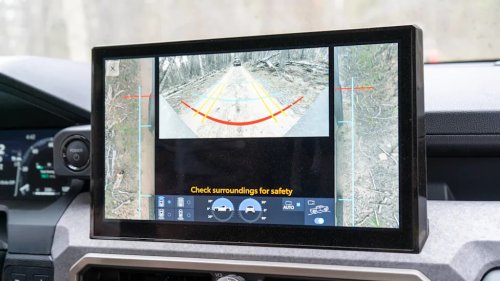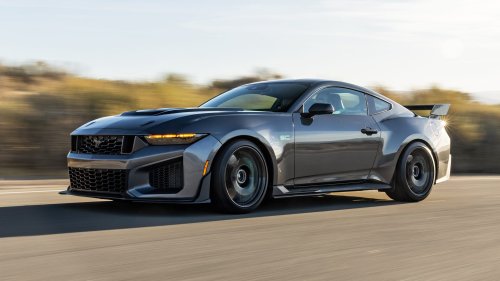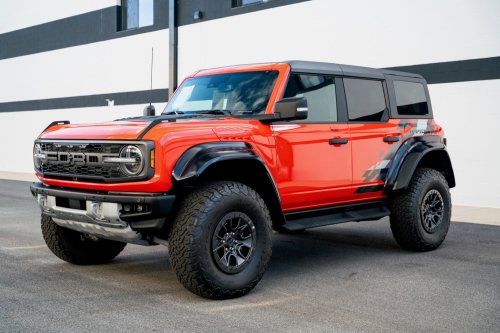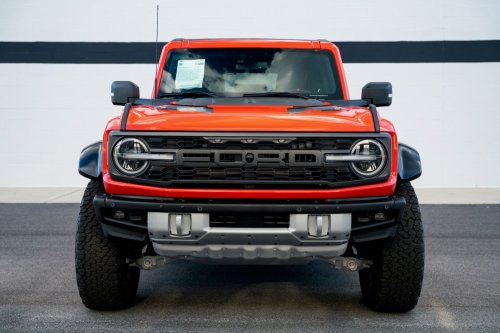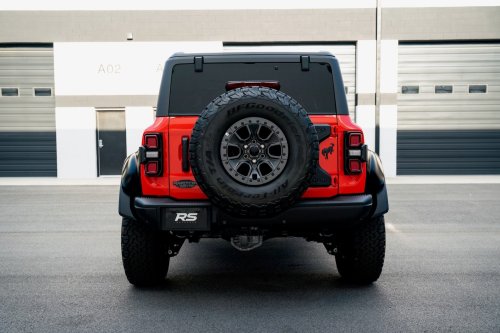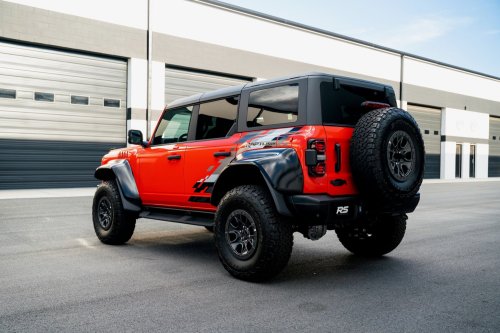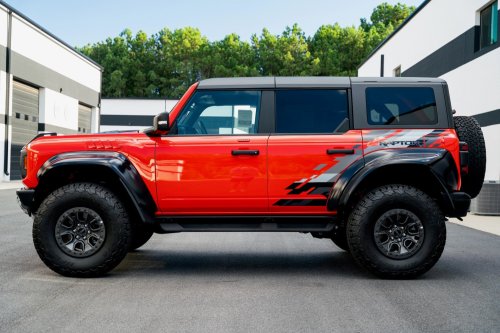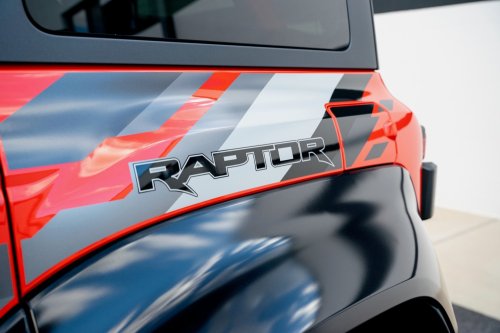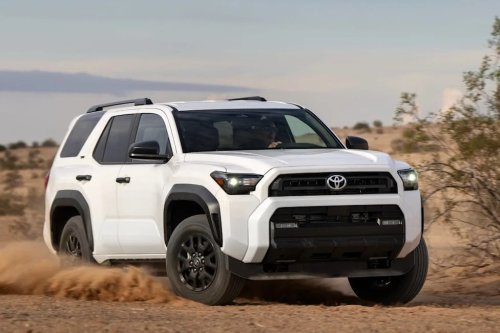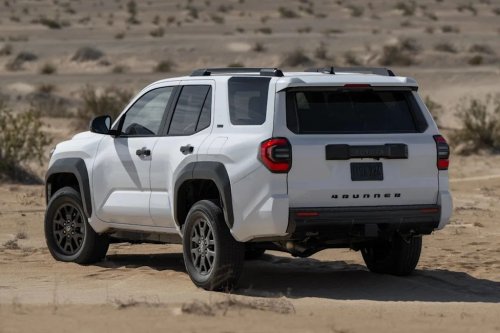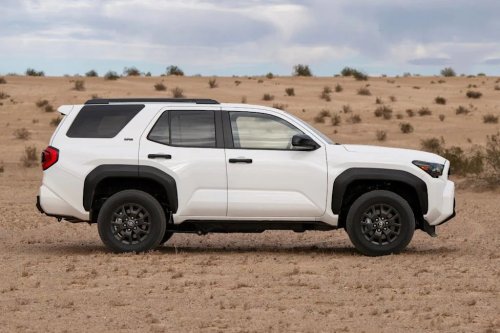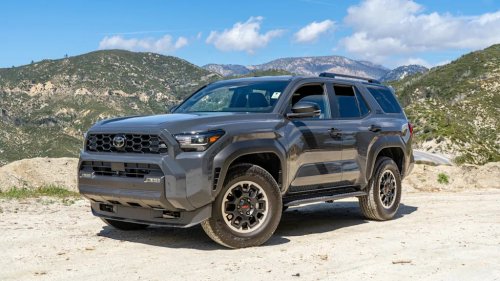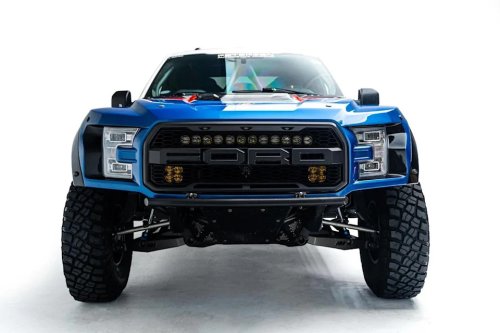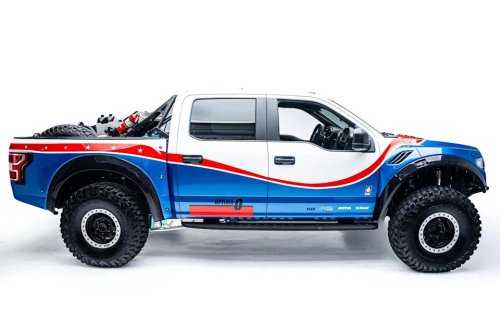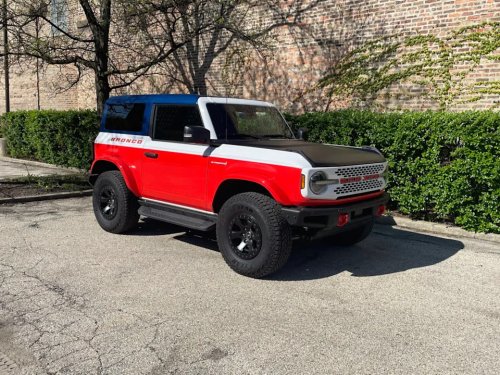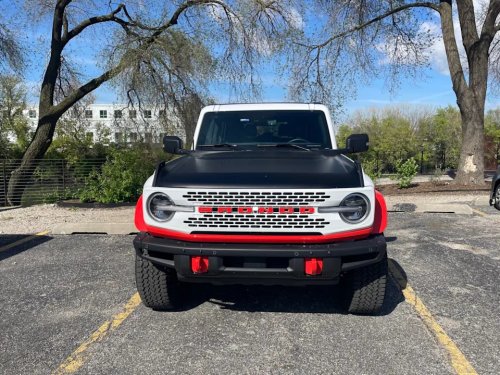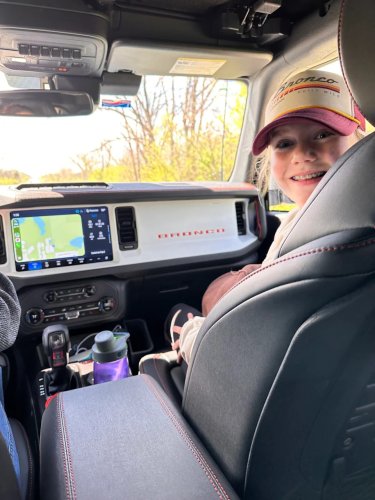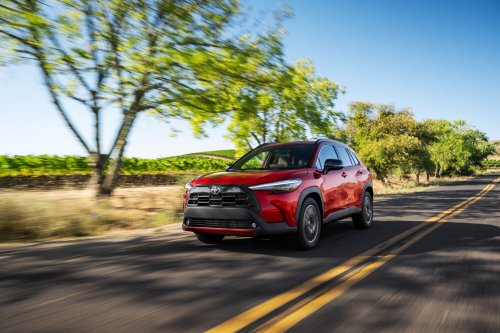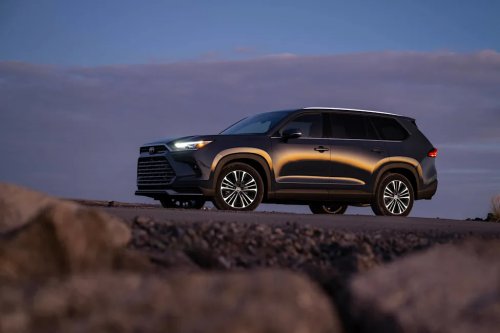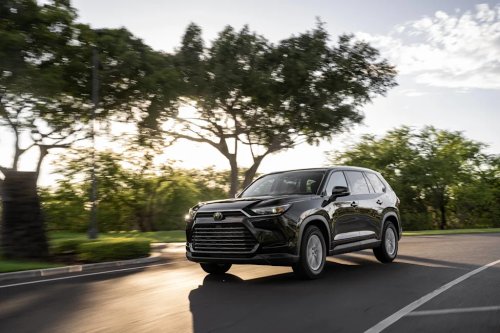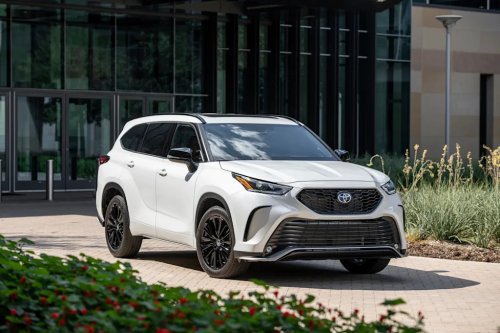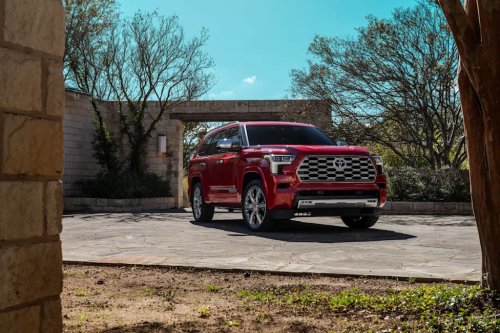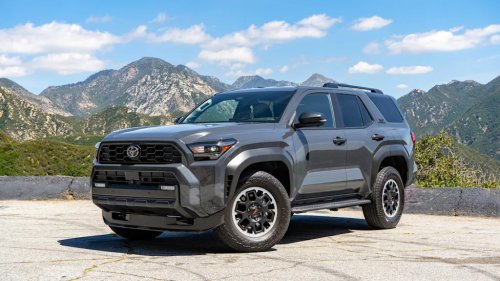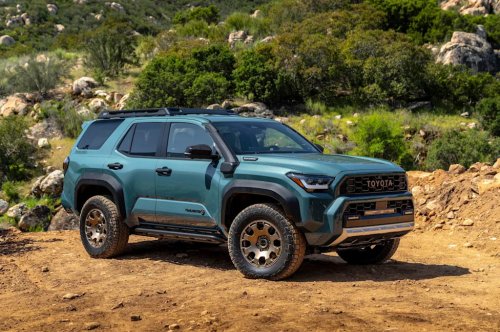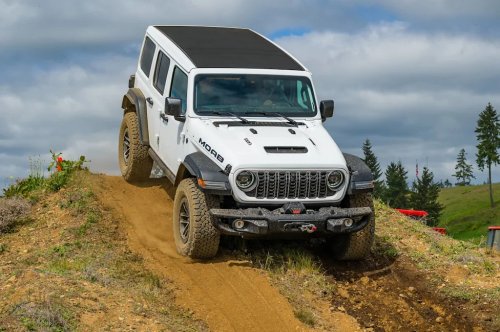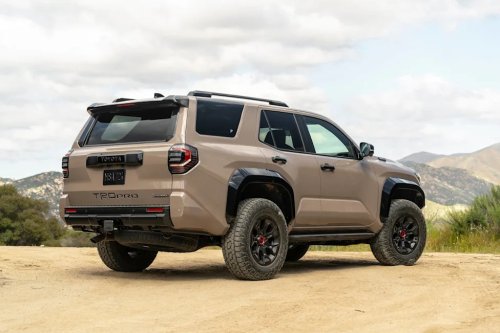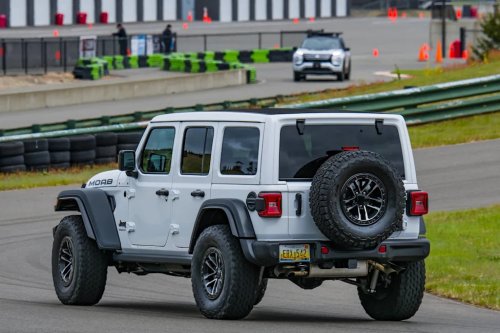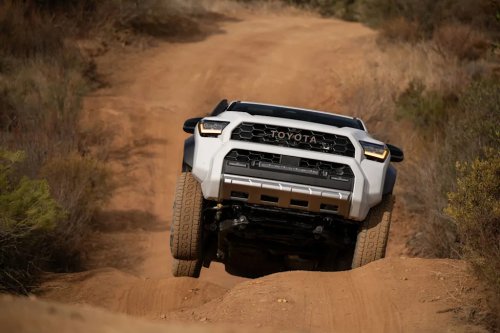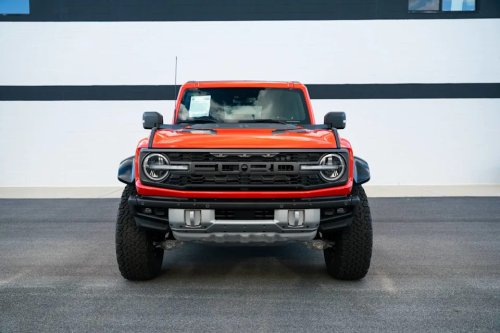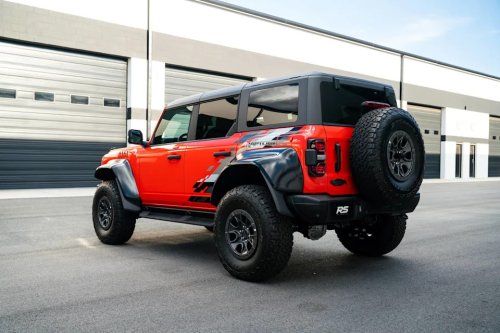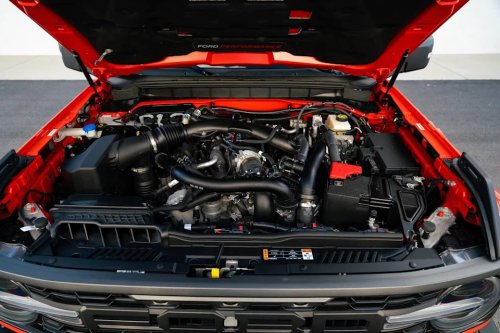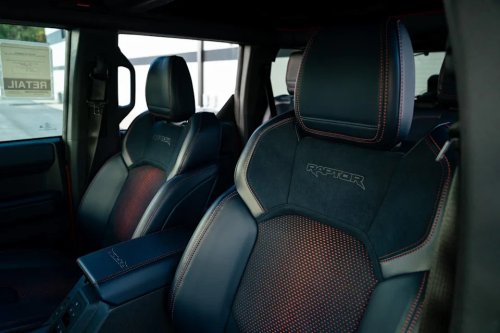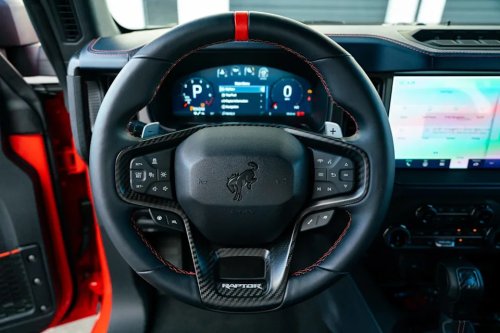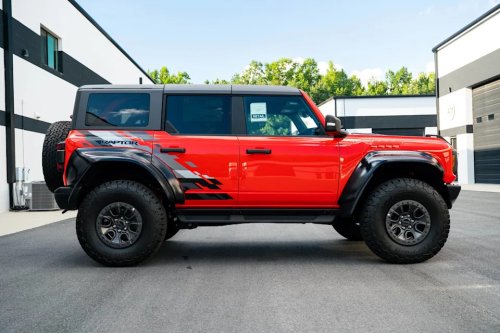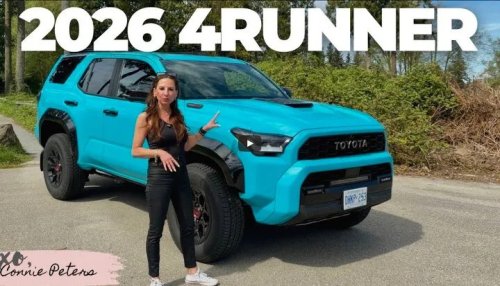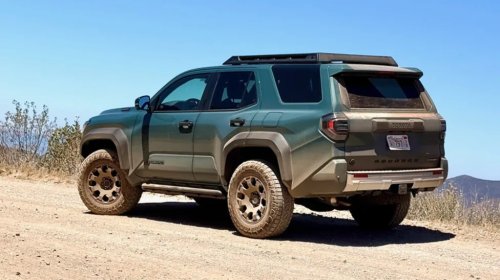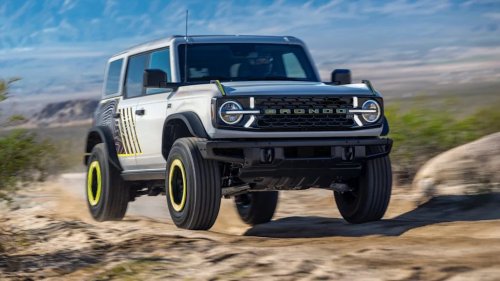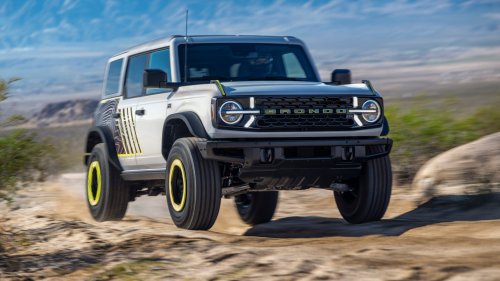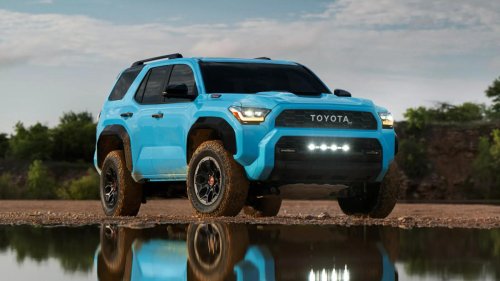
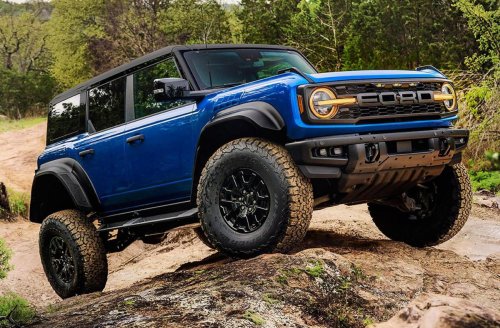
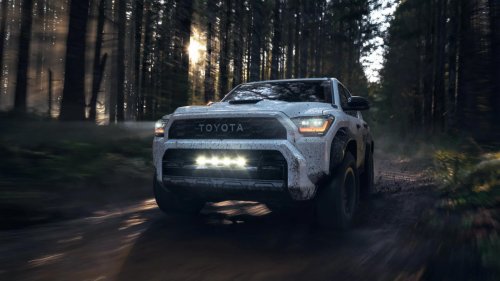
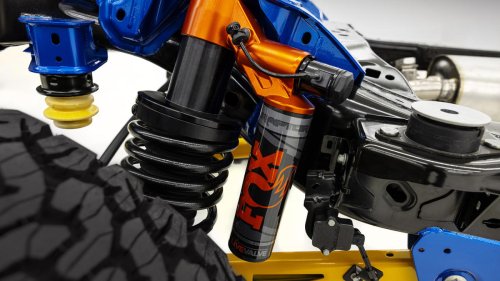
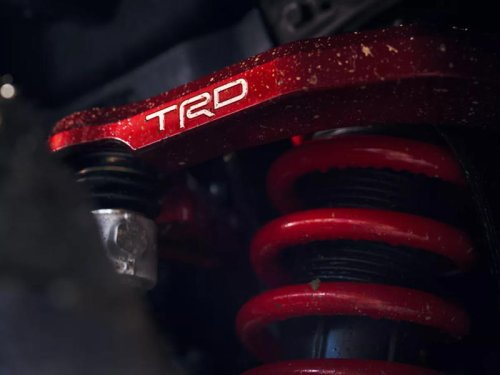
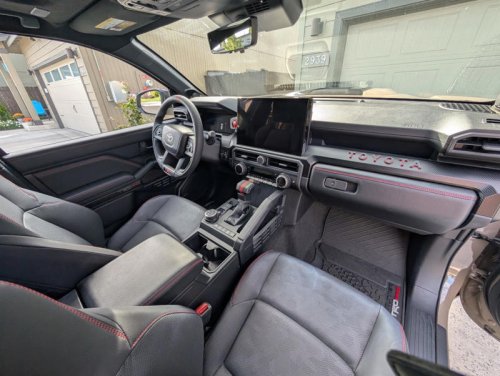
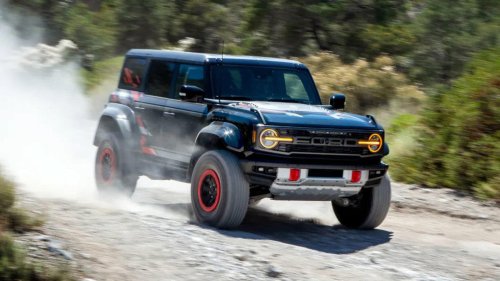
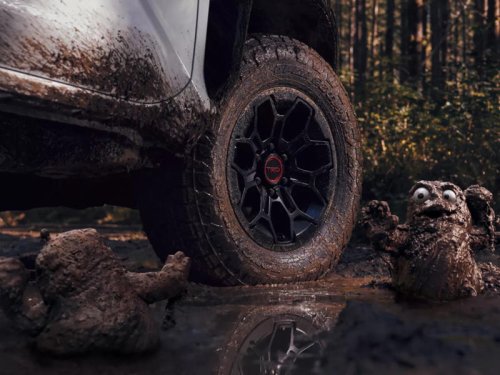
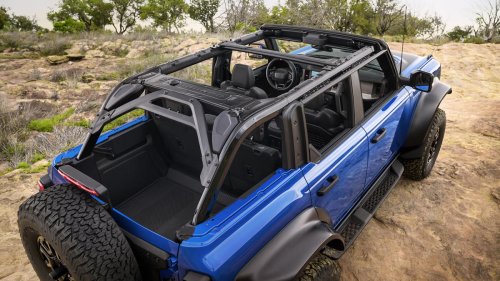
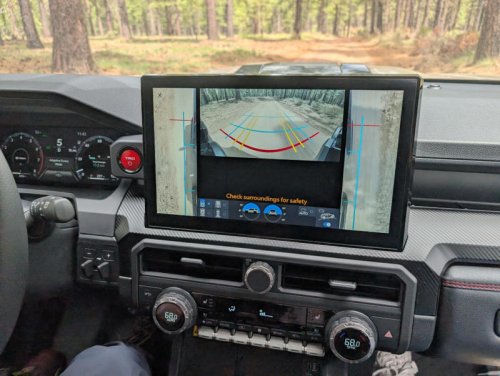



















Two of the most capable off-road SUVs money can buy just happen to occupy nearly the same price bracket, and the same parking spots at every trailhead. The 2026 Toyota 4Runner TRD Pro and the 2026 Ford Bronco Raptor each promise dirt-road dominance with factory-installed bragging rights, but they go about it in very different ways. The 4Runner TRD Pro is Toyota's flagship trail machine, built on the body-on-frame platform it shares with the Tacoma and Land Cruiser. For 2026, it's largely a carryover of the all-new sixth generation that launched in 2025, with a turbocharged hybrid powertrain, FOX suspension, and Toyota's reputation for lasting forever. The Bronco Raptor, meanwhile, is Ford's mild desert bruiser with a twin-turbo V6, massive 37-inch tires, and the kind of suspension travel that makes Baja runners jealous. It's also largely unchanged for 2026, meaning both cars arrive as mature, refined versions of their respective platforms. So which one deserves your driveway? Powertrain and DrivetrainUnder the hood is where these two start to diverge dramatically. The 4Runner TRD Pro comes standard with Toyota's i-Force Max hybrid powertrain, a turbocharged 2.4-liter four-cylinder paired with an electric motor, producing a combined 326 horsepower and 465 lb-ft of torque through an eight-speed automatic. Those torque numbers are impressive for a four-cylinder hybrid, and the electric motor provides low-end grunt for crawling over rocks at walking speed. The Bronco Raptor counters with pure displacement and forced induction. Its twin-turbocharged 3.0-liter EcoBoost V6 delivers 418 horsepower and 440 lb-ft of torque, paired with a 10-speed automatic. That's nearly 100 more horsepower, and you feel every one of them when you mash the throttle on a dirt road. The trade-off? Fuel economy. The 4Runner TRD Pro is rated at 23 mpg combined, which is genuinely respectable for a body-on-frame SUV. The Bronco Raptor manages just 15 mpg combined, 15 city, and 16 highway. That's the kind of fuel economy that makes gas station attendants wince. Towing is a mixed bag: the 4Runner TRD Pro can pull up to 5,800 pounds, while the Raptor maxes out at 4,500 pounds. The suspension story is where the Raptor really flexes. Ford's HOSS 4.0 (High-Performance Off-Road Stability Suspension) system uses FOX Live Valve 3.1 Internal Bypass semi-active dampers, tuned separately at the front and rear. Multiple sensors monitor terrain conditions hundreds of times per second and adjust accordingly. Ford Performance-designed control arms deliver a maximum wheel travel of 13 inches up front and 14 inches at the rear, which is roughly 60 percent more than a standard Bronco. Both front and rear electronic locking differentials come standard, along with a disconnecting front stabilizer bar that automatically reconnects at speeds above 40 mph. In plain English, the Raptor's suspension was built to eat whoops and washboard at speed, and it does exactly that. The 4Runner TRD Pro takes a different approach. It rides on FOX QS3 adjustable monotube shock absorbers with internal bypass and rear piggyback reservoirs, giving the driver manual control over damping firmness. It also gets an electronically disconnecting stabilizer bar for improved articulation on technical terrain, along with a rear locking differential. The setup is more deliberate and crawl-focused compared to the Raptor's high-speed desert bias. Multi-Terrain Select and Crawl Control round out the package, automatically managing throttle and braking across different surfaces so you can focus on steering through the rocks.Interior and cargo spaceBoth are five-seaters, and both offer reasonably comfortable cabins for a pair of adults up front. But the interiors tell very different stories about what each manufacturer thinks off-roading should feel like. The 4Runner TRD Pro features a modernized cabin that borrows design cues from the Tacoma, with large glove-friendly dials, toggle-style switches, and SofTex-trimmed heated and ventilated seats. It's a proper upgrade over the old 4Runner's famously outdated interior. Cargo-wise, you get 42.6 cubic feet behind the second row, expandable to 82.6 cubic feet with the seats folded. Note that the hybrid battery does eat into cargo volume compared to non-hybrid 4Runner trims, which offer up to 90.2 cubic feet of cargo volume. The Bronco Raptor's cabin is more utilitarian by design. It comes with marine-grade vinyl bucket seats, washable, durable, and ready for muddy boots. Cargo volume is 38.3 cubic feet behind the rear seats, expanding to 83 cubic feet with the seats folded. The Bronco does get points for its modular FITS accessory mounting system and washable rubber floors, which are genuinely useful if you're hauling wet gear.Exterior, dimensions, and stancePark these two side by side, and the Bronco Raptor immediately looks like the wider, more aggressive machine, because it is. The Raptor measures 191 inches long, 86.9 inches wide, and 77.8 inches tall, riding on a 116.5-inch wheelbase. The 4Runner TRD Pro comes in at 194.9 inches long, 79.9 inches wide, and 74.0 inches tall on a 112.2-inch wheelbase. So the 4Runner is actually about 4 inches longer, but the Raptor is a full 7 inches wider and nearly 4 inches taller. Ground clearance tells another important story. The Bronco Raptor boasts 13.1 inches of ground clearance, while the 4Runner TRD Pro offers 10.1 inches. That three-inch gap is significant on technical trails. Wheel and tire setups differ considerably too. The Raptor rolls on 17-inch alloy wheels wrapped in enormous 37-inch all-terrain tires, while the 4Runner TRD Pro wears 18-inch wheels with 33-inch Toyo Open Country A/T III tires. The Raptor also offers beadlock-capable wheels for serious low-pressure trail driving. One Bronco party trick that the 4Runner simply can't match: removable doors and roof panels. If open-air off-roading appeals to you, the Bronco is the only game in town. The 4Runner counters with its signature power rear window, a fan-favorite feature across every generation, and widened overfenders with 1.5 inches of extra coverage on the TRD Pro.Ford Bronco Raptor Technology and safetyBoth SUVs have met modern expectations, though neither will be mistaken for a luxury vehicle. The 4Runner TRD Pro comes with a 14-inch Toyota Audio Multimedia touchscreen, wireless Apple CarPlay and Android Auto, and a JBL premium audio system on higher trims. Toyota Safety Sense 3.0 is standard, including forward collision warning with pedestrian detection, automatic emergency braking, adaptive cruise control, lane-centering steering, and blind spot monitoring. The 4Runner also offers a Multi-Terrain Monitor that uses a 360-degree camera system for obstacle detection, which is incredibly useful when you can't see what's directly beneath your front bumper. The Bronco Raptor features a 12-inch touchscreen and a 12-inch digital instrument cluster, with wireless Apple CarPlay and Android Auto, and a B&O 12-speaker audio system as standard. Ford's Co-Pilot360 suite covers the safety basics, and the Raptor gets its own unique off-road tech: seven G.O.A.T. Modes including a Baja mode calibrated for high-speed desert running, plus Trail Control (essentially low-speed cruise control for trails) and Trail One-Pedal Drive.PricingThe 2026 Toyota 4Runner TRD Pro has an MSRP of approximately $68,200. The 2026 Ford Bronco Raptor starts at roughly $79,995 MSRP. That's roughly a $12,000 gap before you add destination charges and options. Factor in running costs and the gap widens further. The 4Runner's hybrid powertrain sips regular fuel at 23 mpg combined, while the Raptor's thirst for premium at 15 mpg combined will add noticeably to your monthly fuel bill. Toyota also tends to hold resale value exceptionally well, particularly on 4Runner and TRD-badged models, which softens the total cost of ownership over time. Both carry three-year/36,000-mile basic warranties and five-year/60,000-mile powertrain warranties. The 4Runner's hybrid models come with a 10-year/150,000-mile hybrid battery warranty, which provides a nice cushion for long-term ownership.The VerdictThese two SUVs are both excellent, but they're excellent at different things, and which one suits you depends on what kind of adventures you're planning. Choose the 4Runner TRD Pro if you want a practical, fuel-efficient trail rig that doubles as a comfortable daily driver. Its hybrid powertrain delivers strong low-end torque for crawling, genuine fuel savings at the pump, and Toyota's legendary reliability reputation. Choose the Bronco Raptor if you want the most thrilling off-road experience straight from the factory floor. Its power advantage is real and intoxicating, the suspension travel is in a class of its own, and those 37-inch tires inspire serious confidence on rough terrain. The removable roof and doors offer an open-air experience that the 4Runner simply can't replicate. Just be prepared to spend more up front, and at every gas station along the way.