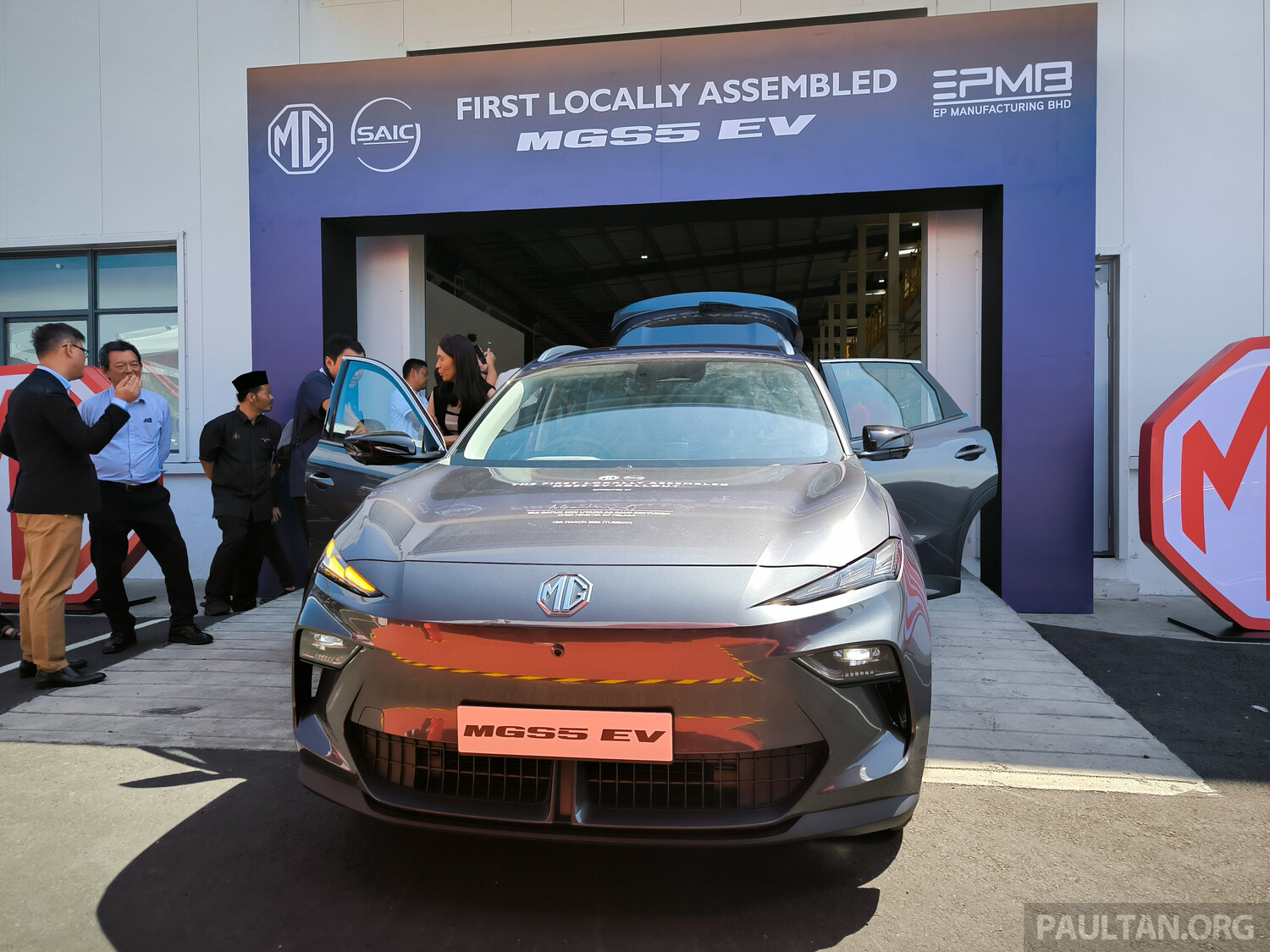
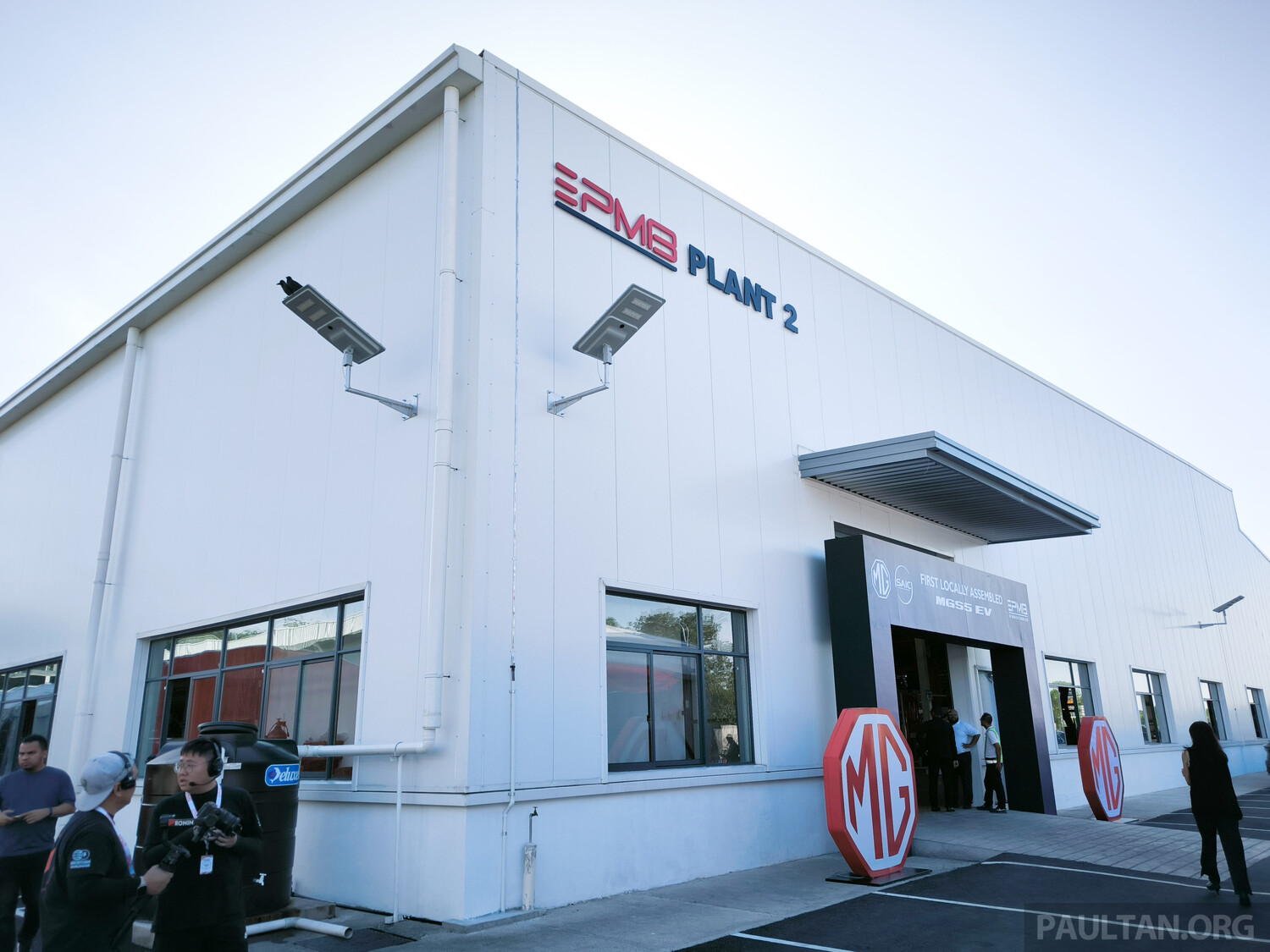
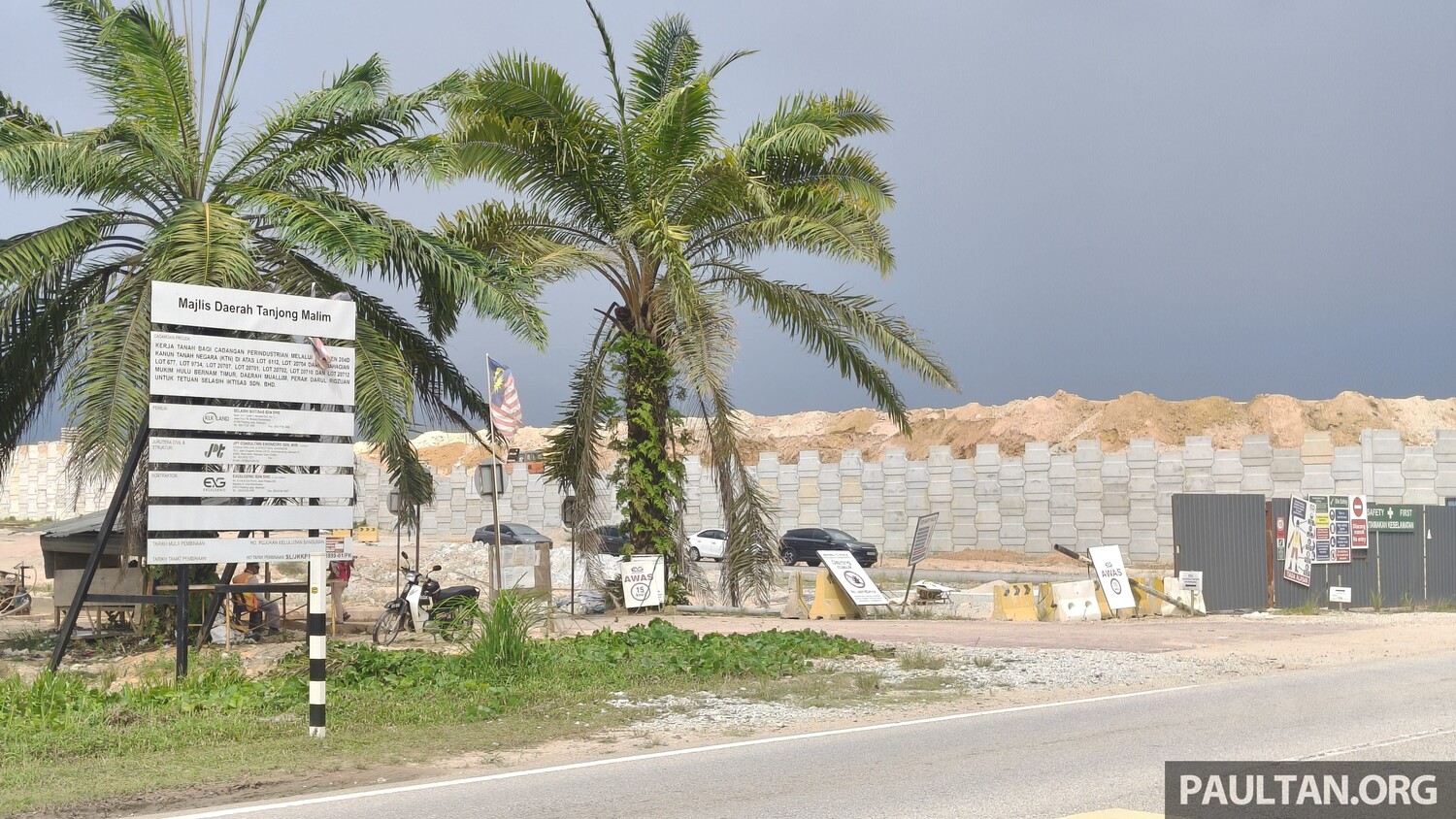
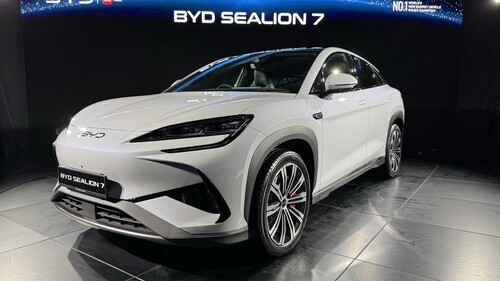
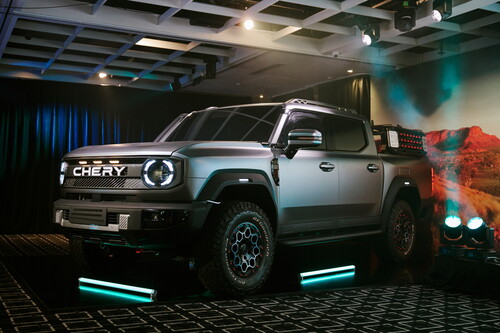
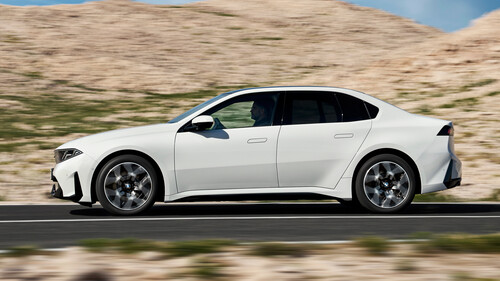
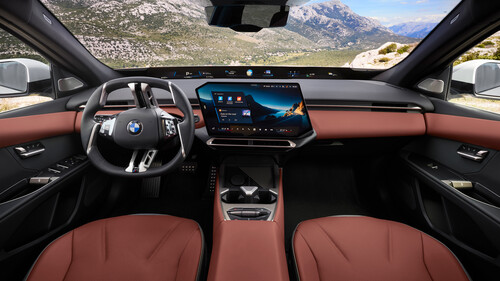
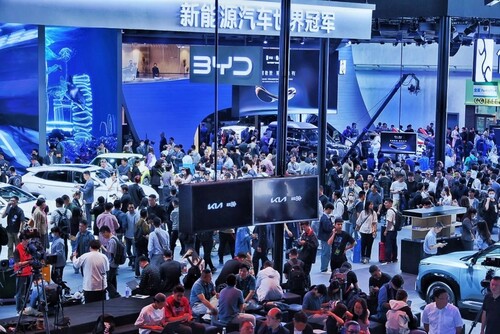
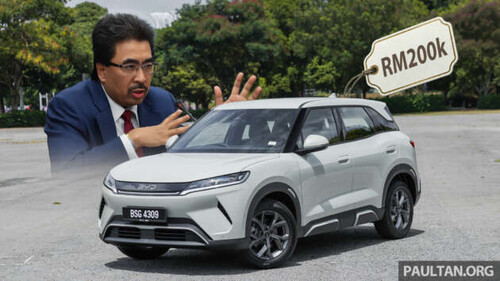
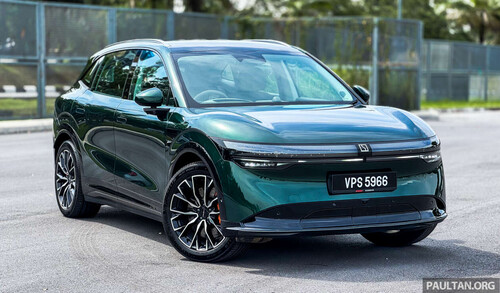
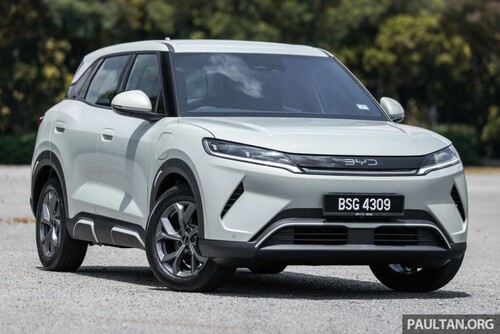
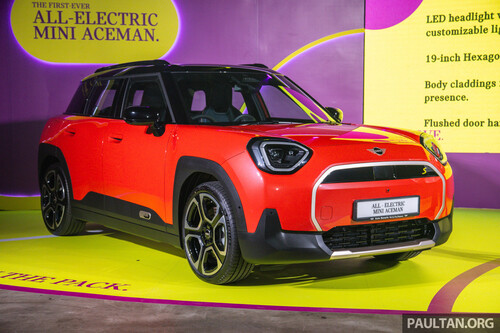
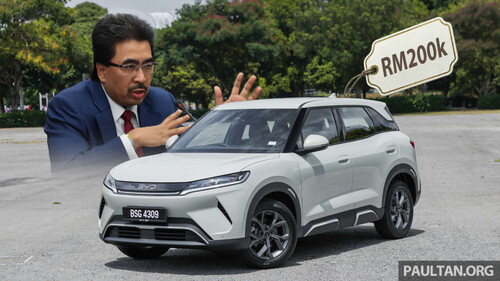
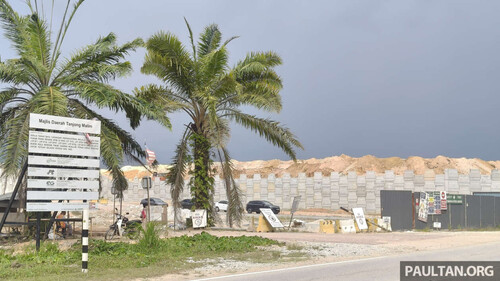
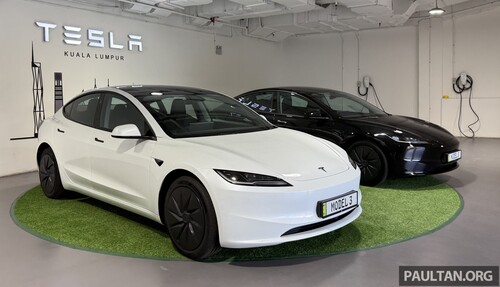
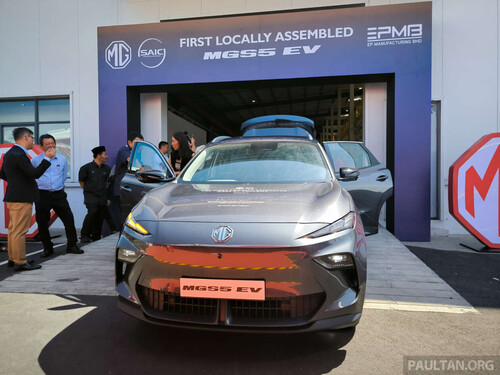
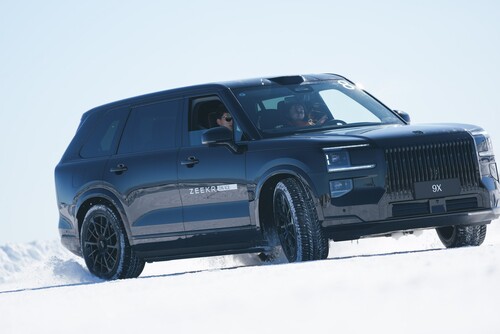
Malaysia’s electric vehicle (EV) policy, set by the ministry of international trade and industry (MITI), is designed not just to protect national carmakers Proton and Perodua, but to develop the local automotive industry. The aim is to encourage EV makers to set up operations in Malaysia and work more with local suppliers, deputy MITI minister Sim Tze Tzin said. “We want foreign manufacturers to collaborate with our local vendors in the ecosystem so that they can enhance their capabilities, move up the value chain and position Malaysia to become an exporter of automotive components and parts while also preparing for the future of autonomous driving,” he told reporters on the sidelines of the 2nd Asean Automotive and Mobility Conference this week, reported by The Edge. In his opening speech at the event, Sim said that the government’s focus is on building a ‘complete ecosystem’ encompassing manufacturing, supply chains, infrastructure, talent and innovation. He pointed out that Malaysia’s automotive sector contributed an estimated RM80 billion to RM95 billion to the country’s GDP in 2025 and employed more than 750,000 people. The Bayan Baru MP added that Perodua works with about 190 vendors while Proton has a network of 116 vendors, and together, the OEMs spend almost RM15 billion on local parts. Malaysia currently has over 640 automotive parts manufacturers, including between 150 and 180 Tier 1 suppliers serving both local and foreign carmakers. This is now a hot topic because of MITI’s new regulation for CBU fully imported EVs, which raises the entry barrier in two areas – declared CIF value (cost, insurance and freight) of no less than RM200,000 and minimum power output of 180 kW (245 PS), effective July 1. CIF is before tax and margins, and we expect RRPs for CBU EVs to be at least RM300,000 in the best case scenario. And that is if the imported EV clears 180 kW output hurdle in the first place. Combined, these two requirements will ‘push out’ a swathe of mid-range CBU EVs, leaving only CKD models and premium CBU options. Ready stock and cars that are in transit are exempted from this new rule. You can read more about it here. Sim rejects concerns that the new effective minimum price for imported EVs will limit access to cheaper models. “If they want to price EVs between RM100,000 and RM200,000, they can work together with contract manufacturers to manufacture here,” he said. Coupled with MITI’s regulations for new factories, does the government then prefer OEMs to partner with local contract assembly operators over establishing their own plants? Clearly, that the brand that will be the most impacted by this move is BYD, which entire range is imported from China. The carmakers knew full well that their easy CBU EV business model would one day be no longer viable – as such, some have started CKD, many have at least expressed their intention to locally assemble, and a few are starting soon. BYD too has CKD plans, but it hit a snag recently when MITI announced new regulations for car factories. In a March 31 statement, MITI minister Datuk Seri Johari Abdul Ghani said that BYD (and all new EV plants after September 2025) will have to abide by a floor price of RM100k, an output split of 80% export/20% domestic sales, and the mandatory inclusion of a paint shop, which is a costly element in a car factory and a sign of ‘serious work’ being done there, so to speak. Failure to meet any of the newly imposed regulations would mean that BYD would not be issued a manufacturing license to run a CKD operation. It’s clear that the most challenging item on the list is the 80% export requirement, which is unrealistic for BYD as it already has CKD plants in both Thailand and Indonesia, never mind the huge capacity the company has back home in China. MITI’s statement on March 31 said that these conditions are not unique to BYD, are non-discriminatory and are applicable to all regardless of brands and countries of origin. It applies to all new automotive investments in Malaysia beginning September 2025, “except those using existing local assembly facilities”. Conversely, this also means that existing CKD operations can run without a local paint shop, which Proton eMas and EPMB both do not have. Going back to Sim’s contract manufacturer suggestion, it’s a path that a couple of Chinese brands have gone down o late. Most recently, MG rolled off its S5 EV from EPMB’s Melaka plant, which also counts GWM, BAIC and Xpeng as clients. The Inokom plant in Kulim, Kedah – owned by BYD’s local partner Sime Motors – assembles EVs for Chery and BMW – will it have excess capacity to support BYD? If not, could BYD and Sime/Inokom work together to build a fresh plant nearby, while using the local party’s manufacturing license? If MITI allows this, it could well be a potential off-ramp for the impasse between carmaker and government. There’s the small matter of the Tanjong Malim land that BYD has already secured – small change for the Shenzhen-based EV giant surely. Anyway, here’s a list of possible EV contract assembly partnerships to our knowledge, based on what’s already established, or the current relationship between carmaker and assembler in the ICE realm. BAIC/Arcfox – previously signed with EPMB BMW/MINI – Inokom Changan – rumoured to be Berjaya Assembly, formerly the Oriental plant in Johor Dongfeng – previously signed an MoU with NexV, but no word since Neta’s collapse GAC Aion – Tan Chong GWM – EPMB with the G9 PHEV, but its EVs are still CBU Honda – own plant in Melaka, partnering DRB-Hicom, but no plans to CKD EVs Hyundai/Kia – Inokom, but no plans to CKD EVs Jetour – Berjaya Assembly, but no plans for CKD EVs so far Leapmotor – Stellantis’ own plant in Gurun, Kedah. Ex-Naza plant Mazda – Inokom, but no plans for CKD EVs Mercedes-Benz – DRB-Hicom in Pekan, Pahang MG – EPMB Nissan – Tan Chong’s own plants in Segambut and Serendah, but no CKD EV plans Perodua – own plant in Sg Choh, with plans to purchase or contact assemble at Tan Chong Serendah Peugeot – Stellantis’ own plant in Gurun, but no CKD EV plans Porsche – Inokom, but no plans for CKD EVs Proton – own dedicated EV assembly plant in Tanjong Malim Toyota – UMW, now under Sime. But no CKD EV plans Volkswagen – DRB, but no CKD EV plans Volvo – own plant in Shah Alam Wuling – Tan Chong Segambut Xpeng – EPMB We didn’t include the Chery Group above as it deserves special mention. They had the Chery Omoda E5 rolling out from Inokom in Kulim, and the group currently operates its own plant in Shah Alam – the iCaur 03 will soon be CKD assembled here. There’s more. Chery is building a new factory in Lembah Beringin, Hulu Selangor. It was granted a manufacturing license without the T&Cs imposed on BYD, as the Wuhu carmaker had signed the agreement before the September 2025 cut-off date, according to MITI. The same applies to all existing car plants in Malaysia. Finally, Zeekr. The Geely-owned premium brand has announced that it will set up its own assembly plant in Tanjong Malim, with the CKD 7X expected to be rolled out in 2027 at the earliest. It remains to be seen if Zeekr is subject to the same new factory requirements as BYD, or if it will be allowed to operate under stablemate Proton’s ‘umbrella’. Looking to sell your car? Sell it with Carro. Compare prices between different insurer providers to save the most on your car insurance renewal compared to other competing services. Many payment method supported and you can pay with instalment using Atome, Grab PayLater or Shopee SPayLater. Use the promo code 'PAULTAN' when you checkout for 10% discount!