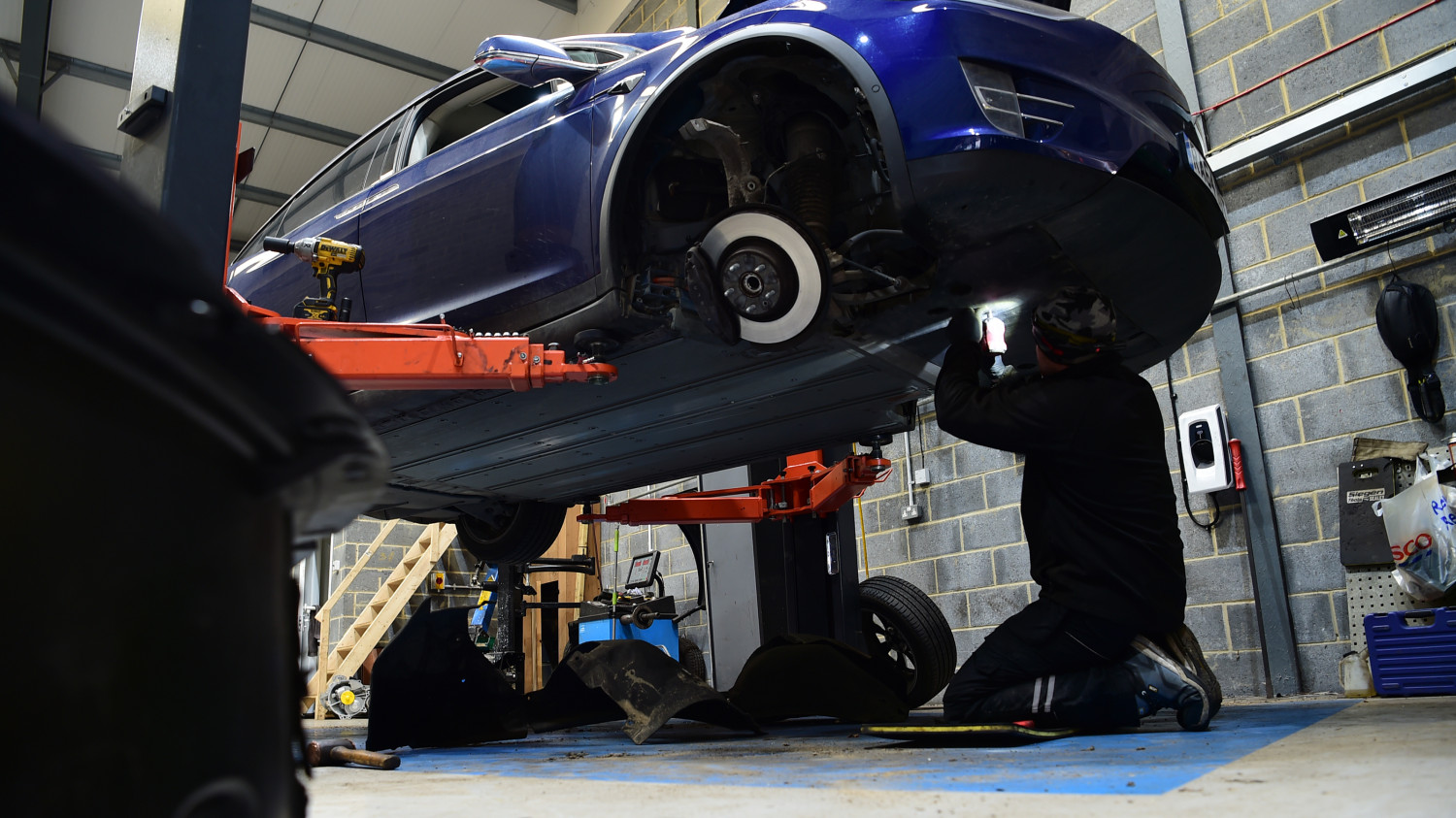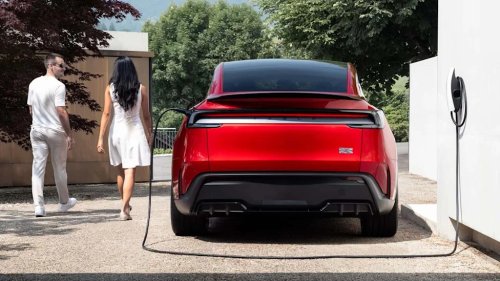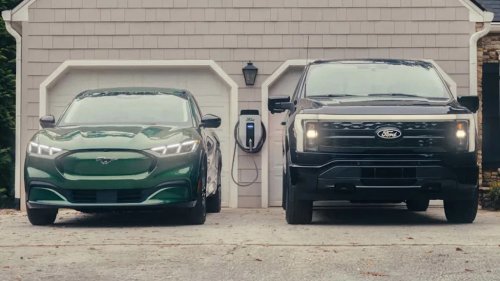
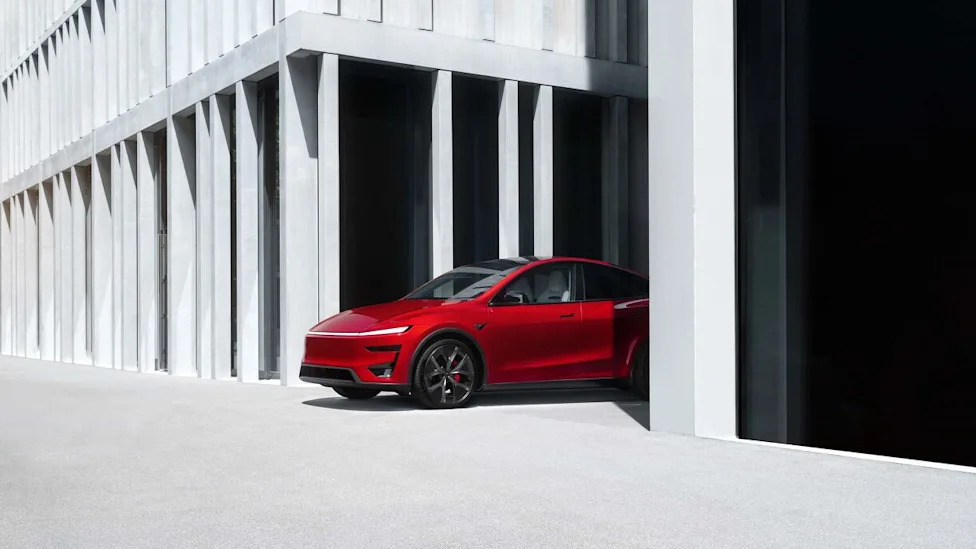



















insurancethe hidden cost of ev ownership nobody wants to talk aboutEV sales cooled late last year and into early 2026 after the $7,500 federal tax credit expired, but purchase incentives are only part of the affordability problem facing the segment.According to S&P Global Mobility, new EV registrations fell 41 percent in January compared with the same month in 2024. The loss of the federal credit is an obvious factor, but new insurance data suggests ownership costs are creating another obstacle for shoppers already wary of higher EV transaction prices.A 2026 report from Insurify, which analyzed more than 235 million insurance rates, found that electric vehicles cost an average of 42 percent more to insure than comparable gas-powered vehicles. Nationally, full coverage on an EV averages $3,159 per year, compared with $2,218 for a similar internal-combustion vehicle. That works out to nearly $1,000 more annually before factoring in charging costs, depreciation, or financing.insurancethe hidden cost of ev ownership nobody wants to talk aboutThe gap is mostly tied to repair economics. EV battery packs are expensive, and many electric vehicles use highly integrated structures that can make collision repairs more complicated. In some cases, relatively minor damage can push a vehicle toward a total loss. There is also a shortage of certified EV repair technicians, which raises labor costs and can stretch repair timelines.AdvertisementAdvertisementLocation makes the problem worse. Washington, D.C., is the most expensive market in the country for EV insurance, with average annual premiums of $6,394. Among states, Massachusetts has the widest gap between EVs and gas vehicles, with electric models costing 54 percent more to insure. New York follows at 45 percent, while Rhode Island is at 39 percent. Oregon and New Jersey both show a 36 percent premium difference.RankStateAvg. Annual EV PremiumAvg. Annual Gas-Powered PremiumEV vs. Gas Cost Difference1Massachusetts$3,560$2,31854%2New York$4,531$3,13545%3Rhode Island$6,043$4,34439%4Oregon$3,346$2,45436%5New Jersey$5,632$4,14536%6Idaho$2,063$1,57331%7Washington$3,260$2,51530%8Delaware$4,046$3,12330%9North Carolina$2,374$1,84828%10Kansas$3,073$2,41127%Tesla's market position adds another layer. The brand remains the U.S. EV sales leader, but its vehicles are also among the more expensive electric models to insure. That could become a larger issue as shoppers compare total ownership costs rather than just monthly payments or fuel savings.There are signs the gap may narrow over time. For 2024 model-year EVs and newer, Insurify found the insurance difference drops to 18 percent, or about $501 per year. Newer EVs tend to include more advanced driver-assistance and crash-avoidance systems, which can reduce claims frequency. Insurers appear to be starting to price some of that lower risk into premiums.insurancethe hidden cost of ev ownership nobody wants to talk aboutUsed EVs are also becoming part of the affordability equation. Cox Automotive reported that pre-owned EV sales rose 54 percent in March compared with the prior month, as buyers looked for lower prices and avoided some of the steep depreciation affecting new electric models. Higher gasoline prices likely helped the used-EV market as well, particularly for buyers who can charge at home.AdvertisementAdvertisementFor now, though, EV affordability remains uneven. Lower fueling costs still work in favor of electric vehicles, but high insurance premiums, repair costs, and elevated sticker prices continue to complicate the math. Until those costs come closer to gas-powered vehicles, the end of the federal tax credit will not be the only reason shoppers hesitate.Become an AutoGuide insider. Get the latest from the automotive world first by subscribing to our newsletter here.