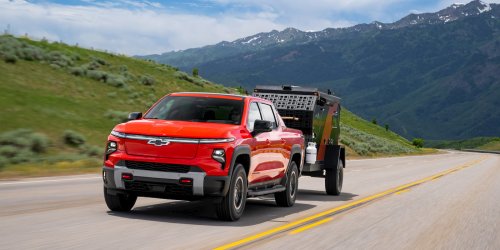
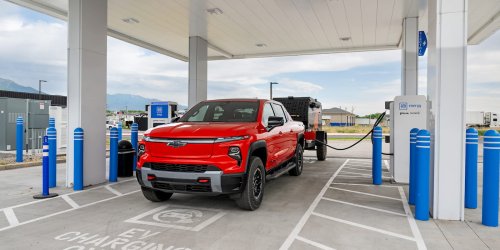
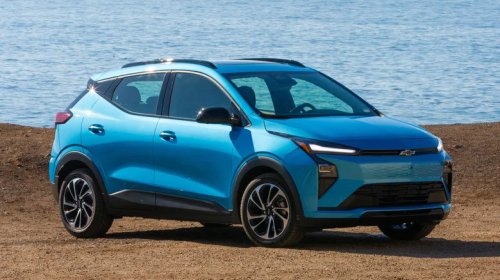
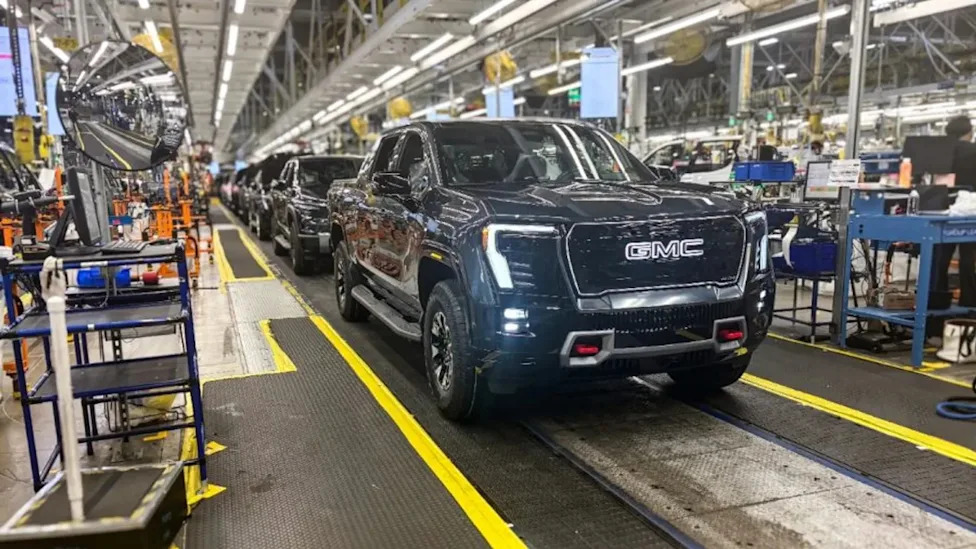
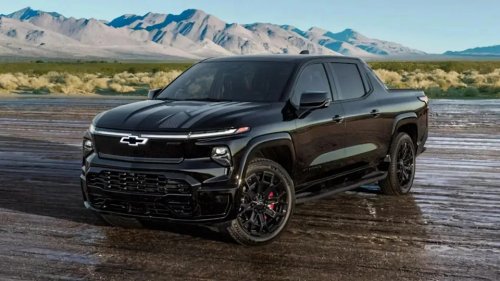
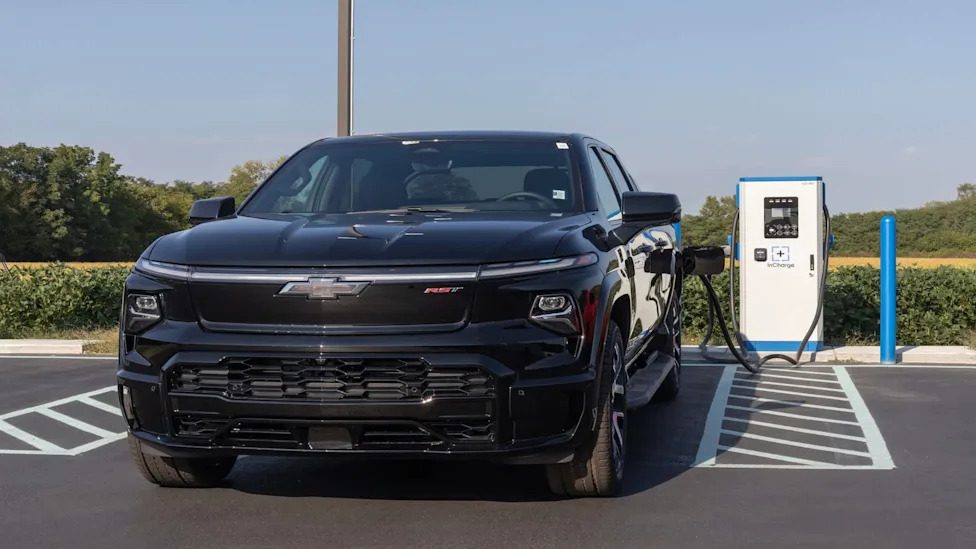
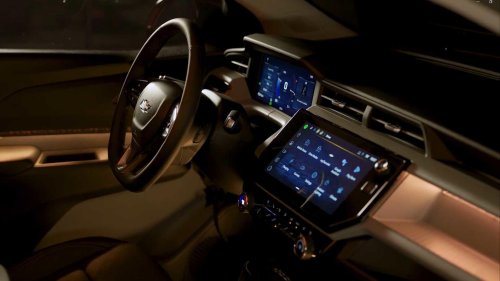
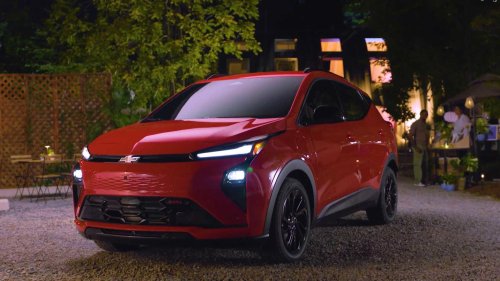
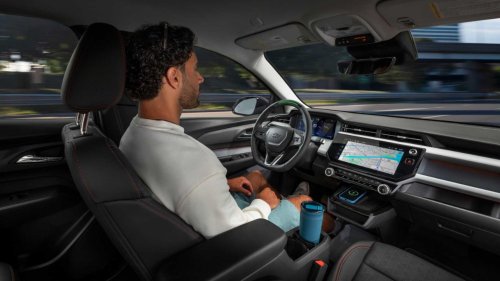
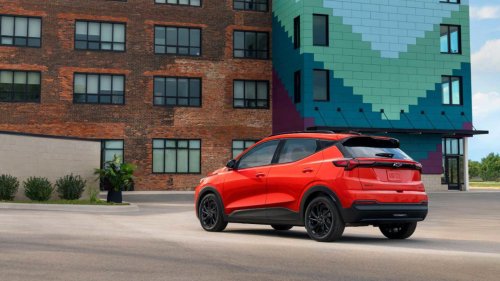
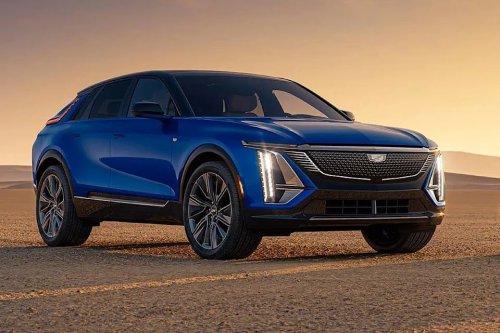
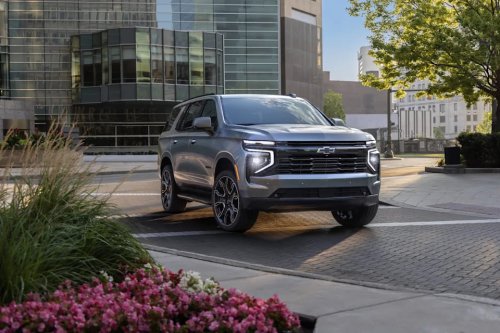
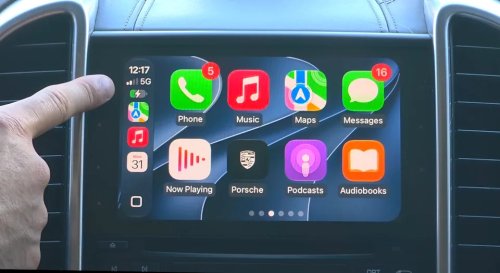
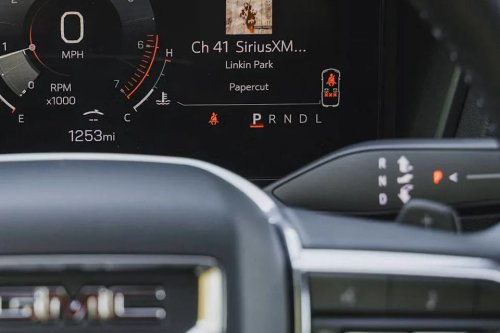
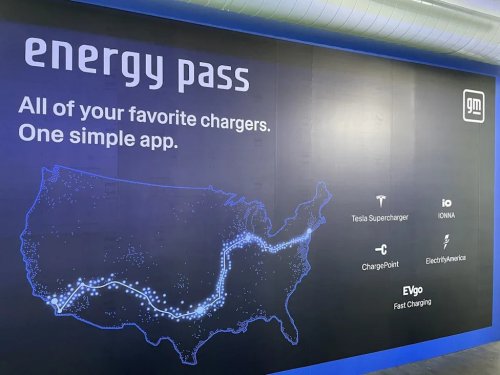
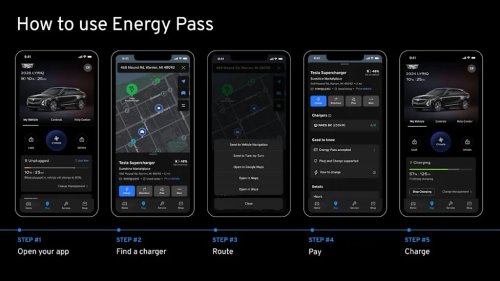
how gm solved the worst part of ev ownershipSAN FRANCISCO, Cal. – Electric car owners will tell you the worst part about an electric car isn't range anxiety, it's the hassle of charging on the go.It's not what you might think either. The problem isn't wait times, or even broken infrastructure (itself an issue) but the integration issues between apps, chargers, vehicles and accounts. It's an best inconvenient. At worst: infuriating.In fact, just last week, The AutoGuide Show hosted Brent Gruber, Executive Director of EV Solutions at JD Power who explained many of these key issues, including how chargers can physically exist but just don't appear on your car's app or infotainment system due to an integration issue. Watch the full episode below.To paint a hyperbolic simile that non EV owners can understand: it's like if every gas station required its own app tied to your credit card, and you can't fuel-up unless you download the app and connect it to your banking info. In fact, it might not be hyperbole at all.AdvertisementAdvertisementIn a long overdue move, General Motors today has announced what it calls Energy Pass, something that will be greeted with applause by owners.Taking a leadership role the automaker has confirmed that owners can now easily access Tesla, Electrify America, and IONNA stations in North America, with EVgo and ChargePoint being added soon. This will allow users of myChevrolet, myCadillac, and myGMC apps to not only charge at these stations but to easily find them as well.This integration will cover 70% of all US DC fast charging stations.how gm solved the worst part of ev ownershipHow it WorksInstead of acting as a standalone software platform, Energy Pass functions as a backend consolidator. By aggregating major charging networks into a single user interface, GM owners can locate stalls, initiate charging sessions, monitor live vehicle status and handle billing through a single, pre-existing account.AdvertisementAdvertisementFor the end user, this consolidation means a single point of data entry. Rather than managing multiple active balances, passwords, and digital receipts across half a dozen distinct platforms, financial tracking and session history are housed entirely within the vehicle's native application. GM also noted that the platform will pass through exclusive network discounts to enrolled users at select stations.how gm solved the worst part of ev ownershipTrue Integration: Expanding Plug & ChargeWhile in-app activation is a massive step forward, the ultimate goal for EV refueling convenience remains Plug & Charge. This technology allows the vehicle to securely communicate directly with the charging stall via the cable, authenticating the vehicle and processing payment automatically without requiring the driver to interact with a phone or a physical credit card reader.Energy Pass acts as the foundation for this capability. The Plug & Charge functionality is already live for GM drivers at IONNA Rechargeries and EVgo locations. GM plans to scale this feature rapidly, adding it to the ChargePoint network this summer, while an over-the-air (OTA) software update later this year will enable automated Plug & Charge capabilities at Tesla Superchargers for properly equipped GM vehicles.Aligning with the NACS Hardware TransitionThe rollout of Energy Pass is strategically timed alongside GM's broader hardware shift to the North American Charging Standard (NACS). The automaker is currently phasing out the older CCS1 ports in favor of the smaller, native NACS inlets popularized by Tesla.Model YearVehicle StatusPort ConfigurationCurrent Lineup2026 Cadillac OPTIQ & 2027 Chevrolet BoltNative NACS PortUpcoming (Pre-Dec)All new 2027 MY Chevrolet, GMC, & Cadillac EVsNative NACS PortLegacy EVsExisting CCS-equipped GM modelsRequires NACS Adapterhow gm solved the worst part of ev ownershipBy combining the physical NACS port rollout with the digital consolidation of Energy Pass, GM is attempting to solve the two largest hurdles facing mainstream EV adoption: hardware incompatibility and fragmented software. For current and prospective owners, it means public charging is finally starting to look less like an experimental tech workaround and more like a mature, utility-driven automotive ecosystem.AdvertisementAdvertisementGasoline prices show no signs of slowing down, and yet EVs still face a a widespread adoption issue. This step forward by General Motors means there is now one less deterrent when it comes to purchasing an electric car.



















 +61 others