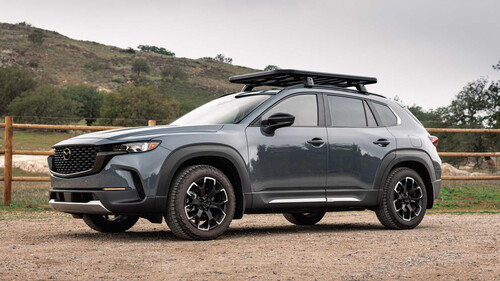
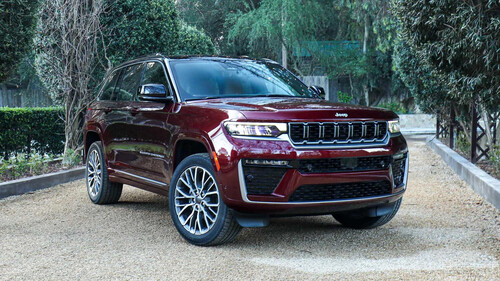
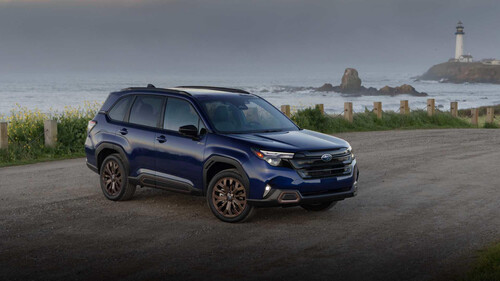
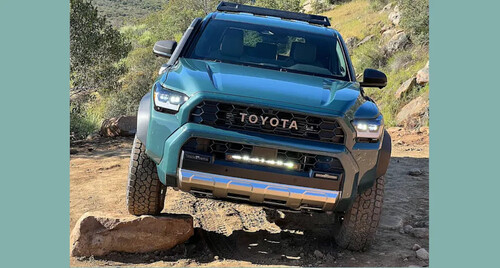
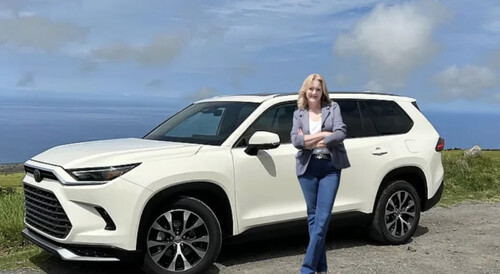
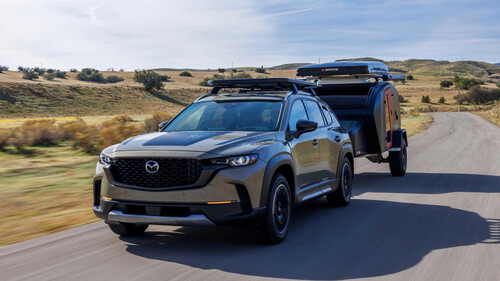
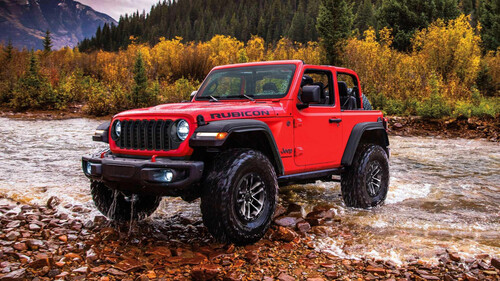
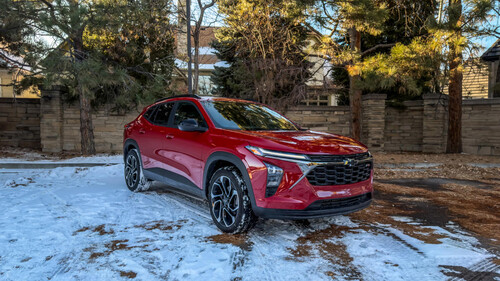
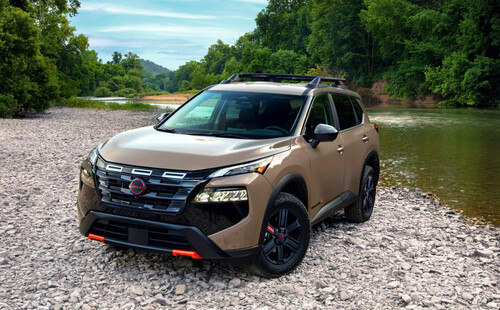
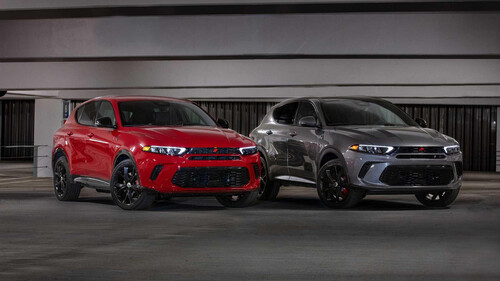
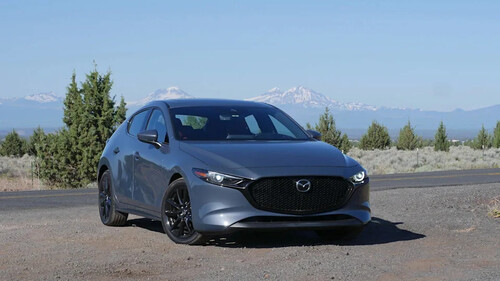
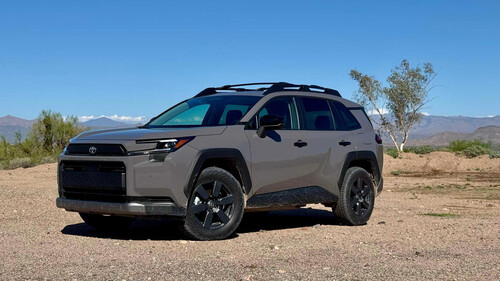
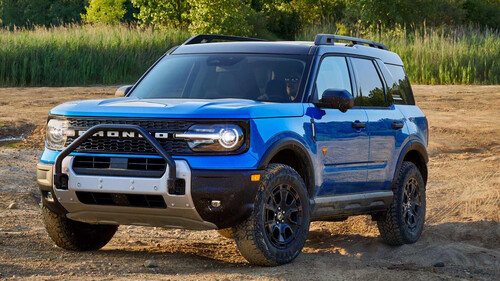
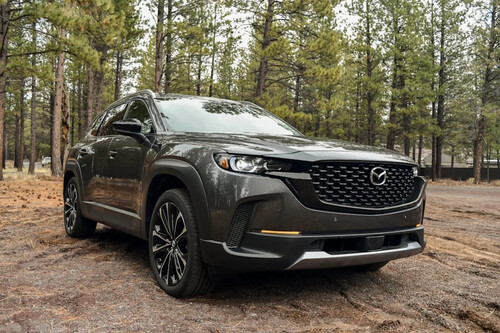
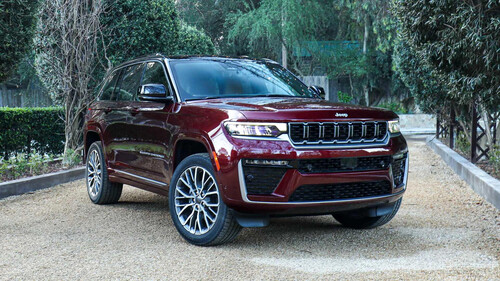
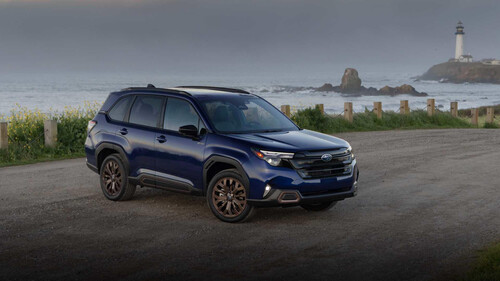
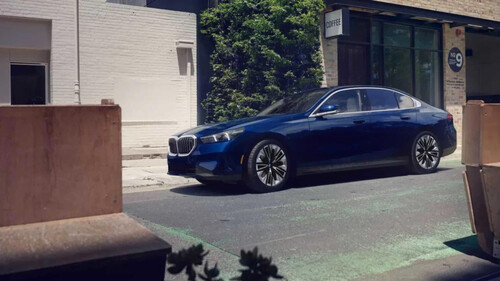
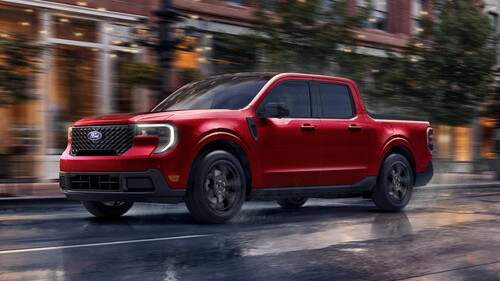
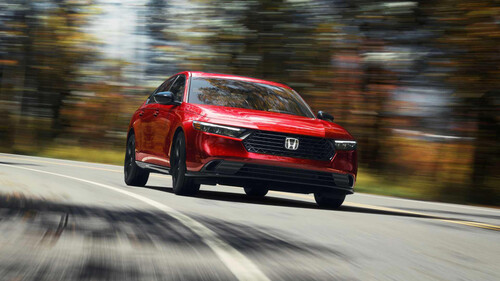
Autoblog and Yahoo may earn commission from links in this article.A redesign gambles that you can change a car without losing the people who already bought it. These five 2026 models look like the wrong call with the buyers who cared most. The complaints came early and specific, in owner forums and comment threads, almost always about one thing the redesign took away. What that has done to sales differs from car to car, and none of them has a full year on the market yet. The unhappiness is already on the record.Subaru OutbackThe Outback spent three decades as a lifted wagon that refused to become an SUV. For 2026 it became one: taller, boxier, split headlights, more cladding. Subaru also cut the base trim, moved production to Japan, and pushed the starting price to $34,995.AdvertisementAdvertisementA lot of longtime owners hate the look. The complaint that comes up most is not one detail but the overall shape, that the wagon is gone and the thing replacing it could wear a Kia or Hyundai badge without anyone noticing.The year opened badly for it. Sales fell 24.3 percent in February, 42.9 percent in March, and 8.3 percent in April, a 32.2 percent hole through the first quarter. June recovered a chunk, up 32.7 percent to 14,074 units, trimming the annual deficit to 14.1 percent. Subaru pins most of the early drop on the production switch and the late arrival of the Wilderness trim, not the styling. Some of both is probably true.2026 Subaru Outback WildernessChase BierenkovenView the 3 images of this gallery on the original articleJeep CherokeeJeep needed this one to land. Stellantis built its 2026 U.S. recovery around the returning Cherokee, a hybrid compact SUV aimed squarely at the RAV4 and CR-V, with the $38,000 Laredo pegged as the volume trim.AdvertisementAdvertisementThe Jeep faithful are not convinced. On their forums the front end draws comparisons to a GMC more often than to a Jeep, the 210-horsepower hybrid gets called underpowered for the weight it hauls, and several make the same math argument: a loaded CR-V or Tucson costs thousands less. There is no off-road trim at launch, which for this audience says plenty on its own.The numbers are thin so far. Jeep sold about 8,000 Cherokees in the second quarter and just over 10,000 since launch, and the hybrid has been slow to move off dealer lots. Jeep's overall sales dropped 5 percent for the quarter, and Stellantis has since walked back the 25 percent retail-growth target the Cherokee was supposed to carry.2026 Jeep CherokeeCole AttishaView the 3 images of this gallery on the original articleMazda CX-5Start with the volume knob, because that is where the complaints start. It is gone, folded into the touchscreen along with almost every other physical control. The optional turbo engine is gone too, and the cabin picked up hard plastics the outgoing car managed to avoid.AdvertisementAdvertisementFor a decade the CX-5 was the compact SUV enthusiasts recommended without a caveat, the one that felt a class above its sticker. The redesign kept the shape and traded off the details that built that reputation. Consumer Reports published a list of reasons to avoid it, leading with the buried controls and the cheaper interior.Not everyone is put off. Shopper interest in the new CX-5 is actually up, and it has ranked among the year's most-researched models. The grumbling is loudest from the people who knew the old one best, and it is too early for sales to referee between them.2026 Mazda CX-5 GT AWDCole AttishaView the 3 images of this gallery on the original articleToyota RAV4The RAV4 is the best-selling thing in America that is not a pickup, which makes its owner reviews awkward reading. On the model's owner-review pages, barely a third recommend the 2026, and most who left a rating gave it a single star. The gripes are physical and repetitive: rattles from the console and liftgate, plastics one plug-in owner called shocking next to his 2022 Prime, a cabin reviewers describe as trucky where the old one felt warm.AdvertisementAdvertisementNone of that has dented demand, mostly because there is so little supply. Toyota's changeover left dealers short, and the RAV4s that reach lots sell quickly and above sticker. The one-star reviews and the sold-out lots are not in conflict. When a segment leader slips but supply stays tight, people complain and buy it anyway.2026 Toyota RAV4 Limited AWDKristen BrownView the 3 images of this gallery on the original articleHonda PreludeTwenty-five years away, and Honda brought the Prelude back as a 200-horsepower hybrid coupe: no manual, front-wheel drive, an e-CVT, $42,000 to start. The people who spent two decades asking for it were not quiet about the letdown. Two complaints do most of the work, the transmission and a price that lines the car up against quicker rivals.The buying has not tracked the mood. Honda sold 204 in a stub of 2025 and roughly 1,150 through April, hitting its monthly target into the spring, on pace for a modest 4,000-to-5,000-unit year. That is a niche figure for a niche car, and it settles nothing with the base. Enough other buyers turned up to keep it on plan.2026 Honda PreludeJames OchoaView the 3 images of this gallery on the original articleThe Common ThreadNone of these cars is bad, exactly, and that is what makes the reaction worth watching. Each redesign fixed real problems and, in the same move, deleted the one feature its most committed buyers would have fought to keep. Those buyers noticed right away and said so at length, well before any sales report could back them up or prove them wrong.AdvertisementAdvertisementWhether it costs the automaker anything is still open. Subaru and Jeep are paying for it now. Toyota and Honda are not. But all five went looking for a new buyer and left the one already standing there feeling like an afterthought, and no second-half sales run takes that back.This story was originally published by Autoblog on Jul 11, 2026, where it first appeared in the Features section. Add Autoblog as a Preferred Source by clicking here.