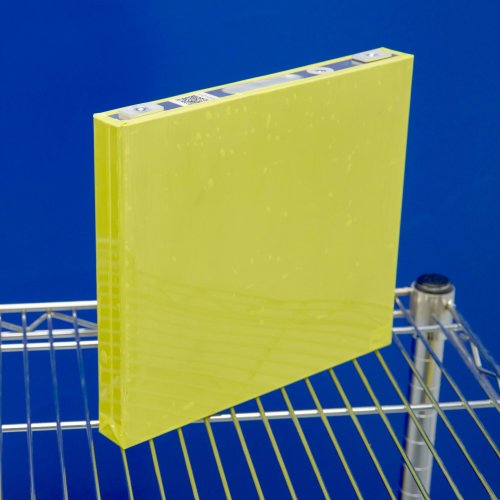
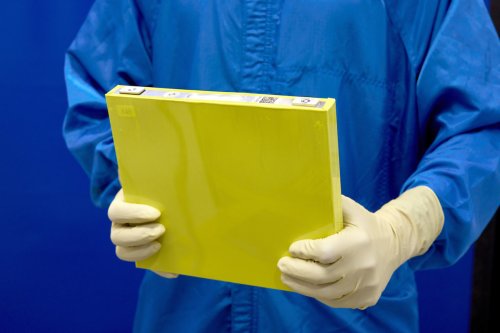
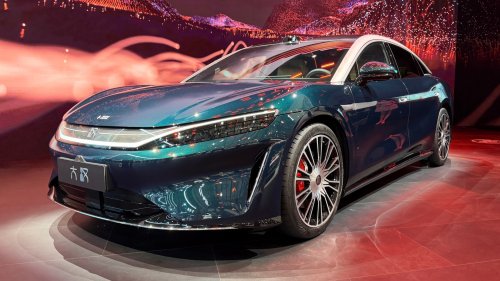
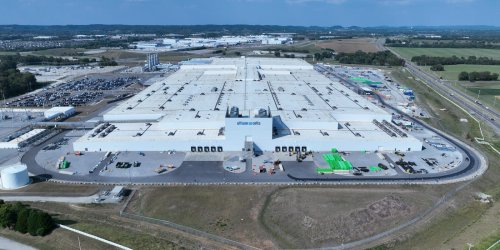
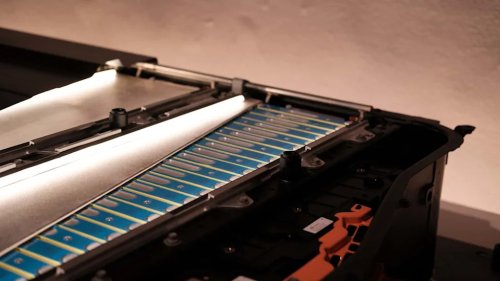
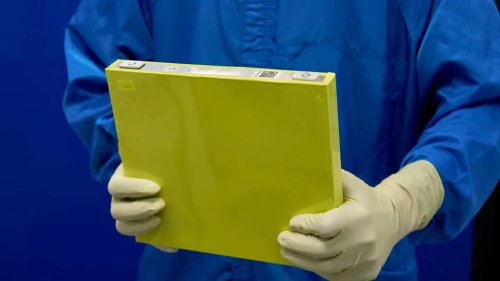
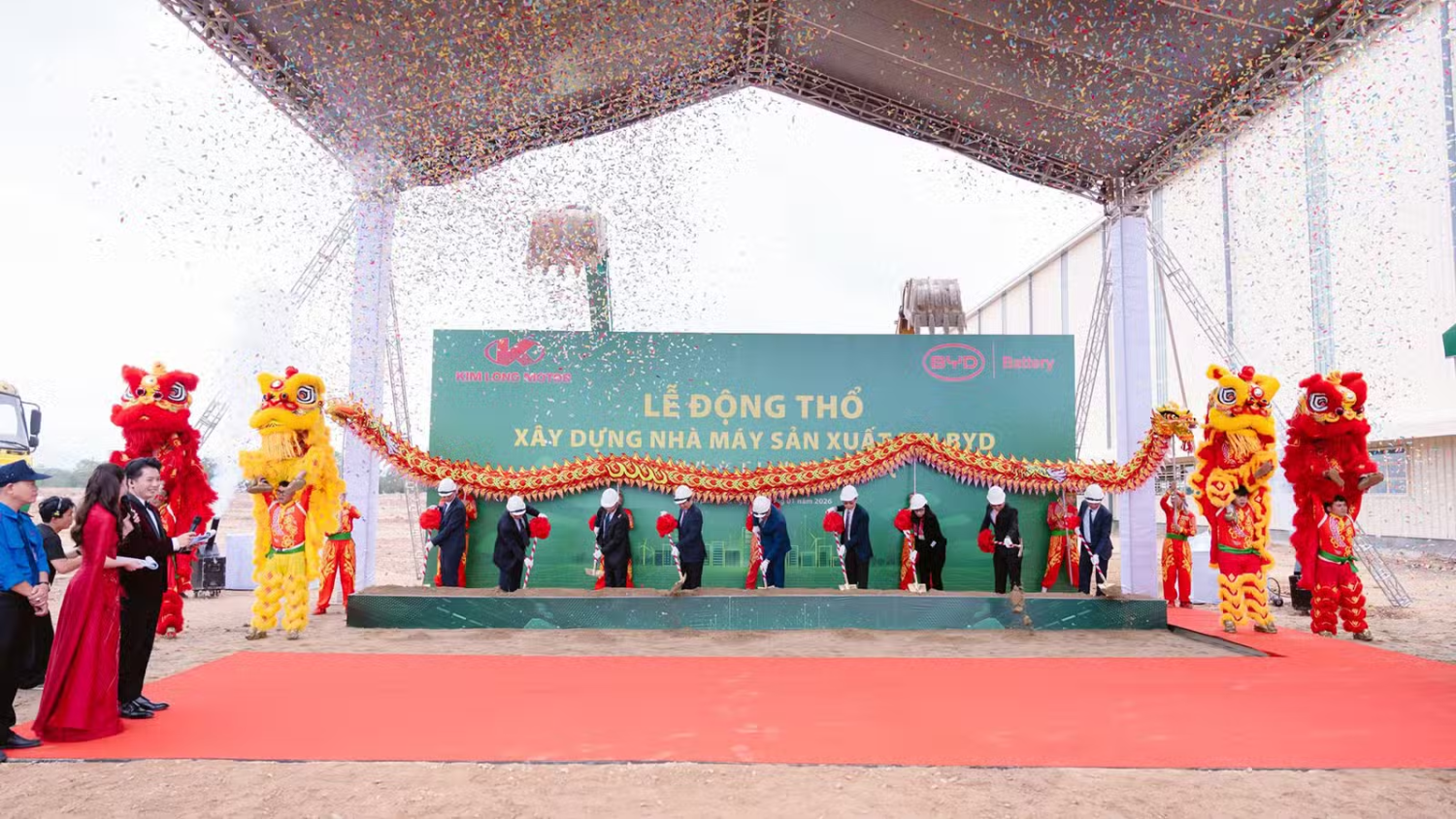
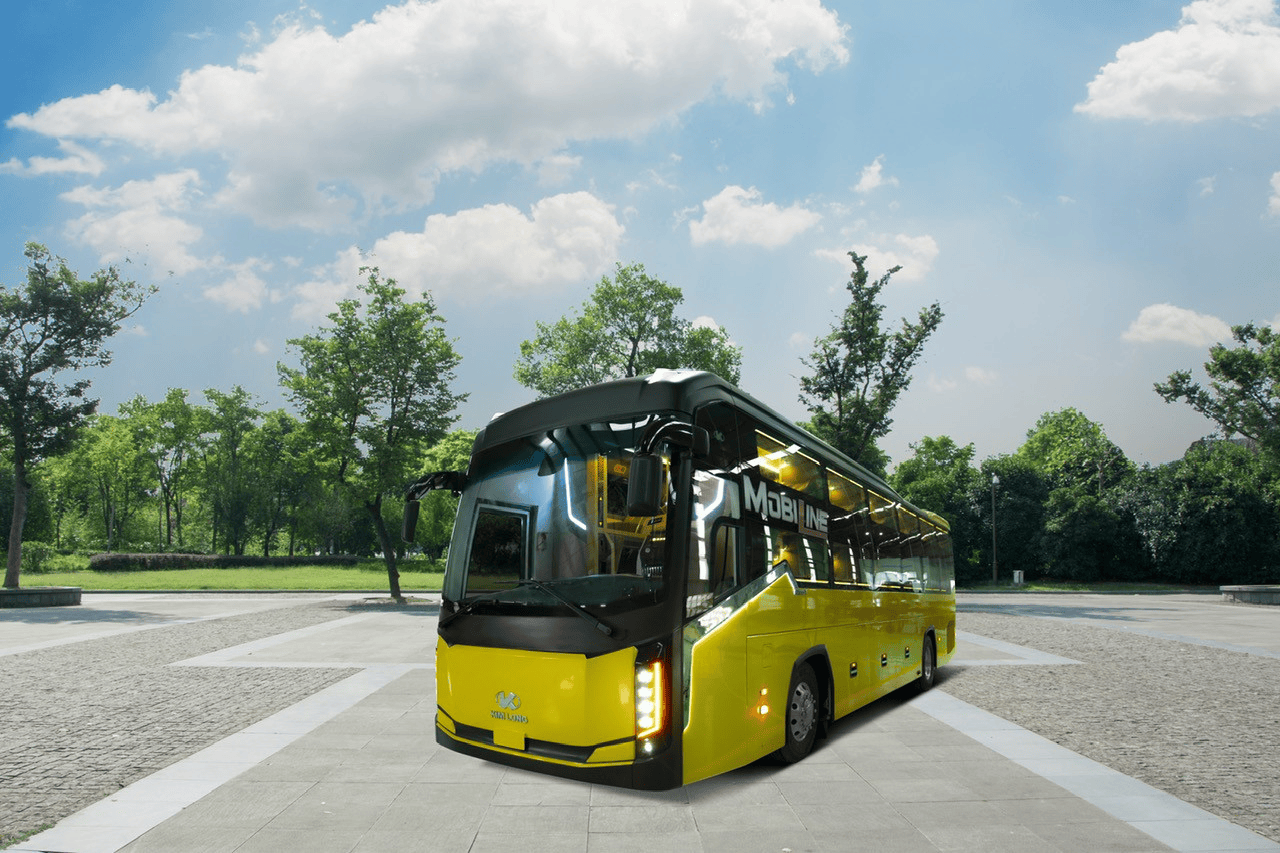
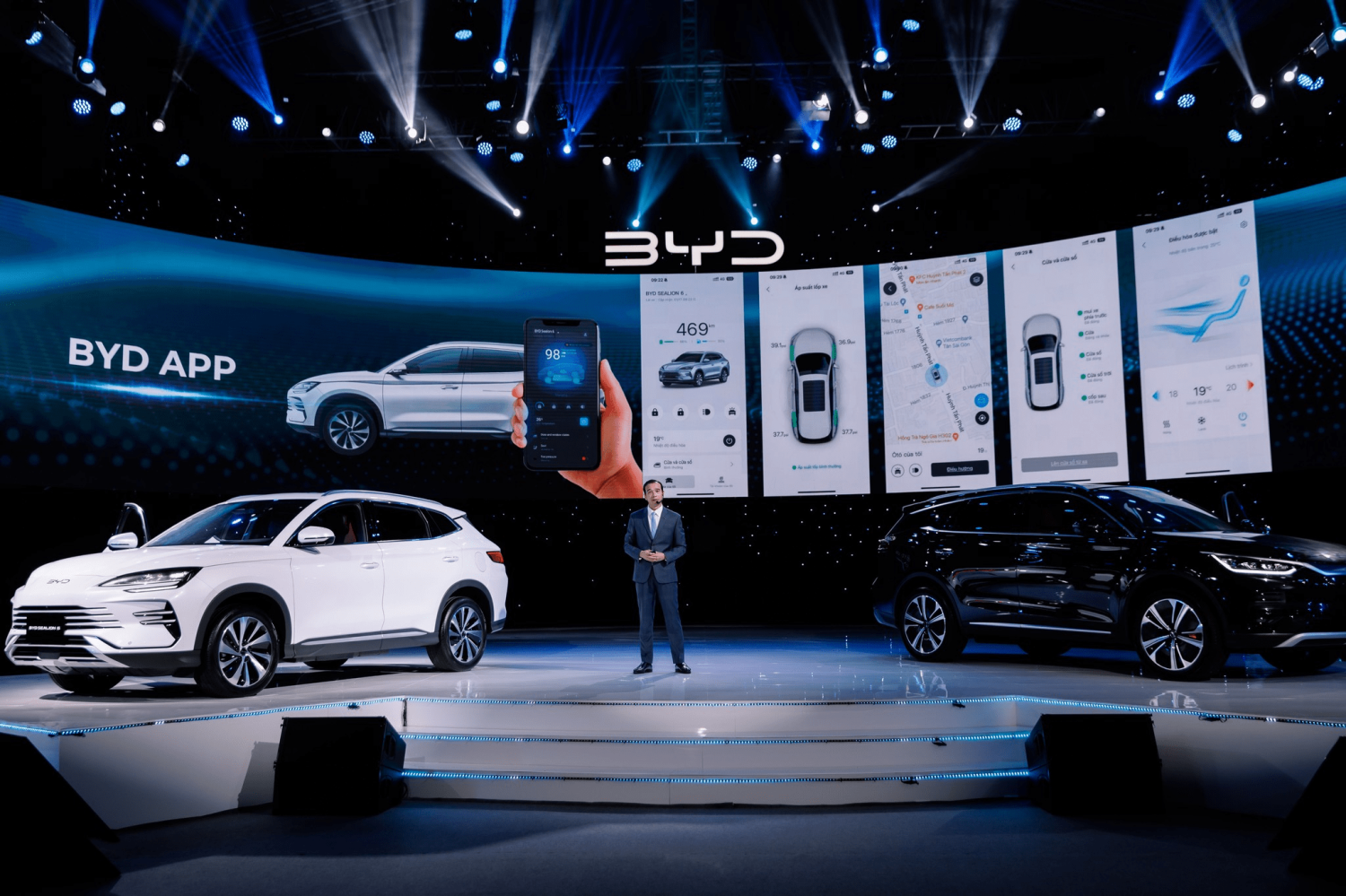
The plant will support commercial EVs first and later passenger cars, with Kim Long funding construction and BYD providing battery technology and technical support. According to Vietnam’s government website, BYD has signed an agreement with local automaker Kim Long Motor to jointly build a commercial electric vehicle battery factory in central Vietnam. The facility will mainly supply power batteries for buses, trucks and small commercial vehicles. Signing ceremony for the plant The project will be developed in two phases with a total investment of about $130 million. Phase one will cover approximately 4.4 hectares and is designed to deliver annual production capacity of 3 GWh. In phase two, the factory site will be expanded to around 10 hectares, with annual capacity doubling to 6 GWh, alongside the addition of battery production lines for passenger vehicles. In a statement, Kim Long Motor said that under the agreement it will be responsible for funding the construction of the factory, while BYD will provide comprehensive technical support. Leveraging BYD’s battery technology, Kim Long Motor is developing a 34-seat electric sleeper bus, targeting it to become the first new-energy model of its kind in Vietnam and the broader Southeast Asian market. Kim Long Motor’s electric bus At the signing ceremony, Kim Long Motor CEO Dao Viet Anh said that once the battery plant becomes operational, the company expects to raise vehicle localization rates to over 80% by the second quarter of 2026, positioning the project as a regional hub for batteries and electric vehicles. BYD’s current lineup in Vietnam includes the Sealion 6, Atto 3, Dolphin and Sealion 8. The Sealion 6 was launched in April last year with prices ranging from about VND 799 million to VND 899 million ($32,400–$36,400), and delivered 1,000 units within three months of launch. BYD Sealion 6’s launch event in Vietnam The Vietnam battery project extends BYD’s strategy of overseas production paired with localized supply. The company has already established battery manufacturing bases in Brazil, Hungary, the United States and Morocco, primarily to support local vehicle production. BYD brand and public relations general manager Li Yunfei recently said the company is targeting overseas vehicle sales of 1.3 million units in 2026, up from 1.05 million units delivered abroad last year. The battery localization is expected to serve as a key infrastructure pillar supporting this goal.



















 +20 others