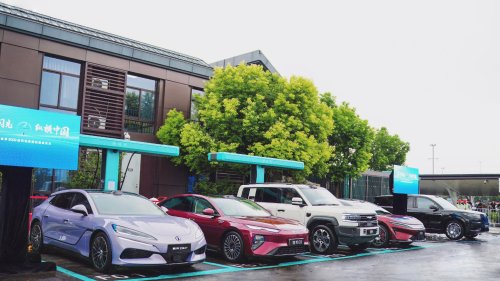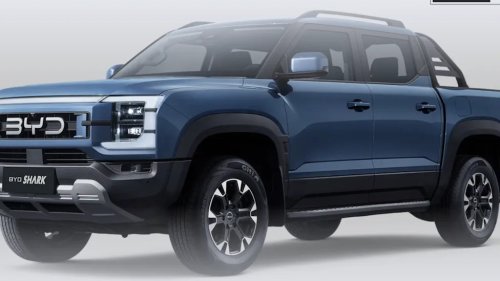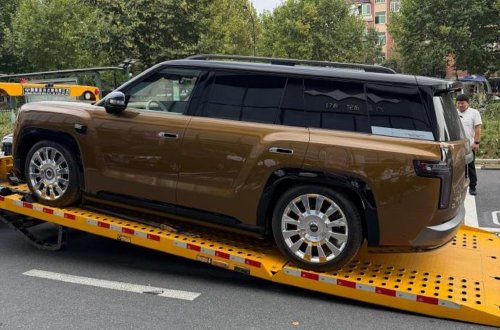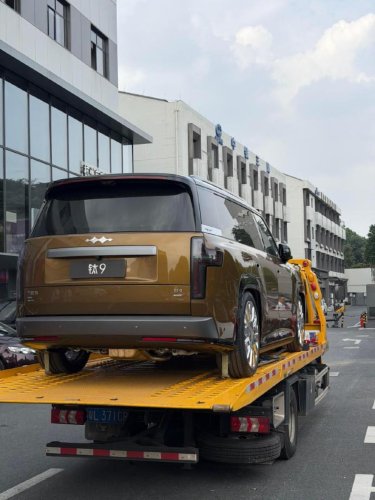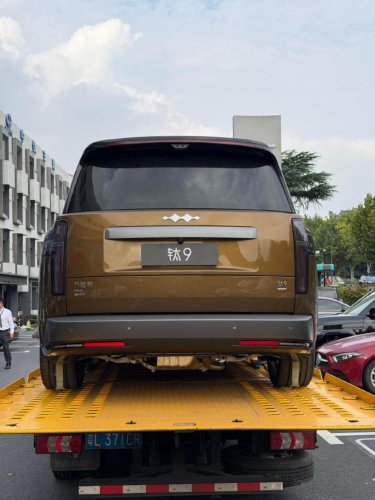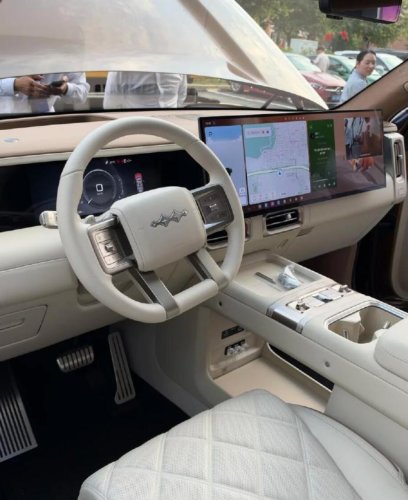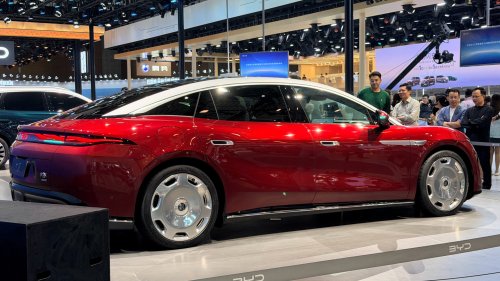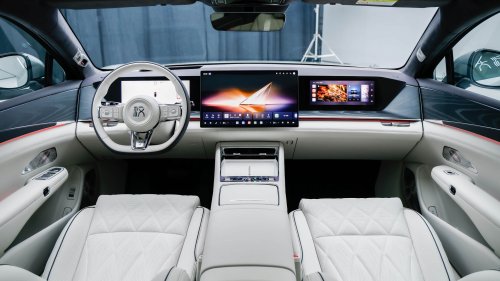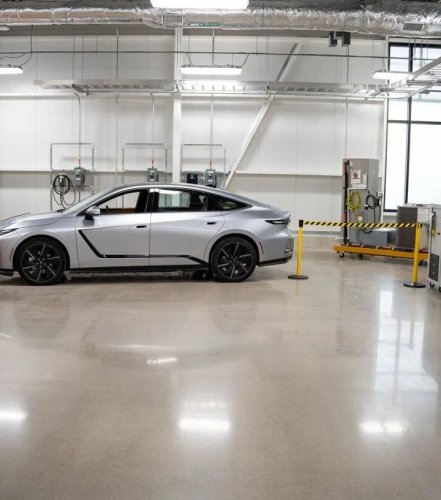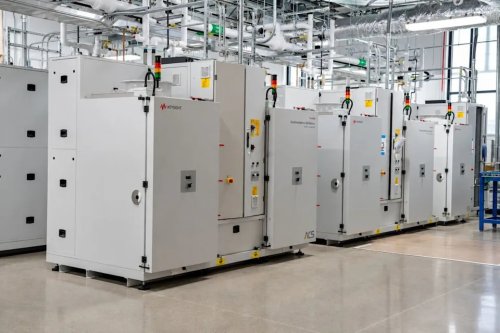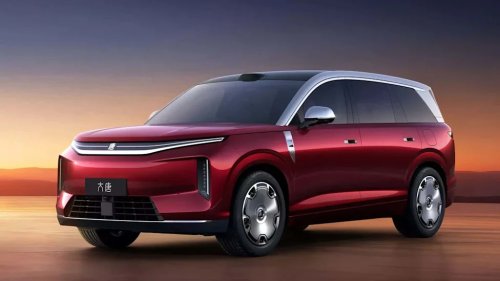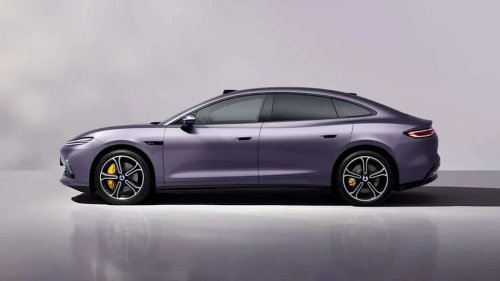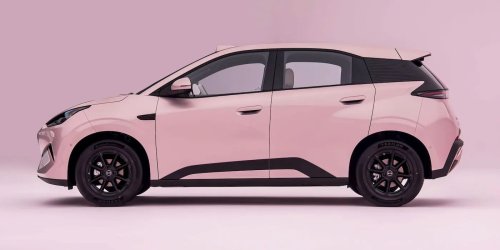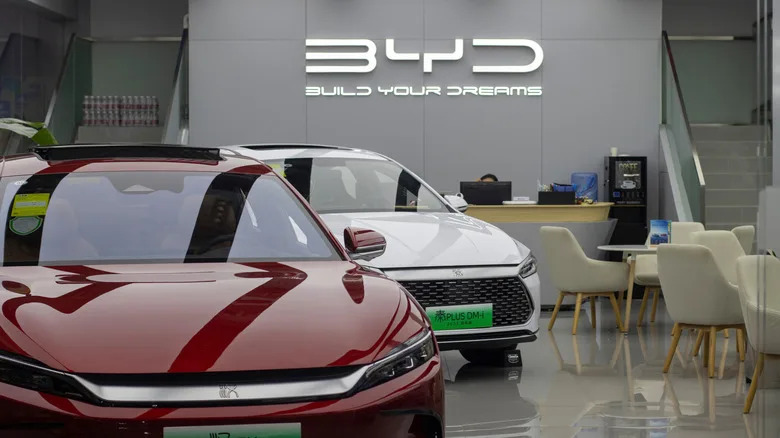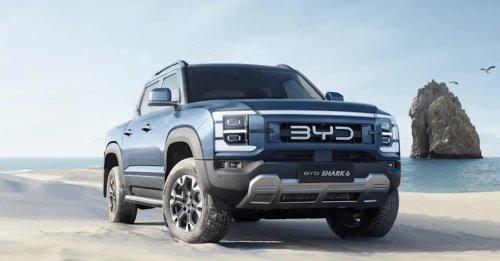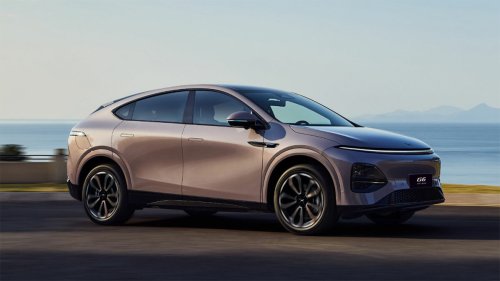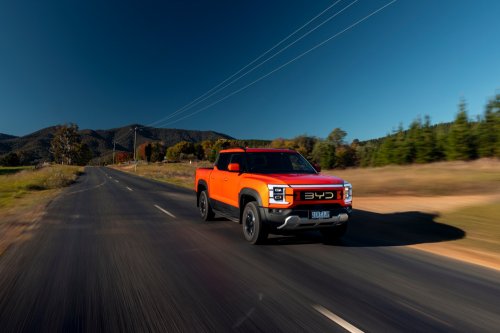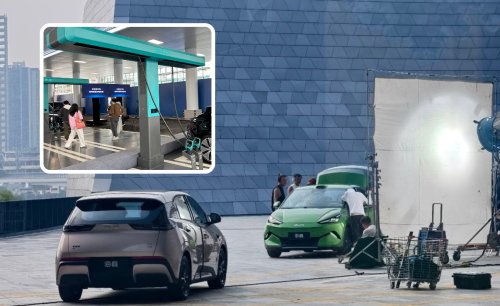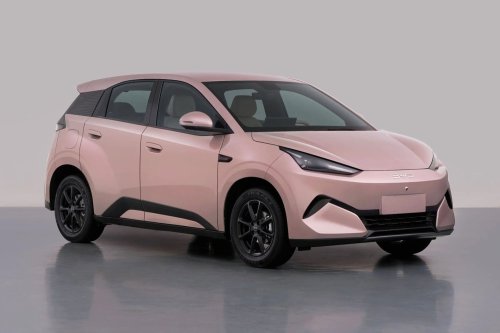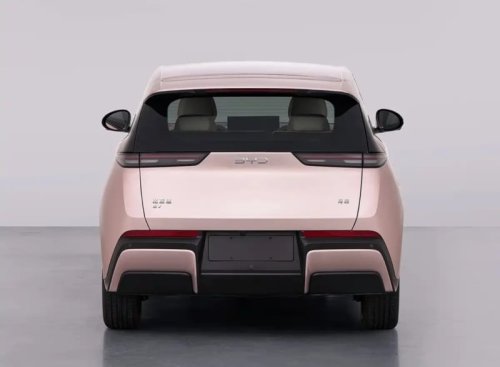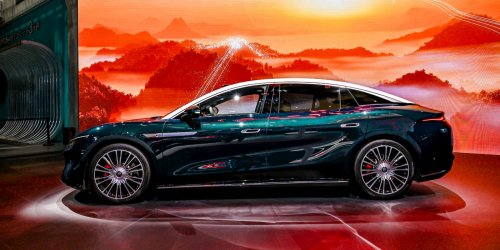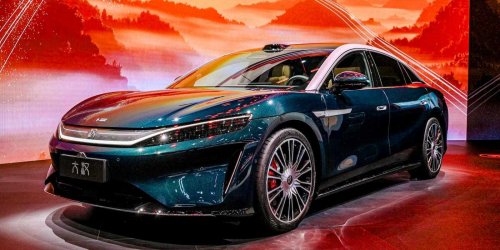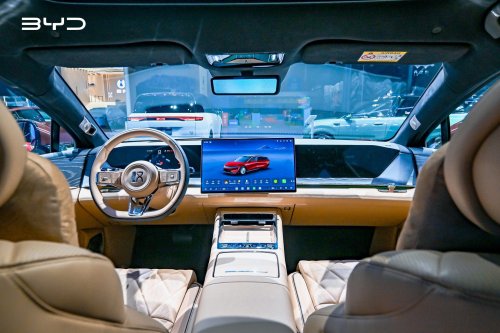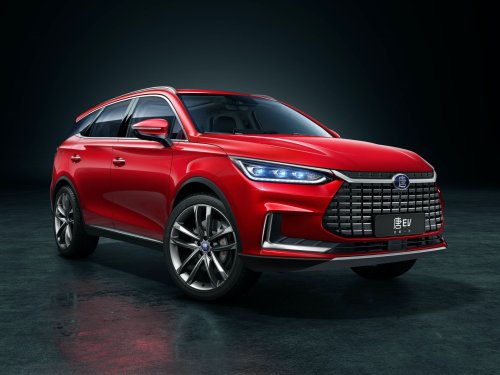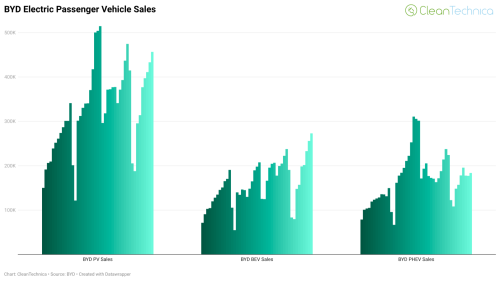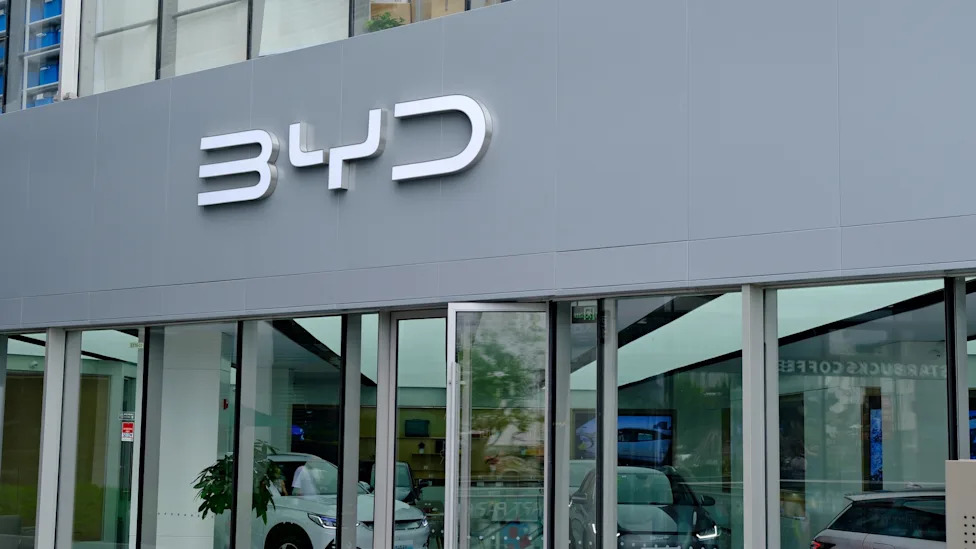



















Photo Credit: iStockBYD's latest fast-charging EVs are selling so quickly that the company has run into an unexpected problem: It doesn't have enough batteries to keep pace.The surge is another sign that interest in electric vehicles is continuing to grow as more drivers look for ways to cut fuel costs, reduce maintenance, and make charging easier.What's happening?According to a report from CarNewsChina, BYD chairman Wang Chuanfu said the company is facing supply chain constraints as it ramps up production on its newest models and various brands.AdvertisementAdvertisementEstimates indicate outstanding orders for BYD's flash-charge models may have already climbed past 140,000 units. Reddit users took to the r/electrekvehicles subreddit to discuss the news. Many explained that the supply constraints pointed to how strong EV demand is in China. "What a problem to have," one user wrote. "Too much demand is a problem most automakers wish they had," another added. CarNewsChina noted the company is also advancing its broader "Flash Charging China" plan intended to roll out 20,000 flash-charging stations nationwide by the end of 2026 — a major expansion intended to support faster charging and broader EV adoption.Why does it matter?For drivers, faster charging can make EV ownership much more practical, especially for people who want flexibility on road trips or who would rather avoid long waits at public stations. That added convenience could help bring even more buyers into the EV market.AdvertisementAdvertisementIt also matters because EVs can save households money over time. In general, electric vehicles cost less to fuel than gas-powered cars and often need less routine maintenance because they have fewer moving parts and do not require oil changes. As battery supply expands and charging infrastructure improves, those benefits could become available to more drivers.At the same time, the shortage highlights how difficult it can be for EV makers to scale production quickly. If battery output falls behind demand, customers could face longer wait times, and expansion plans may slow.However, consumer demand appears strong enough to strain supply. In an industry where critics often question whether interest is really there, that is a notable signal.For consumers, it is also a reminder that charging strategy matters almost as much as vehicle choice. If you are considering making the switch, this guide can help you compare your options. AdvertisementAdvertisementCharging an EV at home is also typically much cheaper than relying on public charging, often adding up to hundreds of dollars in annual savings. If you're curious about at-home Level 2 charging, connect with the experts at Qmerit to get quick installation quotes. Installing solar panels can increase those savings even more, since charging with your own electricity is cheaper than using public chargers or drawing power from the grid. To see if your home is a good fit for solar, check out EnergySage's solar marketplace. It can help you get quick installation quotes and save as much as $10,000 on the cost of installations. Get TCD's free newsletters for easy tips, smart advice, and a chance to earn $5,000 toward home upgrades. To see more stories like this one, change your Google preferences here.